
The allure of the Hawaiian Islands is undeniable, a tropical paradise beckoning travelers with its sun-drenched beaches, lush volcanic landscapes, and vibrant culture. Whether you’re planning a dream vacation, a business trip, or a long-term escape, understanding the local time is a fundamental aspect of your journey. This guide will not only answer the pressing question of “What time is it in Hawaii currently?” but also delve into the fascinating world of Hawaiian time zones, how they impact your travel plans, and offer insights relevant to every facet of your Hawaiian experience, from booking accommodations to exploring iconic landmarks.

Navigating the Hawaiian Time Zone
Hawaii operates on a single, unique time zone, distinct from the continental United States. This is a crucial piece of information for any traveler, as it significantly affects flight schedules, communication with home, and even the timing of your sunset cocktails.
Understanding Hawaii Standard Time (HST)
Hawaii observes Hawaii Standard Time (HST), which is UTC-10. This means it is 10 hours behind Coordinated Universal Time (UTC). Unlike many parts of the mainland United States, Hawaii does not observe Daylight Saving Time (DST). This consistency is a blessing for travelers, as you don’t need to adjust your clocks twice a year.
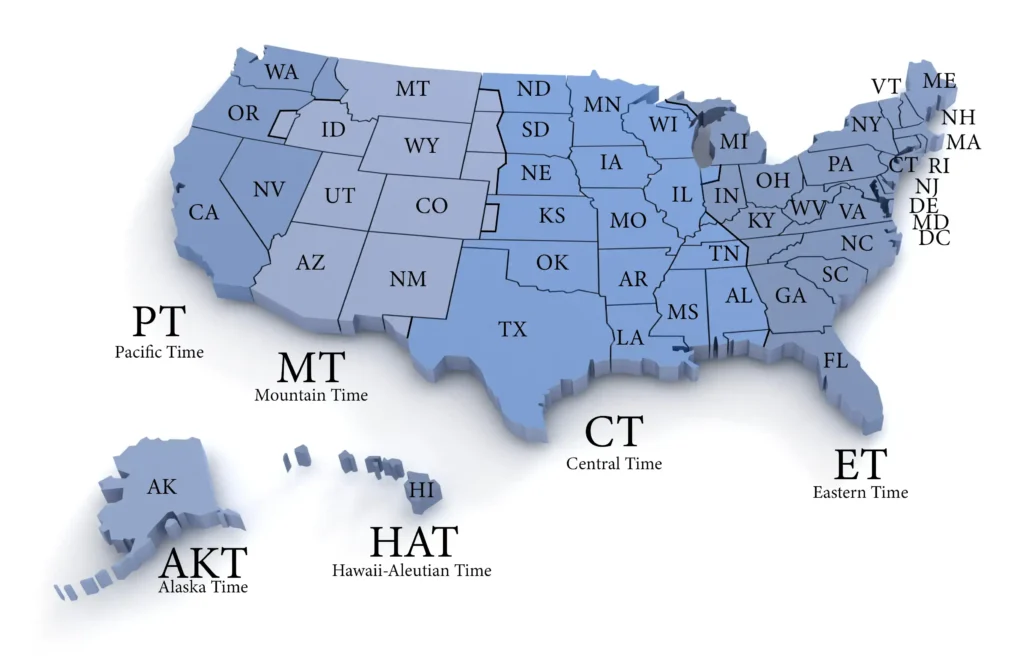
To put this into practical terms, here’s how HST generally compares to major time zones in the continental US:
- Eastern Standard Time (EST) / Eastern Daylight Time (EDT): Hawaii is 5 hours behind Eastern Standard Time. So, if it’s 12:00 PM (noon) in New York City, it’s 7:00 AM in Honolulu.
- Central Standard Time (CST) / Central Daylight Time (CDT): Hawaii is 4 hours behind Central Standard Time. If it’s 12:00 PM in Chicago, it’s 8:00 AM in Honolulu.
- Mountain Standard Time (MST) / Mountain Daylight Time (MDT): Hawaii is 3 hours behind Mountain Standard Time. If it’s 12:00 PM in Denver, it’s 9:00 AM in Honolulu.
- Pacific Standard Time (PST) / Pacific Daylight Time (PDT): Hawaii is 2 hours behind Pacific Standard Time. If it’s 12:00 PM in Los Angeles, it’s 10:00 AM in Honolulu.
- Alaska Standard Time (AKST) / Alaska Daylight Time (AKDT): Hawaii is 1 hour behind Alaska Standard Time. If it’s 12:00 PM in Anchorage, it’s 11:00 AM in Honolulu.
It’s important to remember that these differences are constant due to Hawaii not observing DST. This simplifies planning, as you can always rely on the same time difference.
The Impact of Time Zones on Travel Planning
The time difference can have several practical implications for your trip to Hawaii:
- Flight Schedules: When booking flights, always double-check arrival and departure times in local Hawaii time. A flight departing in the afternoon on the mainland might arrive in Hawaii the same day, but significantly earlier due to the time difference. Conversely, a red-eye flight departing Hawaii in the evening might arrive on the mainland the following day.
- Communication: Informing friends and family about the time difference is crucial to avoid late-night or early-morning calls. Plan communication windows that are convenient for everyone.
- Activity Booking: When booking tours, restaurant reservations, or any other activities on the islands, ensure you are using Hawaii Standard Time. This is particularly important for early morning excursions like sunrise tours of Haleakala National Park or early bird whale watching trips.
- Jet Lag: While the time difference is significant, the lack of DST can sometimes make adjusting to Hawaii time easier than other destinations with more complex time zone shifts. However, it’s still wise to allow yourself a day or two to acclimate upon arrival. Staying hydrated, getting plenty of sunlight, and sticking to a consistent sleep schedule as much as possible will aid in your adjustment.
Exploring the Islands: Time and Experiences
Understanding the current time in Hawaii is not just about scheduling; it also enhances your appreciation for the rhythm of island life and the unique experiences each island offers.
Island Hopping and Local Time

Hawaii is comprised of several main islands, each with its own charm and attractions. While they all fall under Hawaii Standard Time, the experience of time can feel different depending on which island you’re visiting and what you’re doing.
- Oahu: Home to Honolulu and Waikiki, Oahu is the most populated island. Here, time can feel more aligned with a bustling city, with activities scheduled throughout the day and into the evening. You might be watching a sunset at Diamond Head or enjoying a luau in the evening, all within the framework of HST.
- Maui: Known for its stunning beaches and the legendary Road to Hana, Maui offers a more relaxed pace. Waking up early for a sunrise at Haleakala National Park or enjoying a leisurely brunch in Lahaina are common experiences. The timing of these activities often depends on the golden hours for photography or the best light for exploring the island’s natural beauty.
- Kauai: The “Garden Isle” is famous for its dramatic cliffs and verdant landscapes. Here, time often melts away as you explore the Na Pali Coast or hike through the Waimea Canyon. The focus is often on nature’s clock, with early mornings for kayaking and afternoons for relaxing by the ocean.
- Big Island (Hawaii Island): This island offers incredible diversity, from the volcanic landscapes of Hawaii Volcanoes National Park to the black sand beaches of Punalu’u. The sheer scale of the island means that planning your timing is essential to maximize your exploration, perhaps starting your day with stargazing at Mauna Kea and ending with a sunset cruise.
Adapting to the Island Pace
One of the joys of visiting Hawaii is embracing the local “island time” mentality. While official schedules exist, there’s a general understanding that things can move at a more relaxed pace. This doesn’t mean appointments aren’t kept, but rather that the urgency often associated with mainland schedules is less prevalent.
When planning your accommodation, whether you’re looking for luxury resorts like the Four Seasons Resort Oahu at Ko Olina, family-friendly apartments, or private villas for a long-term stay, understanding HST will help you synchronize your booking and arrival times with your travel itinerary. Many hotels offer amenities and activities that are timed around the island’s natural rhythms, such as morning yoga sessions or sunset happy hours.
For those interested in local culture and cuisine, knowing the time of day is essential. Experiencing a traditional Hawaiian luau, which typically begins in the late afternoon and extends into the evening, requires an awareness of HST. Similarly, visiting local markets for fresh produce or enjoying a delicious plate lunch from a food truck is best done during their operating hours, which you can ascertain by checking their local times.
Maximizing Your Hawaiian Adventure
Whether you’re a luxury traveler seeking opulent experiences, a budget-conscious explorer, or a family embarking on a memorable trip, understanding the time in Hawaii is a foundational element of successful planning.
Lifestyle and Time Management
The way you experience Hawaii is deeply intertwined with how you manage your time.
- Luxury Travel: For those opting for luxury stays, such as at the Grand Hyatt Kauai Resort & Spa, time might be dedicated to spa treatments, fine dining, and exclusive excursions. Understanding HST allows you to seamlessly integrate these high-end experiences into your days, perhaps scheduling a private surf lesson at dawn or a gourmet dinner reservation as the stars begin to appear.
- Budget Travel: Budget travelers can also make the most of their time by planning strategically. Early morning hikes to popular spots like Diamond Head or Hanauma Bay can help you beat the crowds and enjoy the natural beauty in peace. Knowing the time allows for efficient use of daylight hours for sightseeing and exploring free attractions.
- Family Trips: For families, managing time is key to keeping younger travelers happy and engaged. Early evenings can be perfect for beach play, followed by an early dinner. Understanding the time difference also helps manage children’s sleep schedules, especially after long flights. Perhaps a family visit to Pearl Harbor is best scheduled for the morning to avoid the midday heat and crowds.
- Business Stays: For those on business, adhering to HST is crucial for meetings and conference calls. However, even during business trips, there’s often time to savor the island’s offerings. A quick lunch at a local eatery or a sunset stroll along the beach can be incorporated into a packed schedule with careful time management.
Popular Attractions and Their Timing
Hawaii is brimming with iconic landmarks and natural wonders, and knowing the local time can optimize your visits.
- Pearl Harbor: Visiting this historic site in Honolulu is a solemn and moving experience. It’s advisable to arrive early in the morning to secure tickets and allow ample time for reflection.
- Volcanoes National Park: On the Big Island, the active volcanoes offer a dynamic spectacle. The best times to visit often depend on geological activity and the light for photography, with early mornings and late afternoons being particularly dramatic.
- Diamond Head: This iconic crater in Oahu offers breathtaking panoramic views of Waikiki and the coastline. Hiking to the summit is best done in the cooler parts of the day, early morning or late afternoon.
- Hanauma Bay: This protected marine life conservation area is a popular spot for snorkeling. Reservations are often required, and visits are typically timed to allow for a set duration of enjoyment.
- Road to Hana: This scenic drive on Maui is a full-day adventure. Starting early in the morning allows you to make frequent stops at waterfalls, viewpoints, and fruit stands without feeling rushed.
By keeping the current time in Hawaii at the forefront of your planning, you can unlock the full potential of your journey. From the moment you step off the plane to your final sunset, a well-managed schedule, informed by Hawaii Standard Time, will ensure a seamless, enjoyable, and unforgettable Hawaiian adventure. Whether you are dreaming of the pristine beaches of Maui, the historical significance of Pearl Harbor, or the volcanic wonders of the Big Island, understanding “What Time Is It In Hawaii Currently?” is the first step to experiencing the magic of the Aloha State.