
For any traveler embarking on an adventure to Juneau, the capital city of Alaska, understanding the local time is far more than a simple curiosity. It’s a crucial detail that dictates everything from flight schedules and tour bookings to the optimal times for experiencing the city’s breathtaking natural wonders and vibrant local culture. Nestled between towering mountains and the serene waters of the Gastineau Channel, Juneau offers a unique blend of wilderness and urban charm. However, its geographical position in the far north of North America means its relationship with time, particularly daylight hours, is profoundly different from most other travel destinations. This article will delve into Juneau’s time zone, the dramatic seasonal shifts in daylight, and how these factors influence your travel planning, accommodation choices, and overall experience, ensuring your trip to this extraordinary Alaskan gem is as seamless and enjoyable as possible.
Decoding Juneau’s Time Zone: Alaska Standard Time
Understanding Juneau’s time zone is the first step in planning any visit to this remarkable city. Situated in the vast expanse of Alaska, Juneau observes a distinct time zone that sets it apart from the contiguous United States. This unique temporal position has significant implications for travelers, from coordinating flights to scheduling outdoor excursions.
Understanding AKST and AKDT
Juneau, like most of Alaska, operates on Alaska Standard Time (AKST) during the winter months and Alaska Daylight Time (AKDT) during the spring, summer, and fall.
- Alaska Standard Time (AKST): This is the base time zone for Alaska and is observed from early November to mid-March. AKST is 9 hours behind Coordinated Universal Time (UTC-9). This means that if it’s noon UTC, it’s 3 AM in Juneau.
- Alaska Daylight Time (AKDT): When Daylight Saving Time begins in mid-March, clocks in Juneau spring forward by one hour. AKDT is 8 hours behind Coordinated Universal Time (UTC-8) and remains in effect until early November. So, if it’s noon UTC during this period, it’s 4 AM in Juneau.
To put this into perspective relative to other major North American time zones:
- Juneau is typically one hour behind Pacific Time (e.g., Seattle, Los Angeles).
- It is two hours behind Mountain Time (e.g., Denver).
- It is three hours behind Central Time (e.g., Chicago).
- And four hours behind Eastern Time (e.g., New York City, Miami).
These differences are crucial for travelers, particularly those arriving from the Lower 48 United States. Flight schedules will be based on local time, and communication with friends, family, or business contacts back home will require careful time zone calculations. Even coordinating pre-booked activities or confirming hotel reservations demands an awareness of Juneau’s local time.
The Rhythms of Daylight: Seasonal Variations
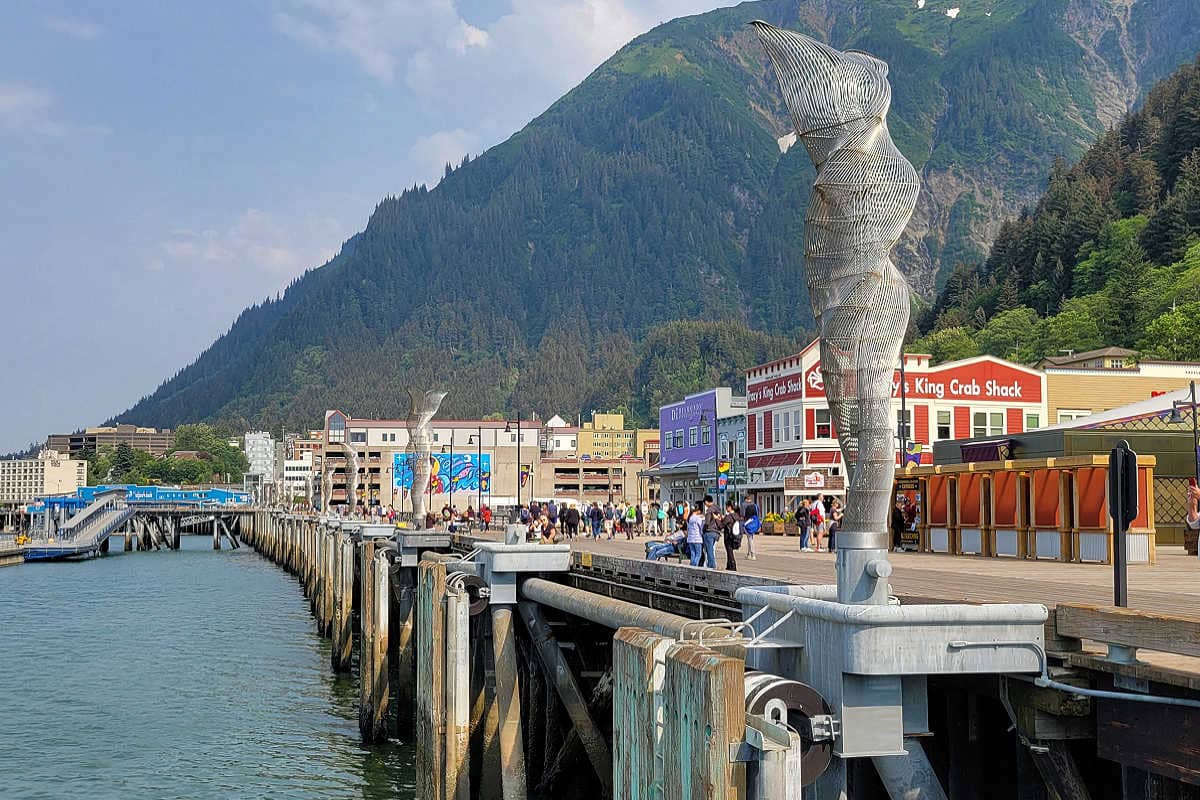
Beyond the standard time zone shifts, Juneau’s high latitude location means it experiences dramatic variations in daylight hours throughout the year. These seasonal rhythms don’t just affect the visual landscape; they profoundly shape daily life, tourism activities, and even the psychology of both residents and visitors.
Summer Solstice (Late June): The Phenomenon of the Midnight Sun
During the peak of summer, around the Summer Solstice, Juneau experiences incredibly long daylight hours. It’s not quite the “Midnight Sun” phenomenon seen further north in Alaska, but the days are exceptionally long, with twilight lingering well past midnight and sunrise returning just a few hours later.
- Impact on Travel: This extended daylight is a major draw for summer tourists. It allows for longer days of exploration, enabling visitors to maximize their time outdoors. Whale watching tours can depart later, hiking trails on Mount Roberts can be enjoyed into the late evening, and scenic cruises through Tracy Arm Fjord or past Mendenhall Glacier can extend without the rush of impending darkness. This abundance of light energizes the city, with outdoor activities, festivals, and dining extending into what would traditionally be considered nighttime.
- Accommodation Considerations: For travelers sensitive to light, investing in hotels with excellent blackout curtains is highly advisable. Many Juneau hotels understand this need, and properties like the Four Points by Sheraton Juneau or Frontier Suites Airport Hotel often cater to it, recognizing the importance of a good night’s sleep even when the sun is still high.
Winter Solstice (Late December): The Embrace of Darkness
Conversely, the winter months bring significantly shorter daylight hours. Around the Winter Solstice, Juneau may experience as little as 6-7 hours of daylight, with the sun rising late and setting early. The rest of the day is dominated by a prolonged twilight or darkness.
- Impact on Travel: This shorter daylight period transforms the travel experience. While some outdoor activities are limited by light, the darkness also opens up unique opportunities. It’s the prime season for viewing the spectacular Aurora Borealis (Northern Lights) on clear nights, and the snow-covered landscapes offer a serene, almost magical beauty. Indoor activities, cozy dining experiences, and exploring local museums become central to the itinerary. The darkness also fosters a strong sense of community, with local events and cultural gatherings providing warmth and light.
- Lifestyle Adaptation: Both visitors and locals adapt to these extremes. Many Alaskans use light therapy lamps during winter to combat seasonal affective disorder, and visitors should be prepared for the psychological impact of reduced daylight. Planning activities carefully around the available light is key to a fulfilling winter trip.

These seasonal daylight variations are a fundamental aspect of the Juneau experience, defining not just what time it is, but what kind of day it is, profoundly influencing travel decisions and daily rhythms.
Navigating Your Juneau Adventure: Time-Sensitive Planning
Effective planning is paramount for any successful trip, and when visiting a destination like Juneau with its unique time zone and extreme daylight variations, it becomes even more critical. Travelers need to synchronize their itineraries not only with the clock but also with the sun.
Optimizing Your Itinerary with Daylight in Mind
The seasonal shifts in daylight hours in Juneau are a primary consideration when crafting your travel itinerary. Your approach to scheduling activities will dramatically differ depending on whether you visit during the bright summer or the darker winter.
Summer Travel: Embracing the Extended Daylight
When visiting Juneau in the summer, the abundance of daylight is your greatest asset.
- Maximize Outdoor Adventures: Use the extended hours to pack in more outdoor activities. Popular attractions like the majestic Mendenhall Glacier and its surrounding trails, or the panoramic views from the Mount Roberts Tramway, can be explored well into the evening. Guided excursions such as whale watching tours in Lynn Canal or sea kayaking trips can be scheduled for later in the day, providing unique perspectives under the soft, lingering twilight.
- Evening Activities: Don’t hesitate to plan dinner outings or leisurely strolls through downtown Juneau at 9 PM or 10 PM, as it will still feel like early evening. Some tour operators even offer special “midnight sun” experiences, capitalizing on the unique light conditions.
- Flight and Accommodation Timing: Factor in flight arrival and departure times carefully. An early morning flight into Juneau might leave you feeling disoriented by the bright “morning” light if you’re arriving from a darker time zone. Similarly, be mindful of hotel check-in and check-out times, as these are set to local Alaska Time. Many accommodations understand the common arrival times of flights and cruise ships and are often flexible, but it’s always best to confirm.

Winter Travel: Adapting to Shorter Days
A winter visit to Juneau requires a different mindset, prioritizing indoor activities and embracing the beauty of the darkness.
- Focused Daytime Activities: Concentrate outdoor activities, such as snowshoeing, cross-country skiing, or exploring the limited daylight hours around Mendenhall Glacier, during the middle of the day.
- Embrace the Night: The long nights are perfect for seeking out the Aurora Borealis (Northern Lights) if conditions are right. Many local tour operators offer specialized aurora viewing excursions. This is also an ideal time to delve into Juneau’s rich history and culture by visiting local museums, art galleries, and enjoying the city’s burgeoning culinary scene.
- Accommodation Comfort: For winter travelers, accommodation becomes a cozy sanctuary. Seek out hotels and resorts that offer inviting amenities like fireplaces, warm common areas, and perhaps even spa services to relax after a day in the crisp Alaskan air.
Regardless of the season, always confirm the operating hours for attractions, restaurants, and tour companies. These can vary and are strictly tied to the local time.
Conquering Jet Lag and Maximizing Comfort
Travel to Juneau, especially from the Eastern United States or international destinations, often involves a significant time zone change, leading to jet lag. Successfully managing this can greatly enhance your trip.
- Pre-Trip Adjustment: If possible, try to shift your sleep schedule by an hour or two each day in the days leading up to your trip, moving towards Alaska Time.
- Upon Arrival: The key is to acclimate quickly to the local light cycle. Expose yourself to natural light during Juneau’s daytime hours, even if you feel tired, and avoid napping for too long. Similarly, ensure your room is dark and conducive to sleep at night.
- Hydration and Nutrition: Staying well-hydrated and eating regular, healthy meals can significantly mitigate the effects of jet lag. Explore Juneau’s local eateries like the Hangar on the Wharf or Twisted Fish Company for fresh Alaskan seafood and nourishing meals.
- Accommodation Amenities for Jet Lag: When booking accommodation, consider properties that prioritize guest comfort. Many luxury hotels and higher-end boutique accommodations offer features specifically designed to help guests adjust:
- Blackout Curtains: Essential for managing summer’s extended daylight or creating a dark sleeping environment in winter.
- Quiet Rooms: Request a room away from elevators or street noise for uninterrupted sleep.
- Comfortable Bedding: High-quality mattresses and linens are crucial for restful sleep.
- In-room Coffee/Tea Makers: Allows you to wake up at your own pace.
- Fitness Centers: Gentle exercise can help reset your body clock.
- Spa Services: A relaxing massage or treatment can aid in recovery from travel fatigue.
By being proactive about managing time zone changes and selecting accommodating hotels, you can minimize the disruption of jet lag and maximize your energy for exploring all that Juneau has to offer.
Juneau Beyond the Clock: Experiences Shaped by Time
While understanding the exact time in Juneau is crucial for logistics, the true essence of the city’s temporal experience lies in how its unique daily rhythm, dictated by its latitude, shapes its most iconic landmarks and the lifestyle of its inhabitants.
Iconic Landmarks and Activities at All Hours
Juneau’s attractions offer varied experiences, and the best time to visit them often depends on the season and the amount of available daylight.
Daytime Adventures (Year-Round Focus):
Many of Juneau’s most famous sites are best enjoyed during the day, regardless of the season, though the “day” itself can vary dramatically in length.
- Mendenhall Glacier: This magnificent glacier is a must-see. The visitor center has specific operating hours, usually extending longer in summer. During daylight hours, you can explore the trails, view the glacier from various vantage points, and even kayak or raft near it. In winter, the icy landscapes offer a stark, majestic beauty, perfect for snowshoeing, though trails might be less accessible.
- Tracy Arm Fjord: Cruises into this stunning fjord, famous for its tidewater glaciers and abundant wildlife, are predominantly a daytime activity, often requiring several hours. These are generally available from late spring through early fall when ice conditions permit navigation and daylight is plentiful.
- Mount Roberts Tramway: Offering breathtaking panoramic views of Juneau, the Gastineau Channel, and surrounding mountains, the tramway operates during specific daytime hours, typically extending into the evening during peak summer months to capitalize on the long daylight.
- Whale Watching: Prime whale watching season (May to September) coincides with Juneau’s longest days, allowing for multiple tour departures throughout the day and into the evening.
Evening and Night Experiences (Season-Dependent):
The evening and night hours in Juneau offer entirely different sets of experiences, heavily influenced by the season’s light.
- Summer Evenings (Extended Daylight): With the sun dipping low but never truly setting for long, summer evenings are perfect for extended outdoor activities. Enjoy a leisurely dinner on a patio overlooking the water, take a long walk along the waterfront, or even go for a late-night hike. The perpetual twilight creates a magical ambiance that encourages prolonged exploration.
- Winter Evenings (Embracing Darkness): The long, dark winter nights are ideal for seeking out the elusive Aurora Borealis. Clear, cold nights away from city lights offer the best chance to witness this spectacular natural light show. It’s also a time for cozy indoor activities: enjoying local craft beers at a brewery, attending a live performance, or indulging in a gourmet meal at one of Juneau’s acclaimed restaurants.
Local Lifestyle and Culinary Delights
The extreme seasonal variations in daylight profoundly influence the local lifestyle and even the rhythm of commerce and dining in Juneau.
- Adapting to the Seasons: Locals have developed unique ways to cope with and thrive in these conditions. During the endless summer days, life shifts outdoors, with people embracing hiking, fishing, and boating late into the “night.” Conversely, winter brings a slower, more introspective pace, with a focus on indoor community events, cozy gatherings, and celebrating the return of longer days. As a traveler, observing and participating in these rhythms offers a deeper understanding of Alaskan life.
- Dining Experiences: Juneau’s culinary scene, heavily reliant on fresh Alaskan seafood, adapts to the seasonal flow. In summer, outdoor dining areas at places like the Hangar on the Wharf or Twisted Fish Company are bustling late into the evening. In winter, restaurants offer warm, inviting atmospheres, perfect for enjoying hearty meals and seasonal specialties. Always check local business hours, as some smaller establishments may have reduced hours in the off-season.
- Shopping and Culture: Shopping for unique Alaskan art, jewelry, and souvenirs, or exploring cultural sites like the Alaska State Museum, can be done at various times. During summer, stores cater to the cruise ship crowds with extended hours, while winter might see earlier closures, reflecting the quieter pace.
Understanding “what time it is” in Juneau transcends merely knowing the hour on a clock. It involves recognizing the unique temporal tapestry woven by Alaska Standard Time and the profound influence of extreme daylight variations. From coordinating your flight to choosing the ideal time for a Mendenhall Glacier hike or a cozy dinner, being mindful of Juneau’s temporal rhythms will enrich every aspect of your travel experience. Embrace the long summer days for endless adventure, or revel in the quiet magic of winter’s prolonged nights. Whichever season you choose, Juneau promises an unforgettable journey, made all the more special by tuning into its distinctive time.