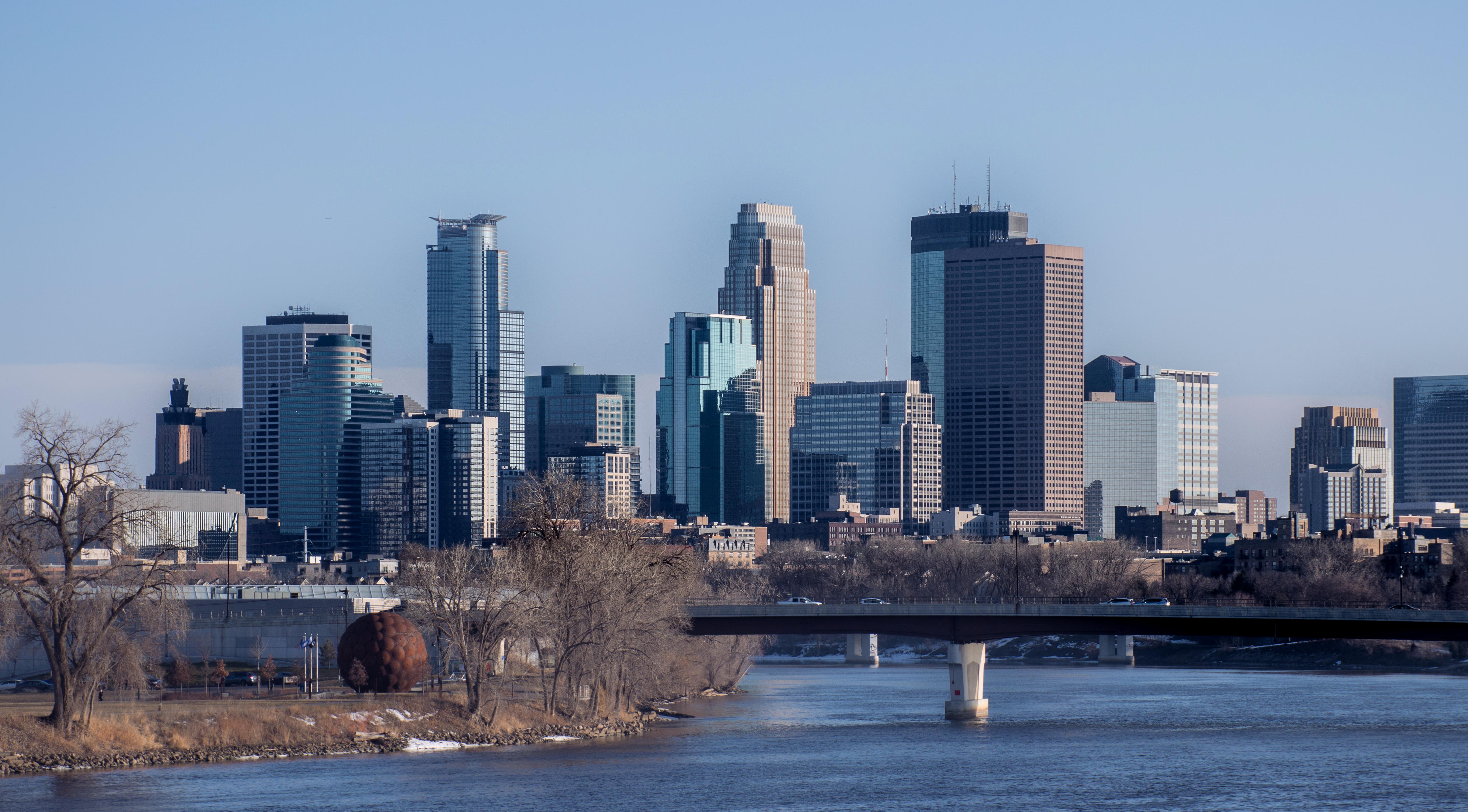
Understanding the precise time in any destination is often the first step in planning a seamless trip, a successful business venture, or simply connecting with loved ones. For the vibrant, dynamic metropolis that comprises Minneapolis and St. Paul – collectively known as the Twin Cities – knowing the current hour is your gateway to unlocking an incredible array of experiences. Situated in the heart of the United States in the state of Minnesota, the Twin Cities operate on Central Time Zone, adhering to Central Daylight Time (CDT) during the warmer months and Central Standard Time (CST) when daylight saving ends. This seemingly simple piece of information underpins every aspect of travel, from booking flights and making hotel reservations to scheduling tours and dining experiences.
But beyond merely setting your watch, knowing “what time it is” in Minneapolis St Paul is an invitation to explore a region brimming with cultural richness, stunning natural beauty, diverse culinary scenes, and world-class accommodation options. This guide will not only clarify the current time in this captivating destination but also delve into how this knowledge empowers you to plan an unforgettable journey, optimize your itinerary, and truly immerse yourself in the unique lifestyle the Twin Cities offer.
Navigating the Central Time Zone: Planning Your Twin Cities Adventure
For travelers journeying to Minneapolis St Paul, the time zone is a fundamental detail that impacts every aspect of their trip. Whether you’re flying in from the East Coast, connecting from the West, or arriving from an international destination, adjusting to Central Time is key to avoiding jet lag and making the most of your visit.
Understanding CDT/CST for Seamless Travel
The Central Time Zone is typically six hours behind Coordinated Universal Time (UTC-6). However, like much of the United States, Minnesota observes Daylight Saving Time, which means the clock springs forward by one hour in the spring and falls back in the autumn.
- Central Daylight Time (CDT): From early March to early November, the Twin Cities operate on CDT, which is UTC-5. This is when the region enjoys longer daylight hours, perfect for evening strolls along the Stone Arch Bridge or outdoor dining.
- Central Standard Time (CST): During the colder months, from early November to early March, the Twin Cities revert to CST, which is UTC-6. Shorter days mean embracing the cozy indoor attractions and vibrant winter festivals.
Knowing whether it’s CDT or CST is crucial for coordinating flight arrivals, scheduling business meetings, and planning activities that have fixed start times. Arriving refreshed and on schedule sets the tone for a productive and enjoyable visit, whether your purpose is business or leisure.
Beyond the Clock: Maximizing Your Minneapolis St Paul Experience
While the time zone provides the framework, the true essence of maximizing your Twin Cities experience lies in how you utilize your hours. The dual nature of Minneapolis, with its modern skyline, thriving arts scene, and chain of urban lakes, and St. Paul, known for its historic charm, grand architecture, and vibrant neighborhoods, means there’s always something to see and do. Efficient time management allows you to traverse both cities, appreciating their distinct personalities and myriad attractions. From early morning jogs around Bde Maka Ska (formerly Lake Calhoun) to late-night performances at the Guthrie Theater, every minute in the Twin Cities can be packed with memorable moments.
Iconic Landmarks and Must-Visit Attractions Across the Twin Cities
The Twin Cities boast an impressive collection of landmarks and attractions that cater to every interest, from history buffs and art enthusiasts to nature lovers and avid shoppers. Understanding the time allows you to strategically plan visits to these popular spots, optimizing your schedule to avoid crowds and fully appreciate each site.
Minneapolis Highlights: Urban Charm and Cultural Riches
Minneapolis, often referred to as the “City of Lakes,” blends a sophisticated urban environment with an abundance of natural beauty. Its vibrant downtown and eclectic neighborhoods offer a wealth of experiences.
- Mill City Museum: Built into the ruins of the world’s largest flour mill, this museum offers a fascinating journey through the city’s industrial past, especially its flour milling heritage. Located on the banks of the Mississippi River, it provides stunning views of the riverfront.
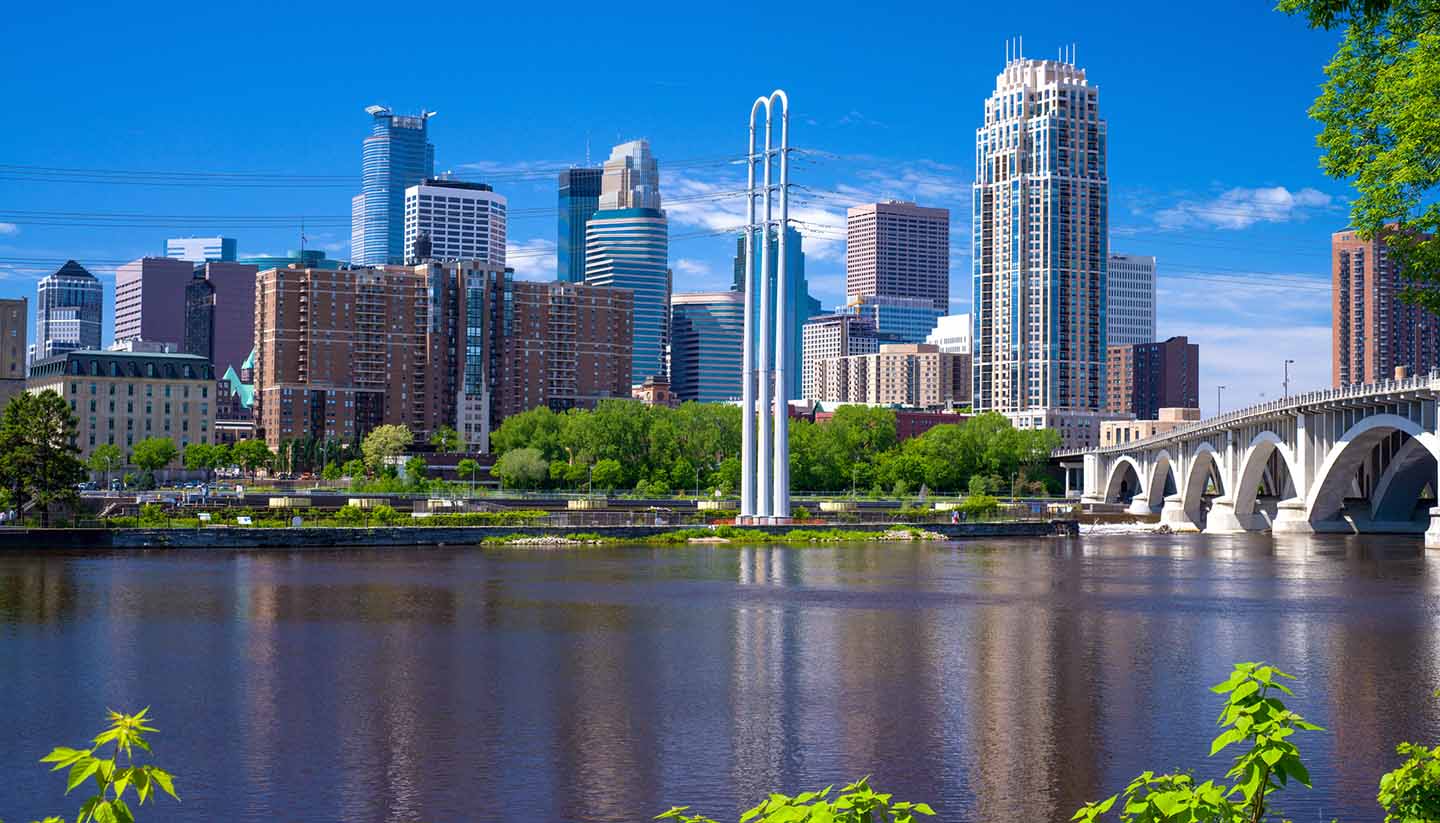
- Stone Arch Bridge: A historic former railroad bridge, this architectural marvel is now a pedestrian and bike path offering breathtaking panoramic views of the Minneapolis skyline, the St. Anthony Falls, and the Mississippi River. It’s an ideal spot for a leisurely stroll, especially during sunset.
- Walker Art Center and Minneapolis Sculpture Garden: Home to one of the largest urban sculpture gardens in the United States, the Minneapolis Sculpture Garden features the iconic “Spoonbridge and Cherry.” Adjacent to it, the Walker Art Center showcases a diverse collection of contemporary art.
- Uptown Minneapolis: A trendy neighborhood known for its lively nightlife, boutique shops, independent theaters, and diverse dining options. It’s a great place to experience the local lifestyle and youthful energy.
- Mall of America: While technically located in nearby Bloomington, the Mall of America is an undeniable draw, easily accessible from both cities via light rail. As one of the largest shopping malls in the world, it offers not just retail therapy but also attractions like an indoor amusement park (Nickelodeon Universe) and an aquarium.
St. Paul’s Grandeur: History, Architecture, and Serenity
Just across the Mississippi River from its twin, St. Paul exudes a more historic and stately charm, with its impressive architecture and a slightly quieter pace.
- Cathedral of Saint Paul: A magnificent architectural masterpiece, this cathedral is one of the largest and most beautiful in the United States. Its stunning dome, intricate stained glass, and grand interior are truly awe-inspiring.
- Minnesota State Capitol Building: Designed by Cass Gilbert, this impressive building features a grand marble interior, a golden Quadriga sculpture, and offers free tours that delve into Minnesota’s political history.
- Science Museum of Minnesota: Located on the banks of the Mississippi River, this interactive museum is a fantastic destination for families and science enthusiasts, featuring exhibits on dinosaurs, human biology, and environmental science, along with an IMAX theater.
- Grand Avenue: This picturesque street is lined with Victorian homes, charming boutiques, cafes, and restaurants. It’s perfect for an afternoon of leisurely shopping, dining, and soaking in the historic atmosphere.
Accommodation and Lifestyle: Where to Stay and How to Live It Up
After a day of exploring Minneapolis and St. Paul, a comfortable and well-situated place to rest is essential. The Twin Cities offer a diverse range of accommodation options, from luxury hotels to boutique stays and budget-friendly choices, catering to every preference and travel style.
Diverse Accommodation Options for Every Traveler
The decision of where to stay in Minneapolis St Paul largely depends on your travel goals, budget, and desired atmosphere. Both cities boast excellent hotel scenes, with options ranging from opulent resorts to cozy apartments and serviced villas for extended stays.
- Luxury & Boutique Hotels: For those seeking an upscale experience, Minneapolis offers establishments like the trendy Hewing Hotel in the North Loop neighborhood, known for its rooftop pool and sophisticated design. The Hotel Ivy, a Luxury Collection Hotel, Minneapolis provides an indulgent stay with exquisite amenities. In St. Paul, the historic charm of downtown hotels offers a different kind of luxury.
- Mid-Range & Business-Friendly: Hotels such as the Hyatt Centric Downtown Minneapolis or the Graduate Minneapolis (near the university campus) offer excellent value, modern amenities, and convenient access to attractions. In St. Paul, the InterContinental St. Paul Riverfront provides comfortable lodging with great views of the Mississippi River.
- Budget-Friendly & Extended Stays: Beyond traditional hotels, travelers can find numerous budget-friendly options, including hostels, Airbnb rentals, and serviced apartments, particularly useful for longer visits or family trips. These options often provide a more local experience and the convenience of kitchen facilities.
When choosing accommodation, consider factors like proximity to public transport, reviews from previous guests, and the amenities that are most important to you, whether it’s a fitness center, complimentary breakfast, or pet-friendly policies. Booking in advance, especially during peak season or major events, is always advisable to secure the best rates and availability.
Embracing the Local Lifestyle: Food, Culture, and Recreation
The lifestyle in Minneapolis St Paul is a captivating blend of urban sophistication, outdoor adventure, and a genuine appreciation for arts and culture.
- Culinary Delights: The Twin Cities have blossomed into a true foodie paradise. From farm-to-table restaurants in North Loop (Minneapolis) and Lowertown (St. Paul) to diverse ethnic eateries and an explosion of craft breweries and distilleries, there’s something to satisfy every palate. Don’t miss out on trying a Juicy Lucy (a cheese-stuffed burger, a local invention!).
- Arts and Culture: The region is a cultural powerhouse. The Guthrie Theater is renowned for its innovative productions, while numerous smaller venues host live music, comedy, and independent films. Art galleries abound, and public art installations are integrated into the urban landscape.
- Outdoor Recreation: Despite its northern latitude, Minnesota is celebrated for its love of the outdoors, and the Twin Cities are no exception. A chain of lakes (including Bde Maka Ska and Lake Harriet) offers opportunities for kayaking, paddleboarding, and biking in the summer. Extensive park systems and trails along the Mississippi River are perfect for walking and cycling. Even in winter, residents embrace the cold with ice skating, cross-country skiing, and ice fishing.
- Festivals and Events: Throughout the year, the Twin Cities host a myriad of festivals and events, celebrating everything from music and art to food and ethnic heritage. Planning your visit around these events can add an extra layer of excitement to your trip.
Essential Travel Tips for a Smooth Twin Cities Journey
Beyond knowing the time, a well-thought-out travel plan ensures your journey to and within Minneapolis St Paul is as smooth and enjoyable as possible. Considering transportation, seasonal impacts, and practical advice can significantly enhance your experience.
Getting Around: Transportation in the Twin Cities
Navigating the Twin Cities is relatively straightforward, thanks to a robust public transportation system and various other options.
- Light Rail Transit (LRT): The METRO Green Line conveniently connects downtown Minneapolis and downtown St. Paul, making it easy to hop between the two cities’ major attractions. The METRO Blue Line connects downtown Minneapolis to Minneapolis-St. Paul International Airport and the Mall of America. Using the LRT is an efficient and cost-effective way to get around.
- Buses: An extensive bus network complements the light rail, providing coverage to most neighborhoods and suburban areas.
- Rideshares and Taxis: Services like Uber and Lyft are readily available throughout the Twin Cities, as are traditional taxi services, offering convenient door-to-door transportation.
- Car Rental: While not always necessary for exploring the urban cores, renting a car can be beneficial if you plan to venture into the wider Minnesota region or have specific destinations outside the city centers.
- Skyway System: Unique to downtown Minneapolis (and a smaller version in St. Paul), the Skyway System is a network of enclosed, climate-controlled pedestrian bridges connecting buildings several stories above street level. It’s a fantastic way to navigate downtown, especially during inclement weather, allowing access to hotels, shops, restaurants, and entertainment venues without stepping outside.
Planning Your Visit: Best Times and Practical Advice
The Twin Cities offer distinct charms in every season, influencing what you’ll experience and how you’ll pack.
- Summer (June-August): Warm, sunny, and vibrant, summer is peak tourist season. Ideal for lake activities, outdoor festivals, and patio dining. Book accommodations and popular tours well in advance.
- Autumn (September-October): Crisp air, stunning fall foliage, and fewer crowds make autumn a beautiful time to visit. It’s perfect for scenic drives and enjoying the changing colors.
- Winter (November-March): Expect cold temperatures and snow, but don’t let that deter you. The cities embrace winter with ice skating, holiday markets, and cozy indoor attractions. Pack layers, warm coats, hats, and gloves.
- Spring (April-May): A transition period with thawing snow and budding trees. It’s a quieter time to visit, offering good deals on hotels and fewer crowds.
Regardless of when you visit, always check the local weather forecast closer to your travel date. Pack appropriate clothing, and remember that layers are always a good idea in Minnesota due to fluctuating temperatures. Lastly, embrace the friendly Midwestern spirit – locals are generally welcoming and happy to assist visitors.
In conclusion, knowing “what time it is in Minneapolis St Paul” is much more than a simple query about the clock. It’s the essential groundwork for crafting a memorable journey to a dynamic destination that promises a rich tapestry of experiences, from historic landmarks and vibrant arts to diverse culinary scenes and comfortable accommodations. By understanding the Central Time Zone and planning around its rhythm, you’re not just arriving on time; you’re arriving ready to discover, explore, and fall in love with the unique charm of the Twin Cities. So, set your watch, pack your bags, and prepare for an adventure where every moment counts.