
Embarking on a journey to the sprawling landscapes of Montana, often dubbed “Big Sky Country,” presents a myriad of exciting prospects for any traveler. From its majestic mountains and pristine national parks to its vibrant cities and rich cultural heritage, Montana offers an unparalleled experience. However, before you delve into planning your itinerary, booking your accommodation, or even deciding what time to call a local business, understanding the current time in Montana is a crucial first step. It’s more than just knowing what to set your watch to; it’s about optimizing your entire travel experience, ensuring smooth transitions, and making the most of every precious moment in this magnificent United States state.
Montana primarily observes the Mountain Time Zone (MT). This means that during standard time, Montana is seven hours behind Coordinated Universal Time (UTC-7). When Daylight Saving Time is in effect, typically from early March to early November, Montana shifts to Mountain Daylight Time (MDT), which is six hours behind Coordinated Universal Time (UTC-6). This seasonal adjustment is vital for travelers, as it affects everything from flight schedules to the operating hours of attractions and restaurants. For those traveling from Eastern Time Zone (ET), Montana will be two hours behind; from Central Time Zone (CT), it will be one hour behind; and from Pacific Time Zone (PT), it will be one hour ahead. Keeping track of these differences is not merely a matter of punctuality; it’s a foundational element of effective travel planning and a key aspect of immersing yourself in the local lifestyle without a hitch.
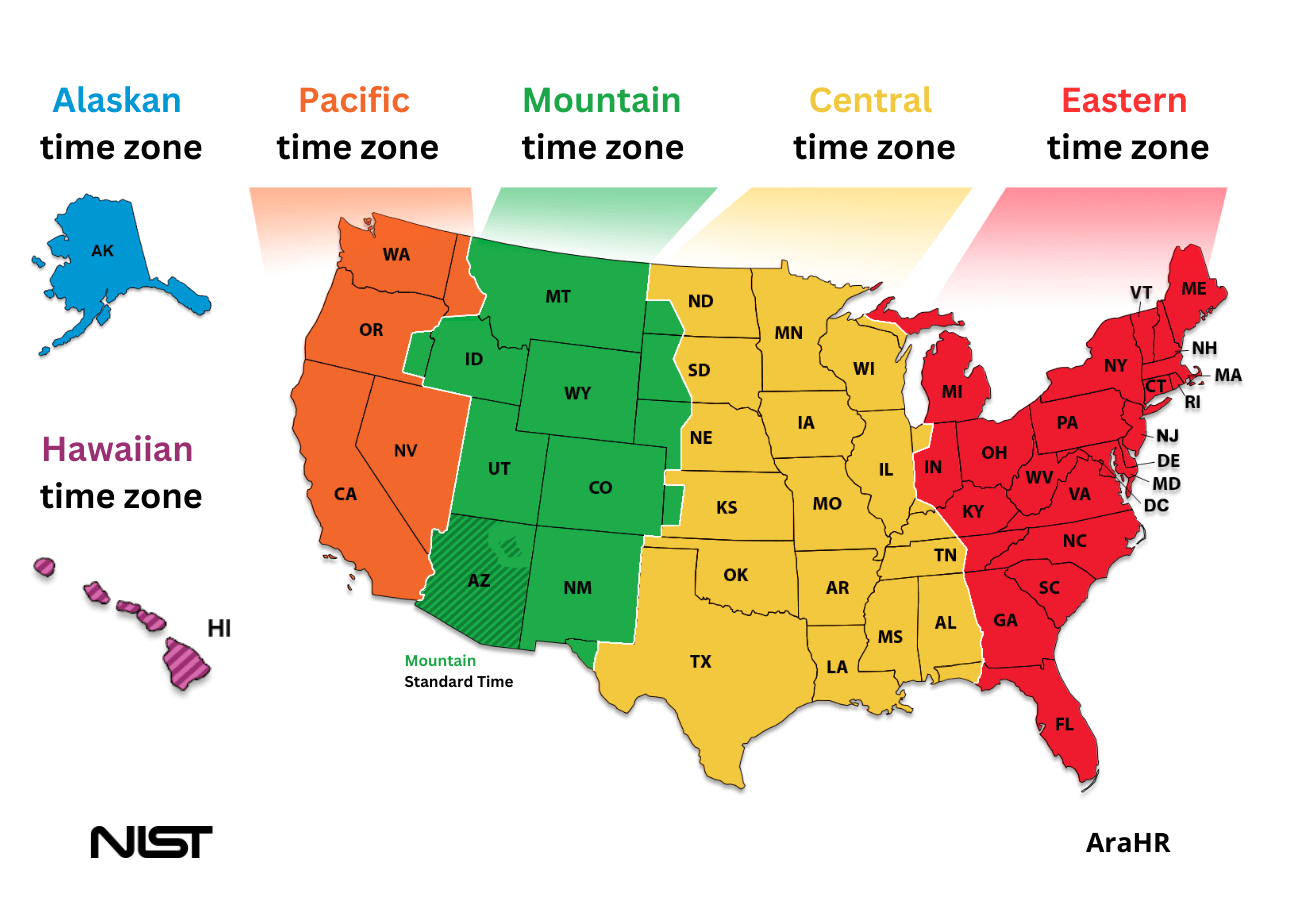
Understanding Time Zones: The Gateway to Your Montana Adventure
The vast geographical expanse of the United States necessitates the division into multiple time zones to align local solar time with human activity. For Montana, being situated in the western half of the contiguous USA, the Mountain Time Zone is its assigned temporal rhythm. This particular time zone plays a pivotal role in planning any travel to the region, influencing not just your personal schedule but also the logistics of your journey and the operations of all tourism-related services.
Mountain Time Zone Explained
The Mountain Time Zone (MT) covers a significant portion of the western United States and Canada, and a part of Mexico. In the USA, states like Colorado, New Mexico, Utah, Wyoming, and parts of Idaho and Arizona (though Arizona does not observe Daylight Saving Time) share this time with Montana. When it’s 12:00 PM noon in New York City (ET), it’s 10:00 AM in Montana. When it’s 12:00 PM in Los Angeles (PT), it’s 1:00 PM in Montana.
This distinction is especially crucial for coordinating flights, virtual meetings for business travelers, or even just calling loved ones back home. Imagine arriving in Bozeman after a long flight from the East Coast – mentally preparing for a two-hour time shift will help mitigate jet lag and ensure you hit the ground running, ready to explore. Furthermore, the observance of Daylight Saving Time means that your watch will ‘spring forward’ by an hour in the spring and ‘fall back’ in the autumn. This period, when Montana operates on Mountain Daylight Time (MDT), brings extended daylight into the evenings, a boon for outdoor activities and evening excursions, which we’ll explore further.
Planning Across Time Zones: Tips for Travelers
For any savvy traveler, understanding and preparing for time zone changes is fundamental.
- Adjust Gradually: If you’re coming from a significantly different time zone, try to adjust your sleep schedule a few days before departure. For example, if you’re traveling west to Montana, try to go to bed an hour later and wake up an hour later each day leading up to your trip.
- Update Your Devices: Ensure your smartphone, tablet, and smartwatches are set to automatically update their time zones. This prevents confusion upon arrival.
- Confirm Booking Times: Always double-check your flight times, hotel check-in/check-out, tour start times, and restaurant reservations in the local Montana time. A common mistake is forgetting the time difference when confirming these details from your home time zone.
- Stay Hydrated: Dehydration can exacerbate jet lag symptoms. Drink plenty of water before, during, and after your flight.
- Embrace the Local Rhythm: Upon arrival, try to immediately adopt the local time. Eat meals at local times, expose yourself to daylight, and resist napping too much during the day. This swift immersion is the best way to acclimate.
By acknowledging and strategizing around Montana’s time zone, you not only avoid common travel pitfalls but also set the stage for a more relaxed and enjoyable visit, allowing you to fully appreciate the vast offerings of this incredible state.
Montana By the Clock: Maximizing Your Visit
The daily rhythm of Montana is dictated by the sun rising over the Rocky Mountains and setting over the vast plains. Understanding how this rhythm aligns with the Mountain Time Zone is key to crafting an itinerary that maximizes your enjoyment of everything from the vibrant cities to the serene wilderness. Your travel lifestyle, whether it’s adventure-focused, culturally immersive, or purely relaxing, will greatly benefit from thoughtful time management.
Morning Adventures and Montana’s Natural Beauty
Early mornings in Montana are often the most magical, particularly if you’re keen on exploring its world-renowned natural landmarks. The crisp air, the golden light, and the reduced crowds create an unparalleled atmosphere for photography, wildlife viewing, and hiking. For instance, planning an early start to Glacier National Park allows you to embark on the iconic Going-to-the-Sun Road before the busiest hours, offering unobstructed views and easier parking at popular trailheads. Imagine hiking a trail like Hidden Lake Overlook as the sun rises, painting the mountains in hues of orange and pink. Similarly, in Yellowstone National Park, which straddles Montana, Wyoming, and Idaho, an early morning visit to see Old Faithful erupt or to witness the colorful majesty of the Grand Prismatic Spring can avoid the afternoon rush, providing a more intimate experience with these natural wonders. Even for fishing enthusiasts, the early hours on rivers like the Gallatin or Madison offer the best chances for a rewarding catch. Many resorts and lodges, such as The Ranch at Rock Creek or Paws Up Resort, offer guided morning excursions tailored to take full advantage of these prime hours, ensuring you don’t miss a beat of Montana’s serene mornings.
Afternoon Exploration: Cities and Culture
As the day progresses, the afternoon in Montana is perfectly suited for urban exploration and delving into the state’s rich history and culture. Cities like Bozeman, Missoula, Helena (the capital), and Billings come alive with bustling main streets, unique boutiques, art galleries, and museums. This is an ideal time to visit the Museum of the Rockies in Bozeman to see impressive dinosaur exhibits, or to stroll through downtown Missoula, perhaps catching a show at a local theater or exploring the University of Montana campus. For history buffs, an afternoon spent in Helena exploring the Montana State Capitol building or the Last Chance Gulch district offers a fascinating glimpse into the state’s past. The afternoon also presents a great opportunity to sample local cuisine, with many restaurants opening for lunch and extending into happy hour, offering a taste of Montana’s culinary scene. Whether you prefer luxury dining in a boutique hotel in Whitefish or a casual meal in a microbrewery in Great Falls, the afternoon provides ample time for these engaging activities.
Evening Delights: Dining and Accommodation
As evening approaches, Montana transitions from adventurous days to cozy, inviting nights. Depending on the season, sunset can range from as early as 4:30 PM in winter to as late as 9:30 PM during summer’s Daylight Saving Time. This variation significantly impacts evening planning. During long summer evenings, activities like stargazing are popular, especially in remote areas away from light pollution. Many ranches and resorts offer evening entertainment, campfires, and gourmet dinners. This is the prime time to indulge in Montana’s culinary offerings, from bison burgers and elk steaks to locally sourced produce and craft beers.
Your choice of accommodation plays a crucial role in your evening experience. From the rustic charm of a cabin in West Yellowstone to the opulent comfort of a luxury resort like Big Sky Resort, or a cozy bed and breakfast in Kalispell, options abound. Many hotels and resorts feature exquisite restaurants, bars, and lounges, making them ideal for unwinding after a day of exploration. Consider booking accommodations that offer amenities like hot tubs or spa services for ultimate relaxation. Reviewing amenities and guest feedback on websites dedicated to accommodation reviews can help you choose the perfect spot for your evening retreat. The serene evenings in Montana, under a canopy of stars, are often the perfect conclusion to a day filled with adventure and discovery.
Beyond the Hour Hand: Montana Travel and Lifestyle Considerations
While knowing the time in Montana is essential, true mastery of your travel experience extends to understanding how time intertwines with broader travel and lifestyle elements. From selecting the ideal place to stay to choosing the best season for your visit, these decisions are inherently linked to the temporal aspects of your journey in Big Sky Country.
Choosing Your Accommodation in Big Sky Country
Montana offers a diverse range of accommodation options, catering to every traveler’s lifestyle and budget. The time of year, naturally, plays a significant role in availability and pricing. During peak seasons, such as summer (June to August) for national parks or winter (December to March) for ski resorts like Big Sky Resort and Whitefish Mountain Resort, booking well in advance is crucial.
- Hotels & Suites: In cities like Bozeman, Missoula, and Billings, you’ll find a wide selection of chain hotels and independent boutique hotels. These often provide modern amenities, business facilities for corporate travelers, and convenient access to urban attractions.
- Resorts & Lodges: For those seeking an immersive experience, Montana’s luxury resorts and dude ranches (e.g., The Ranch at Rock Creek, Paws Up Resort) offer all-inclusive packages, guided activities, and exceptional service. These are perfect for luxury travel, family trips, or romantic getaways.
- Vacation Rentals & Apartments: For longer stays, groups, or those preferring a home-away-from-home feel, rentals near popular areas like Flathead Lake or Big Sky are excellent choices. Websites specializing in accommodation booking allow for easy comparison and review of options.
- Camping & Glamping: To truly connect with Montana’s wilderness, camping in designated campgrounds within national parks or national forests is an unforgettable experience. For a more comfortable outdoor stay, glamping offers luxury tents with amenities.
Remember to consider the check-in and check-out times, which are always in Mountain Time, when making your arrangements. An early morning flight might mean needing to book an extra night or arranging for late check-out to avoid rushing.
Seasonal Travel and its Impact on Your Schedule
Montana’s diverse climate means that each season offers a distinct experience, significantly influencing your daily schedule and the type of activities available.
- Summer (June-August): This is peak tourism season. Long daylight hours (thanks to MDT) mean more time for hiking, fishing, rafting, and exploring national parks. Popular attractions will have extended hours, but also larger crowds. Early starts are essential to beat the rush.
- Autumn (September-November): Known for stunning fall foliage and fewer crowds, autumn offers a more tranquil experience. Daylight hours shorten, so plan your outdoor activities to conclude before dusk. Fishing and wildlife viewing are excellent during this time.
- Winter (December-March): Montana transforms into a winter wonderland, ideal for skiing, snowboarding, and snowmobiling. Daylight is shortest, typically from 8 AM to 5 PM, meaning early starts for slope access and more emphasis on cozy evening activities. Many smaller towns and resorts celebrate the festive season with special events and accommodation deals.
- Spring (April-May): A shoulder season, spring brings melting snow and blooming wildflowers. It’s a great time for budget travel with fewer crowds, but some higher elevation roads and trails might still be closed due to snow. Daylight Saving Time begins in March, offering gradually longer evenings for exploration.
Regardless of when you visit, consulting a local calendar for sunrise/sunset times and holiday schedules will further refine your itinerary. Understanding these seasonal rhythms, combined with knowledge of the Mountain Time Zone, empowers you to curate a truly unforgettable Montana adventure tailored to your personal lifestyle and interests.

Iconic Montana Landmarks and Experiences, Timed to Perfection
Montana’s appeal lies in its breathtaking landmarks and the authentic experiences they offer. From the pristine wilderness to historically significant sites, each destination demands a well-timed visit to fully appreciate its grandeur. Your strategic use of Mountain Time will unlock the best of these iconic attractions.
Glacier National Park and the Crown of the Continent
Often referred to as the “Crown of the Continent,” Glacier National Park is a testament to Montana’s unparalleled natural beauty. Timing is everything when visiting this UNESCO World Heritage Site. The famous Going-to-the-Sun Road, a marvel of engineering, typically opens completely by late June or early July, remaining accessible until mid-October, weather permitting. Planning your visit within this window, preferably with an early start (7-8 AM MDT), allows for optimal drive times, photo opportunities, and access to popular trailheads like Logan Pass and Lake McDonald. Rangers host interpretive programs throughout the day, and consulting the park’s schedule, always in local Montana time, is crucial for participating in guided hikes or evening talks. Consider accommodation in nearby West Glacier, East Glacier Park Village, or Whitefish to maximize your time within the park, ensuring you’re close enough for those early morning starts.

Yellowstone National Park and its Geothermal Wonders
Spanning parts of Montana, Wyoming, and Idaho, Yellowstone National Park is a geological marvel, home to iconic features like Old Faithful, the Grand Prismatic Spring, and the Grand Canyon of the Yellowstone. The park operates on Mountain Time Zone. To witness Old Faithful’s eruptions without significant crowds, plan your visit for very early morning or late afternoon, as eruption times are predicted and posted. Many of the geysers and hot springs are best viewed in the morning light when steam creates dramatic effects, and before the sun is directly overhead, causing glare. Staying in gateway towns like West Yellowstone, Gardiner, or Cooke City (all in Montana) provides convenient access, allowing you to enter the park as soon as gates open, maximizing your daylight hours for exploration. Park visitor centers and ranger stations provide up-to-the-minute information on predicted eruption times and road conditions, which are critical for navigating this vast park effectively.
Historic Cities and Cultural Trails
Beyond the wilderness, Montana is steeped in history and culture, evident in its charming historic cities and significant cultural trails.
- Bozeman: Known for its proximity to world-class skiing at Big Sky Resort and its vibrant downtown, Bozeman also offers the renowned Museum of the Rockies, a must-visit for dinosaur enthusiasts. Plan a visit here in the mid-morning to avoid school groups and enjoy a leisurely lunch afterwards.
- Helena: The state capital, Helena, boasts the stunning Montana State Capitol and the Historic Walking Mall (formerly Last Chance Gulch). A guided tour of the Capitol is best taken in the late morning, followed by an afternoon exploring the historic architecture and local shops.
- Lewis and Clark National Historic Trail: Follow in the footsteps of explorers Meriwether Lewis and William Clark along this expansive trail. Visiting interpretive centers and landmarks like the Great Falls of the Missouri River (near the city of Great Falls) is best done during daylight hours, allowing ample time for reading exhibits and enjoying the scenic views.
When exploring these cultural destinations, always check their specific operating hours, which will be published in local Mountain Time. Whether you’re seeking rugged adventure, urban exploration, or a deep dive into history, a well-timed itinerary is your best tool for experiencing the best of Montana.
In conclusion, understanding “What Time Is It In Montana USA?” is far more than a simple inquiry about the hour. It’s the starting point for meticulous travel planning, a critical factor in accommodation choices, and an essential component of maximizing your tourism adventures. By factoring in the Mountain Time Zone and its Daylight Saving Time shifts, along with seasonal variations, you can craft a seamless and enriching lifestyle experience in Big Sky Country, ensuring every moment spent among Montana’s majestic landmarks is truly unforgettable. Enjoy your perfectly timed journey!