
Planning a trip to the Land of Enchantment, New Mexico? From the moment you begin envisioning your adventure, practical considerations like flight schedules, opening hours for attractions, and even meal times start to shape your itinerary. One fundamental aspect that often goes overlooked until the last minute, but can significantly impact your experience, is understanding the local time zone. For travelers originating from different parts of the globe or even other regions of the United States, a clear grasp of “what time it is in New Mexico” is crucial for seamless travel, efficient bookings, and a truly immersive experience of local culture and lifestyle.
New Mexico stands unique with its blend of rich history, vibrant arts, stunning natural landscapes, and diverse culinary scene. Whether you’re planning to explore ancient pueblos, hike in vast deserts, ski in majestic mountains, or indulge in spicy regional cuisine, every activity is governed by the rhythm of local time. Understanding this rhythm isn’t just about avoiding missed appointments; it’s about aligning with the pace of life in this captivating state, ensuring you make the most of every precious moment.
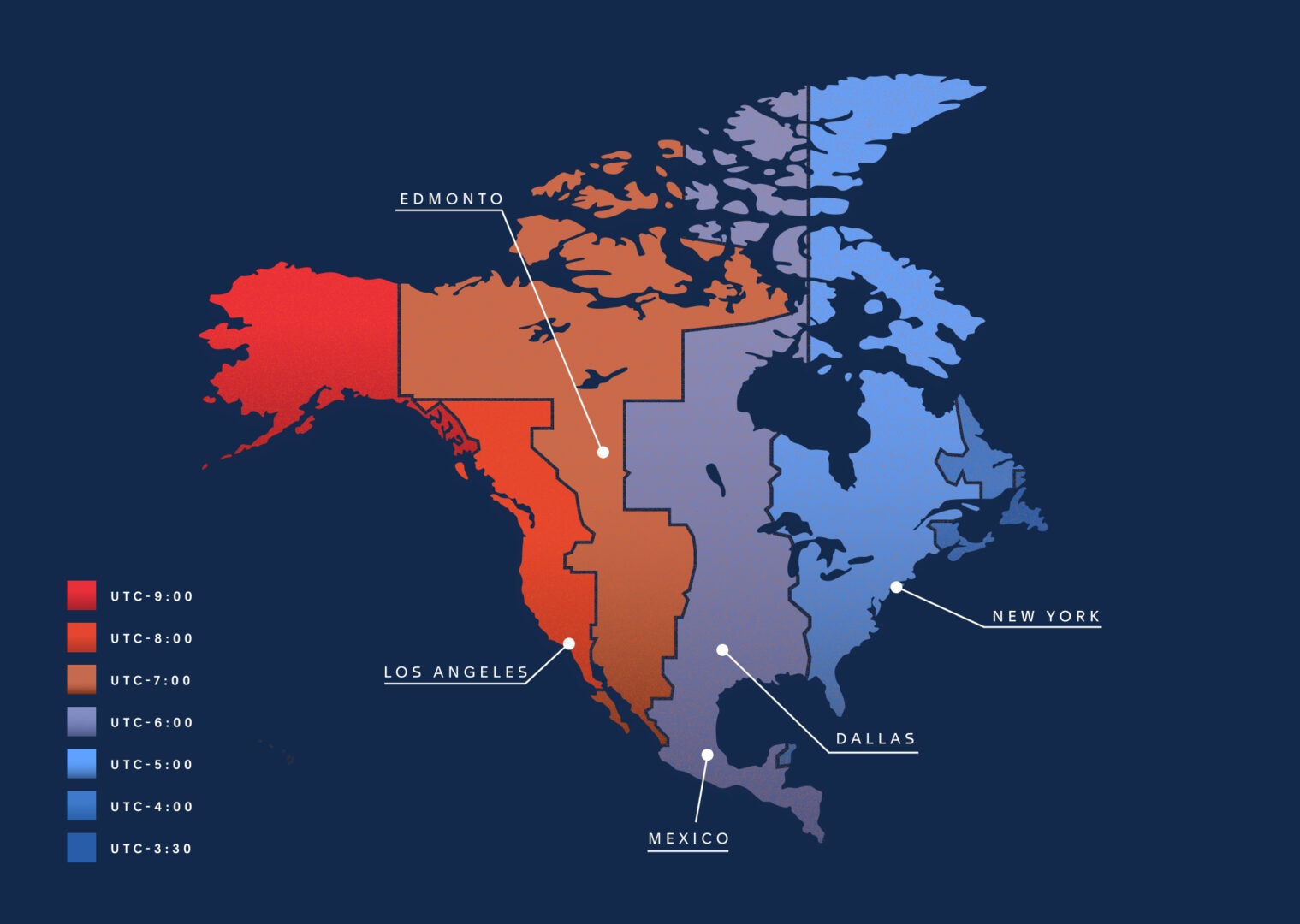
Understanding New Mexico’s Time Zone: Mountain Time All Year Round
At its core, understanding the time in New Mexico is straightforward: the entire state operates on Mountain Time. However, like most of the United States, New Mexico observes Daylight Saving Time, which means the exact offset from Coordinated Universal Time (UTC) changes twice a year.
Mountain Standard Time (MST) and Mountain Daylight Time (MDT) Explained
Throughout the cooler months, typically from early November to mid-March, New Mexico observes Mountain Standard Time (MST). This means the local time is seven hours behind Coordinated Universal Time (UTC-7). During this period, when it’s noon UTC, it’s 5:00 AM MST in New Mexico.
When spring arrives, usually on the second Sunday in March, [New Mexico](https://lifeoutofthebox.com/new-mexico] “springs forward” for Daylight Saving Time. At this point, the state switches to Mountain Daylight Time (MDT), which is six hours behind Coordinated Universal Time (UTC-6). This shift grants an extra hour of daylight in the evenings, perfect for outdoor explorations and enjoying New Mexico’s stunning sunsets. The state then “falls back” to Mountain Standard Time on the first Sunday in November.
Crucially, the entire state of New Mexico adheres to this consistent time zone, so you won’t encounter any internal time zone changes as you traverse its diverse landscapes, unlike some other large states. This uniformity simplifies planning immensely, whether you’re driving from Albuquerque to Santa Fe or venturing further south to Carlsbad Caverns National Park.

Why Time Zones Matter for Travelers
For travelers, understanding New Mexico’s time zone is more than just a trivial detail; it’s a cornerstone of effective trip planning. The most immediate impact is on your body clock. If you’re arriving from the East Coast of the United States, you’ll be setting your clock back two hours, potentially experiencing a mild form of jet lag. From the West Coast, you’ll move forward one hour. International travelers, of course, face more significant adjustments.
Beyond personal comfort, timing dictates practically every aspect of your trip. Flight arrivals and departures at airports like Albuquerque International Sunport or Santa Fe Municipal Airport are scheduled in local time. Missing an early morning tour because you forgot to adjust your watch can lead to disappointment and lost deposits. Furthermore, confirming reservation times for hotels, tours, and dining experiences in advance, and aligning them with the local time, is paramount to a smooth journey. Even something as simple as calling ahead to a restaurant or checking the hours of a small town museum requires an awareness of the current local time in New Mexico.
Planning Your New Mexico Adventure: Time-Sensitive Travel Tips
With a clear understanding of New Mexico’s time zone, you can now optimize your travel plans, ensuring every moment of your exploration is well-spent and free from timing mishaps.
Optimizing Your Itinerary and Booking Accommodations
Successful travel planning begins with a well-structured itinerary. When arranging your flights, always double-check the arrival and departure times against your originating time zone and [New Mexico](https://Mountain Time](https://lifeoutofthebox.com/mountain-time). Arriving mid-day can give you time to settle into your accommodation and gently adjust, whereas a late-night arrival might require specific plans for transportation and check-in with your chosen hotel, resort, or rental.
When booking your accommodation, remember that standard check-in times are usually in the afternoon (e.g., 3:00 PM or 4:00 PM local time) and check-out is in the late morning (e.g., 11:00 AM or 12:00 PM local time). If your flight arrives early, inquire about early check-in options with your hotel or resort, such as the historic Hotel St. Francis in Santa Fe or the luxurious Hyatt Regency Tamaya Resort & Spa near Albuquerque. Conversely, if you have a late flight, ask about late check-out or luggage storage services. This attention to detail ensures you’re not left waiting or scrambling with your belongings. Many resorts and high-end hotels, particularly those focused on luxury travel like Rosewood Inn of the Anasazi, are adept at accommodating such requests, often making it a part of their premium service. Even budget travel options like various apartments or boutique inns will typically offer solutions if you communicate your needs in advance.
Furthermore, many of New Mexico’s most popular events and activities are time-sensitive and require advance booking. For example, the spectacular Albuquerque International Balloon Fiesta takes place with early morning launches, making punctuality, aligned with local time, absolutely essential. Similarly, guided tours of sites like Chaco Culture National Historical Park or unique experiences like soaking at Ojo Caliente Mineral Springs Resort & Spa will have specific start times that you must honor. During winter, hitting the slopes at Ski Santa Fe or Taos Ski Valley means adhering to their lift operating hours, which are, of course, based on Mountain Time.

Exploring New Mexico’s Iconic Landmarks and Attractions
New Mexico is replete with captivating landmarks and attractions, each with its own operating hours dictated by local time. A little foresight regarding these schedules can significantly enhance your sightseeing.
For natural wonders:
- Carlsbad Caverns National Park: The visitor center and cave entrance have specific opening and closing times, which can vary seasonally. Check their official website for the most up-to-date schedule to ensure you have ample time to explore its majestic underground formations.
- White Sands National Park: Famous for its pristine gypsum dunes, the park entrance gate and scenic drive also operate on a schedule, with closing times that depend on sunset, especially during missile range tests (which are also time-dependent). Planning your visit to include a sunset stroll is highly recommended, but ensure you exit before closing.
- Bandelier National Monument: Home to ancient pueblo dwellings, this site has specific hours for its visitor center and loop trail. Arriving early can help you avoid crowds and enjoy the serenity of the cliff dwellings.
For cultural and historical sites:
- Georgia O’Keeffe Museum in Santa Fe: Art museums generally have consistent hours, but it’s always wise to confirm, especially for special exhibitions or holiday schedules.
- Palace of the Governors on the Santa Fe Plaza: As the oldest continuously occupied public building in the United States, its rich history is best explored during open hours. Don’t forget to account for the time it takes to absorb its significance.
- Old Town Albuquerque: While the district itself is always accessible, the numerous shops, galleries, and restaurants within it will operate on typical business hours, generally from late morning to early evening. Planning your visit for a weekday afternoon might offer a more relaxed experience compared to a bustling weekend.
Outdoor activities like hiking, photography, or simply enjoying the vast New Mexico vistas are also tied to the clock. Sunrise and sunset provide breathtaking natural light for photographers and are popular times for outdoor enthusiasts. Knowing when these occur in Mountain Time allows you to plan accordingly, whether you’re catching the first light over the Sandia Mountains or witnessing the vibrant hues of a desert sunset.
Embracing the New Mexico Lifestyle: Time, Culture, and Culinary Experiences
Beyond the practicalities of travel and sightseeing, understanding New Mexico’s time zone helps you immerse yourself more fully in the local culture and lifestyle. The pace of life in the Land of Enchantment, particularly in its charming towns and cities, is often a refreshing contrast to the hustle and bustle of larger metropolitan areas.
Dining and Local Events
New Mexico’s culinary scene is a highlight for many visitors, celebrated for its unique blend of Native American, Spanish, and Anglo influences. Traditional dining hours in cities like Santa Fe, Albuquerque, and Taos typically involve lunch service from around 11:00 AM to 2:00 PM and dinner service starting around 5:00 PM or 5:30 PM, extending into the evening. Reservations, especially for popular establishments or during peak season, are highly recommended and, of course, must be made and honored according to local Mountain Time.
Beyond restaurants, New Mexico is rich with local events, markets, and festivals that offer a deep dive into its unique heritage. From farmers’ markets showcasing local produce to art gallery openings in Canyon Road or Meow Wolf Santa Fe exhibitions, these happenings have specific schedules. Checking local event calendars and confirming timings will ensure you don’t miss out on authentic experiences, whether it’s a traditional pueblo dance or a vibrant chile harvest festival. Engaging with tourism information centers upon arrival can provide real-time updates on local happenings.
The pace of life in New Mexico can feel slightly slower and more deliberate than in other parts of the country. This isn’t a lack of efficiency but rather an embrace of a more relaxed, present-focused existence, particularly outside the major urban centers. Being mindful of this slower rhythm, and allowing yourself to settle into it, can greatly enhance your overall experience. Don’t rush; take your time to savor a meal, linger in a gallery, or simply watch the clouds drift over the desert.
Adjusting to the Time: Tips for a Seamless Experience
To ensure your body clock aligns smoothly with New Mexico’s Mountain Time, consider these tips:
- Pre-Adjust Gradually: If possible, start shifting your sleep schedule a day or two before your trip. Go to bed and wake up earlier (if coming from the West) or later (if coming from the East) to ease the transition.
- Hydrate, Hydrate, Hydrate: New Mexico is largely high desert, and dehydration can exacerbate jet lag symptoms. Drink plenty of water, especially during your flight and upon arrival.
- Embrace Sunlight: Upon arrival, try to spend time outdoors in the natural light, especially in the morning. This helps reset your circadian rhythm. If you arrive during the day, resist the urge to nap for too long.
- Stay Active: Light exercise or a walk can help combat fatigue and promote better sleep at night. Explore your surroundings, perhaps with a stroll around your hotel’s grounds or a nearby park.
- Utilize Technology: Your smartphone will automatically update to local time, but it’s always good to manually check and adjust any other watches or clocks you might be carrying. Time zone converter apps can also be helpful for planning calls back home.
- Plan Buffer Time: Don’t overschedule your first day. Allow for some flexibility and downtime to adjust to the new time and altitude, which can sometimes be a factor in New Mexico’s higher elevations like Santa Fe or Taos.
In conclusion, knowing “what time it is in New Mexico” is more than just a matter of checking your watch; it’s a fundamental aspect of planning, experiencing, and truly enjoying the richness of this incredible destination. From coordinating your flight to exploring ancient landmarks and savoring local cuisine, every aspect of your journey will align with the rhythm of Mountain Time. By understanding and embracing this temporal context, you’re setting the stage for an unforgettable travel experience in the Land of Enchantment. So, go ahead, set your clock, and prepare to be captivated by the timeless allure of New Mexico.