
Planning a trip to the vibrant city of New Orleans, Louisiana, is an exciting endeavor filled with dreams of jazz music, historical architecture, and unparalleled culinary experiences. But before you dive into the heart of the Big Easy – a city renowned for its round-the-clock energy – a fundamental question often arises for travelers: “What time is it in New Orleans, LA?” Understanding the local time zone is more than just a trivial detail; it’s a crucial component of seamless travel planning, from coordinating flight arrivals and hotel check-ins to maximizing your sightseeing and dining reservations.
New Orleans operates on Central Time (CT). Specifically, this means observing Central Standard Time (CST) during the fall and winter months, and Central Daylight Time (CDT) in the spring and summer. This guide will not only clarify the current time in New Orleans but also delve into how this knowledge can enhance every aspect of your visit, ensuring you make the most of every precious moment in this enchanting destination.
Understanding New Orleans’ Time Zone
For travelers venturing into New Orleans, grasping the specifics of its time zone is the first step toward a well-orchestrated journey. The city’s position within the Central Time Zone dictates how it aligns with global time standards and, importantly, how you’ll need to adjust your internal clock.
Central Standard Time (CST) and Central Daylight Time (CDT)
New Orleans, like much of the central United States, observes Central Time. This means that for roughly half the year, from early November to mid-March, the city is on Central Standard Time (CST), which is six hours behind Coordinated Universal Time (UTC-6). During the spring and summer months, typically from mid-March to early November, New Orleans switches to Central Daylight Time (CDT), moving one hour forward to UTC-5.
The transition to Daylight Saving Time usually occurs on the second Sunday in March, when clocks “spring forward” one hour. Conversely, they “fall back” one hour on the first Sunday in November, returning to standard time. Keeping these biannual shifts in mind is crucial, especially if your travel dates fall close to these transitions. A slight miscalculation could mean missing a flight, a tour, or an important dinner reservation. Always double-check the current local time relative to your departure point to ensure accurate planning. Many smart devices automatically adjust, but it’s always wise to confirm, particularly for those coming from international locations or states that do not observe Daylight Saving Time.
Impact on Travel Planning
The time difference can have a significant impact on your travel experience, extending beyond just knowing what time it is upon arrival. For travelers arriving from different time zones, particularly those crossing multiple zones, the concept of jet lag becomes a real consideration. Adjusting to New Orleans’ pace, which, ironically, often feels timeless, can be easier if you plan for it.
For instance, international travelers from Europe or Asia will experience a substantial time shift, requiring a day or two to fully acclimate. Scheduling your arrival for earlier in the day might allow for a brief rest before venturing out. Similarly, early morning flights from the East Coast of the United States (Eastern Time, ET) will mean arriving in New Orleans (CT) even earlier by local time, potentially giving you more leisure time on your first day. Conversely, flying west from Pacific Time (PT) to Central Time will see you “losing” hours, making a late afternoon arrival feel even later.
Beyond personal adjustment, understanding the time zone affects practicalities such as coordinating with local guides, confirming restaurant bookings, and scheduling tours or transportation. If you’re planning a business trip, aligning meeting schedules with different office locations across the country or globe becomes a critical task. For those visiting during popular festivals like Mardi Gras or the New Orleans Jazz & Heritage Festival, every moment is precious, and time zone awareness ensures you don’t miss out on the parades, concerts, or culinary events that make these experiences so unique. A thoughtful approach to time zone differences ensures a smoother, more enjoyable, and ultimately more fulfilling visit to New Orleans.
Maximizing Your Time in the Big Easy
With a clear understanding of the local time in New Orleans, you can now focus on crafting an itinerary that maximizes every moment in this captivating city. New Orleans offers a treasure trove of experiences, from historic landmarks to an unparalleled food scene and vibrant cultural traditions. Strategic planning, considering operating hours, peak times, and travel logistics, is key to unlocking its full potential.
Iconic Landmarks and Attractions
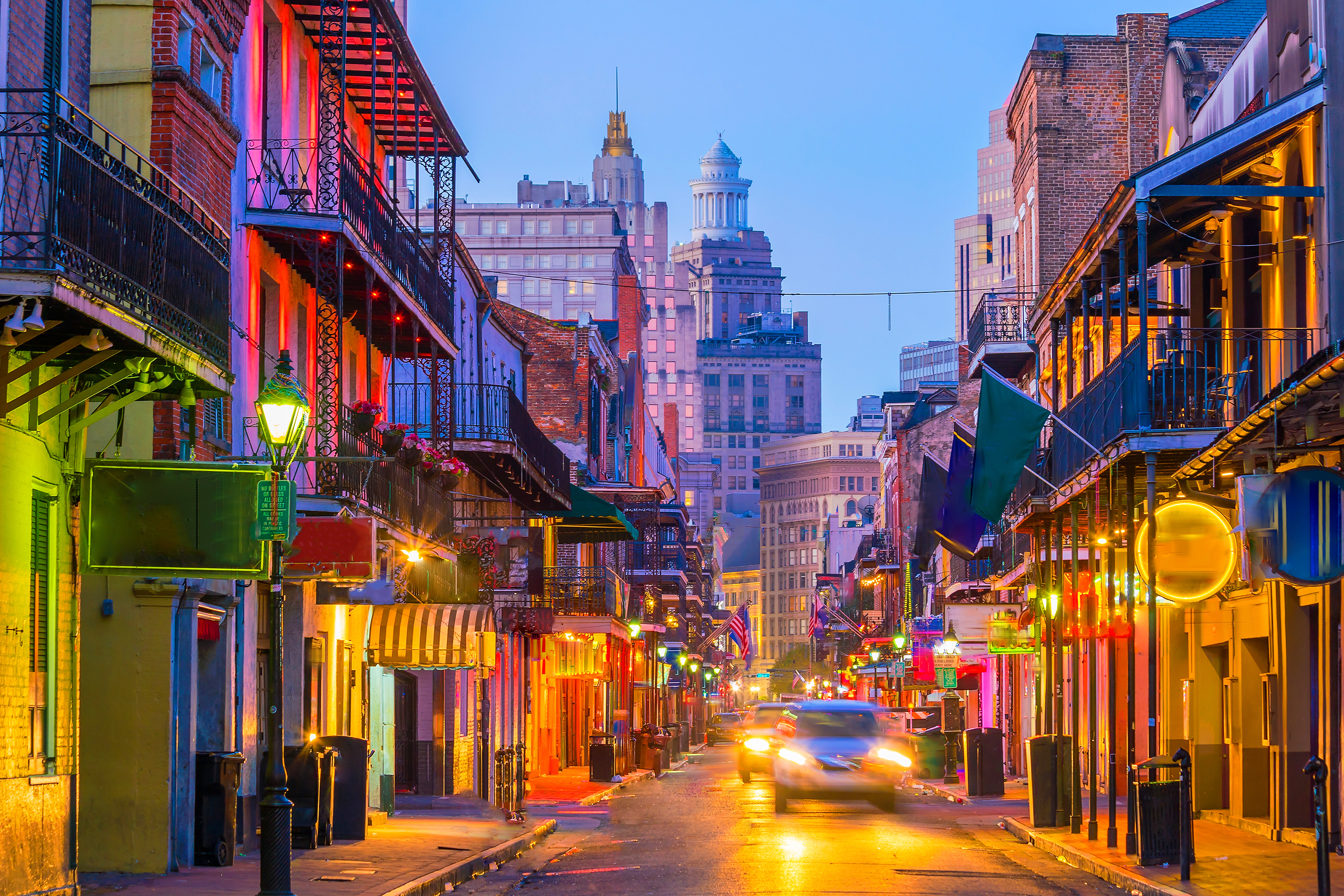
New Orleans is rich with landmarks that tell tales of its storied past and present vibrancy. The historic French Quarter is often the first stop for visitors, a labyrinth of narrow streets, wrought-iron balconies, and colorful buildings. Within it, Jackson Square stands as a testament to history, fronted by the majestic St. Louis Cathedral. These sites are best visited in the morning to avoid the largest crowds, particularly during peak tourist seasons. Afterward, a stroll down Bourbon Street during the day offers a different perspective than its lively nightlife.
Beyond the French Quarter, the elegant Garden District showcases stunning antebellum mansions and lush greenery. Guided walking tours, often starting in the late morning, are an excellent way to explore this area’s architecture and history. For history buffs, the National WWII Museum is a must-see, and with extensive exhibits, it often requires several hours, if not a full day. Checking their opening and closing times, and potentially booking tickets in advance, can save valuable time. Families will appreciate attractions like the Audubon Zoo and the Audubon Aquarium of the Americas, which are typically open during standard daytime hours.
Consider a scenic cruise on the Mississippi River aboard a historic steamboat, like the Steamboat Natchez. These cruises often have fixed departure times for lunch or dinner, making pre-booking essential to secure your spot. Whether you’re exploring the voodoo shops, art galleries, or historic cemeteries, being mindful of time ensures you can fit in all the iconic sights without feeling rushed.
Culinary Delights and Local Culture
New Orleans’ reputation as a culinary mecca and a cultural hotspot is well-deserved, and experiencing it fully requires strategic timing. Food is central to the New Orleans experience. From savoring a bowl of rich gumbo or spicy jambalaya to indulging in flaky beignets at Café Du Monde, the city offers a feast for the senses. Many popular restaurants, especially those offering traditional Creole and Cajun cuisine, often require reservations, sometimes weeks in advance, particularly for dinner. Brunch, a beloved New Orleans tradition, can also draw long lines, so consider booking or arriving early.
The vibrant music scene, particularly live jazz and blues, is another cornerstone of New Orleans culture. Music clubs on Frenchmen Street typically come alive in the evening, with sets often starting around 7 PM or 8 PM and continuing late into the night. Planning your dinner around these showtimes allows for a seamless transition from a delicious meal to an evening of soulful melodies.

Attending one of New Orleans’ world-famous festivals, such as Mardi Gras in late winter or the New Orleans Jazz & Heritage Festival in late spring, is an unforgettable cultural immersion. These events have their own specific schedules, often involving parades at certain times of day, or stages with continuous musical acts. Timing your visit to coincide with these festivals requires careful planning, including booking accommodations and transportation well in advance, as the city experiences a significant surge in visitors. By integrating local dining and cultural experiences into your schedule with a keen eye on time, you’ll uncover the authentic heartbeat of New Orleans.
Accommodation and Lifestyle Choices in New Orleans
Having clarified the time zone and crafted an itinerary of attractions and cultural experiences, the next crucial step in planning your New Orleans adventure involves choosing the perfect accommodation and tailoring your trip to your preferred lifestyle. The city boasts a diverse range of lodging options, catering to every taste, budget, and travel style, ensuring your stay is as comfortable and convenient as it is memorable.
Choosing Your Stay: Hotels, Resorts, and More
New Orleans’ accommodation landscape is as varied and colorful as its neighborhoods. For those seeking luxury, the city delivers with opulent hotels like The Roosevelt New Orleans, A Waldorf Astoria Hotel, famous for its grand lobby and history, or the iconic Hotel Monteleone with its celebrated Carousel Bar. These establishments offer top-tier amenities, including spas, fine dining restaurants, and concierge services, ensuring a lavish experience.
Boutique hotels are also a highlight, providing unique charm and personalized service. Properties such as Hotel Peter and Paul, housed in a converted church, schoolhouse, convent, and rectory, or The Chloe in the Garden District, offer distinctive aesthetics and an intimate atmosphere. For budget-conscious travelers, New Orleans offers a range of affordable options, from well-regarded hostels in the Central Business District to charming guesthouses in areas like Faubourg Marigny or the Bywater. These often provide a more local experience, allowing travelers to immerse themselves deeper into neighborhood life.
Beyond traditional hotels, visitors can also find apartments, villas, and vacation rentals through various platforms. These options are particularly suitable for longer stays, families, or groups, offering more space, kitchen facilities, and a sense of home away from home. When booking, consider the location relative to the attractions you plan to visit, transportation options, and the specific amenities that matter most to you, whether it’s a swimming pool, fitness center, or pet-friendly policies. Reading reviews and comparing prices on dedicated accommodation websites is always recommended to find the best fit for your needs.
Tailoring Your Trip: Lifestyle Travel
The beauty of New Orleans lies in its versatility, allowing it to cater to almost any travel lifestyle.
For Luxury Travel, envision private tours of historic mansions, exclusive tables at award-winning restaurants like Commander’s Palace or Galatoire’s, and stays in five-star suites. These experiences prioritize comfort, exclusivity, and impeccable service, turning a trip into an indulgence.
Budget Travel in New Orleans doesn’t mean compromising on experience. It means exploring the city’s many free attractions, such as wandering through the French Quarter, enjoying street performers, or picnicking in City Park. Dining at local delis for a po’boy or grabbing inexpensive beignets offers authentic flavors without breaking the bank. Public transportation, like the historic streetcars, is also an economical and charming way to get around.
Family Trips to New Orleans can be incredibly enriching. Beyond the Audubon Zoo and Aquarium, kids will love ghost tours (some tailored for families), riding the St. Charles Avenue Streetcar, and exploring the vast green spaces. Many hotels offer family suites and kid-friendly amenities.
Business Stays often center around the Ernest N. Morial Convention Center or hotels in the Central Business District. These accommodations typically provide business facilities, high-speed internet, and easy access to transportation. Even during a business trip, squeezing in a taste of local culture and cuisine can make the experience far more enjoyable.
For Romantic Getaways, New Orleans provides a magical backdrop. Imagine moonlit carriage rides through the French Quarter, intimate dinners in candlelit courtyards, and live jazz performances in cozy clubs. Boutique hotels with charming courtyards and balconies perfect for a quiet moment are ideal choices.
Regardless of your chosen lifestyle, New Orleans welcomes all with its unique blend of history, culture, and hospitality. By considering the local time in your planning and selecting accommodation and activities that align with your travel style, you are set to embark on an unforgettable journey.
In conclusion, understanding that New Orleans, LA, operates on Central Time – specifically CST or CDT depending on the season – is the foundational piece of information for any traveler. This knowledge extends beyond merely setting your watch; it empowers you to meticulously plan your itinerary, from coordinating arrivals and bookings to fully immersing yourself in the city’s iconic landmarks, vibrant culinary scene, and rich cultural tapestry. Whether you’re seeking luxury, adventure, family fun, or a romantic escape, New Orleans has something extraordinary to offer. By carefully considering the impact of time zones and thoughtfully selecting your accommodation and activities, you ensure that every precious moment of your trip to the Big Easy is maximized, creating memories that will last a lifetime. So, adjust your clocks, prepare your senses, and get ready to experience the timeless magic of New Orleans.
LifeOutOfTheBox is a participant in the Amazon Services LLC Associates Program, an affiliate advertising program designed to provide a means for sites to earn advertising fees by advertising and linking to Amazon.com. Amazon, the Amazon logo, AmazonSupply, and the AmazonSupply logo are trademarks of Amazon.com, Inc. or its affiliates. As an Amazon Associate we earn affiliate commissions from qualifying purchases.