
Embarking on a journey, whether for leisure or business, often involves meticulous planning, from mapping out destinations and securing accommodations to understanding local customs and, critically, navigating time zones. When it comes to the vast and captivating state of North Dakota, the question “What time is it in North Dakota?” isn’t as straightforward as it might seem. This remarkable state, known for its sprawling prairies, rich history, and vibrant communities, straddles two distinct time zones, a detail that astute travelers must consider for a seamless and enjoyable experience.
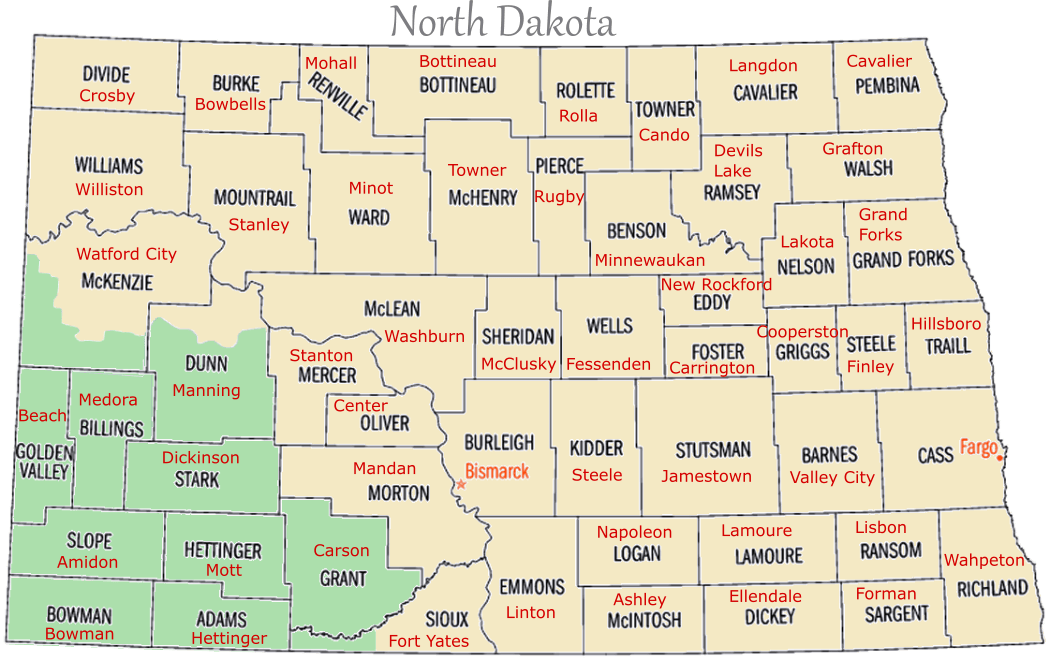
North Dakota is primarily located within the Central Time Zone (CT), which observes Central Daylight Time (CDT) during Daylight Saving Time and Central Standard Time (CST) outside of it. However, the westernmost part of the state operates on Mountain Time Zone (MT), observing Mountain Daylight Time (MDT) and Mountain Standard Time (MST) accordingly. This geographical split introduces a layer of complexity for visitors, particularly those planning a comprehensive tour across the state or making time-sensitive arrangements. Understanding this nuance is not just about knowing the current hour; it’s about optimizing your travel itinerary, ensuring you arrive on time for tours, flights, and dinner reservations, and making the most of every precious moment in the Peace Garden State.
Beyond the ticking clock, North Dakota beckons with a wealth of experiences tailored for every type of traveler. From the bustling urban centers of the east to the rugged badlands of the west, the state offers a unique blend of natural beauty, historical landmarks, and contemporary culture. Whether you’re seeking a luxurious retreat, a budget-friendly family adventure, or an immersive cultural exploration, North Dakota has something to offer. This guide will delve into the intricacies of North Dakota’s time zones, provide practical advice for navigating them, and highlight the diverse attractions, accommodations, and lifestyle experiences that make this often-overlooked gem a truly rewarding destination.
Navigating North Dakota’s Time Zones: A Traveler’s Guide
For travelers traversing North Dakota, the state’s dual time zones represent more than just a minor inconvenience; they are a crucial element of travel planning. Ignoring this detail can lead to missed connections, late arrivals, or simply confusion. A little forethought can ensure your North Dakota adventure unfolds smoothly, allowing you to fully immerse yourself in its landscapes and hospitality.
Understanding the Split: Central vs. Mountain Time
The majority of North Dakota operates on Central Time. This includes major cities and popular tourist hubs like Fargo, Grand Forks, and the state capital, Bismarck. If your itinerary focuses on the eastern and central regions of the state, you’ll predominantly be following Central Time. During Daylight Saving Time, which typically runs from March to November, these areas observe CDT (UTC-5); otherwise, it’s CST (UTC-6).
However, a significant portion of western North Dakota adheres to Mountain Time. This western boundary roughly follows the Missouri River and extends to the Montana border. Key destinations in this zone include the charming badlands town of Medora and the oil-rich city of Williston. When Daylight Saving Time is in effect, these areas switch to MDT (UTC-6); otherwise, they are on MST (UTC-7). This means that during much of the year, the Mountain Time Zone in North Dakota is one hour behind the Central Time Zone.
The official dividing line is primarily defined by county boundaries. For instance, counties like Mercer, Oliver, and Morton are largely in Central Time, while counties further west such as Billings, Golden Valley, and Williams fall into Mountain Time. Always double-check the specific location of your destination.
Practical Tips for Time Zone Transitions
Navigating North Dakota’s time zones effectively requires a few practical considerations:
- Check Your Itinerary: Before traveling, meticulously review all flight arrival and departure times, hotel check-in/check-out times, tour schedules, and dinner reservations. Confirm which time zone each booking is based in. Airlines and major booking platforms are usually good about displaying local times, but it never hurts to verify.
- Mobile Device Auto-Updates: Most smartphones and electronic devices will automatically update to the correct local time when you cross a time zone boundary, especially if location services are enabled. However, it’s wise to double-check this feature or manually adjust your device settings as a backup.
- Physical Clocks and Watches: If you rely on a traditional watch or car clock, remember to adjust it manually when transitioning between Central and Mountain Time. This can be particularly important in areas where cell service might be spotty.
- Communication is Key: If you have scheduled meetings or are coordinating with locals, explicitly confirm the time zone. “Let’s meet at 9 AM Central Time” or “The tour starts at 2 PM Mountain Time” can prevent misunderstandings.
- Internal Body Clock: For those sensitive to time changes, even a one-hour shift can affect your internal rhythm, especially if you’re crossing multiple zones in a short period. Give yourself a little grace period to adjust, especially if you have an early start planned the day after a time zone crossing.
Beyond the Clock: Experiencing North Dakota’s Unique Charm
Once you’ve mastered the time zones, the true magic of North Dakota unfolds. This state, often overlooked, is a treasure trove of natural beauty, historical significance, and authentic American experiences, perfectly aligning with themes of travel, tourism, and lifestyle.
Eastern Delights: Cities, Culture, and Culinary Journeys
The eastern part of North Dakota, primarily in the Central Time Zone, offers a vibrant blend of urban sophistication and prairie charm.
- Fargo: As North Dakota’s largest city, Fargo is a dynamic hub of arts, culture, and culinary innovation. Visitors can explore the Plains Art Museum, home to regional and national works, or delve into aviation history at the Fargo Air Museum. The revitalized downtown district boasts an array of boutique shops, craft breweries like Drekker Brewing Company, and farm-to-table restaurants that highlight local ingredients. Fargo’s energetic atmosphere makes it a compelling starting point for any North Dakota adventure.
- Grand Forks: Situated along the Red River of the North (which forms part of the border with Minnesota), Grand Forks is a charming city known for the University of North Dakota and its beautiful Greenway, a sprawling park system perfect for walking, biking, and enjoying the riverfront. The city offers a welcoming atmosphere, diverse dining options, and a host of community events throughout the year.
- Bismarck: The state capital, Bismarck, combines historical depth with modern amenities. The magnificent North Dakota State Capitol Building, a rare art deco skyscraper, stands tall as a symbol of the state’s governance. Adjacent to it, the North Dakota Heritage Center & State Museum offers an incredible journey through millions of years of North Dakota history, from dinosaur fossils to Native American culture and pioneer life. Just south of Bismarck, Fort Abraham Lincoln State Park provides a fascinating glimpse into military and Mandan Indian history, with reconstructed earthlodges and historic cavalry buildings.
Western Wonders: Badlands, History, and Outdoor Adventures
Heading west into the Mountain Time Zone, the landscape dramatically transforms into the rugged, painted canyons of the badlands, offering a stark contrast and a wealth of outdoor experiences.
- Theodore Roosevelt National Park: The crown jewel of western North Dakota, Theodore Roosevelt National Park is an absolute must-visit. Divided into three units (the South Unit near Medora, the North Unit near Watford City, and the smaller Elkhorn Ranch Unit), the park preserves the spectacular badlands topography and provides habitat for diverse wildlife, including bison, wild horses, elk, and prairie dogs. Visitors can embark on scenic drives, challenging hikes, or horseback riding excursions, immersing themselves in the very landscapes that shaped President Theodore Roosevelt’s conservation ethic.
- Medora: Nestled at the entrance to the Theodore Roosevelt National Park South Unit, Medora is a charming Old West town that comes alive during the summer months. It’s home to the world-famous Medora Musical, an outdoor patriotic and comedic tribute to Theodore Roosevelt’s time in the badlands. History buffs will appreciate the Chateau de Mores State Historic Site, the former residence of the town’s founder, the Marquis de Mores.
- Williston: Known as the “Oil Capital of the Plains,” Williston is a bustling city that serves as a gateway to the region’s outdoor attractions. From Williston, travelers can easily access the confluence of the Missouri and Yellowstone Rivers and explore the Fort Union Trading Post National Historic Site, a reconstructed fur trading post offering a glimpse into 19th-century frontier life. The nearby Lake Sakakawea, one of the largest man-made lakes in the United States, provides abundant opportunities for fishing, boating, and water sports.
Accommodation and Lifestyle: Where to Stay in North Dakota
A successful travel experience often hinges on finding the right accommodation, and North Dakota delivers a range of options to suit every preference and budget, aligning perfectly with the website’s focus on hotels, accommodation, and diverse lifestyles.
From Boutique to Budget: Finding Your Perfect Stay
Whether you seek luxury, convenience, or a unique local experience, North Dakota’s lodging landscape is diverse:
- Luxury and Boutique Stays: In cities like Fargo and Bismarck, you’ll find upscale hotels offering modern amenities, fine dining, and sophisticated atmospheres. Boutique hotels are emerging in revitalized downtown areas, providing unique character and personalized service. For a historic stay in the west, the Rough Riders Hotel in Medora offers classic charm and a taste of the Old West.
- Mid-Range and Chain Hotels: For travelers seeking comfort and reliability, major hotel chains such as Holiday Inn, Hampton Inn, Comfort Inn, and Best Western are widely available across the state, especially in larger towns and along major interstates. These often provide excellent value, with amenities like complimentary breakfast, swimming pools, and fitness centers.
- Unique Stays and Vacation Rentals: For a more immersive experience, consider a charming bed and breakfast, a rustic cabin near a state park, or a vacation rental (such as through Airbnb or VRBO) that allows for a deeper connection with the local environment. These options are particularly popular near attractions like Theodore Roosevelt National Park or along Lake Sakakawea, providing opportunities for extended stays and a home-away-from-home feel.
- Camping and RV Parks: For the outdoor enthusiast, North Dakota boasts numerous state parks and private campgrounds, offering sites for tents and RVs. This is an excellent budget-friendly option for exploring the state’s natural beauty, from the badlands to the shores of its many lakes.
When booking, consider amenities that matter most to you, such as pet-friendliness, access to kitchens, or proximity to specific attractions. Always compare prices across different booking platforms to ensure you’re getting the best deal.
Experiencing North Dakota Like a Local
Embracing the local lifestyle is key to a truly enriching travel experience in North Dakota:
- Seasonal Travel: Each season offers a distinct North Dakota experience. Summer (June-August) is prime for outdoor activities and visiting Medora. Fall (September-October) brings stunning foliage, particularly along the Missouri River and in forested areas, and harvest festivals. Winter (November-March) transforms the landscape into a snowy wonderland, perfect for cross-country skiing, ice fishing, and cozying up indoors. Spring (April-May) sees the prairies reawaken with wildflowers and migratory birds.
- Local Events and Festivals: Check local calendars for events like the Norsk Høstfest in Minot (one of the largest Scandinavian festivals in North America), rodeos, county fairs, and Native American powwows. These events offer a glimpse into the heart and soul of North Dakota’s communities.
- Road Trips: North Dakota is a state built for road trips. Its wide-open roads, scenic byways, and manageable traffic make driving a pleasure. Plan your route to include charming small towns, state parks, and historic sites. Don’t forget to factor in those time zone changes when estimating driving times between the eastern and western parts of the state.
- Culinary Exploration: Sample local flavors, from classic “hotdish” (a casserole staple) to bison burgers, chokecherry jellies, and regional craft beers. Engage with local producers at farmers’ markets and discover the unique culinary scene.
Planning Your North Dakota Adventure: Essential Travel Tips
Beyond the crucial aspect of managing time zones, a few general travel tips will enhance your North Dakota adventure, ensuring you’re well-prepared for whatever the state throws your way.
Beyond the Clock: General Travel Advice
- Weather Preparedness: North Dakota experiences all four seasons with gusto. Summers can be hot, winters are cold and snowy, and spring/fall bring variable conditions. Pack layers, appropriate outerwear for the season, and be ready for sudden weather changes, especially when exploring natural areas.
- Transportation: A rental car is almost essential for exploring North Dakota. Public transportation outside of major cities is limited, and many of the state’s most iconic attractions are best reached by private vehicle.
- Connectivity: While urban areas have reliable cell service and Wi-Fi, coverage can be spotty in remote rural areas, particularly within state parks and the badlands. Download maps offline and inform someone of your itinerary, especially if you plan extended hikes.
- Packing Essentials: Don’t forget sunscreen, insect repellent (especially in summer), a good pair of hiking shoes, and binoculars for wildlife viewing. A portable charger for your devices can also be a lifesaver.
- Respectful Tourism: North Dakota is rich in Native American heritage. When visiting cultural sites or attending events, always be respectful of local customs and traditions. Similarly, tread lightly in natural areas to preserve their pristine beauty.
- Budgeting: North Dakota can be a relatively affordable destination, especially if you plan in advance. Look for package deals, consider cooking some of your meals if staying in accommodations with kitchens, and take advantage of free attractions like scenic drives and hiking trails.
In conclusion, while the question “What time is it in North Dakota?” introduces an interesting logistical challenge due to its dual time zones, it should not overshadow the incredible experiences that await. By understanding the time difference between the Central and Mountain Time Zones and planning accordingly, travelers can seamlessly navigate the state. From the bustling streets of Fargo to the majestic badlands of Theodore Roosevelt National Park, North Dakota offers a journey filled with rich history, stunning landscapes, and genuine Midwestern hospitality. So set your clocks, pack your bags, and prepare to discover the timeless allure of North Dakota, where every hour brings a new opportunity for adventure.
LifeOutOfTheBox is a participant in the Amazon Services LLC Associates Program, an affiliate advertising program designed to provide a means for sites to earn advertising fees by advertising and linking to Amazon.com. Amazon, the Amazon logo, AmazonSupply, and the AmazonSupply logo are trademarks of Amazon.com, Inc. or its affiliates. As an Amazon Associate we earn affiliate commissions from qualifying purchases.