
Understanding the current time in a destination like Portland, Oregon, might seem like a straightforward detail, but for travelers, especially those arriving from distant locales, it’s a crucial piece of information that profoundly impacts everything from flight schedules to daily itineraries. Beyond simply knowing the hour, grasping the nuances of Portland’s time zone helps visitors and business travelers alike plan effectively, minimize the effects of jet lag, and fully immerse themselves in the city’s unique charm without missing a beat. This comprehensive guide delves into Portland’s timekeeping, its implications for travel and lifestyle, and how to best utilize this knowledge to craft an unforgettable experience in the City of Roses.
Understanding Portland’s Place in the Pacific Time Zone
Portland operates under the Pacific Time Zone, a designation that brings with it specific rhythms throughout the year. For anyone planning a visit, understanding these cycles is the first step towards a well-organized trip.
The Rhythms of Pacific Standard and Daylight Time
Like much of the western United States, Portland observes both Pacific Standard Time (PST) and Pacific Daylight Time (PDT). During the winter months, from early November to mid-March, the city adheres to PST, which is Coordinated Universal Time minus eight hours (UTC-8). As spring arrives, typically on the second Sunday in March, Portland springs forward into PDT, shifting to UTC-7. This change, commonly known as Daylight Saving Time, grants residents and visitors an extra hour of daylight in the evenings, making outdoor activities more enjoyable after typical working hours. The transition back to PST occurs on the first Sunday in November when clocks “fall back” an hour. These shifts are vital to note for travelers, as they can directly affect arrival times, scheduled tours, and even the opening hours of attractions. Being aware of whether the city is observing PST or PDT is essential for seamless planning and avoids any temporal mishaps during your stay.

Initial Adjustments for Inbound Travelers
For those traveling to Portland from different time zones, especially those crossing multiple time zones, the initial adjustment can be significant. Visitors from the East Coast of the United States, for instance, will experience a three-hour time difference, meaning if it’s 9 AM in Portland, it’s already noon on the East Coast. International travelers, particularly those from Europe or Asia, face even greater disparities, with differences of eight hours or more. This substantial shift can lead to jet lag, manifesting as fatigue, disorientation, and difficulty sleeping. Understanding the time difference before you depart allows you to mentally prepare and adjust your internal clock gradually. Many seasoned travelers suggest shifting your sleep schedule by an hour or two each day in the days leading up to your trip, or immediately adopting the local time upon arrival, even if it means pushing through initial tiredness. Hydration, exposure to natural light, and moderate activity can also aid in acclimation, helping you to quickly synchronize with Portland’s rhythm and start enjoying your visit.
The Impact of Time Zones on Your Portland Journey
The practical implications of time zones extend far beyond mere curiosity; they fundamentally shape the logistics and enjoyment of your travel experience in Portland. From personal well-being to professional obligations, recognizing these impacts is key to a successful trip.
Managing Jet Lag and Travel Schedules
Jet lag is perhaps the most immediate and noticeable consequence of time zone differences for travelers. The disruption to your circadian rhythm can make the first few days of a trip feel disorienting and less productive. When flying into Portland, especially from the east, your body might still expect it to be much later, leading to evening fatigue and early morning wake-ups. To combat this, strategic planning is essential. Try to schedule your arrival flight so that you land in Portland in the afternoon, allowing you to have dinner and then head to bed at a reasonable local hour. Avoid heavy meals and excessive alcohol on your travel day. Once you arrive, prioritize sunlight exposure during the day to reset your internal clock, and try to stick to your usual bedtime, even if you don’t feel tired initially. Planning lighter activities for your first day, such as a stroll through Forest Park or a relaxed visit to a local coffee shop, can help you ease into the local time without overexertion. Early morning excursions, like a sunrise view from Pittock Mansion, might be easier to manage on your first few days as your body adjusts.
Business and Communication Across Time Barriers
For business travelers, the time zone difference in Portland presents a unique set of challenges and opportunities. Coordinating meetings, conference calls, and deadlines with colleagues in different time zones, particularly on the East Coast or in Europe, requires meticulous planning. A 9 AM meeting in Portland translates to noon in New York and potentially 5 PM in London, which can be an inconvenient time for some international partners. Many companies in Portland’s thriving tech sector, often referred to as Silicon Forest, frequently operate across multiple time zones, necessitating clear communication and advanced scheduling tools. Business travelers should always double-check appointment times using a time zone converter and confirm with their counterparts. Many modern smartphones and computers automatically update to the local time, but it’s always wise to manually confirm. Furthermore, hotels often cater to these needs, offering amenities like high-speed Wi-Fi and business centers to facilitate remote work and communication.
Hotel Amenities and Staying on Schedule
Portland’s diverse range of hotels understands the needs of travelers contending with time differences. Many upscale establishments, such as The Nines, a Luxury Collection Hotel, Portland or Hotel Monaco Portland, provide clocks with dual time zone displays, allowing guests to easily track both local time and their home time. Beyond this, a focus on comfort and convenience helps guests adjust. Amenities like blackout curtains promote better sleep, vital for overcoming jet lag. Many hotels offer complimentary breakfast, which helps guests start their day on the local schedule without having to venture out immediately. Excellent in-room dining options can also be a godsend for those whose appetites are still on a different clock. Beyond the practicalities of time, choosing the right accommodation can also enhance your overall experience. Whether you prefer the luxury of The Heathman Hotel, the boutique charm of a Pearl District apartment, or a budget-friendly hostel, Portland has options for every style and preference. Researching reviews on platforms like Booking.com or Expedia can help you find a hotel with the specific amenities and location that best suit your travel style and helps you manage your schedule efficiently.
Beyond the Clock: Experiencing Portland’s Vibrant Lifestyle
While understanding Portland’s time zone is crucial for logistics, the true essence of your visit lies in exploring the city’s unique culture and attractions. Portland offers an eclectic mix of experiences, from culinary delights to serene natural escapes, all contributing to its distinctive “Keep Portland Weird” ethos.
Culinary Adventures and Unique Neighborhoods
Portland is a mecca for foodies, renowned for its innovative and diverse culinary scene. The city’s famous food carts are a must-try, offering everything from authentic ethnic dishes to gourmet creations at incredibly affordable prices. Beyond the carts, Portland’s craft brewery scene is legendary, with numerous microbreweries dotting the city, each vying for the title of best IPA or stout. The coffee culture here is equally vibrant, with independent cafes serving expertly roasted beans and artisanal brews. Exploring Portland through its neighborhoods is also an experience in itself. The Pearl District, once an industrial area, has transformed into an upscale hub for art galleries, boutiques, and chic restaurants. The Alberta Arts District, on the other hand, is known for its colorful street art, unique shops, and the lively monthly “Last Thursday” art walk. Each neighborhood tells a different story, offering a unique glimpse into Portland’s diverse and creative spirit. Remember to check opening hours for specific restaurants or shops, as these can vary and might be influenced by local holidays or events.
Iconic Landmarks and Natural Escapes
Portland is not only a cultural hub but also a gateway to stunning natural beauty and home to several iconic landmarks. The serene Japanese Garden, often hailed as one of the most authentic Japanese gardens outside of Japan, offers a peaceful retreat with meticulously manicured landscapes. For panoramic views of the city skyline, Mount Hood, and the Columbia River Gorge, a visit to the historic Pittock Mansion is highly recommended. Book lovers will find paradise in Powell’s City of Books, an independent bookstore that occupies an entire city block, offering new and used titles across every genre imaginable. Families traveling with children will appreciate attractions like the Oregon Zoo, the Oregon Museum of Science and Industry (OMSI), and the Portland Children’s Museum, all offering engaging and educational experiences. Beyond the city limits, the breathtaking Columbia River Gorge is easily accessible for day trips, with its dramatic waterfalls and hiking trails, while Mount Hood offers year-round outdoor recreation, from skiing in winter to hiking in summer. These natural landmarks provide a perfect counterbalance to the urban exploration, embodying Portland’s commitment to green spaces and outdoor living.
Accommodation Choices for Every Traveler
Portland’s accommodation landscape is as diverse as its population, catering to every budget and travel style. For luxury travelers, elegant hotels like The Heathman Hotel or The Nines, a Luxury Collection Hotel, Portland offer sophisticated stays with premium amenities and central locations, often near upscale dining and cultural venues. Mid-range options, such as Hotel Monaco Portland, provide comfort and style without the exorbitant price tag, often featuring unique design elements and friendly service. Budget-conscious travelers have a plethora of choices, including trendy hostels, value hotels, and extended-stay apartments, particularly useful for longer visits or family trips. Many accommodations now offer complimentary Wi-Fi, free breakfast, and even bike rentals, aligning with Portland’s eco-conscious and active lifestyle. When selecting your stay, consider the neighborhood – downtown puts you close to major attractions, while areas like the Pearl District offer a more artistic vibe, and the Alberta Arts District provides a bohemian experience. Booking through reputable platforms like Booking.com or Expedia allows for easy comparison of prices, amenities, and guest reviews, ensuring you find the perfect home base for your Portland adventure.
Planning Your Perfect Portland Visit: Timing and Logistics
A successful trip to Portland is not just about what you do, but also when and how you do it. Strategic planning regarding timing and logistics can significantly enhance your experience, ensuring you make the most of your time in this vibrant city.
Seasonal Considerations and Event Planning
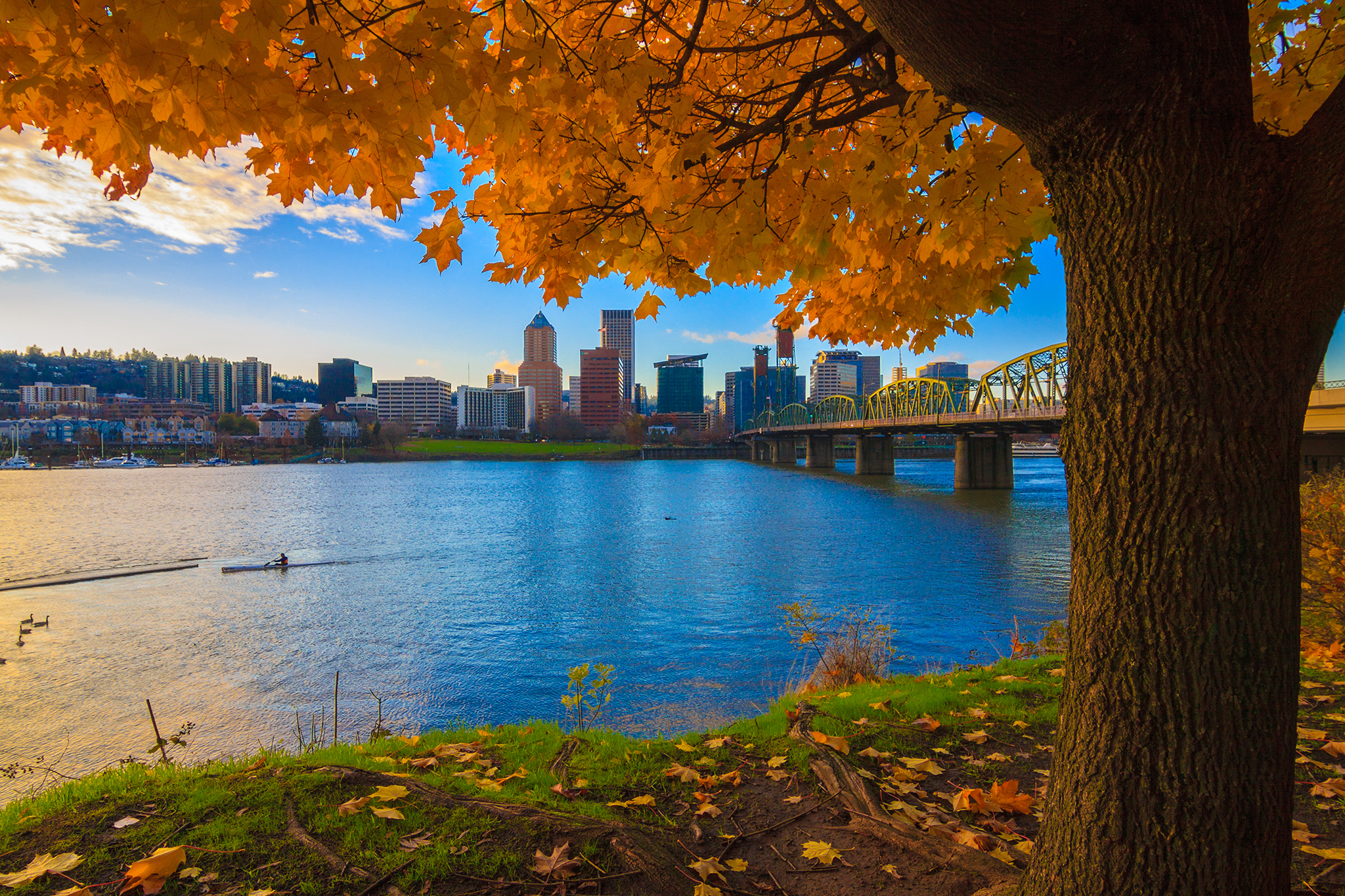
The time of year you choose to visit Portland can dramatically influence your experience. Summer (June to August) brings the warmest weather, longer daylight hours thanks to PDT, and a calendar packed with outdoor festivals and events, including the famous Portland Rose Festival. This is an ideal time for exploring the city’s parks, embarking on outdoor adventures in the Columbia River Gorge or around Mount Hood, and enjoying the bustling food cart scene. However, summer is also peak tourist season, meaning higher hotel prices and larger crowds. Fall (September to November) offers beautiful foliage, cooler temperatures, and fewer crowds, making it perfect for cozy coffee shop visits and exploring museums. Winter (December to February) brings the iconic Oregon rain, but also opportunities for skiing and snowboarding on Mount Hood and a festive atmosphere during the holidays. Spring (March to May) sees the city bloom, with pleasant temperatures and the return of outdoor activities. When planning, always check the local events calendar for any major festivals, concerts, or sporting events that might impact accommodation availability and prices. Aligning your visit with your interests and preferred weather conditions will undoubtedly lead to a more fulfilling trip.
Smart Booking Strategies for Hotels and Activities
To secure the best deals and ensure availability, especially during peak seasons or popular events, booking your accommodation and major activities well in advance is highly recommended. Utilizing travel comparison websites like Booking.com or Expedia allows you to compare prices across various hotels, resorts, apartments, and villas, and read recent guest reviews to make an informed decision. For attractions, consider purchasing tickets online ahead of time, which can often save you time waiting in line and sometimes even offer a discount. If you plan to visit multiple paid attractions, investing in a “CityPass” can provide significant savings on admission fees. Many popular tours, especially those to the Columbia River Gorge or local breweries, can also fill up quickly, so early booking is a smart move. When booking, pay close attention to cancellation policies, especially if your travel plans are subject to change. For extended stays, exploring options for long-term stay apartments or vacation rentals might offer better value and a more authentic local experience than traditional hotels.
Navigating the City: Transport and Local Tips
Portland is known for its excellent public transportation system, TriMet, which includes buses, streetcars, and the MAX light rail. Utilizing TriMet is an efficient and environmentally friendly way to explore the city, connecting major neighborhoods, attractions, and even the airport. Consider purchasing an unlimited-ride pass for convenience. Portland is also incredibly bike-friendly, with numerous dedicated bike lanes and rental services available throughout the city. Exploring on two wheels offers a fantastic way to experience Portland’s unique vibe like a local. For international travelers, understanding local customs such as tipping (generally 15-20% at restaurants) and knowing that Oregon has no sales tax can enhance your shopping and dining experiences. Engaging with locals, whether through guided tours, visits to farmers’ markets, or simply striking up conversations at a local cafe, can lead to discovering hidden gems and gaining personalized recommendations that no guidebook can offer. By meticulously planning your visit around Portland’s time zone and leveraging its abundant resources, you’re set to enjoy a seamless, enriching, and truly memorable travel experience.
LifeOutOfTheBox is a participant in the Amazon Services LLC Associates Program, an affiliate advertising program designed to provide a means for sites to earn advertising fees by advertising and linking to Amazon.com. Amazon, the Amazon logo, AmazonSupply, and the AmazonSupply logo are trademarks of Amazon.com, Inc. or its affiliates. As an Amazon Associate we earn affiliate commissions from qualifying purchases.