
In the vibrant heart of Florida lies Orlando, a city synonymous with enchanting theme parks, world-class resorts, and unforgettable experiences. For any traveler planning a visit, understanding the local time isn’t just a trivial detail; it’s the cornerstone of a well-executed itinerary, dictating everything from flight arrivals and hotel check-ins to theme park strategies and dining reservations. Knowing “What time is it in Orlando?” is the first step in unlocking a seamless and magical adventure.
This guide will delve into the intricacies of Orlando’s time zone, explore how time impacts your travel and tourism plans, and offer practical tips to synchronize your rhythm with the city’s lively pulse. From the moment you land at Orlando International Airport to the final fireworks display over Cinderella Castle, every minute in Orlando counts. Let’s ensure you make the most of every precious second.
Understanding Orlando’s Time Zone: EST and EDT
Orlando, like most of Florida, operates on Eastern Standard Time (EST) for a portion of the year and Eastern Daylight Time (EDT) during Daylight Saving Time. This biannual shift is crucial for travelers, particularly those arriving from different time zones across the United States or international destinations like Europe, South America, or Asia.
The Rhythms of Florida Time
EST is UTC-5 (Coordinated Universal Time minus 5 hours). This means that when it’s noon UTC, it’s 7:00 AM in Orlando during Standard Time. This applies roughly from early November to mid-March. During these cooler months, you’ll find the city embracing a more relaxed pace in the mornings, with attractions opening a bit later and evenings drawing in earlier. This can influence choices for outdoor activities or enjoying the sunset over a serene Orlando lake.
Conversely, EDT is UTC-4. When Daylight Saving Time begins in mid-March, clocks “spring forward” one hour, and they “fall back” one hour in early November. This shift provides an extra hour of daylight in the evenings, a coveted commodity for tourists eager to maximize their park time, explore the city’s vibrant nightlife, or simply enjoy longer strolls along International Drive. For many visitors, especially families, this extended daylight allows for more flexibility, whether it’s fitting in an extra ride, catching a later show, or dining alfresco without rushing.
Navigating Daylight Saving Shifts
For travelers, the most critical consideration regarding Daylight Saving Time is its commencement and conclusion dates. If your trip straddles these changes, be sure to adjust your clocks and schedules accordingly. Most modern smartphones and digital devices will update automatically, but it’s always wise to double-check. For those flying in during the transition, confirming flight times with your airline and hotel check-in/check-out times is paramount. An hour can make all the difference in catching a connecting flight or avoiding an unexpected late check-out fee.
Understanding this rhythm is particularly helpful when planning activities that rely on natural light, such as visiting botanical gardens, embarking on airboat tours through the Florida Everglades, or simply enjoying the outdoor pools and amenities at your chosen accommodation. The shift also influences popular evening events like fireworks displays at Walt Disney World Resort or Universal Orlando Resort, which typically commence closer to sunset.
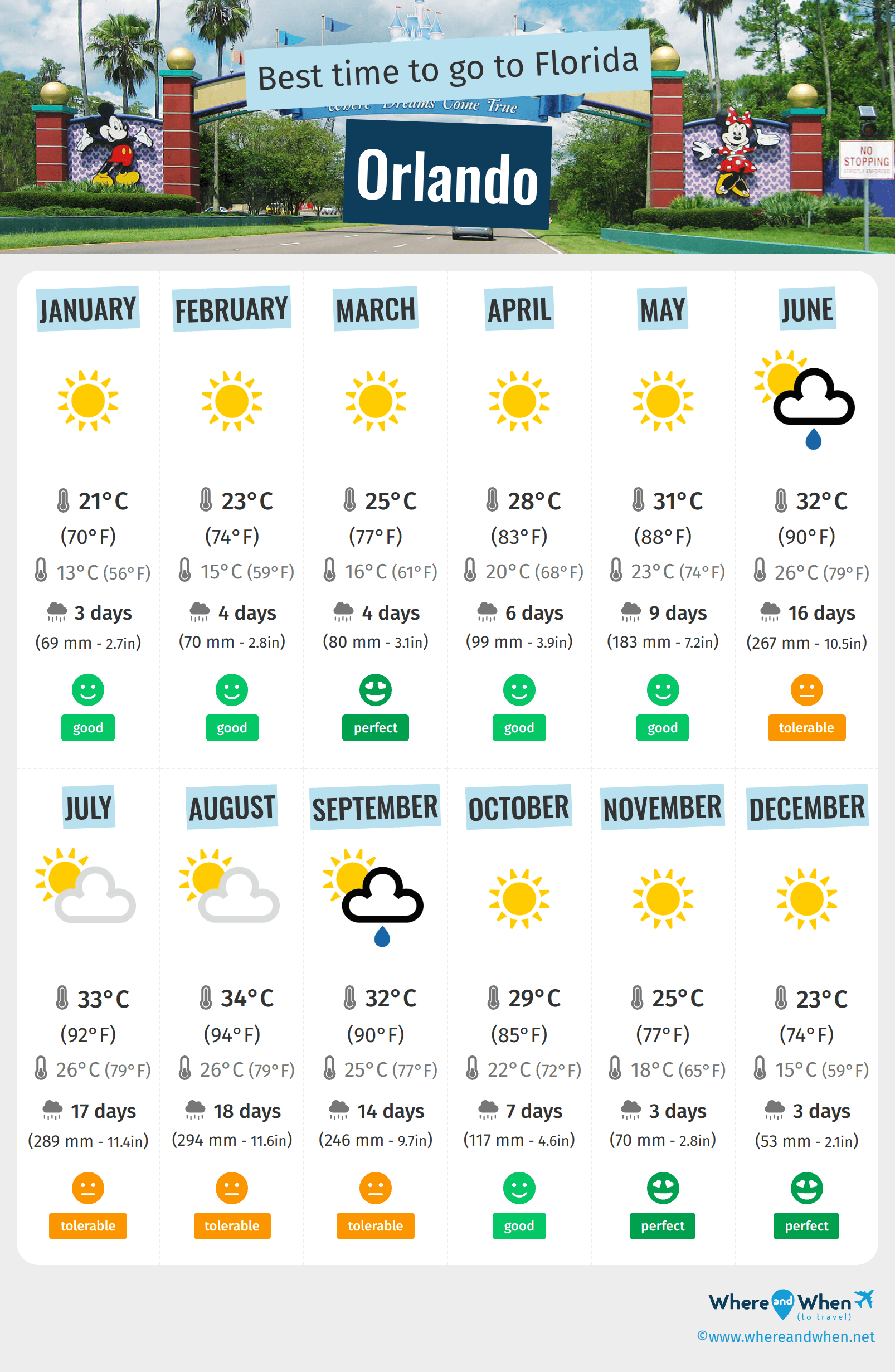
Time-Sensitive Planning for Orlando Travel
The magic of Orlando is meticulously scheduled, from the grand opening of theme park gates to the final curtain call of a spectacular show. A keen awareness of time is not just beneficial; it’s essential for a stress-free and enjoyable visit, ensuring you hit all your must-do attractions and experiences.
Synchronizing Your Arrival and Departure
Your journey to Orlando often begins and ends at Orlando International Airport (MCO), one of the busiest airports in the United States. Flight schedules are inherently time-sensitive, and understanding the local time upon arrival is critical for seamless ground transportation, whether you’re using ride-sharing, shuttles, or a rental car. Planning your arrival for when hotels typically allow check-in (usually 3:00 PM or 4:00 PM local time) can save you from waiting with luggage or paying for early check-in. Similarly, budgeting enough time for security and check-in for your departure flight, considering Orlando’s local time, is crucial to avoid missing your flight.
Hotels, resorts, apartments, and villas throughout Orlando adhere strictly to check-in and check-out times. Properties like the Walt Disney World Swan and Dolphin Resort or Universal’s Loews Portofino Bay Hotel often have specific windows. Early arrivals might be accommodated based on availability, but guaranteeing a smooth transition requires aligning your flight schedule with your accommodation’s policies. For longer stays or vacation rentals, confirming key collection times or digital access codes is equally vital. Efficient time management here means less stress and more vacation time.

Mastering Theme Park Schedules
Orlando’s world-renowned theme parks are a masterclass in logistics. Each park, from Walt Disney World Resort’s Magic Kingdom and EPCOT to Universal Orlando Resort’s Universal Studios Florida and Islands of Adventure, and SeaWorld Orlando, publishes daily operating hours. These hours can vary seasonally, on weekends, and for special events. Arriving before opening (“rope drop”) is a popular strategy to experience major attractions with shorter wait times. Conversely, staying until closing allows you to enjoy the park as crowds thin out and experience nighttime spectaculars.
Many attractions, particularly character meet-and-greets, parades, and live shows, operate on a fixed schedule. Using official park apps, which display real-time wait times and show schedules, is invaluable. FastPass+ (at Disney parks) or Universal Express Pass options also work on specific time slots, demanding punctuality. For instance, booking a coveted dining reservation at EPCOT’s World Showcase or enjoying the fireworks at Hollywood Studios requires meticulous time management to ensure you arrive on time and don’t miss any of the magic.
Dining, Entertainment, and Relaxation
Beyond the parks, Orlando’s culinary scene, entertainment venues, and relaxation spots also operate on a schedule. Popular restaurants, especially those in resort areas like Disney Springs or Universal CityWalk, often require reservations made weeks or even months in advance. Missing your reserved time slot due to miscalculating the local time or travel between locations can mean losing your table.
For those interested in cultural experiences, checking performance times for shows at the Dr. Phillips Center for the Performing Arts or events at the Amway Center is paramount. Even a simple evening stroll around Lake Eola Park might be best timed to catch the sunset or the synchronized light and music show on the fountain. For those seeking relaxation, spa appointments, golf tee times at courses like those at the Ritz-Carlton Orlando, Grande Lakes, or poolside cabana rentals also operate on strict schedules, ensuring you maximize every moment of your well-deserved break.

Beyond the Clock: Maximizing Your Orlando Experience
While understanding the exact time is crucial, truly maximizing your Orlando experience involves more than just setting your watch. It’s about aligning your body clock, staying connected, and embracing the overall lifestyle that Orlando offers, minute by minute.
Conquering Jet Lag and Maximizing Energy
For travelers from distant time zones – whether from California, Brazil, the United Kingdom, or Australia – jet lag can be a significant hurdle. Orlando’s EST/EDT can be several hours ahead or behind your home time. Strategies to mitigate jet lag include adjusting your sleep schedule gradually before departure, staying hydrated during your flight, and exposing yourself to natural light upon arrival in Orlando.
Planning a lighter schedule for your first day or two can also help your body adjust. Instead of hitting Magic Kingdom at rope drop, consider a more relaxed morning by the pool at your resort, exploring Disney Springs, or visiting a less demanding attraction like Kennedy Space Center Visitor Complex for a day trip. High-energy activities, especially those involving early mornings or late nights, are best saved for when your internal clock has synchronized with Orlando’s rhythm. This lifestyle approach to travel ensures you have the energy to enjoy every moment, rather than battling fatigue.
Seamless Communication and Connectivity
Maintaining contact with loved ones back home or managing business affairs can also be impacted by time zone differences. If you’re traveling from Europe to Orlando, for instance, a 5-6 hour time difference means coordinating calls or video chats requires careful planning. Many business travelers staying at resorts like the Hyatt Regency Orlando or The Four Seasons Resort Orlando at Walt Disney World Resort will find themselves scheduling meetings early in their Orlando morning to accommodate clients in other time zones.
For families, communicating with babysitters or checking in with petsitters requires being mindful of the clock. Most modern phones automatically adjust to the local time, but it’s always good practice to have a world clock app handy. This ensures you’re not inadvertently waking someone up or missing an important call, allowing you to focus on your vacation experience without unnecessary worries.
Embracing the Magic, Minute by Minute
Ultimately, knowing “What time is it in Orlando?” is about more than just a number on a clock; it’s about embracing the rhythm of your vacation. It’s about optimizing your time to visit a variety of attractions, from the bustling parks to the quieter charms of downtown Orlando’s Winter Park or the futuristic innovations of Lake Nona. It’s about experiencing Florida’s diverse offerings, whether that’s a sunrise launch viewing from Port Canaveral or a sunset dinner cruise.
From booking your accommodation, selecting the ideal resort or apartment that fits your family’s needs, to exploring local culture through food and activities, every decision benefits from a time-conscious approach. Whether you’re planning a luxury travel escape or a budget-friendly family trip, thoughtful planning around Orlando’s clock can elevate your entire experience, transforming potential stressors into opportunities for more adventure. By mastering the time, you’re not just visiting Orlando; you’re truly living it, ensuring every magical minute is accounted for and savored.
LifeOutOfTheBox is a participant in the Amazon Services LLC Associates Program, an affiliate advertising program designed to provide a means for sites to earn advertising fees by advertising and linking to Amazon.com. Amazon, the Amazon logo, AmazonSupply, and the AmazonSupply logo are trademarks of Amazon.com, Inc. or its affiliates. As an Amazon Associate we earn affiliate commissions from qualifying purchases.