
Understanding the precise time in a new destination is often the first logistical hurdle for any traveler, and when it comes to Phoenix, Arizona, the answer holds a unique twist. As a vibrant hub in the American Southwest, Phoenix operates on a distinct time schedule that sets it apart from many other states, making it an intriguing aspect of planning your visit. Whether you’re a seasoned globetrotter mapping out a complex itinerary or a family simply looking to coordinate dinner plans, knowing the local time in Phoenix is fundamental to unlocking a seamless and enjoyable experience in the Valley of the Sun.
This comprehensive guide delves into the intricacies of Arizona’s time zone policies, offering practical advice for travelers, residents, and businesses alike. We’ll explore how this unique timekeeping impacts everything from flight schedules and hotel check-ins to sightseeing adventures and the city’s dynamic lifestyle. By understanding the rhythm of Phoenix, you’ll be better equipped to immerse yourself in its captivating culture, breathtaking landscapes, and an abundance of activities, ensuring every moment of your trip is perfectly timed.
Navigating Time Zones in the Desert Southwest
For those accustomed to the shifting clocks of Daylight Saving Time (DST), Arizona’s approach to time zones can initially seem a bit perplexing. However, once understood, it simplifies travel planning and daily life within the state. Phoenix, along with most of Arizona, steadfastly adheres to Mountain Standard Time (MST) year-round. This critical detail is the cornerstone of understanding the current time in the state capital.
Arizona’s Unique Stance on Daylight Saving Time
The most distinctive feature of Arizona’s timekeeping is its resolute eschewal of Daylight Saving Time. Since 1968, the state has largely opted out of the twice-yearly clock changes that affect most of the United States. This decision primarily stems from the intense summer heat that characterizes much of the state, particularly in lower-elevation cities like Phoenix, Tucson, Yuma, Mesa, and Scottsdale. The rationale is simple: extending daylight into the evening hours during summer would only prolong the unbearable heat, making outdoor activities and energy consumption for air conditioning more problematic. By sticking to MST year-round, Phoenix effectively pushes sunrise and sunset earlier in the day during what would otherwise be DST, allowing residents and visitors to enjoy cooler morning and early evening hours for recreation and business.
There is one notable exception to this rule: the Navajo Nation, a large sovereign territory primarily located in northeastern Arizona, does observe Daylight Saving Time. This is due to its multi-state jurisdiction, which also extends into New Mexico and Utah, both of which observe DST. However, for the vast majority of visitors traveling to Phoenix and its surrounding metropolitan areas like Tempe, Glendale, and Paradise Valley, this distinction is largely irrelevant, as the entire urban sprawl remains on consistent Mountain Standard Time.
Practical Implications for Travelers and Residents
This consistent adherence to MST has significant practical implications.
- During Standard Time (Winter Months): From roughly November to March, Phoenix time aligns with Mountain Standard Time (UTC-7), which is typically one hour ahead of Pacific Standard Time (PST) and two hours behind Central Standard Time (CST). It’s also three hours behind Eastern Standard Time (EST).
- During Daylight Saving Time (Summer Months): From roughly March to November, while other states “spring forward,” Phoenix remains on MST. This means that during these months, Phoenix will have the same time as Pacific Daylight Time (PDT) and will be three hours behind Eastern Daylight Time (EDT). It essentially ‘catches up’ to the Pacific Time Zone during these months.
For travelers, this means a crucial mental adjustment. If you’re flying in from California during summer, there’s no time difference to worry about. If you’re coming from New York, the time difference remains three hours, but it’s important to remember that Phoenix is always three hours behind New York during Daylight Saving Time. This can alleviate some jet lag for west coast travelers, but potentially complicate it for those from the east. Residents, on the other hand, enjoy the consistency, avoiding the bi-annual disruption to sleep patterns and schedules that affects the majority of the country. This consistent time also means that business hours, television schedules, and daily routines remain stable throughout the year, contributing to a more predictable lifestyle.

Planning Your Phoenix Itinerary: Time-Sensitive Considerations
The unique time zone in Phoenix is more than just a trivial fact; it’s a vital piece of information for optimizing your travel experience. From coordinating your arrival to making the most of every sun-drenched day, understanding the local clock is key to a seamless and stress-free trip.
Arriving in Phoenix: Flights, Check-Ins, and Adjustments
Your journey to Phoenix typically begins at Phoenix Sky Harbor International Airport (PHX), one of the busiest airports in the Southwest. When booking your flights, always double-check the arrival time against your departure time zone. During the spring and summer months, travelers from California, Nevada, or Washington will find no time difference, which makes for an incredibly smooth transition. However, those arriving from states that observe Daylight Saving Time and are typically in the Mountain, Central, or Eastern Time Zones will need to adjust. For instance, if you’re flying from Denver during summer, Phoenix will be one hour behind, effectively giving you an “extra” hour upon arrival.
Once you land, the next crucial step is checking into your accommodation. Whether you’ve chosen a luxurious suite at the JW Marriott Phoenix Desert Ridge Resort & Spa, a charming boutique hotel in Old Town Scottsdale, or a family-friendly resort like the Arizona Biltmore, A Waldorf Astoria Resort, standard check-in times are usually in the afternoon. Being aware of the local time will help you coordinate shuttle services, early check-in requests, or simply plan activities if your room isn’t ready immediately. Many hotels cater to early arrivals by offering secure luggage storage, allowing you to head out and explore right away. Similarly, checkout times, usually around noon, need to be factored into your departure schedule. Resorts like The Phoenician, a Luxury Collection Resort, Scottsdale, often offer late checkout options for an additional fee, a worthwhile consideration for those with evening flights looking to maximize their stay or simply enjoy the amenities a little longer.

Maximizing Your Day: From Sunrise Hikes to Sunset Dining
The consistent MST in Phoenix means earlier sunrises during the summer months compared to states observing DST. This creates a unique rhythm for daily activities, especially during the hotter seasons.
- Morning Adventures: Embrace the cooler morning temperatures for outdoor activities. Many hiking trails, such as those found on Camelback Mountain, South Mountain Park and Preserve, or in Papago Park (home to the Desert Botanical Garden and Phoenix Zoo), are best tackled at dawn. Imagine catching a spectacular desert sunrise from a mountain peak – it’s an unforgettable experience and a fantastic way to beat the mid-day heat.
- Mid-day Retreats: As temperatures climb, pivot to indoor attractions. Phoenix offers a wealth of air-conditioned museums, galleries, and shopping centers. Explore the extensive collections at the Heard Museum, dedicated to Native American art and culture, or lose yourself in the global sounds of the Musical Instrument Museum (MIM). For luxury shopping, Biltmore Fashion Park or Scottsdale Fashion Square offer a cool escape.
- Evening Delights: The early sunset (relative to DST locations) means more time to enjoy picturesque evenings. Phoenix is renowned for its stunning desert sunsets, often painting the sky in fiery hues of orange, pink, and purple. Many restaurants, particularly those with rooftop patios or outdoor seating, capitalize on these views. Imagine enjoying fine dining with a backdrop of a vibrant Sonoran Desert sunset. The city’s nightlife also begins earlier, allowing visitors to enjoy everything from live music venues in Downtown Phoenix to sophisticated cocktail lounges in Scottsdale without feeling rushed. This time rhythm is also excellent for families, as kids can enjoy evening activities and still get to bed at a reasonable hour.
Business and Social Engagements Across Time Zones
For business travelers, managing appointments and virtual meetings across different time zones is a constant challenge. Phoenix’s consistent MST makes this slightly easier, but awareness is still paramount. If you’re conducting business with colleagues on the East Coast, the time difference will consistently be three hours. However, if your contacts are in California, remember that during Daylight Saving Time, you’ll be on the same time, simplifying scheduling. During standard time, Phoenix is an hour ahead. Always double-check with a time zone converter to avoid missed connections.
From a social perspective, coordinating with friends and family outside of Arizona requires similar diligence. A phone call to a loved one on the East Coast might feel like an early start for you if they are already well into their afternoon. Conversely, an evening call to the West Coast might mean you’re reaching them later than intended during certain months. Travel agents and concierge services often become invaluable resources for visitors, providing local insights and assisting with activity bookings, helping to bridge any time-related gaps. For long-term stays or those considering moving to Phoenix, this unique time zone becomes second nature, seamlessly integrating into the relaxed desert lifestyle.
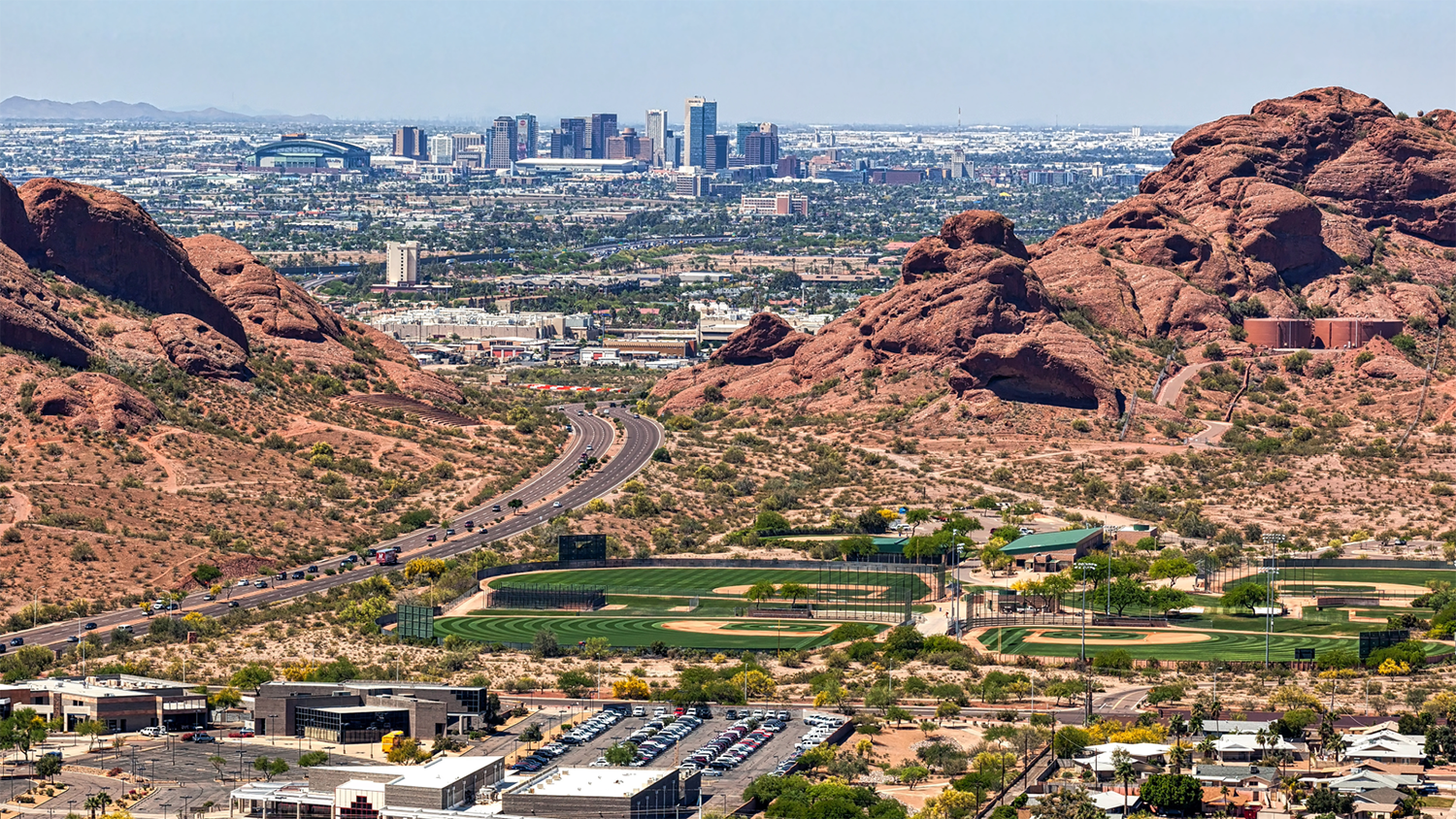
Experiencing Phoenix: Beyond the Hour Hand
While the clock dictates the practicalities of travel, the true essence of Phoenix lies in how its unique time signature shapes its broader lifestyle and visitor experience. It’s not just about what time it is, but how that time allows you to interact with the city’s environment, culture, and offerings.
Seasonal Rhythms and the Phoenix Lifestyle
The absence of Daylight Saving Time in Phoenix is deeply intertwined with its desert climate. The city experiences distinct seasons, with incredibly hot summers and mild, pleasant winters.
- Winter (Peak Season): From November to April, when the rest of the country is often battling snow and cold, Phoenix enjoys glorious sunshine and comfortable temperatures, making it a prime destination for winter escapes. During these months, Phoenix is one hour ahead of the Pacific Time Zone, meaning more daylight in the afternoon for golf at world-class courses like TPC Scottsdale or exploring regional parks. This is also when major events like the Waste Management Phoenix Open and Cactus League Spring Training bring a vibrant energy to the city, drawing visitors from across the globe. Accommodation options range from luxury resorts offering spa amenities and fine dining, to budget-friendly apartments perfect for longer stays.
- Summer (Off-Peak): While extremely hot, the summer months (May to October) offer their own unique advantages. Because Phoenix does not “spring forward,” its time effectively aligns with the Pacific Time Zone. This means mornings start early, allowing for pre-heat hikes or swimming before the intense midday sun. Many locals embrace the “early bird gets the worm” philosophy, conducting outdoor activities, business, and errands before noon. Deals on hotels and resorts are often abundant, making it a budget-friendly time for those who don’t mind the heat and plan their activities around it, focusing on indoor attractions, water parks, or evening events. The evening cools down enough for enjoyable patio dining and stargazing.
This seasonal adaptation to time profoundly influences the local culture. It encourages an active, early-morning lifestyle during summer, fostering a community that values outdoor recreation before the mercury rises. For visitors, embracing this rhythm means respecting the sun and planning strategically, whether it’s an early morning balloon ride over the Sonoran Desert or an evening stroll through Desert Ridge Marketplace.
Embracing the City’s Vibrant Offerings
Understanding Phoenix’s time zone ultimately enhances your ability to engage with its rich array of experiences. From cultural immersion to thrilling adventures, every facet of Phoenix life is framed by its unique relationship with the clock.
- Cultural Exploration: Plan visits to renowned institutions like the Phoenix Art Museum or Frank Lloyd Wright’s Taliesin West, checking their operating hours, which remain consistent year-round. Many cultural events, festivals, and farmers’ markets are scheduled to take advantage of the milder morning or evening hours, especially during the spring and fall.
- Culinary Scene: Phoenix’s food scene is vibrant and diverse, from upscale dining in Paradise Valley to authentic Southwestern cuisine in Downtown Phoenix. Restaurants typically open for dinner earlier than in cities observing DST, allowing for earlier reservations and longer evenings. Happy hours also often kick off earlier, making it perfect for an early evening drink after a day of exploration.
- Sports and Entertainment: Catch an Arizona Diamondbacks game at Chase Field, a Phoenix Suns game at Footprint Center, or an Arizona Cardinals match at State Farm Stadium. Game times will also be consistent and predictable, regardless of the season, which is a major convenience for sports enthusiasts traveling from out of state. Concerts and theatrical performances at venues like the Orpheum Theatre also follow this rhythm.
In conclusion, “What time is it in Phoenix, Arizona?” is a question with a straightforward answer – it’s always Mountain Standard Time (MST). However, the implications of this constant time are far-reaching, shaping the city’s environment, economy, and unique lifestyle. For any visitor or potential resident, understanding this simple fact is the first step toward a thoroughly enjoyable and perfectly timed experience in this remarkable desert metropolis. So set your watches, but be prepared to embrace a rhythm that’s perfectly adapted to the radiant Arizona sun.