
Texas, the Lone Star State, is a land of vast horizons, rich history, and incredibly diverse landscapes. From the bustling metropolises of Houston and Dallas to the rugged beauty of Big Bend National Park and the charming cultural tapestry of San Antonio, it offers an endless array of experiences for every type of traveler. Whether you’re planning a luxurious resort getaway, a budget-friendly road trip, a family adventure, or a crucial business stay, understanding the local time is far more than a trivial detail – it’s a cornerstone of effective planning and a seamless travel experience.
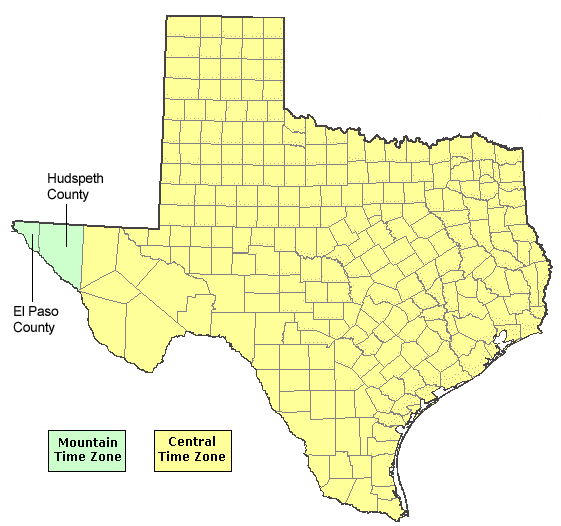
Imagine booking a flight, only to realize upon arrival that your hotel check-in time is an hour later than you anticipated, or missing a crucial tour because you miscalculated the time zone. These seemingly small blunders can throw an entire itinerary off track. For such a geographically expansive state, the question “What time is it in Texas?” carries particular importance. While the majority of the state operates on one unified time, a significant portion in the far west observes a different standard, making a little prior knowledge invaluable for any visitor. This article delves into the specifics of Texas’ time zones, explains the impact of Daylight Saving Time, and, most importantly, provides practical insights for travelers, ensuring your journey through the Lone Star State is as punctual and enjoyable as possible. From coordinating travel logistics to maximizing your exploration of iconic landmarks and immersing yourself in local culture, mastering the clock in Texas is your first step towards an unforgettable adventure.
Navigating Texas’ Time Zones: A Traveler’s Guide
For a state so immense, covering over 268,000 square miles, it’s understandable that visitors might wonder if Texas spans multiple time zones. Indeed, it does, though the vast majority of its population and popular destinations fall within a single, easily manageable zone. Understanding this distinction is crucial for scheduling everything from flights to dining reservations and ensuring you’re always on time for your chosen attractions.
The Dominance of Central Time
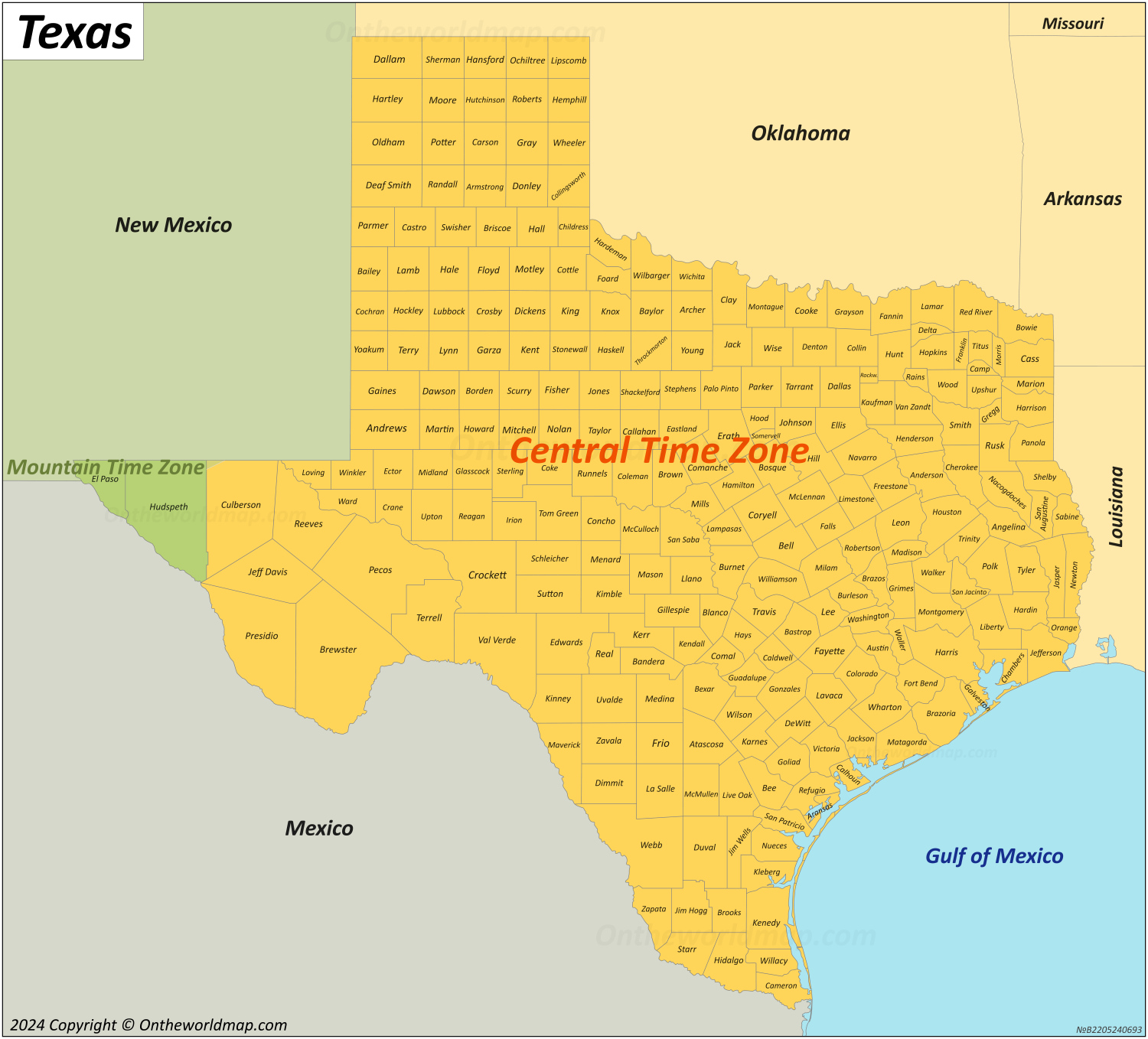
The overwhelming majority of Texas, including all of its major metropolitan areas and popular tourist hubs, observes Central Time. This includes:
- Houston: Home to the NASA Space Center Houston and a vibrant culinary scene.
- Dallas: A hub for business, luxury shopping, and arts, often paired with its neighbor, Fort Worth.
- Austin: The state capital, renowned for its live music, outdoor activities, and unique “Keep Austin Weird” culture.
- San Antonio: Famous for The Alamo and its picturesque Riverwalk.
- Fort Worth: Where the West begins, offering a deep dive into Texas’ cowboy heritage at the Fort Worth Stockyards.
- Galveston: A historic island city on the Gulf Coast.
- South Padre Island: A popular spring break destination and beach resort.
During standard time, this region operates on Central Standard Time (CST), which is UTC-6. When Daylight Saving Time is in effect, it switches to Central Daylight Time (CDT), which is UTC-5. This means that for the vast majority of your Texas adventure, you’ll be operating on Central Time.
Mountain Time in the Far West
While it’s a smaller portion geographically and less populated, the extreme western sliver of Texas adheres to Mountain Time. The primary city in this zone is El Paso, which sits right on the border with New Mexico and Mexico. If your travel plans take you to El Paso or the nearby natural wonders such as Guadalupe Mountains National Park or Big Bend Ranch State Park, you’ll need to adjust your clock.
In this region:
- During standard time, it’s Mountain Standard Time (MST), which is UTC-7.
- During Daylight Saving Time, it switches to Mountain Daylight Time (MDT), which is UTC-6.
This means that El Paso is consistently one hour behind the rest of the major cities in Texas. Travelers making a cross-state journey, particularly those driving from Dallas or Austin to El Paso, must remember to “gain an hour” when entering the Mountain Time zone. Conversely, driving east from El Paso means “losing an hour” as you cross back into Central Time.
Understanding Daylight Saving Time
Like most of the United States, Texas observes Daylight Saving Time. This means that on the second Sunday in March, clocks “spring forward” one hour, and on the first Sunday in November, they “fall back” one hour. This annual adjustment impacts both Central Time and Mountain Time zones simultaneously. For travelers, this is a crucial consideration:
- Spring Forward: If your trip coincides with the change in March, be aware that you will lose an hour of sleep or an hour of travel time. Confirming flight departure and hotel check-in times is especially important.
- Fall Back: In November, you’ll gain an hour. This can be a pleasant surprise, but it’s still wise to double-check schedules, particularly for early morning flights or activities.
Always confirm the exact dates for Daylight Saving Time during your travel year, as they can occasionally shift or be subject to political discussion. However, for practical purposes, planning around the standard March and November dates is usually sufficient.
The Impact of Time on Texas Travel Planning
Effective travel planning extends beyond just booking flights and hotels; it intricately involves understanding and adapting to local time. In a state like Texas, where internal time zone shifts and Daylight Saving Time are factors, recognizing the clock’s influence can significantly enhance your trip. From seamless transitions between destinations to punctual participation in events, time zone awareness is a traveler’s best friend.
Seamless Journeys: Flights and Ground Transportation
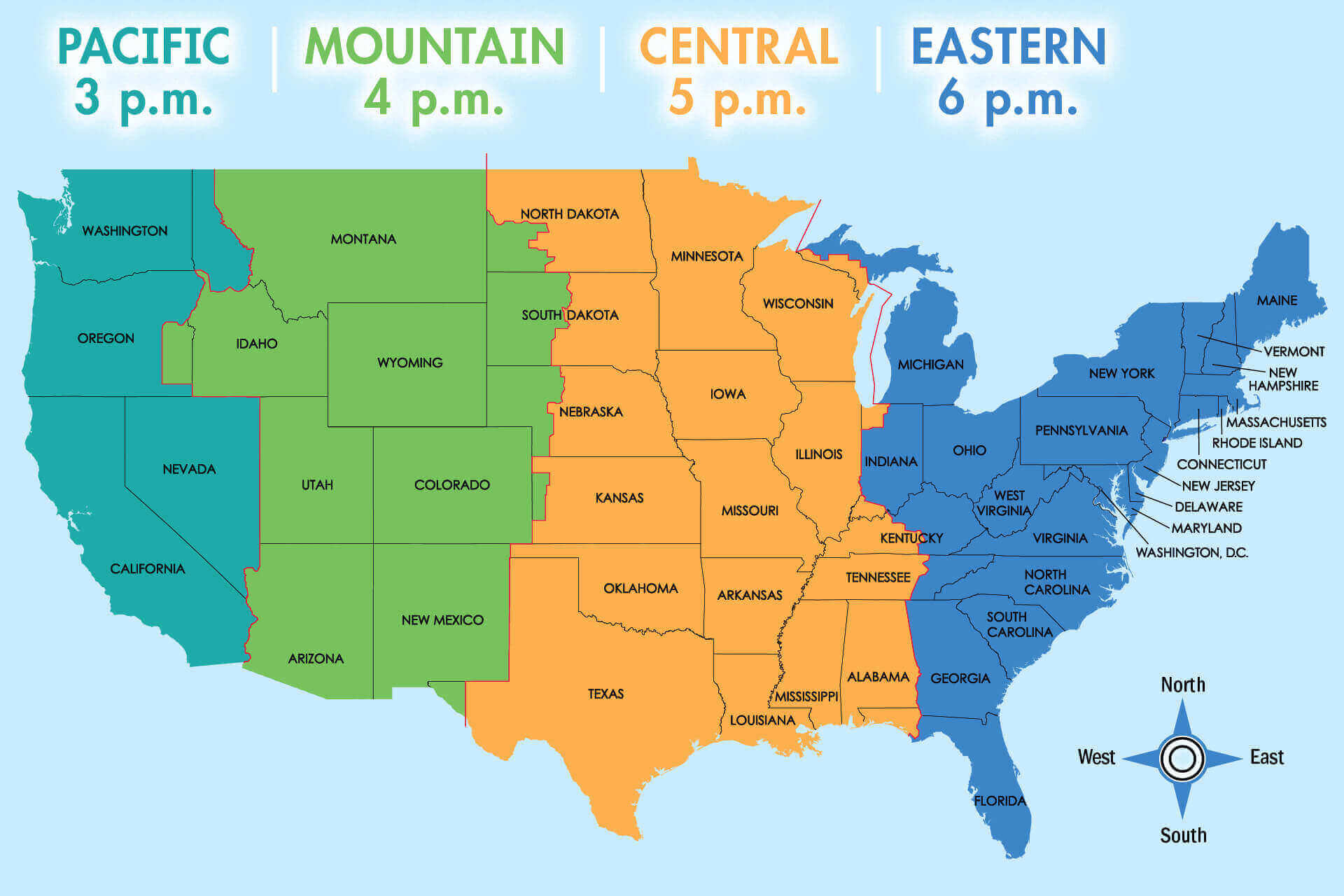
One of the most critical aspects of travel affected by time zones is transportation. When booking flights, especially those crossing into or out of Texas or between its two time zones, always pay close attention to the departure and arrival times listed in local time. Major airports like Dallas/Fort Worth International Airport (DFW), George Bush Intercontinental Airport (IAH) in Houston, and Austin-Bergstrom International Airport (AUS) all operate on Central Time. If you’re flying into El Paso International Airport (ELP), remember it’s on Mountain Time.
- Arrivals/Departures: A flight departing Los Angeles (Pacific Time, UTC-8) at 10:00 AM might arrive in Dallas (Central Time, UTC-6) at 3:00 PM, making it a 3-hour flight but a 5-hour time difference. Conversely, a flight from Dallas to El Paso might depart at 10:00 AM CST and arrive at 10:30 AM MST, despite a longer flight duration. Always double-check your arrival time in the local zone to avoid confusion with connecting flights or pre-arranged ground transportation.
- Road Trips: For those embarking on a quintessential Texas road trip, the time zone shift to Mountain Time in the west needs careful consideration. If you plan to meet someone in El Paso after driving from San Antonio, factor in the one-hour difference. Your smartphone and GPS devices will typically adjust automatically, but it’s always good practice to have a manual watch or confirm the local time as you approach the boundary.
Hotel Check-ins and Check-outs
Accommodation logistics are another area where time awareness plays a crucial role. Most hotels, resorts, and apartments in Texas will adhere strictly to their local time for check-in and check-out policies.
- Early/Late Arrivals: If you’re flying from a different time zone, especially one east of Texas, you might arrive feeling later than you anticipate due to the time difference. Confirm your hotel’s check-in policy and communicate any expected late arrivals.
- Crossing Time Zones within Texas: Should your itinerary involve staying in both Central Time and Mountain Time regions of Texas, be meticulous about coordinating your check-out from one location and check-in to the next. For example, if you check out of a Dallas hotel at 11:00 AM CST and drive to El Paso, your 4:00 PM MST check-in window will feel like 5:00 PM CST, potentially cutting into your arrival day activities.
Synchronizing with Attractions and Dining
The operational hours of attractions, museums, restaurants, and other venues are always set to local time. Misunderstanding this can lead to missed opportunities or unexpected closures.
- Tour Schedules: Many guided tours, from Alamo history tours in San Antonio to Big Bend National Park hiking excursions, have strict start times. Arriving late due to a time zone miscalculation could mean missing your slot, especially for popular, pre-booked experiences.
- Restaurant Reservations: Dining in Texas’ vibrant culinary scene often requires reservations, particularly in major cities like Austin and Houston. Always confirm reservation times in local time to avoid being marked as a no-show.
- Museums and Galleries: While these typically have consistent hours, knowing the exact local time ensures you don’t arrive just as they’re closing or during an unexpected break. For family travelers, this is especially important for planning meal breaks around museum visits.
By paying careful attention to the local time, travelers can avoid common pitfalls and ensure their Texas journey unfolds smoothly, allowing more time to enjoy the experiences rather than troubleshoot logistical issues.
Beyond the Clock: Maximizing Your Texas Experience
Understanding Texas’ time zones isn’t just about avoiding missed flights or late check-ins; it’s also about strategically planning your itinerary to get the most out of your visit. The time of day significantly influences the atmosphere of a place, the availability of certain activities, and even the quality of your photographs. By consciously considering the clock, you can elevate your Texas experience from merely visiting to truly living the local rhythm.
Optimal Visiting Hours for Landmarks and Activities
The best time to visit many of Texas’ iconic landmarks and engage in specific activities often depends on the time of day, influenced by factors like crowds, lighting, and climate.
- Morning Glory: Early mornings are often ideal for popular outdoor attractions to beat the heat, especially during summer months in places like Big Bend National Park or the Texas Hill Country trails. Visiting The Alamo or the San Antonio Riverwalk shortly after they open can provide a more tranquil experience before the crowds swell.
- Midday Explorations: This is often the best time for indoor attractions like museums, art galleries in Dallas, or the NASA Space Center Houston, especially when the sun is at its peak outside.
- Golden Hour Photography: For photographers and scenic admirers, “golden hour” (the hour after sunrise and before sunset) offers unparalleled lighting. Planning a visit to Guadalupe Mountains National Park or Big Bend Ranch State Park around these times can yield breathtaking views and memorable photos. In urban settings, the skyline of Houston or Dallas glows beautifully.
- Special Events: Many cities host farmer’s markets, outdoor concerts, or festivals that operate on specific schedules. Checking local event calendars and their operating times is essential for immersing yourself in the local culture. Austin’s famous bat flight from the Congress Avenue Bridge at dusk is a perfect example of a time-dependent spectacle.
Texas By Night: Evening Entertainment and Dining
As the sun sets, Texas’ vibrant nightlife comes alive, offering a distinct set of experiences. Understanding the local time is crucial for tapping into this after-dark magic, whether it’s for fine dining, live music, or simply enjoying the evening ambiance.
- Dining Experiences: Dinner times in Texas cities generally align with national norms, with peak hours between 6:00 PM and 9:00 PM. However, some casual eateries or food trucks might operate later. In more upscale restaurants, making reservations well in advance and noting the local time is paramount.
- Live Music and Entertainment: Austin, the “Live Music Capital of the World,” really comes alive after dark. Venues on 6th Street and South Congress Avenue often have bands starting later in the evening. Similarly, Houston and Dallas boast thriving theater districts and diverse nightlife options that kick off after traditional work hours. Knowing the local time helps you catch the beginning of a show or concert without rushing.
- Stargazing in West Texas: In the Mountain Time zone, especially in areas around Big Bend National Park which boasts International Dark Sky Park status, the truly awe-inspiring experience begins well after sunset. Planning to arrive at your stargazing spot when it’s truly dark requires an understanding of local dusk times.
From the first light of dawn illuminating the desert mountains to the neon glow of a city at midnight, the rhythm of the clock shapes every aspect of a Texas adventure. By considering time not just as a practical necessity but as a tool for enrichment, travelers can curate a journey that is not only smooth but also deeply immersive and unforgettable.
In conclusion, while the question “What time is it in the State of Texas?” might seem straightforward, its implications for travelers are multifaceted and significant. The vast majority of the state, including its major cities and most popular destinations, operates on Central Time (Central Standard Time or Central Daylight Time with Daylight Saving Time), while the far western reaches, centered around El Paso, observe Mountain Time (Mountain Standard Time or Mountain Daylight Time).
For any visitor, whether embarking on a bustling urban exploration or a serene natural escape, understanding these time zones is critical for seamless travel. It ensures punctual arrivals for flights and accommodations, prevents missed opportunities at popular attractions, and allows for smooth coordination of dining and entertainment plans. Beyond mere logistics, a conscious awareness of the local time enables you to strategically plan your days, taking advantage of optimal conditions for sightseeing, photography, and experiencing the unique cultural pulse of each region.
So, as you plan your exciting journey to Texas, remember to consult the clock. A little forethought regarding time zones will not only streamline your itinerary but also empower you to dive deeper into the rich tapestry of experiences that the Lone Star State so generously offers. From the first ‘Howdy!’ to the final ‘Y’all come back now, ya hear?’, your adventure will be all the more enjoyable when you’re perfectly in sync with Texas time.
LifeOutOfTheBox is a participant in the Amazon Services LLC Associates Program, an affiliate advertising program designed to provide a means for sites to earn advertising fees by advertising and linking to Amazon.com. Amazon, the Amazon logo, AmazonSupply, and the AmazonSupply logo are trademarks of Amazon.com, Inc. or its affiliates. As an Amazon Associate we earn affiliate commissions from qualifying purchases.