
Understanding the precise time in any location is often the first step in planning a trip, coordinating meetings, or simply staying connected with loved ones across different regions. For those setting their sights on Flagstaff, Arizona, knowing the current time comes with an interesting twist that adds to the unique charm of the Grand Canyon State. This guide will not only pinpoint the time in Flagstaff but also delve into the broader implications for travel, tourism, accommodation, and the lifestyle experiences that await visitors in this vibrant high-desert city.
Understanding Flagstaff’s Unique Time Zone
At any given moment, Flagstaff operates on Mountain Standard Time (MST). This might seem straightforward, but what makes Arizona’s timekeeping distinct is its permanent adherence to MST, meaning it does not observe Daylight Saving Time (DST). While much of the United States “springs forward” in March and “falls back” in November, Arizona remains constant.

Arizona’s Stance on Daylight Saving Time
The decision for Arizona to opt out of Daylight Saving Time dates back decades. The primary reason is the intense summer heat. By not advancing the clock, the sun sets an hour earlier during the peak summer months than it would under DST. This translates to slightly cooler evenings, making outdoor activities, dining, and general lifestyle more comfortable for residents and visitors alike. Imagine the difference an extra hour of daylight in the evening could make to a 100-degree Fahrenheit day; by sticking to standard time, the hottest part of the day concludes a bit sooner, allowing evening recreation to begin earlier. This unique approach to time management not only impacts daily routines but also plays a subtle yet significant role in shaping the local culture and rhythm of life, particularly in tourist-heavy areas like Flagstaff, which serve as gateways to major landmarks.
It’s important to note an exception within Arizona: the Navajo Nation, a large portion of which lies within the state’s borders, does observe Daylight Saving Time. This creates a fascinating, albeit sometimes confusing, situation where you might cross a time zone border without leaving the state, simply by entering or exiting the Navajo Nation lands. However, Flagstaff itself consistently stays on Mountain Standard Time year-round.
Practical Implications for Travelers
For travelers, Arizona’s time zone consistency simplifies some aspects while adding complexity to others. When planning your travel to Flagstaff, especially during the spring and summer months when most of the U.S. is on DST, remember that Flagstaff will be three hours behind the East Coast (Eastern Daylight Time), two hours behind Central Time (Central Daylight Time), and one hour behind Mountain Daylight Time regions. Crucially, it will be the same time as Pacific Daylight Time for half the year, and an hour ahead of Pacific Standard Time during the other half. This means:
- From March to November (Daylight Saving Period): Flagstaff is effectively on Pacific Daylight Time. If it’s 3 PM in Los Angeles, it’s 3 PM in Flagstaff.
- From November to March (Standard Time Period): Flagstaff is one hour ahead of Pacific Standard Time. If it’s 3 PM in Los Angeles, it’s 4 PM in Flagstaff.
This seemingly minor detail can significantly impact arrival times for flights, check-in for hotels, scheduled tours, and even coordinating dinner plans with friends or family outside the state. Always confirm local times for bookings and activities to avoid any confusion or missed opportunities. For example, a sunset tour of the Grand Canyon National Park (which is easily accessible from Flagstaff) might be scheduled according to Arizona time, which could be different from what you’re accustomed to if coming from a DST-observing state.
Planning Your Visit: Flagstaff Through the Seasons
Knowing the time is just the beginning; the next step is to understand how Flagstaff’s distinct seasons influence your travel plans, from activities to finding the perfect accommodation. Perched at an elevation of 7,000 feet, Flagstaff experiences four distinct seasons, offering a wide array of tourism experiences throughout the year.
Seasonal Activities and Events
- Spring (March-May): As snow melts from the San Francisco Peaks, Flagstaff comes alive with cool, crisp air and blooming wildflowers. It’s an ideal time for hiking and exploring the area’s natural beauty before the summer crowds arrive. Days are pleasantly warm, perfect for outdoor adventures, while evenings remain cool.
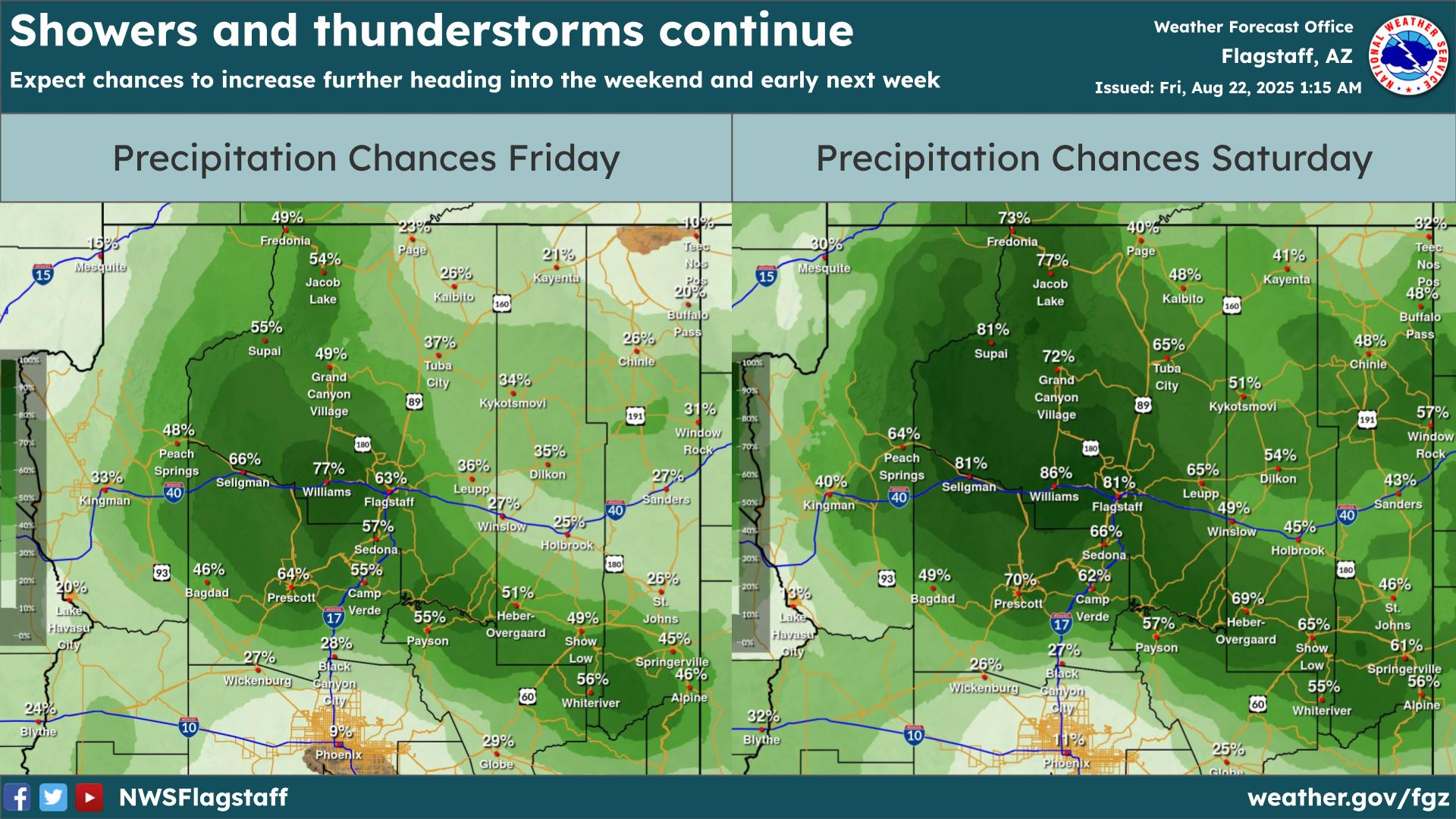
- Summer (June-August): Summers in Flagstaff are remarkably mild compared to the scorching heat of southern Arizona. This makes it a popular escape, drawing visitors seeking respite from the heat. Monsoons often bring dramatic afternoon thunderstorms in July and August, creating stunning skies. It’s peak season for visiting the Grand Canyon National Park, exploring Oak Creek Canyon, and enjoying downtown festivals. The constant time zone means more usable daylight in the morning, pushing back the hottest part of the day.
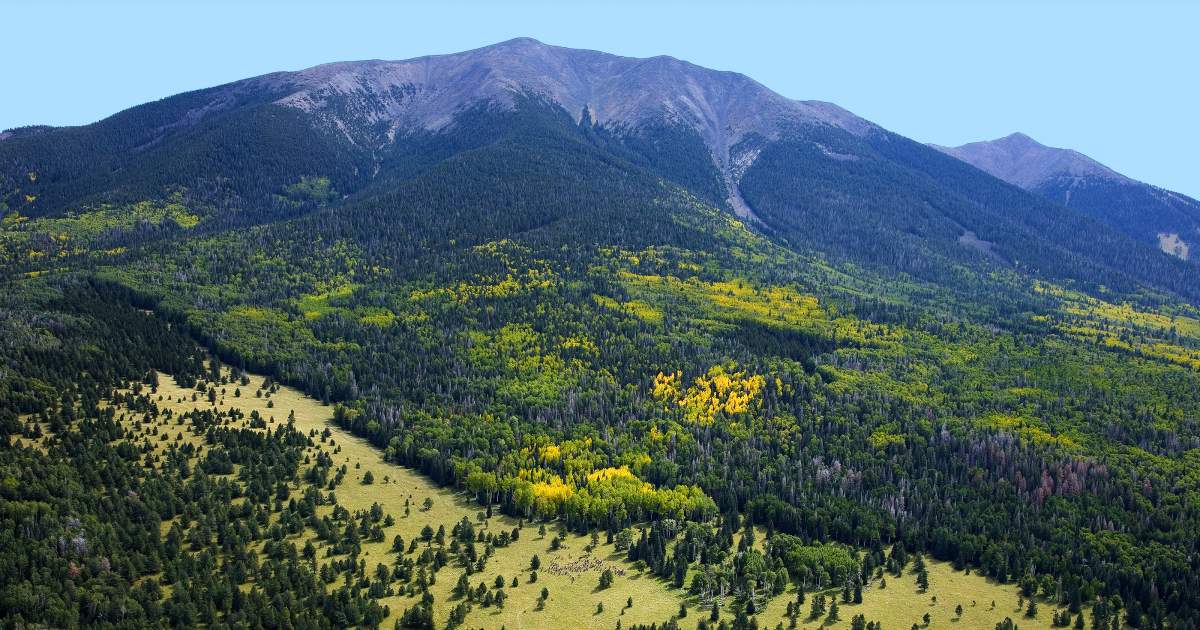
- Autumn (September-November): Arguably one of the most picturesque times, autumn in Flagstaff features breathtaking displays of golden aspen leaves, especially around Humphreys Peak. The weather is generally pleasant for hiking, scenic drives, and enjoying local harvest festivals. The cooler temperatures and vibrant colors make it a favorite for many travelers, particularly those interested in photography and nature.
- Winter (December-February): Flagstaff transforms into a winter wonderland, earning its reputation as a premier snow destination in Arizona. Arizona Snowbowl offers skiing and snowboarding, while downtown Flagstaff becomes a festive hub with holiday lights and events. Snowshoeing, cross-country skiing, and sledding are popular activities. Winter travel offers a completely different, serene lifestyle experience.
Best Time to Book Accommodation
Given its year-round appeal and strategic location near major landmarks like the Grand Canyon, Flagstaff can get busy.
- Peak Season (Summer & Fall foliage): If you’re planning a summer escape or an autumn leaf-peeping adventure, it’s highly recommended to book your hotels, resorts, or other accommodation options several months in advance. Availability can become scarce, and prices tend to be higher during these popular times. Many families choose Flagstaff for summer vacations due to its cooler temperatures, especially for those visiting Northern Arizona University.
- Shoulder Seasons (Spring & Late Winter): Spring offers a sweet spot with pleasant weather and fewer crowds, often leading to better deals on accommodation. Late winter, after the initial holiday rush but before spring break, can also provide opportunities for more affordable stays, especially for those interested in a quieter, snowy experience without the peak crowds.
- Off-Peak (Weekdays in Winter/Early Spring): For budget-conscious travelers or those seeking a more tranquil visit, weekdays during the winter (excluding holiday periods) and early spring can offer the most competitive rates for various hotels and suites. Flexibility in your travel dates can significantly impact your booking options and overall budget.
Top Attractions and Experiences in Flagstaff
Flagstaff isn’t just a convenient base for exploring surrounding wonders; it’s a destination in its own right, rich with natural beauty, history, and cultural experiences. Its elevation means cooler temperatures, making it a comfortable haven even when the rest of Arizona is sweltering.
Natural Wonders and Outdoor Adventures
- Grand Canyon National Park: A majestic natural landmark and one of the world’s seven natural wonders, the South Rim of the Grand Canyon is just a 90-minute drive from Flagstaff. This proximity makes Flagstaff an ideal base for day trips, offering diverse accommodation and dining options that are often more accessible than those within the park itself.
- Oak Creek Canyon & Sedona: South of Flagstaff lies the stunning Oak Creek Canyon, often called the “little Grand Canyon.” Its scenic drive leads to Sedona, famous for its vibrant red rock formations, spiritual vortexes, and thriving arts community. It’s a perfect half-day or full-day excursion for those seeking picturesque views and a different high-desert landscape.
- Arizona Snowbowl: Located on the slopes of the San Francisco Peaks, Arizona Snowbowl is a popular ski resort offering downhill skiing and snowboarding in winter. In summer, the scenic chairlift provides breathtaking panoramic views of the entire Flagstaff area and beyond, a truly memorable travel experience.
- National Monuments: Within a short drive, visitors can explore Wupatki National Monument (ancient pueblo ruins), Sunset Crater Volcano National Monument (a volcanic cinder cone), and Walnut Canyon National Monument (cliff dwellings), each offering a glimpse into the region’s rich geological and human history.
- Hiking and Biking: The extensive trail system around Flagstaff caters to all skill levels, from leisurely walks through pine forests to challenging treks up Humphreys Peak, Arizona’s highest point. Mountain biking is also incredibly popular, with numerous trails for enthusiasts.
Exploring Culture, History, and the Night Sky
- Lowell Observatory: As the world’s first International Dark Sky City, Flagstaff is a haven for stargazers. Lowell Observatory, where Pluto was discovered, offers public tours, telescope viewing, and educational programs, making it a must-visit for anyone fascinated by the cosmos. This landmark offers a unique night-time tourism experience.
- Historic Route 66: Flagstaff proudly sits along the legendary Route 66, with a vibrant downtown area preserving much of its historic charm. Visitors can stroll along the iconic road, admire historic buildings, and soak in the nostalgic atmosphere. Many local businesses, including hotels and restaurants, embrace the Route 66 heritage, offering a distinct lifestyle touch.
- Museum of Northern Arizona: This museum showcases the natural and cultural history of the Colorado Plateau, featuring exhibits on Native American art and cultures (including the Hopi and Navajo), geology, and biology. It’s an enriching stop for those looking to understand the region’s deep heritage.
- Downtown Flagstaff: The historic downtown is the heart of the city, bustling with unique shops, art galleries, craft breweries, and diverse restaurants. It’s a great place to spend an afternoon or evening, enjoying the local scene and the vibrant energy, especially with events often taking place in the central plaza.
Where to Stay: Hotels and Accommodation Options
Flagstaff’s popularity as a travel hub means a wide range of accommodation options to suit every preference and budget. Whether you’re seeking luxury travel or budget-friendly travel, you’ll find a place to call home.
Luxury to Budget-Friendly Stays
- Luxury & Upscale Hotels: For those seeking premium comfort and amenities, Flagstaff offers several high-end hotels and resorts. Options like the Little America Hotel provide spacious rooms, beautiful grounds, and excellent service, often with pools and dining facilities. For a more intimate, historic feel, some boutique hotels downtown offer a refined experience, blending modern comforts with old-world charm. These establishments cater to a discerning clientele looking for more than just a place to sleep.
- Mid-Range Hotels and Suites: The majority of Flagstaff’s accommodation falls into this category, offering a comfortable balance of price and amenities. Chains like Drury Inn & Suites Flagstaff, Highlands Inn by Best Western Plus, and Embassy Suites by Hilton Flagstaff are popular, especially for family trips or business stays, offering features such as complimentary breakfast, indoor pools, and fitness centers. These are often strategically located near major highways for easy access to attractions.
- Budget-Friendly Options: Travelers on a tighter budget will find numerous motels and economy hotels along Route 66 and the main thoroughfares. These provide clean, comfortable rooms without the frills, focusing on value. Many offer free parking and basic amenities, making them suitable for quick stops or extended stays where the focus is more on exploring the outdoors than on in-hotel luxuries.
Unique Accommodations and Resorts
Beyond traditional hotels, Flagstaff offers some distinctive lodging experiences:
- Historic Hotels: The iconic Hotel Monte Vista in downtown Flagstaff offers a glimpse into the city’s past, with unique rooms and a storied history, rumored to even have a few friendly ghosts. Staying here is an experience in itself, immersing guests in the local history and culture.
- Vacation Rentals (Apartments, Villas, Cabins): For longer stays, family trips, or groups, vacation rentals—ranging from cozy apartments downtown to secluded cabins nestled in the surrounding pine forests—are an excellent choice. Platforms offer a wide selection, often providing more space, kitchens, and a home-away-from-home feel. This option is perfect for those seeking a more integrated lifestyle experience during their visit.
- Campgrounds and RV Parks: For outdoor enthusiasts, numerous campgrounds and RV parks are available in and around Flagstaff, particularly within the Coconino National Forest. These cater to those who prefer an immersive natural experience, offering facilities from primitive tent sites to full-hookup RV spots. This is the ultimate budget travel option and connects directly with the spirit of Arizona’s natural tourism.
When selecting your accommodation, consider its proximity to the attractions you plan to visit, the amenities you desire (e.g., pools, pet-friendly policies, dining), and the overall vibe you’re looking for—whether it’s the lively energy of downtown or the serene quiet of the forest outskirts. Reviews and comparisons on platforms can be invaluable resources in making your decision.
Making the Most of Your Flagstaff Lifestyle and Tourism Experience
Beyond the ticking clock and the beautiful sights, Flagstaff offers a complete lifestyle and tourism package. The combination of its distinct seasons, natural wonders, and vibrant downtown creates an enriching environment for all types of travelers.
Dining, Shopping, and Local Flavors
Flagstaff’s culinary scene is as diverse as its landscapes. From upscale dining establishments to casual cafes and a burgeoning craft brewery scene, there’s something to satisfy every palate. You can find everything from farm-to-table restaurants showcasing local Arizona ingredients to international cuisine. The city is also known for its vibrant coffee culture and numerous independent shops and art galleries, particularly in the historic downtown area. Exploring these local businesses not only supports the community but also offers unique souvenirs and authentic experiences. Don’t forget to sample local Southwestern specialties, which often blend Native American, Mexican, and cowboy influences into distinct and flavorful dishes. Many establishments embrace the Flagstaff lifestyle of outdoor activity, offering hearty meals perfect after a day on the trails or slopes.
Travel Tips for an Unforgettable Journey
To ensure your Flagstaff adventure is as smooth and enjoyable as possible, keep these travel tips in mind:
- Check the Time Zone: Reconfirm the time when making reservations or planning activities, especially if you’re traveling during the Daylight Saving Time period in other states.
- Pack Layers: Due to its elevation, temperatures in Flagstaff can fluctuate significantly, even within a single day. Layered clothing is essential, regardless of the season. Even summer evenings can be cool.
- Stay Hydrated: The dry Arizona air and high altitude can lead to dehydration. Drink plenty of water, especially if engaging in outdoor activities.
- Book in Advance: As mentioned, accommodation and popular tours can fill up quickly, particularly during peak seasons. Booking ahead will save you stress and potentially money.
- Respect the Environment: Flagstaff is surrounded by pristine natural beauty. Practice Leave No Trace principles to help preserve these precious landmarks and natural spaces.
- Consider Travel Insurance: For peace of mind, especially when planning longer trips or those involving outdoor adventures, travel insurance can be a wise investment.
In conclusion, “What time is it now in Flagstaff, Arizona?” is more than a simple question; it’s an invitation to explore a region where time operates a little differently, where seasons paint the landscape with ever-changing beauty, and where a rich tapestry of tourism, travel, and unique lifestyle experiences awaits. From historic hotels to breathtaking landmarks and diverse accommodation options, Flagstaff promises an unforgettable journey any time of the year.