
The question “What time is it right now Texas?” might seem simple, but for a state as vast and diverse as the Lone Star State, the answer is surprisingly nuanced. Covering over 268,000 square miles, Texas spans two distinct time zones, making the answer crucial for anyone planning a visit, conducting business, or simply trying to connect with friends and family across its expansive landscape. Understanding Texas’s time zones is more than just a matter of checking a clock; it’s the first step in unlocking a seamless and unforgettable travel experience, from the bustling metropolises of its eastern half to the rugged, awe-inspiring beauty of its western frontiers.
Whether you’re a seasoned traveler or a first-time visitor, deciphering Texas’s time zones is essential for optimizing your itinerary, booking accommodations, and immersing yourself in the local culture without a hitch. This guide delves into the specifics of Texas’s temporal divisions, offering insights into how they impact your travel plans and presenting a comprehensive overview of the incredible destinations, landmarks, and lifestyle experiences that await you across this magnificent state.

Navigating the Lone Star State’s Time Zones
The sheer size of Texas necessitates a division that accommodates the sun’s journey across its extensive longitude. Most of Texas operates on one time zone, but a significant portion of its western region adheres to another, creating an important distinction for travelers and residents alike.
Understanding Central and Mountain Time
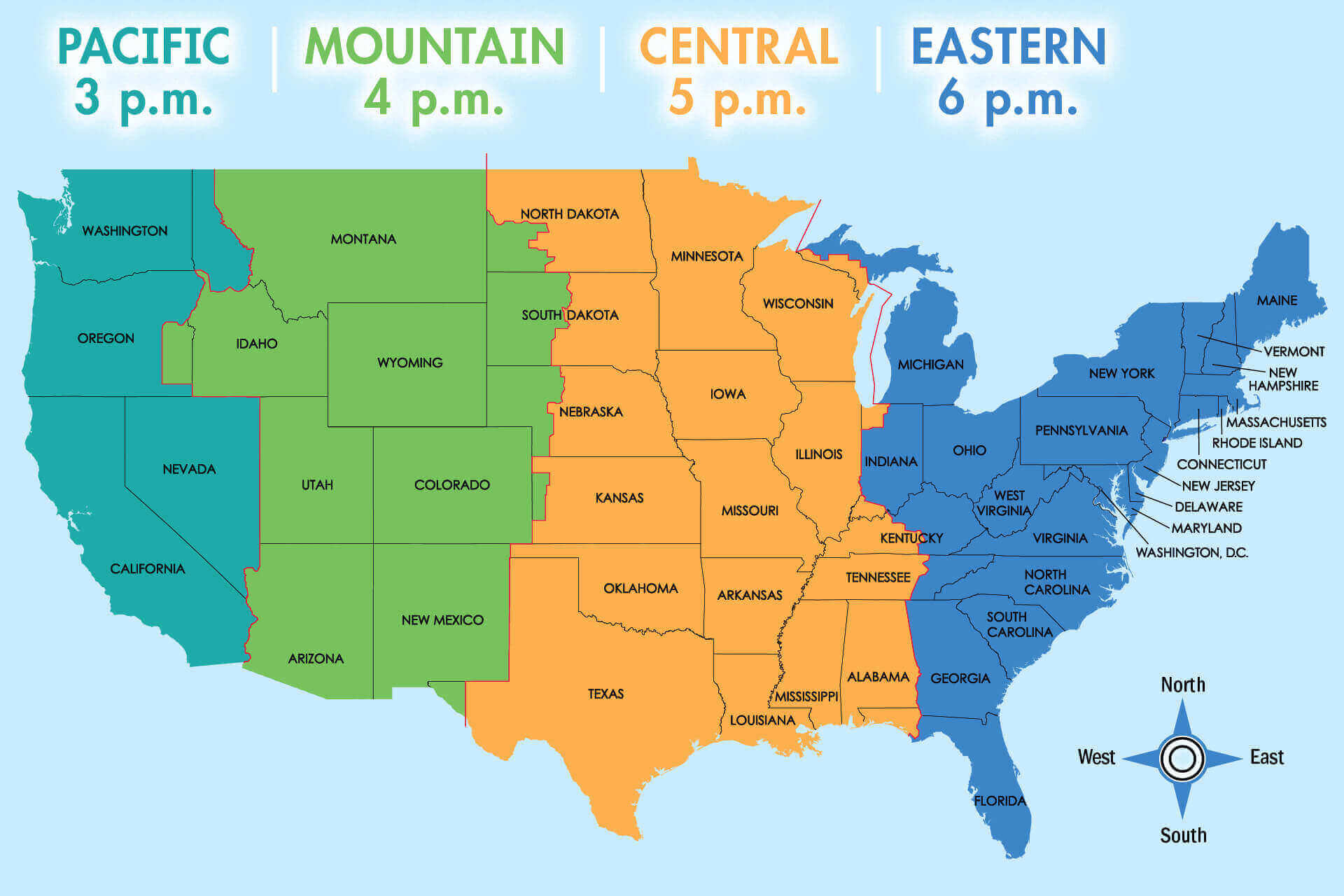
The vast majority of Texas, including its major cities like Houston, Dallas, Austin, San Antonio, and Fort Worth, observes Central Time (CT). This time zone is six hours behind Coordinated Universal Time (UTC-6) during standard time and five hours behind (UTC-5) during Daylight Saving Time.
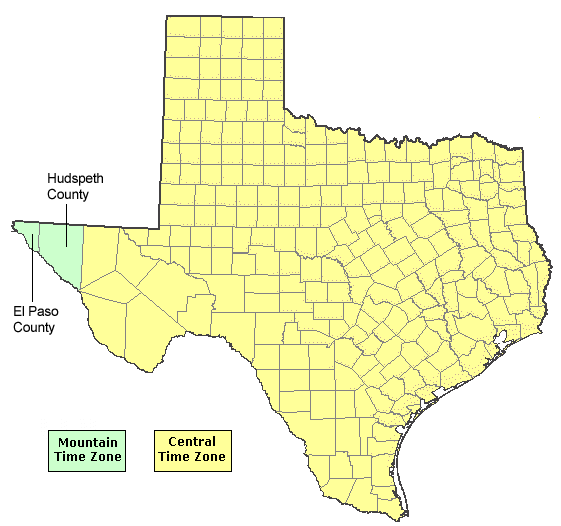
However, a small but geographically significant portion of western Texas operates on Mountain Time (MT). Specifically, El Paso County and Hudspeth County, located at the extreme western edge of the state, follow Mountain Time. This means they are one hour behind the rest of Texas. Mountain Time is seven hours behind UTC (UTC-7) during standard time and six hours behind (UTC-6) during Daylight Saving Time. This seemingly minor difference can have major implications for travel logistics, communication, and scheduling.
Practical Implications for Travelers
For visitors to Texas, understanding this time zone split is paramount. Imagine flying into Dallas in Central Time for a business meeting, then planning a road trip to El Paso to explore the Chihuahuan Desert. Without factoring in the one-hour time difference, you could easily miss appointments, arrive late for bookings, or miscalculate travel times.
- Flight Schedules and Connections: When booking flights, especially those involving connecting flights within Texas or to neighboring states that share different time zones (like New Mexico or Oklahoma), always confirm departure and arrival times in local time.
- Hotel Check-ins and Tours: If your itinerary involves staying in both Central Time and Mountain Time areas, double-check your accommodation booking times and tour start times. A missed check-in can mean lost money or a scramble for alternative arrangements.
- Communication: Keep the time difference in mind when scheduling calls or virtual meetings with contacts in different parts of the state. What might be late afternoon in Houston could already be evening in El Paso.
- Daylight Saving Time: Texas observes Daylight Saving Time, shifting clocks forward an hour in the spring and back an hour in the fall. Both the Central Time and Mountain Time zones within Texas adhere to this, so the one-hour difference between them remains consistent.
Planning Your Texas Itinerary: Destinations Across Time
Texas is a land of endless exploration, offering everything from vibrant urban centers and historical landmarks to breathtaking natural wonders. Understanding its time zones helps craft an itinerary that flows seamlessly, allowing you to maximize every moment of your journey through its diverse regions.
Eastward Charms: Central Time Zone Adventures
The majority of Texas’s iconic destinations lie within the Central Time zone, offering a rich tapestry of experiences that cater to every interest.
Houston: The Space City and Culinary Hub
As Texas’s largest city, Houston is a dynamic metropolis famed for its contributions to space exploration, world-class Museum District, and incredible culinary scene. A visit to the NASA Johnson Space Center is a must, where you can walk through mission control, touch a moon rock, and learn about humanity’s journey to the stars. The city also boasts a thriving arts scene, lush parks, and diverse neighborhoods, each offering unique attractions. For accommodation, Houston offers everything from luxurious downtown hotels and boutique stays in the Galleria area to budget-friendly options near major attractions, ensuring a comfortable base for your urban exploration. Its vibrant tourism scene includes everything from professional sports to lively annual festivals.
Dallas and Fort Worth: Where Urban Sophistication Meets Cowboy Heritage
The Dallas-Fort Worth Metroplex offers a compelling contrast of modern urbanity and authentic Western heritage. Dallas is a hub of commerce, fashion, and culture, home to the impressive Dallas Arts District, upscale shopping, and the poignant Sixth Floor Museum at Dealey Plaza, which chronicles the legacy of President John F. Kennedy. Accommodation options range from high-rise luxury hotels to stylish boutique properties, catering to business travelers and leisure seekers alike.
Just a short drive west, Fort Worth embraces its “Cowtown” roots. The Fort Worth Stockyards National Historic District transports visitors back to the Old West with daily cattle drives, rodeo events, and lively saloons. It’s a prime example of Texas’s rich history and offers a unique cultural experience. From historic inns to modern hotels, Fort Worth provides diverse lodging that matches its distinct character. Exploring both cities provides a holistic view of the Texas lifestyle.
Austin: The Live Music Capital of the World
Austin, the state capital, lives up to its moniker as the “Live Music Capital of the World.” This quirky and progressive city pulsates with energy, from the iconic South by Southwest and Austin City Limits festivals to its countless live music venues, fantastic food truck scene, and outdoor recreational opportunities along Lady Bird Lake. The Texas State Capitol building is a magnificent landmark worth exploring, showcasing impressive architecture and history. Austin offers a wide array of accommodations, from luxury hotels overlooking the lake to trendy boutique hotels and vacation rentals, catering to its diverse visitor base who come for its unique blend of culture, tech innovation, and laid-back lifestyle.
San Antonio: History and Romance on the River
San Antonio is arguably Texas’s most historic and charming city. It’s home to the legendary Alamo, a symbol of Texas independence and a pivotal landmark in American history. Beyond the Alamo, the enchanting San Antonio River Walk (simply known as the River Walk) is a pedestrian promenade lined with shops, restaurants, and hotels, offering boat tours and a vibrant atmosphere. The city also boasts several historic Spanish missions, which are UNESCO World Heritage Sites. Accommodation here ranges from grand historic hotels along the River Walk to modern resorts and family-friendly options, ensuring a memorable stay in this culturally rich city. The local tourism thrives on showcasing its unique blend of Mexican and American heritage, delicious Tex-Mex cuisine, and romantic ambiance.
Western Horizons: Mountain Time Zone Explorations
Venturing into western Texas means stepping into the Mountain Time zone and a landscape of rugged beauty, vast deserts, and stunning national parks.
El Paso: Where Texas Meets Mexico
El Paso, the largest city in the Mountain Time zone, offers a unique blend of American and Mexican cultures due to its close proximity to the border. Nestled at the foot of the Franklin Mountains, it’s a gateway to outdoor adventures, with hiking, rock climbing, and scenic drives. The city’s rich history is evident in its missions, museums, and vibrant arts scene. Its location across the border from Ciudad Juarez, Mexico, adds an international flavor to its food, music, and traditions. Accommodation in El Paso ranges from modern hotels to charming historic properties, providing comfortable bases for exploring the city and its surrounding natural beauty.
Big Bend National Park: A Natural Masterpiece
Further south and east of El Paso, yet still operating on Mountain Time (though some remote areas can be confusing), lies Big Bend National Park. This immense wilderness area, bordering Mexico along the Rio Grande, is a hiker’s paradise and a haven for stargazers. Its dramatic landscapes feature towering mountains, deep canyons, and vast desert expanses, offering unparalleled opportunities for outdoor adventure. Accommodation within the park is limited to the historic Chisos Mountain Lodge and several campsites, making advance booking essential. Nearby towns like Terlingua and Study Butte offer additional lodging, from rustic cabins to unique glamping experiences, perfect for those seeking to immerse themselves in the rugged Texas frontier lifestyle. This region provides an authentic experience of the Texas tourism focused on nature and conservation.
Accommodation and Lifestyle: Enhancing Your Texas Experience
Beyond the ticking clock, Texas offers a lifestyle and a range of accommodations that promise to make any visit memorable.
Finding Your Perfect Stay: From Urban Luxury to Rustic Retreats
Texas caters to every preference and budget when it comes to accommodation.
- Luxury Resorts and Boutique Hotels: In cities like Dallas, Houston, and Austin, you’ll find a plethora of five-star resorts and chic boutique hotels offering unparalleled amenities, fine dining, and prime locations for exploring urban attractions. These establishments often feature spas, pools, and concierge services, ideal for those seeking a pampered experience.
- Historic Inns and Charm: San Antonio and Fort Worth boast charming historic inns that transport guests back in time, offering unique character and personalized service. These accommodations are often nestled in historic districts, providing easy access to landmarks and cultural sites.
- Budget-Friendly Options: Major chains and independent motels are widely available across the state, offering comfortable and affordable stays for families and budget-conscious travelers. Many are conveniently located near highways and popular attractions.
- Unique Stays: For those seeking something different, Texas offers everything from charming bed and breakfasts in small towns to dude ranches in the countryside, providing an authentic taste of the Texas lifestyle. Near natural parks, glamping sites and rustic cabins provide opportunities for nature immersion. When booking, consider the website’s robust tools for accommodation comparison and reviews to ensure you find the perfect fit for your trip.
Embracing the Texan Lifestyle: Culture, Cuisine, and Activities
The Texas lifestyle is as diverse as its landscape, offering a wealth of cultural experiences, mouth-watering cuisine, and thrilling activities.
- Culinary Delights: No trip to Texas is complete without indulging in its legendary BBQ. From slow-smoked brisket to spicy sausages, Texas BBQ is an art form. Equally iconic is Tex-Mex cuisine, a delicious fusion of Mexican and American flavors found in vibrant fajitas, enchiladas, and tacos. The coastal areas also offer fresh seafood, while cities like Houston and Dallas boast international dining scenes.
- Music and Arts: From Austin’s live music venues to grand opera houses and art museums in Houston and Dallas, the arts thrive in Texas. Check local listings for concerts, theater productions, and art exhibitions to enrich your cultural tourism experience.
- Outdoor Activities: With its varied terrain, Texas is an outdoor enthusiast’s dream. Hike and bike in state parks, explore the caves of the Texas Hill Country, go fishing or boating on its numerous lakes and Gulf Coast waters, or immerse yourself in the rugged beauty of Big Bend National Park.
- Western Heritage: Experience a genuine rodeo, visit a working ranch, or explore the historic trails that shaped the Old West. Fort Worth’s Stockyards offer an excellent window into this iconic aspect of Texan culture.
Essential Tips for Your Texas Journey
As you plan your extensive journey through the United States and specifically Texas, a few key considerations will ensure your trip is as smooth and enjoyable as possible.
Time Zone Awareness for Seamless Travel
Always confirm the local time for all your bookings and activities. When communicating with people across the state, specify the time zone (e.g., “3 PM CT” or “2 PM MT”) to avoid any confusion. Digital devices will usually update automatically, but it’s wise to manually double-check, especially when crossing into the Mountain Time zone from the Central Time zone. This small vigilance can prevent significant logistical headaches and keep your travel plans on track.
Beyond the Clock: Maximizing Your Lone Star Adventure
- Plan Ahead: Given the size of Texas, a well-thought-out itinerary is crucial. Decide which regions you want to explore and allocate sufficient travel time between destinations. Utilize online guides and resources to help you curate your perfect trip, considering both popular attractions and hidden gems.
- Book Accommodations in Advance: Especially during peak seasons or major events like South by Southwest in Austin or the Houston Livestock Show and Rodeo, popular hotels and unique stays can book up quickly. Browsing through various options, from luxury suites to cozy apartments, and reading reviews on booking platforms will help you secure the best lodging.
- Embrace the Road Trip: Texas is a state built for road trips. Rent a car to explore at your own pace, stopping at roadside diners, small towns, and scenic viewpoints. Be mindful of distances, as journeys between major cities can take several hours.
- Stay Hydrated and Prepared: Especially in the hotter months, stay hydrated, wear sun protection, and be prepared for changing weather conditions. If venturing into natural areas, carry sufficient water, snacks, and appropriate gear.
- Engage with Local Culture: From attending a local rodeo to trying authentic Texan cuisine at a family-owned restaurant, interacting with locals and immersing yourself in the culture will enrich your experience immeasurably. Don’t hesitate to ask for recommendations – Texans are known for their hospitality.
In conclusion, understanding “What time is it right now [Texas]?” is more than just a quick glance at a clock; it’s an essential starting point for planning an incredible journey through a state that promises adventure, culture, and unforgettable memories. By being aware of its time zones and embracing its diverse offerings, you’re well-equipped to experience the best of the Lone Star State, from its vibrant cities to its serene wilderness, all on your own time.