
Embarking on a journey to the Golden State requires more than just a well-packed suitcase; it demands an understanding of its unique rhythm, beginning with its time zone. For travelers, business professionals, and even curious minds planning future adventures, knowing the current time in California is the first step towards a seamless experience. As a vast and iconic state, California operates under a single, unified time standard, ensuring consistency from its bustling urban centers to its tranquil natural landscapes. This article delves into the specifics of California’s time zone, its implications for your travel plans, and practical tips to ensure your visit is perfectly synchronized with the local pace. Whether you’re planning to explore world-renowned landmarks, indulge in luxurious accommodation experiences, or simply immerse yourself in the vibrant lifestyle of this incredible destination, understanding the clock is paramount.
Understanding California’s Time Zone: Pacific Standard and Daylight Time
California observes what is known as Pacific Time, a designation that shifts between Pacific Standard Time (PST) during the colder months and Pacific Daylight Time (PDT) in the warmer seasons. This biannual adjustment is a crucial aspect of life and travel planning across the state.
Pacific Standard Time (PST) and Pacific Daylight Time (PDT): The Biannual Shift
During the majority of the year, specifically from the second Sunday in March to the first Sunday in November, California adheres to Pacific Daylight Time (PDT). This means the clocks are set to UTC-7 (Coordinated Universal Time minus seven hours). This shift forward by one hour from Standard Time is a practice known as Daylight Saving Time, designed to maximize daylight hours in the evening. The extended daylight is particularly appreciated in California, allowing visitors and residents alike more time to enjoy outdoor attractions, indulge in late afternoon tourism activities, or simply relax on a patio as the sun sets.
Conversely, from the first Sunday in November to the second Sunday in March, the state reverts to Pacific Standard Time (PST), which is UTC-8. The clocks “fall back” one hour, bringing earlier sunsets and later sunrises. While the evenings are shorter, this period often coincides with winter sports seasons in areas like Lake Tahoe or cooler, pleasant weather for exploring desert regions such as Palm Springs. It’s essential for travelers to note this change, particularly when booking flights, making hotel reservations, or scheduling events that straddle the Daylight Saving Time transition dates. Online booking platforms typically adjust automatically, but a quick double-check can prevent any timing mishaps.

Geographic Consistency: A Unified Time Zone Across the State
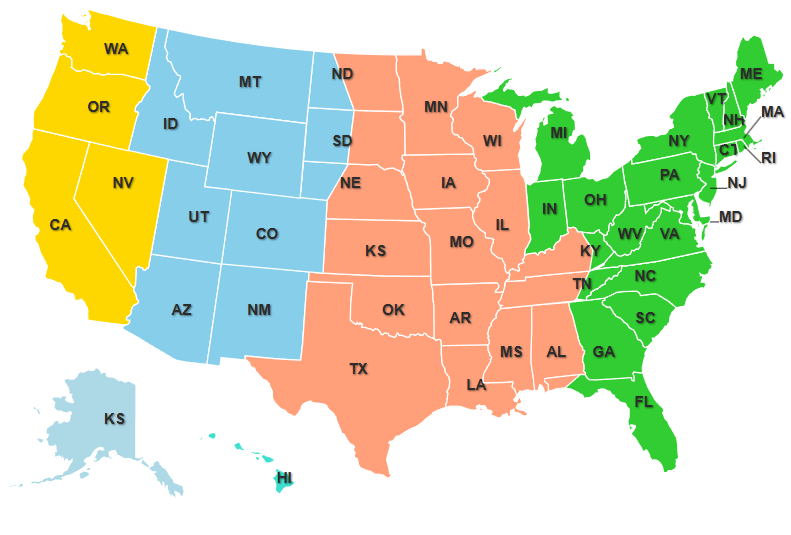
One of the convenient aspects of California’s time zone is its uniformity. Unlike some other large states or countries that span multiple time zones, the entire state of California operates on Pacific Time. This means whether you’re enjoying the vibrant culture of San Francisco, exploring the Hollywood glamour of Los Angeles, surfing the waves in San Diego, or hiking the majestic trails of Yosemite National Park, your clock will always be set to the same local time. This simplifies travel planning significantly, eliminating the need to adjust your watch as you traverse different regions within the state. From the northern redwood forests near Eureka to the southern border city of Calexico, every clock chimes in unison, making internal state itineraries much more straightforward to manage.
The Impact of Time Zones on Your California Travel Experience
Understanding California’s time zone goes beyond merely knowing the current hour; it critically influences almost every facet of your trip, from your initial arrival to your daily exploration and departure. Strategic planning around time can significantly enhance your enjoyment and minimize stress.
Planning Your Arrival and Departures: Flights, Hotels, and Transportation
The most immediate impact of time zones will be felt upon your arrival and departure, especially if you’re traveling from a different time zone. Flights are scheduled according to local time, so if you’re flying from the East Coast of the United States (Eastern Time, UTC-5/UTC-4), you’ll gain three hours when you land in California. This can feel like a bonus, allowing for an earlier start to your travel day or an opportunity to settle into your accommodation. Conversely, flying eastward means losing those hours, making early morning flights feel even earlier. Major airports like Los Angeles International Airport (LAX), San Francisco International Airport (SFO), and San Diego International Airport are bustling hubs where timely arrivals and departures are key. Confirming your hotel check-in and check-out times in local Pacific Time is essential to avoid any surprises, particularly after a long flight. Similarly, pre-booked airport transfers, rental car pickups, or train schedules (like Amtrak services along the scenic California coast) must all align with local time to prevent delays or missed connections.
Synchronizing with Local Activities and Attractions: Maximizing Your Visit
California is brimming with diverse attractions, and their operating hours are strictly based on local time. Missing an important reservation or arriving after closing hours can be a significant disappointment. For instance, theme parks like Disneyland Resort in Anaheim or Universal Studios Hollywood in Los Angeles have strict opening and closing times, often with special events or parades scheduled at precise moments. Museums, such as The Getty Center or the California Academy of Sciences, adhere to specific visiting hours, sometimes closing early on certain days. Dining is another area where time awareness is crucial. Popular restaurants in cities like San Francisco or Los Angeles often require reservations well in advance, and a late arrival could mean forfeiting your table. Similarly, guided tours, wine tastings in Napa Valley, or whale watching excursions off the coast of Monterey are all time-sensitive activities. Always verify the local operating hours and ensure your itinerary accounts for Pacific Time, especially if you are crossing over Daylight Saving Time dates.
Business and Remote Work Considerations: Staying Connected
For business travelers or those working remotely while enjoying a California vacation, managing time differences is paramount. Meetings with colleagues or clients in different time zones, particularly on the East Coast or internationally, require careful scheduling. A 9 AM meeting for someone in New York City (Eastern Time) translates to a 6 AM start for you in Los Angeles. Conversely, an afternoon meeting on the West Coast might extend into the late evening for your international counterparts. Many business hotels and resorts in California offer excellent Wi-Fi and business centers, but the onus is on the individual to manage their schedule effectively. Utilize online meeting schedulers that automatically convert time zones to prevent misunderstandings and ensure you’re always punctual, even when miles and hours separate you from your team.
Navigating California’s Diverse Regions with Time in Mind
California’s immense geographic and cultural diversity means that while the time zone remains constant, how you perceive and utilize that time can vary greatly depending on your chosen region. From bustling metropolitan areas to serene natural escapes, each environment offers distinct experiences that benefit from time-conscious planning.
Coastal Escapes and Urban Adventures: Los Angeles, San Francisco, San Diego
The vibrant coastal cities of Los Angeles, San Francisco, and San Diego are hubs of urban exploration and cultural immersion. In these densely populated areas, effective time management is key to navigating traffic, making the most of public transport, and fitting in multiple attractions. In Los Angeles, for example, exploring Hollywood, Beverly Hills, and the Santa Monica Pier in a single day requires a strategic itinerary. Rush hour traffic, which occurs typically from 7-10 AM and 4-7 PM Pacific Time, can drastically impact travel times between destinations. In San Francisco, coordinating cable car rides with visits to Alcatraz Island or the Golden Gate Bridge demands careful scheduling, as tours often operate on strict hourly slots. San Diego, with its laid-back atmosphere, still requires planning to visit Balboa Park, Gaslamp Quarter, and its beautiful beaches within a comfortable timeframe. When planning your travel activities in these cities, always consider the time of day, estimated travel durations, and the operating hours of specific venues to optimize your urban adventure.
Mountain Retreats and Desert Oases: Yosemite, Lake Tahoe, Palm Springs
Beyond the cities, California’s natural wonders offer a different perspective on time-sensitive planning. In mountain regions like Yosemite National Park or Lake Tahoe, daylight hours become paramount, especially for outdoor activities. Hiking, skiing, kayaking, or photography are best enjoyed during peak daylight, and preparing for earlier sunsets in winter months (Pacific Standard Time) is essential for safety and enjoyment. Many park services, visitor centers, and shuttle buses also operate on seasonal schedules, making it crucial to check their timings in advance.
Similarly, in desert oases like Palm Springs or Death Valley National Park, the intense heat during midday in summer months dictates a different rhythm. Activities are often best scheduled for early mornings and late afternoons when temperatures are more forgiving, making the most of the cooler parts of the day. This emphasis on leveraging daylight for outdoor pursuits highlights the importance of understanding the local time and how it interacts with natural conditions to create the most rewarding experiences. Whether you’re chasing waterfalls in the Sierra Nevada mountains or exploring the unique geology of the desert, local time dictates the pace of your adventure.
Tips for a Seamless Time Zone Transition in California
Adjusting to a new time zone, particularly if you’re experiencing a significant shift, can impact your initial days in California. However, with a few strategic tips, you can minimize the effects of jet lag and quickly immerse yourself in the local rhythm.
Beating Jet Lag: Strategies for Adjusting to Pacific Time
Jet lag, a common affliction for long-distance travelers, can manifest as fatigue, disorientation, and difficulty sleeping. When traveling to California from the east, you’ll generally be “gaining” hours, which can sometimes be easier to adjust to than losing them. However, your internal body clock will still need to catch up.
- Adjust Before You Go: A few days before your trip, try to gradually shift your sleep schedule closer to Pacific Time. If flying west, stay up a little later than usual.
- Hydrate: Drink plenty of water before, during, and after your flight to combat dehydration, which can worsen jet lag symptoms. Avoid excessive alcohol and caffeine.
- Embrace Natural Light: Upon arrival, expose yourself to natural daylight, especially in the morning. This helps reset your circadian rhythm. Take a walk around your hotel grounds or visit an outdoor attraction like the Santa Monica Pier or Golden Gate Park.
- Stay Active: Gentle exercise can help alleviate symptoms. Consider a light jog, a swim in your resort’s pool, or some stretching.
- Eat Light and Regularly: Stick to regular meal times according to Pacific Time to help signal to your body that it’s a new day.
- Prioritize Sleep: Even if it feels early, try to go to bed at a reasonable local time. Use eye masks and earplugs if needed to ensure restful sleep in your accommodation.
Essential Planning Tools: Time Zone Converters and Reliable Clock Settings
In today’s interconnected world, several tools can simplify time zone management for your California travel.
- Smartphone Settings: Ensure your phone’s clock is set to automatically update its time zone. This is perhaps the most reliable method, as it will instantly switch to Pacific Time upon arrival.
- Online Time Zone Converters: Websites and apps specifically designed for time zone conversion are invaluable. They allow you to easily compare Pacific Time with your home time zone or that of any business contacts.
- World Clocks: Many smartwatches and digital devices feature world clock functions, allowing you to display multiple time zones simultaneously, keeping you aware of the time back home while you immerse yourself in California’s vibrant lifestyle.
- Travel Apps: Many popular travel apps integrate time zone information, helping you keep track of flight schedules, hotel bookings, and tour times in local time.
Embracing the Local Rhythm: Adapting to Local Meal Times and Sleep Schedules
Beyond the technical aspects of time conversion, truly enjoying California means embracing its local rhythm. People tend to have dinner later than in some East Coast cities, and nightlife often extends well into the early hours, particularly in Los Angeles and San Francisco. Wake up when the sun rises over the Pacific Ocean, enjoy a leisurely breakfast at a local cafe, and plan your days around the natural light cycles.
For those seeking a taste of local culture, attending an evening concert at the Hollywood Bowl or catching a sunset view from the Griffith Observatory in Los Angeles means adapting to Pacific Time for your evening plans. Similarly, a morning hike in Runyon Canyon Park or an early visit to Fisherman’s Wharf in San Francisco will be greatly enhanced by aligning with the local schedule. By allowing your internal clock to sync with California’s pace, you’ll find yourself more relaxed, more engaged, and ultimately, more enriched by your travel experiences.
In conclusion, while the question “What time is now in USA California?” might seem straightforward, its answer unravels a layer of crucial planning for any visitor. California’s consistent observance of Pacific Time, fluctuating between PST and PDT, is a fundamental element that underpins every aspect of your trip. From coordinating flights and hotel check-ins to maximizing your time at world-class attractions and managing business commitments, being aware of the local clock is indispensable. By leveraging modern tools and consciously adapting to the state’s rhythm, you can ensure your California adventure is perfectly timed, allowing you to fully savor its diverse destinations, luxurious accommodations, and unparalleled tourism experiences. So, set your watch, embrace the Pacific Time zone, and get ready to experience all the Golden State has to offer.
LifeOutOfTheBox is a participant in the Amazon Services LLC Associates Program, an affiliate advertising program designed to provide a means for sites to earn advertising fees by advertising and linking to Amazon.com. Amazon, the Amazon logo, AmazonSupply, and the AmazonSupply logo are trademarks of Amazon.com, Inc. or its affiliates. As an Amazon Associate we earn affiliate commissions from qualifying purchases.