
The allure of a Hawaiian sunrise is a perennial draw for travelers. The islands, a verdant archipelago blessed with a tropical climate, offer a celestial spectacle that marks the beginning of each day with breathtaking beauty. Understanding the nuances of sunrise times in Hawaii is not just a matter of curiosity for the early riser; it’s a practical piece of knowledge that can profoundly enhance your travel experience, allowing you to align your itinerary with these natural marvels, whether for photography, spiritual reflection, or simply to witness the dawn paint the Pacific sky.

Hawaii’s unique geographical position straddling the Pacific Ocean, combined with its relatively consistent daylight hours throughout the year, contributes to predictable, yet varied, sunrise patterns across its distinct islands. The precise moment the sun crests the horizon is influenced by several factors, including the time of year and your specific location within the archipelago. This guide aims to demystify Hawaiian sunrise times, offering insights to help you plan your perfect dawn experience.
The Science and Art of Hawaiian Sunrises
Hawaii, situated at approximately 19 to 22 degrees North latitude, experiences a more stable pattern of daylight hours compared to regions at higher latitudes. This means the difference between the longest and shortest days of the year is less pronounced. However, seasonal shifts still play a significant role in the exact timing of sunrise.
Seasonal Variations in Sunrise
The Earth’s axial tilt causes the seasons, and consequently, the length of days and the timing of sunrise and sunset. In Hawaii, these variations are subtle but noticeable.
Summer Solstice and Beyond
Around the summer solstice in June, Hawaii experiences its longest daylight hours. Sunrise will be at its earliest, typically occurring shortly after 5:30 AM Hawaiian Standard Time (HST). As the year progresses towards autumn, the days begin to shorten, and sunrise times gradually shift later.
Winter Solstice and Retreating Light
By the winter solstice in December, Hawaii has its shortest daylight hours. Sunrise is at its latest, usually around 6:45 AM HST. Following the solstice, as the Earth moves towards spring, daylight hours begin to lengthen again, and sunrise times creep earlier once more.
The Impact of Daylight Saving Time
A common point of confusion for visitors is the observance of Daylight Saving Time (DST). Hawaii does not observe DST. This means that the official time in Hawaii, Hawaiian Standard Time (HST), remains constant throughout the year. When other parts of the United States are on DST, Hawaii will be a significant number of hours behind. This consistency simplifies planning for those who are aware of it, ensuring that the sun rises at approximately the same local time each day of a given season, regardless of external time shifts elsewhere.
Sunrise Timings Across the Hawaiian Islands
While the differences are minimal, the specific island and even the easternmost or westernmost point on an island can lead to slight variations in sunrise times. The principle of time zones, though simplified in Hawaii, still means that an island further east will see the sun rise fractionally earlier than an island further west.
Oahu: The Gathering Place
As the most populated island and home to the bustling city of Honolulu and the iconic Waikiki beach, Oahu offers numerous prime spots for sunrise viewing.
Early Morning at Waikiki
For many, the quintessential Hawaiian sunrise experience involves the soft glow illuminating the gentle waves of Waikiki. Here, sunrise times are consistent with the general island average. Depending on the season, expect to see the sun emerge between roughly 5:30 AM and 6:45 AM HST. This is an ideal time for a pre-breakfast stroll, a quiet moment of contemplation, or capturing stunning photographs with the silhouette of Diamond Head in the foreground.
Sunrise from the North Shore
The legendary North Shore of Oahu, famous for its colossal winter waves and laid-back vibe, also offers a magnificent sunrise. While geographically on the same island, the easternmost points might see the sun a minute or two earlier. Regardless, the vast expanse of the Pacific viewed from the North Shore provides a dramatic backdrop to the dawn.
Maui: The Valley Isle
Maui, known for its diverse landscapes, from the volcanic slopes of Haleakala to the lush Road to Hana, presents unique opportunities for witnessing the sunrise.
The Sacred Dawn at Haleakala
Perhaps the most celebrated sunrise in all of Hawaii occurs at the summit of the Haleakala National Park. This experience requires an early start, often involving a pre-dawn drive up the dormant volcano. The elevation of over 10,000 feet means you are literally above the clouds, witnessing the sun ascend from behind a sea of white. Sunrise times at the summit align with the island’s general timings, but due to the significant altitude and the need for acclimatization, it’s crucial to check the specific park advisories and sunrise forecasts for the summit area. Reservations are often required for early morning access to the summit area.
Coastal Sunrises on Maui
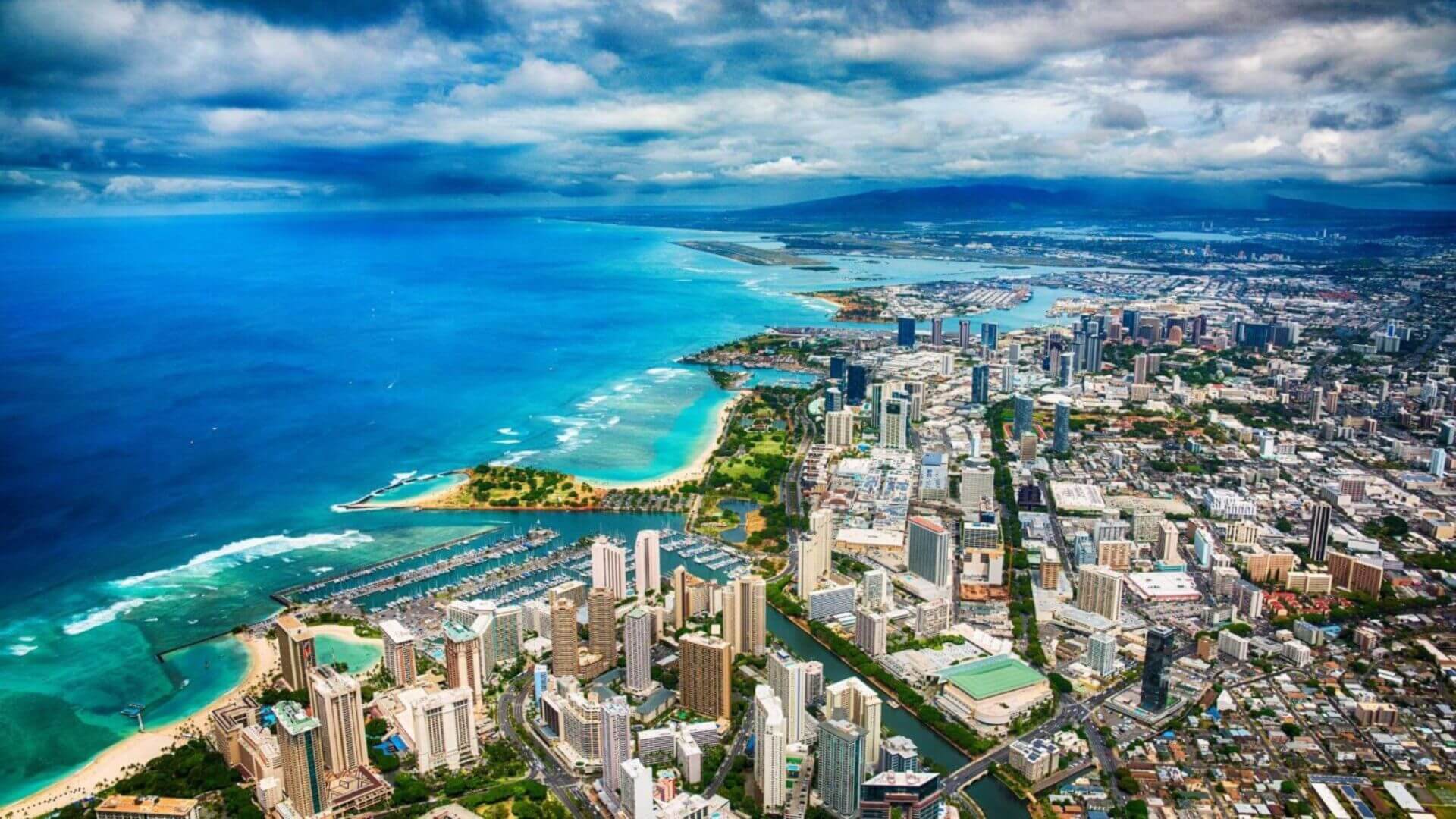
Beyond the volcanic heights, Maui’s coastline provides its own brand of sunrise beauty. Beaches like Ka’anapali and areas along the eastern shores offer accessible and beautiful vantage points. The eastern side of Maui, facing the open Pacific, is particularly good for catching the earliest rays.
Kauai: The Garden Isle
Kauai, with its dramatic cliffs of the Na Pali Coast and verdant interior, offers a more serene sunrise experience.
Poipu Beach and the South Shore
The south shore of Kauai, including popular spots like Poipu Beach, generally experiences sunrise within the island’s typical range. The calm waters here are perfect for a peaceful morning swim or a beachside breakfast as the day begins.
The East Side’s Early Light
Similar to other islands, the easternmost points of Kauai will see the sun rise slightly ahead of the western shores. Areas near Kapa’a can be excellent for catching the first light.
Island of Hawaii (The Big Island)
The Island of Hawaii, also known as the Big Island, boasts the most diverse geography, from active volcanoes to black sand beaches.
Sunrise Over Kilauea
Witnessing the sunrise over the geothermal landscape near the Kilauea caldera, within Hawaii Volcanoes National Park, is a profound experience. The light here can create an otherworldly glow, especially when combined with volcanic activity. Sunrise times will follow the island’s general pattern.
Coastal Views from the East
The eastern coastline of the Big Island, facing the vast Pacific, provides the most traditional sunrise views. Towns like Hilo are well-positioned to capture the dawn. As the westernmost island in the chain, the Big Island generally experiences sunrise slightly later than islands to its east, but the differences are marginal within a few minutes.
Planning Your Sunrise Excursion
Maximizing your sunrise experience in Hawaii involves more than just knowing the time. It requires a bit of planning and an appreciation for the environment.
Checking Accurate Sunrise Times
The most reliable way to ascertain the precise sunrise time for your specific dates and location is to consult up-to-date sources. Online weather services, astronomical websites, and local tourism boards often provide daily sunrise and sunset data for major Hawaiian locations. Remember to always specify the date and island you will be visiting. Mobile applications dedicated to astronomy or local guides can also be invaluable tools.
Best Viewing Locations and Tips
Each island offers unique vantage points. For photographers, consider locations that offer interesting foreground elements, such as iconic landmarks, unique geological formations, or tranquil shorelines. For a more immersive experience, look for beaches, lookouts, or elevated points that provide unobstructed views of the eastern horizon.
Preparing for the Dawn
- Check the Weather: While the sky is often clear at dawn, tropical weather can be unpredictable. A quick check of the local forecast can help you dress appropriately and avoid disappointment.
- Dress in Layers: Mornings, especially at higher elevations like Haleakala or even on the coast before the sun warms the air, can be cool. Lightweight layers are recommended.
- Bring Essentials: A camera is a must for many, but also consider a comfortable chair or blanket if you plan to linger. Insect repellent might be useful for some coastal areas.
- Respect the Environment: Hawaii’s natural beauty is precious. Adhere to all park rules, avoid disturbing wildlife, and pack out everything you pack in. If you are visiting a sacred or culturally significant site, do so with respect and reverence.
Sunrise Activities and Experiences
Beyond simply observing the sunrise, consider incorporating it into specific activities:
- Sunrise Yoga or Meditation: Many resorts and local studios offer early morning sessions on the beach, allowing you to greet the day with mindfulness and intention.
- Sunrise Photography Tours: Specialized tours can guide you to the best locations with optimal lighting conditions and provide expert tips.
- Early Morning Dining: Some restaurants and cafes open very early, offering a chance to enjoy a warm beverage or breakfast while watching the sky transform.
- Kayaking or Paddleboarding: For the adventurous, paddling out on calm waters as the sun rises offers a unique perspective.
Embracing the Hawaiian Dawn
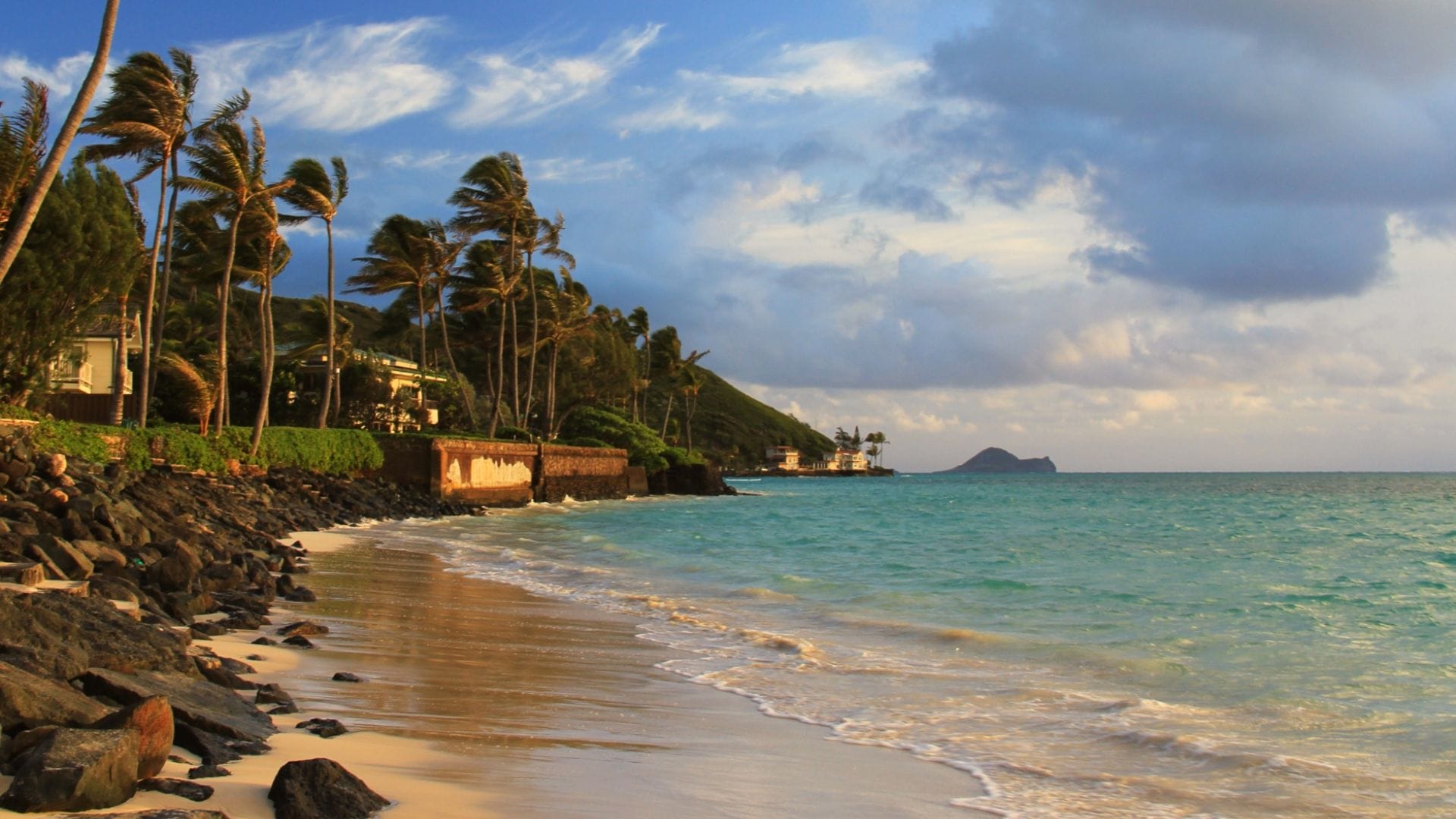
The time of sunrise in Hawaii is a rhythmic aspect of the islands’ charm, a predictable celestial event that nonetheless feels magical each time it occurs. Whether you are an early riser by nature or an occasional dawn adventurer, understanding the timing and embracing the opportunity to witness this daily spectacle will undoubtedly enrich your Hawaiian journey. From the iconic summit of Haleakala to the tranquil shores of Waikiki, the Hawaiian dawn is an invitation to pause, reflect, and connect with the profound beauty of the natural world. Plan your visit, check the times, and prepare to be mesmerized as the sun’s golden rays usher in a new day in paradise.
LifeOutOfTheBox is a participant in the Amazon Services LLC Associates Program, an affiliate advertising program designed to provide a means for sites to earn advertising fees by advertising and linking to Amazon.com. Amazon, the Amazon logo, AmazonSupply, and the AmazonSupply logo are trademarks of Amazon.com, Inc. or its affiliates. As an Amazon Associate we earn affiliate commissions from qualifying purchases.