
Few natural phenomena captivate the human spirit quite like a breathtaking sunset. The transition from day to night, painted across the sky in hues of gold, crimson, and lavender, is a universal spectacle. However, in the vibrant, electrifying atmosphere of Las Vegas, a sunset isn’t just a daily occurrence; it’s an event, a dramatic prelude to the city’s legendary nightlife, or a serene backdrop to the stunning natural landscapes that surround it. For travelers planning their visit to this iconic destination in Nevada, knowing the precise sunset time is more than just a trivial detail—it’s a crucial element for optimizing their itinerary, whether they aim to catch a spectacular view from a rooftop bar, embark on a scenic hike, or simply time their dinner reservations perfectly to watch the city lights awaken.
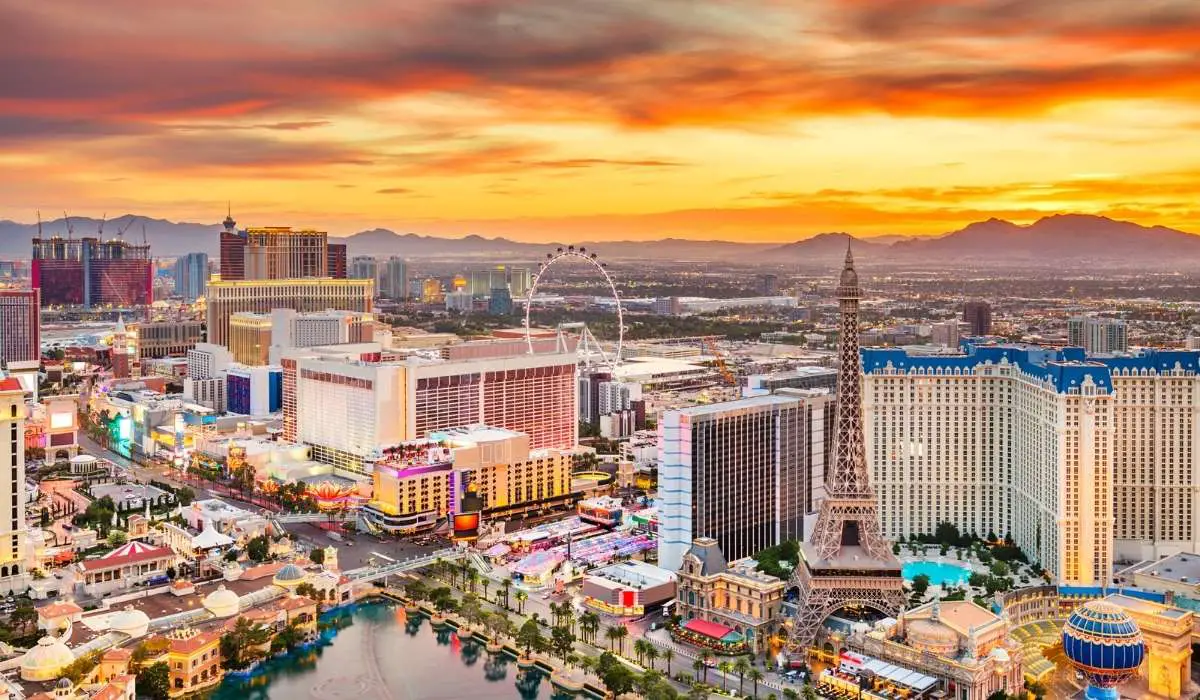
Las Vegas offers a unique intersection of urban extravagance and raw natural beauty, making its sunsets particularly special. The arid climate of the Mojave Desert, combined with the vast, unobstructed horizons, often results in skies ablaze with intense, saturated colors that are rarely seen in more humid regions. This article delves into how you can determine the exact sunset time during your visit, explores the fascinating factors that influence this daily phenomenon, and, most importantly, guides you to the most incredible spots—both within the city and in its remarkable surroundings—to witness this ephemeral magic. Prepare to transform your Las Vegas experience by making the sunset an unforgettable highlight of your trip.
Understanding Sunset in the Mojave Desert
The allure of a Las Vegas sunset is intrinsically linked to its unique geographical setting. Nestled within the Mojave Desert, the city benefits from atmospheric conditions that are ideal for producing exceptionally vibrant and dramatic skies. This section will explore the scientific principles behind these stunning displays and the various factors that dictate when exactly the sun dips below the horizon each day.
The Science Behind the Spectacle
A sunset, at its core, is a result of the Earth’s rotation and the scattering of sunlight by our atmosphere. As the sun descends towards the horizon, its light has to travel through a greater amount of the Earth’s atmosphere to reach our eyes. Shorter wavelength colors like blue and violet are scattered more efficiently by atmospheric particles (primarily nitrogen and oxygen molecules) and are diffused away, which is why the sky appears blue during the day. As the sun gets lower, most of the blue light is scattered away, allowing longer wavelength colors—red, orange, and yellow—to penetrate through and dominate the sky.
In the Mojave Desert, this effect is amplified. The desert air, typically dry and often carrying fine dust particles, acts as an additional scattering agent. These dust particles, though tiny, are larger than air molecules and scatter light differently, contributing to the rich reds and oranges often seen. Furthermore, the lack of widespread cloud cover, characteristic of desert climates, means that when clouds do form, they are often high-altitude wisps that catch the final rays of the sun, reflecting those intense colors back to earth and adding texture and depth to the celestial canvas. The vast, open horizons of Nevada also provide an unobstructed view of the entire phenomenon, from the first blush of color to the last lingering glow. This unique combination of atmospheric conditions and expansive vistas makes a Las Vegas sunset truly a sight to behold, a moment where nature’s artistry takes center stage before the city’s artificial lights begin their nightly show.
Factors Influencing Sunset Time
Determining the exact sunset time in Las Vegas isn’t as simple as checking a fixed schedule, as several dynamic factors come into play. Understanding these influences is key to accurately planning your evening.
Firstly, Daylight Saving Time (DST) plays a significant role. Like most of the United States, Nevada observes DST, meaning clocks are shifted forward by one hour in the spring and back in the fall. This adjustment directly impacts the apparent sunset time. For example, a sunset at 7:00 PM during standard time would shift to 8:00 PM during DST, effectively “delaying” the sunset from our perspective. Travelers should always verify whether their travel dates fall within a DST period.
Secondly, Las Vegas operates within the Pacific Time Zone. This is a consistent factor, but it’s important for visitors arriving from different time zones to properly adjust their internal clocks and expectations.
Thirdly, and perhaps most importantly, seasonal variations are the primary driver of changing sunset times. Due to the Earth’s axial tilt, the duration of daylight hours varies significantly throughout the year.
- Summer Solstice (around June 21st): This marks the longest day of the year, and consequently, the latest sunsets in Las Vegas, often occurring close to 8:00 PM Pacific Time (due to DST).
- Winter Solstice (around December 21st): This is the shortest day, resulting in the earliest sunsets, sometimes before 4:30 PM Pacific Time (standard time).
- Spring and Autumn Equinoxes (around March 20th and September 22nd): During these periods, day and night are roughly equal in length, and sunset times fall somewhere in the middle of the yearly range, gradually getting later in spring and earlier in autumn.
Additionally, factors like atmospheric pressure, humidity, and the presence of clouds can subtly alter the appearance and perceived duration of a sunset, though they don’t change the astronomical moment the sun disappears below the horizon. For these reasons, relying on a general idea of sunset is insufficient; precise, up-to-the-minute information is always recommended for optimal planning.
How to Find Today’s Sunset Time in Las Vegas
With the knowledge of what makes Las Vegas sunsets so extraordinary and the factors that influence their timing, the next logical step is to determine how to reliably find the exact sunset time for your specific visit. Fortunately, technology and local resources make this incredibly easy, allowing you to seamlessly integrate this natural wonder into your travel plans.
Reliable Sources
In today’s interconnected world, obtaining the precise sunset time for Las Vegas is simpler than ever. Here are the most reliable sources:
- Weather Apps and Websites: Most modern smartphone weather applications (like Apple Weather, Google Weather, AccuWeather, or The Weather Channel) provide detailed sunrise and sunset times for any given location. Simply input “Las Vegas, Nevada” and look for the specific daily forecast. Many dedicated weather websites offer even more granular data, including twilight times.
- Online Search Engines: A quick search query such as “sunset time Las Vegas today” or “what time does the sun set in Las Vegas on [your travel date]” will yield immediate and accurate results from various reputable sources like timeanddate.com or almanac.com. These sites often provide a full calendar of sunrise and sunset times for the entire year, which can be helpful for long-term planning.
- Local Las Vegas Tourism Resources: The official Las Vegas Convention and Visitors Authority website or other local tourism guides might list general sunset information, or direct you to specific daily resources. While less precise for minute-by-minute updates, they can offer a good general idea.
- Hotel Concierge Services: Don’t underestimate the power of local knowledge. The concierge at your hotel (Caesars Palace, Bellagio, or The Venetian Resort, for example) will typically have this information readily available or know exactly where to find it. This can be especially useful if you’re looking for recommendations for sunset viewing spots alongside the time.
- Astronomy Apps: For those who enjoy a deeper dive, dedicated astronomy applications can offer extremely precise data, including civil twilight, nautical twilight, and astronomical twilight, which are the periods immediately following sunset when the sky still holds interesting colors and light.
It’s always a good idea to check the sunset time a day or two before your intended viewing, as minor adjustments can occur, and this allows you to finalize any plans or reservations.
Planning Your Evening Around Sunset
Knowing the exact sunset time in Las Vegas unlocks a world of planning possibilities, transforming an ordinary evening into an extraordinary experience. Strategic timing allows you to seamlessly blend the natural beauty of the desert sky with the man-made marvels of the city.
One of the most popular ways to utilize this information is for dinner reservations. Imagine securing a table at a restaurant with panoramic windows just as the sun begins its descent, allowing you to enjoy your meal with an ever-changing backdrop of vibrant colors. Many fine dining establishments on the Las Vegas Strip or those located in higher floors offer incredible views, and timing your reservation for about 30-45 minutes before sunset will allow you to experience the full transformation from golden hour to twilight.
Show timings can also be coordinated. While most major shows begin after dark, enjoying a cocktail at a rooftop bar during sunset before heading to a performance adds a touch of elegance and local flavor to your evening. Some outdoor shows or attractions, like those at the Fremont Street Experience in Downtown Las Vegas, take on a different ambiance as the natural light fades and the artificial lights intensify.
For those interested in photography, knowing the sunset time is paramount. The “golden hour,” the hour leading up to sunset, offers the softest, warmest light ideal for capturing stunning images of the Las Vegas skyline, its iconic landmarks, or the surrounding desert landscapes. The period immediately following sunset, known as “blue hour,” provides a magical glow where the deep blues of the sky contrast beautifully with the city’s emerging lights.
Furthermore, outdoor activities like hiking or scenic drives become safer and more enjoyable when you plan around sunset. If you’re exploring areas like Red Rock Canyon National Conservation Area, ensuring you have enough daylight to return to your vehicle before true darkness falls is crucial. Conversely, arriving at a scenic overlook just before sunset offers unparalleled photographic opportunities and a peaceful experience away from the bustling city.
Ultimately, integrating sunset into your itinerary allows for a more thoughtful and enriched travel experience, turning a routine daily event into a memorable highlight of your Las Vegas adventure.
Best Spots to Witness a Las Vegas Sunset
Las Vegas’s unique geography—a vibrant city nestled within a vast desert—provides a wealth of opportunities for watching the sunset. Whether you prefer the glittering lights of the Las Vegas Strip as your foreground or the serene, rugged beauty of the Mojave Desert, there’s a perfect spot for every preference.
Iconic Strip Views
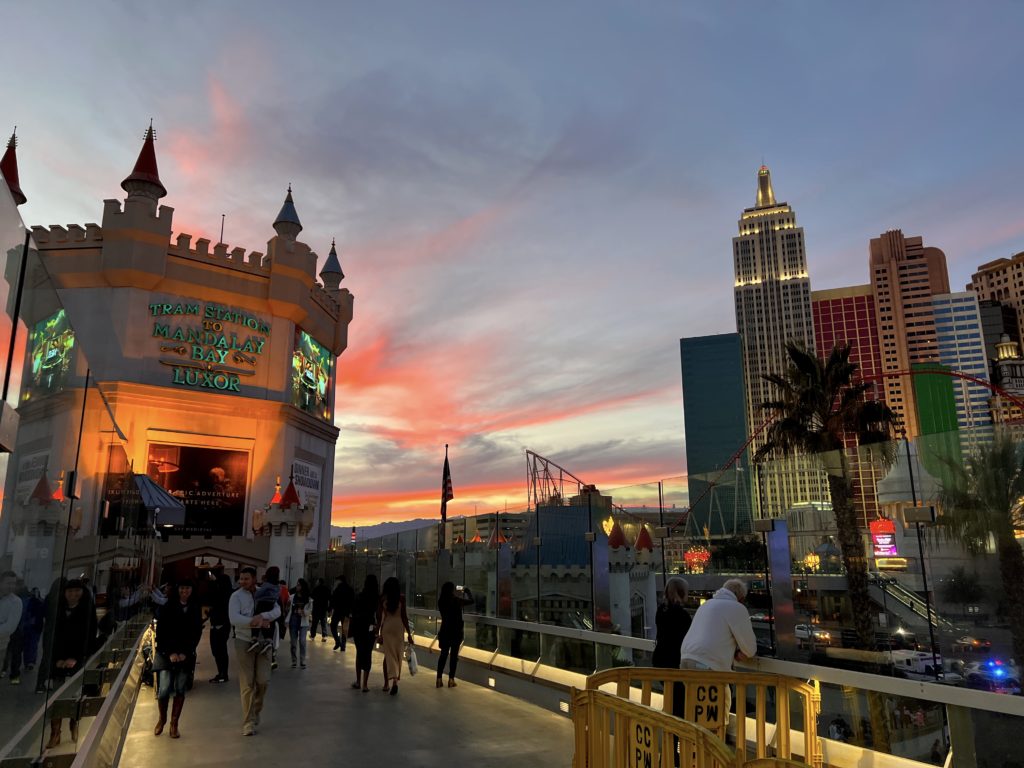
For many visitors, the quintessential Las Vegas sunset experience involves watching the sky transform over the city’s dazzling skyline. The way the golden hour light catches the reflective surfaces of the resorts before the neon lights take over is truly mesmerizing.
- Observation Decks: Ascending to an observation deck offers unparalleled panoramic views.
- The Eiffel Tower Experience at Paris Las Vegas provides a fantastic perspective, especially for views of the Bellagio Fountains and the central Strip.
- The High Roller Observation Wheel at The LINQ Promenade offers a slowly rotating 360-degree view, allowing you to see the sun dip below the horizon and the city lights flicker on simultaneously. A full rotation takes about 30 minutes, making it perfect for catching the entire spectacle.
- For the highest vantage point, the STRAT Skypod offers breathtaking views from over 1,000 feet up, encompassing the entire valley, the Strip, and the distant mountains. Its indoor and outdoor observation decks provide ample space to find your perfect angle.
- Rooftop Bars and Lounges: Many luxury hotels feature sophisticated rooftop venues that are ideal for sunset cocktails. Examples include Legacy Club at Circa Resort & Casino (offering stunning views of Downtown Las Vegas and the Strip in the distance), Skyfall Lounge at Delano Las Vegas, or Voodoo Rooftop Nightclub & Lounge at the Rio All-Suite Hotel & Casino. These spots combine sophisticated ambiance with world-class views.
- High-Floor Hotel Rooms and Suites: If privacy and comfort are paramount, consider booking a west-facing room or suite on a high floor at hotels like Caesars Palace, Bellagio, Wynn Las Vegas, or Mandalay Bay. The convenience of enjoying the sunset from your own balcony or window, perhaps with room service, is an unparalleled luxury travel experience. This option is particularly appealing for couples or those seeking a more intimate moment.
Nature’s Grandeur Beyond the City
While the Las Vegas Strip offers an urban spectacle, the surrounding Mojave Desert provides an entirely different, equally captivating sunset experience. Here, the raw beauty of nature takes center stage, with dramatic rock formations and vast open spaces bathed in warm, ethereal light. These locations are perfect for those who enjoy outdoor activities and seek a tranquil escape from the city’s hustle.
- Red Rock Canyon National Conservation Area: Just a short drive west of the city, Red Rock Canyon National Conservation Area is a spectacular landscape of vibrant red rock formations. As the sun dips, these geological wonders catch the golden light, intensifying their already vivid hues. The 13-mile scenic drive has numerous pull-offs and trails where you can witness the sunset paint the cliffs in fiery oranges and deep purples. It’s essential to be mindful of park closing times, especially if you plan to hike. Some areas may offer late access, but check the official website for current regulations.
- Valley of Fire State Park: Located about an hour northeast of Las Vegas, Valley of Fire State Park lives up to its name, especially at sunset. The Aztec sandstone formations appear to glow from within as the sun’s low angle illuminates them. The contrasting colors of the red rocks against the deep blue of the twilight sky create stunning photographic opportunities. This park offers a truly wild and ancient setting for a memorable sunset.
- Lake Mead National Recreation Area: To the southeast, Lake Mead National Recreation Area provides a unique watery perspective on the desert sunset. Views from overlooks like Hemenway Park or areas along the shore offer expansive skies, with the sun reflecting off the vast lake. The combination of water, distant mountains, and the evolving sky colors creates a serene and beautiful scene, a stark contrast to the arid landscapes elsewhere. It’s a great option for those looking for a peaceful, reflective experience.
Exploring these natural landmarks not only provides incredible sunset views but also offers a chance to experience the breathtaking natural beauty that lies just beyond the glitz of Las Vegas, connecting visitors with the broader Nevada landscape and its rich history.
Dining with a View
For many, the ultimate way to enjoy a Las Vegas sunset is paired with an exquisite meal. The city is renowned for its culinary scene, and a number of restaurants offer not only world-class cuisine but also spectacular views that perfectly frame the daily transition from day to night. Dining with a view elevates the entire experience, transforming a simple meal into a memorable occasion.
Many top-tier restaurants capitalize on their elevated positions to offer guests unparalleled vistas. For example, Top of the World Restaurant at the STRAT Skypod provides a revolving dining experience, offering a full 360-degree panorama of the city and the surrounding Mojave Desert as you dine. Timing your reservation here for sunset ensures you’ll witness the entire spectrum of colors as the sun dips below the horizon and the city below sparks to life with millions of lights.
Other high-end options include restaurants within major resorts that boast excellent vantage points. Prime Steakhouse at Bellagio offers patio seating with direct views of the iconic Bellagio Fountains and, beyond them, the westward sky. While not as high as some observation decks, the proximity to the Strip’s energy combined with the fountain show and sunset can be truly magical. Similarly, many restaurants and bars at The Venetian Resort or Wynn Las Vegas offer inviting outdoor terraces or window-side tables that present compelling sunset scenes.
For a slightly different perspective, restaurants in Downtown Las Vegas, such as those atop the Circa Resort & Casino, provide excellent views looking back towards the Las Vegas Strip, offering a unique urban sunset experience where the desert sky frames the entire glowing skyline.
When planning a dinner with a sunset view, it’s highly advisable to:
- Book well in advance: These tables are often in high demand, especially during peak season.
- Specify your request: When making a reservation, clearly state your desire for a window table or a table with the best view for sunset.
- Arrive early: Aim to arrive at least 30-45 minutes before the official sunset time to settle in, order a drink, and enjoy the progression of colors from golden hour through the final dip.
This combination of gourmet food, excellent service, and a natural light show provides a luxurious and unforgettable way to experience the Las Vegas sunset, blending local culture, exquisite food, and breathtaking views into one seamless experience.
Making the Most of Your Las Vegas Sunset Experience
A Las Vegas sunset is more than just a fleeting moment; it’s an opportunity to create lasting memories, capture stunning photographs, and transition seamlessly into the city’s legendary nightlife or a serene evening escape. By planning strategically, you can enhance this daily spectacle into a truly unforgettable part of your trip.
Photography Tips
Capturing the magic of a Las Vegas sunset requires a little preparation and understanding of light. Whether you’re using a smartphone or a professional camera, these tips will help you take breathtaking photos:
- Timing is Everything: Arrive at your chosen spot about an hour before the official sunset time to catch the “golden hour” light, which is soft, warm, and ideal for photography. Stay for at least 30 minutes after the sun disappears to capture the “blue hour,” when the sky deepens to rich blues and purples, beautifully contrasting with the city’s emerging lights.
- Composition Matters: Think about what you want in your foreground. Are you capturing the vastness of the Mojave Desert with distant mountains, or the iconic architecture of the Las Vegas Strip? Use leading lines, reflections (from windows or water), and the rule of thirds to create compelling images.
- HDR Mode: If your camera or phone has an HDR (High Dynamic Range) mode, use it. This feature helps balance the bright sky with the darker foreground, preventing blown-out highlights or underexposed shadows.
- Stability: For sharper images, especially during blue hour when light levels are lower, use a tripod. If you don’t have one, find a stable surface to rest your camera or phone.
- Experiment with Exposure: Don’t be afraid to manually adjust your exposure. Sometimes, slightly underexposing can make the colors of the sunset pop more dramatically.
- Focus on the Foreground: While the sky is the star, focusing on a prominent foreground element (a palm tree, a resort facade, a unique rock formation) can add depth and interest to your shot.
- Silhouettes: The low sun is perfect for creating dramatic silhouettes. Position your subject (people, buildings, desert plants) against the bright sky to create a strong outline.
- Post-Processing: A little editing can go a long way. Adjusting contrast, saturation, and white balance can enhance the natural beauty of the sunset without making it look artificial. Many photo editing apps offer sunset-specific filters or presets.
Pairing Sunset with Activities
The Las Vegas sunset can be the centerpiece or the perfect complement to a variety of activities, enriching your overall travel experience.
- Pre-Dinner Drinks: Begin your evening with a sophisticated cocktail at a rooftop bar or a lounge with a view. This allows you to soak in the colors of the sky while enjoying a leisurely drink before heading to your dinner reservation.
- Helicopter Tours: For a truly luxurious and unique perspective, consider a helicopter tour over the Las Vegas Strip or even to the Grand Canyon at sunset. The bird’s-eye view of the desert landscape transforming under the evening light, followed by the city’s dazzling illumination, is an unforgettable experience.
- Stroll on the Strip: A simple walk along the Las Vegas Strip as the sun sets is an experience in itself. Witness the gradual transition from daylight to the vibrant neon glow, watch the crowds swell, and see the iconic landmarks like the Bellagio Fountains come alive against the twilight sky.
- Outdoor Adventures: For the adventurous, a sunset hike in Red Rock Canyon National Conservation Area or a scenic drive through Valley of Fire State Park offers a peaceful yet exhilarating way to experience the desert’s beauty as day turns to night. Remember to plan for safety and adhere to park hours.
- Romantic Gondola Ride: At The Venetian Resort, an outdoor gondola ride timed with sunset offers a uniquely romantic experience, combining the charm of Venice with the fiery skies of Las Vegas.
- Golf at Dusk: For golf enthusiasts, playing a round at one of Las Vegas’s many championship courses as the sun sets over the desert mountains can be a serene and picturesque experience.
By thoughtfully pairing the sunset with other activities, you create a richer, more diverse itinerary, transforming a simple natural event into a cornerstone of your Las Vegas lifestyle experience.

Accommodation Considerations
When planning a trip to Las Vegas, your choice of accommodation can significantly impact your sunset viewing opportunities, transforming a standard hotel stay into an elevated experience. For travelers who prioritize waking up to or winding down with spectacular views, especially those of the sunset, specific accommodation features become crucial considerations.
Booking a hotel room with a west-facing view is paramount. Many hotels on the Las Vegas Strip offer various room orientations, and requesting a room that overlooks the west (towards the Mojave Desert and the Spring Mountains) will guarantee direct sunset exposure. Hotels like Aria Resort & Casino, Cosmopolitan of Las Vegas, or Vdara Hotel & Spa are known for their modern architecture and spacious rooms, many with floor-to-ceiling windows or balconies that offer unobstructed sunset views. It’s always best to specify your preference when booking or checking in, as these rooms are often in high demand.
Beyond standard rooms, consider upgrading to a suite or a room with a private balcony. These options provide a more exclusive and comfortable setting to enjoy the sunset, allowing you to relax with a drink or a snack without the crowds of public viewing areas. Properties like The Venetian Resort or Bellagio offer luxurious suites with incredible vistas.
Another key consideration is a hotel with rooftop access or a dedicated observation deck/bar. Even if your room doesn’t face west, staying at a hotel that provides a communal space for sunset viewing means you don’t have to venture far. Hotels like the STRAT Skypod, which houses the Top of the World restaurant and observation decks, offer unparalleled access to panoramic views. Similarly, many resorts now boast stylish rooftop pools or lounges that become prime sunset viewing spots for their guests. Wynn Las Vegas and Encore at Wynn Las Vegas are celebrated for their sophisticated ambiance and often have areas that provide exceptional views as the sun goes down.
For those venturing off the Strip, boutique hotels or vacation rentals closer to Red Rock Canyon National Conservation Area might offer a different kind of sunset view—one focused purely on the desert landscape rather than the city skyline. This caters to travelers seeking a more serene and nature-centric experience.
When reviewing accommodation options on platforms like Booking, always look at guest reviews specifically mentioning “views” or “sunset,” and examine photos to gauge the potential. Prioritizing these aspects during your booking process ensures that your accommodation not only provides comfort but also a daily spectacle, enhancing your overall Las Vegas travel and lifestyle experience.
In Las Vegas, the sunset is more than just a momentary shift from day to night; it’s a dramatic curtain-raiser for the city’s legendary nightlife, a tranquil reprieve for those seeking nature’s beauty, and a captivating backdrop for countless memories. From the scientific principles that paint the desert sky in fiery hues to the practicalities of tracking its exact timing, understanding the Las Vegas sunset empowers you to fully embrace its splendor.
Whether you choose to witness it from the dizzying heights of the STRAT Skypod, nestled among the ancient red rocks of Red Rock Canyon National Conservation Area, or with a gourmet meal overlooking the glittering Las Vegas Strip, each experience offers a unique perspective on this daily masterpiece. By leveraging readily available resources to find the precise sunset time and considering accommodation with prime views, you can seamlessly integrate this natural phenomenon into your Las Vegas itinerary. So, as you plan your trip to this extraordinary destination in Nevada, remember to carve out time to pause, look westward, and let the magnificent Las Vegas sunset cast its unforgettable spell upon you. It’s a truly spectacular way to conclude one day and usher in the exciting possibilities of the night ahead.
LifeOutOfTheBox is a participant in the Amazon Services LLC Associates Program, an affiliate advertising program designed to provide a means for sites to earn advertising fees by advertising and linking to Amazon.com. Amazon, the Amazon logo, AmazonSupply, and the AmazonSupply logo are trademarks of Amazon.com, Inc. or its affiliates. As an Amazon Associate we earn affiliate commissions from qualifying purchases.