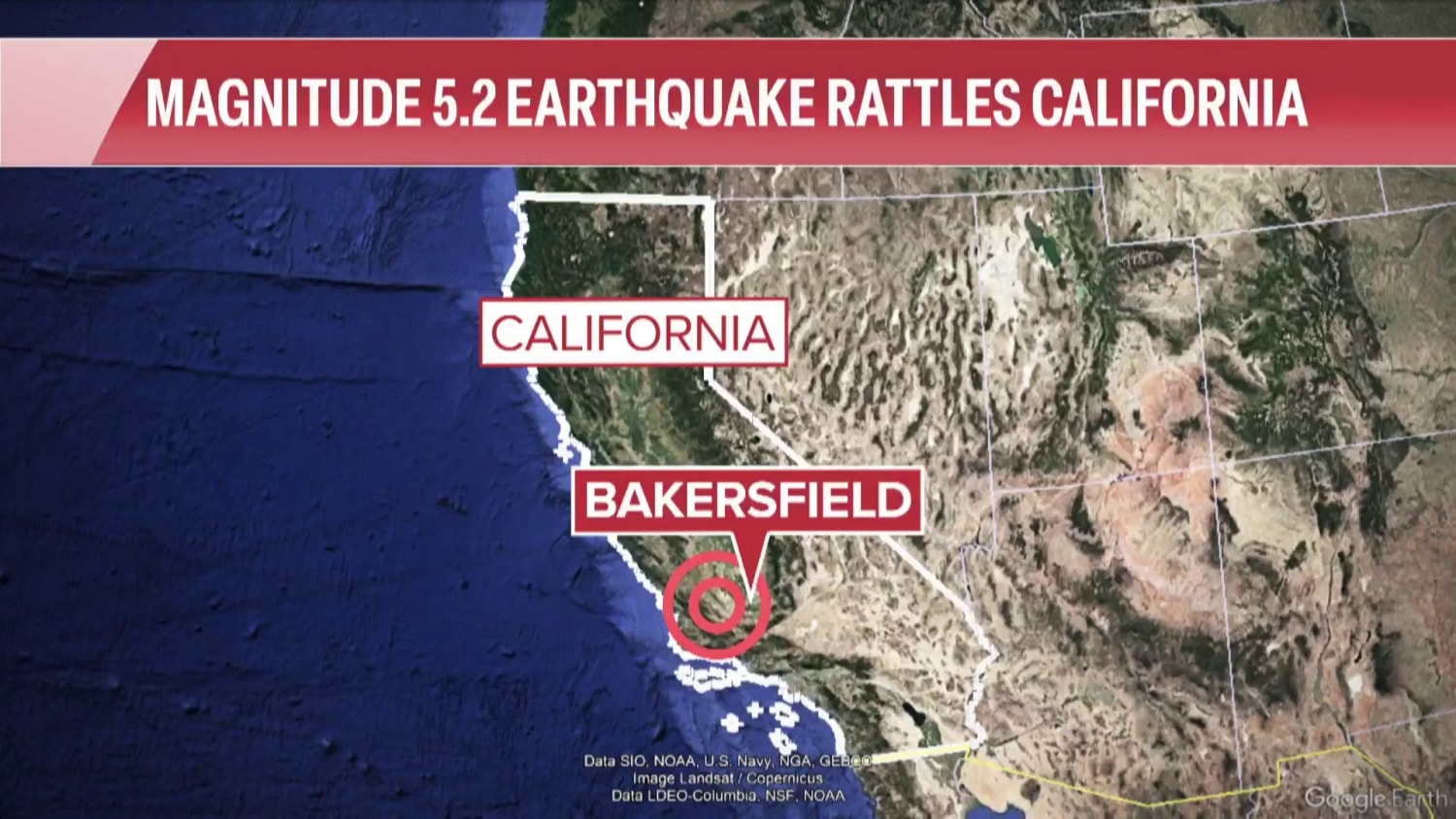
The question “What time is the earthquake today in California?” often reflects a natural concern, especially for travelers planning a visit or for those living within its famously dynamic borders. While the exact timing of seismic events remains an impossibility to predict, understanding California’s geological landscape and embracing preparedness is key to enjoying everything this magnificent state has to offer, from its bustling cities to its serene natural wonders. This article delves into how travelers, tourists, and residents can confidently navigate California, focusing on safety, smart accommodation choices, and how to make the most of your visit in a region known for its vibrant lifestyle and stunning landmarks, all while being mindful of its seismic activity.
For visitors eager to explore the diverse attractions of California, from the iconic Golden Gate Bridge to the magical realms of Disneyland and the breathtaking landscapes of Yosemite National Park, the prospect of an earthquake might seem daunting. However, California has long integrated seismic safety into its infrastructure, building codes, and public awareness campaigns, making it one of the most prepared places in the world. Our goal here isn’t to speculate on the timing of unpredictable events, but rather to empower you with knowledge and practical advice to ensure your travel experiences are as safe and enjoyable as possible, allowing you to focus on creating unforgettable memories amidst its unparalleled beauty. We’ll explore how to choose resilient accommodations, plan your travels wisely, and understand the simple yet effective steps for personal safety, ensuring that the allure of California remains undimmed by geological realities.
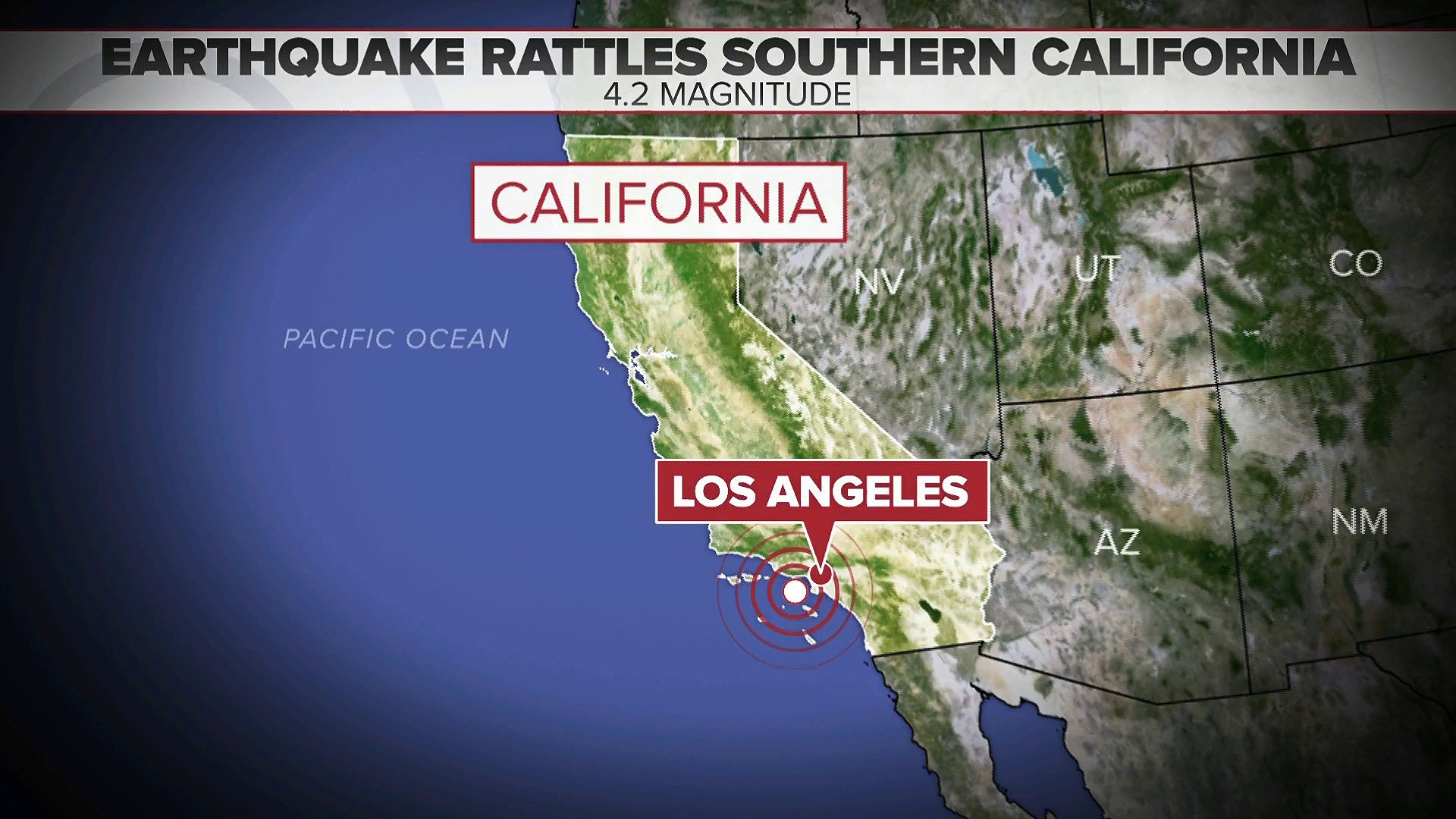
Understanding California’s Seismic Landscape for Travelers
California sits atop a complex network of fault lines, most famously the San Andreas Fault, where the Pacific Plate grinds against the North American Plate. This geological ballet is responsible for the state’s dramatic mountain ranges, picturesque valleys, and unfortunately, its susceptibility to earthquakes. While seismic activity is a constant, most events are minor and imperceptible, with only a fraction being strong enough to be felt. For those planning a trip, understanding this context is less about fear and more about informed preparedness.
Historically, California has experienced significant earthquakes, such as the 1989 Loma Prieta Earthquake that impacted the San Francisco Bay Area and the 1994 Northridge Earthquake in Southern California. These events, though devastating, have spurred monumental advancements in seismology, engineering, and emergency response. Today, cities like Los Angeles and San Francisco boast some of the most rigorous building codes globally, designed to ensure structures can withstand significant seismic forces. This commitment to safety extends to public infrastructure, tourist attractions, and a wide array of accommodations, making the state remarkably resilient.

For travelers, this means that while the thought of an earthquake might be concerning, the practical risks are significantly mitigated by robust safety standards and widespread awareness. The focus for a tourist should not be on predicting the unpredictable, but rather on being aware, making smart choices, and knowing what to do in the unlikely event of a significant quake. This proactive approach allows visitors to fully immerse themselves in California’s rich culture, diverse landscapes, and world-class attractions without undue worry, knowing that safety has been prioritized at every level. The state’s commitment to scientific research, early warning systems like the MyShake App, and public education ensures that both residents and visitors are as safe as possible when enjoying the wonders of the Golden State.
Navigating Travel and Accommodation in Earthquake Country
Planning a trip to California involves considering all aspects of travel, from booking flights and choosing destinations to selecting the perfect place to stay. When it comes to seismic safety, there are specific steps travelers can take to ensure peace of mind, enhancing their overall experience in this beautiful, geologically active state. Integrating awareness into your travel planning doesn’t detract from the adventure; it enhances it by building confidence and preparedness.
Choosing Safe Accommodations
One of the primary concerns for any traveler is the safety of their accommodation. In California, especially in major urban centers like Los Angeles, San Francisco, and San Diego, building codes for hotels, resorts, apartments, and villas are exceptionally stringent. Newer constructions are often designed with advanced seismic engineering, incorporating features that allow buildings to sway with ground motion rather than resisting it rigidly. When researching hotels, travelers might look for properties that emphasize modern construction, recent renovations, or specific earthquake-resistant features. Many luxury establishments, such as the Hyatt Regency San Francisco or The Langham Huntington, Pasadena, are built to exceed standard safety requirements, offering not just opulent amenities but also structural integrity designed for the region’s unique challenges. Always familiarize yourself with your chosen hotel’s emergency exits and assembly points upon arrival, a practice recommended for any travel destination. Furthermore, consider booking accommodations with flexible cancellation policies, just in case unforeseen circumstances, seismic or otherwise, impact your travel plans.
Travel Insurance and Contingency Planning
Beyond accommodation, comprehensive travel insurance is a prudent investment for any trip, but particularly so when visiting areas prone to natural events. Policies often cover cancellations, delays, or medical emergencies that might arise from unforeseen circumstances. Review your travel insurance options carefully to understand what is covered in the event of a natural disaster. Additionally, developing a personal contingency plan can provide significant reassurance. If you’re undertaking a road trip through California, assembling a small emergency kit for your vehicle – including water, snacks, a first-aid kit, a flashlight, and a portable charger – is always a good idea, irrespective of seismic concerns. Establishing a communication plan with family or friends back home, perhaps designating a single point of contact, can also simplify post-event coordination. While the likelihood of needing these plans is low, having them in place fosters a greater sense of security.
Public Transportation and Infrastructure Resilience
California’s vast and complex infrastructure, encompassing major highways, bridges, and public transportation systems, is continuously monitored and upgraded for seismic resilience. Facilities like Los Angeles International Airport and San Francisco International Airport have robust emergency protocols in place. While significant seismic events can cause temporary disruptions, the goal of California’s engineering is to ensure rapid recovery and minimal long-term damage. This means that even in the unlikely event of a strong earthquake, disruptions to travel and services are generally localized and temporary, with efforts focused on swift restoration. Tourists can usually rely on public safety announcements and official channels for guidance post-event, ensuring their continued safety and assisting with any necessary travel adjustments.
Essential Earthquake Preparedness Tips for Visitors
While the chances of experiencing a significant earthquake during a short visit to California are statistically low, being prepared is the cornerstone of responsible travel. Knowing what to do can turn potential anxiety into confident action, allowing you to fully enjoy the state’s diverse attractions, from the tech hubs of Silicon Valley to the vineyards of Napa Valley and the historical richness of Sacramento. These simple tips are universally applicable and contribute to a safer, more relaxed trip.
Before You Arrive
Preparation begins even before you set foot in California. One invaluable tool is the MyShake App, developed by the University of California, Berkeley, which provides early warning alerts for felt earthquakes, giving crucial seconds of notice. Downloading and familiarizing yourself with such an app can be incredibly beneficial. Additionally, take a few moments to learn the universally recommended safety action: “Drop, Cover, and Hold On.” This simple mantra is the most effective way to protect yourself during ground shaking. Before booking your accommodation, quickly review its location and any visible safety information. Once you check in, make it a point to locate emergency exits, stairwells, and assembly points, as you would in any unfamiliar building. This quick reconnaissance can make a significant difference in an emergency.
During an Earthquake
Should you experience ground shaking while in California, remembering “Drop, Cover, and Hold On” is paramount:
- If indoors: Immediately drop to the floor, take cover under a sturdy table or desk, and hold on to it until the shaking stops. Stay away from windows, hanging objects, and tall furniture that could fall.
- If outdoors: Move to an open area away from buildings, streetlights, and utility wires. Drop to the ground and cover your head and neck with your arms.
- If in a vehicle: Pull over to a clear location away from buildings, overpasses, and power lines. Stay inside your vehicle with your seatbelt fastened until the shaking stops. Once it’s safe to resume driving, proceed with caution and be aware of potential road damage.
- If near the coast: After a strong earthquake, especially if it was long or made it difficult to stand, move immediately to higher ground as a tsunami could follow. Heed local warnings from authorities.
The shaking typically lasts only a few seconds, though it can feel much longer. The key is to react quickly and protect yourself from falling objects.
After an Earthquake
Once the shaking subsides, immediate action focuses on safety and assessment.
- Check for injuries: Attend to yourself and those around you. Administer first aid if necessary.
- Assess your surroundings: Be aware of potential hazards like damaged structures, broken glass, or fallen power lines.
- Listen to authorities: Tune into local news on a battery-powered radio or your phone (if service is available) for official information and instructions from agencies like CalOES (the California Office of Emergency Services).
- Expect aftershocks: These are smaller quakes that can occur hours, days, or even weeks after a larger one. Continue to be prepared for further shaking.
- Communicate wisely: Use text messages or social media to communicate with loved ones if possible, as phone lines may be overwhelmed. Save phone calls for emergencies.
By being informed and prepared, visitors can minimize risks and continue to enjoy their California adventure with confidence, knowing they possess the knowledge to act effectively in the rare event of a seismic incident.
Experiencing California’s Unique Lifestyle and Landmarks Safely
California is a dream destination for millions, captivating visitors with its unparalleled natural beauty, innovative culture, and iconic landmarks. From the sun-drenched beaches of Santa Monica to the dramatic cliffs of Big Sur, the historical allure of Hollywood, and the stark beauty of Death Valley, the state offers an incredible array of experiences. While earthquake awareness is part of being a responsible traveler here, it should never overshadow the immense joy and discovery that awaits.
Iconic Landmarks and Natural Beauty
The state’s most famous attractions, whether man-made marvels like the Golden Gate Bridge or natural wonders like Yosemite National Park, are maintained with the highest standards of safety and resilience. Engineering marvels are designed to withstand significant forces, and natural parks regularly assess and mitigate geological risks. Tourists can confidently explore these sites, knowing that state and federal agencies, such as the US Geological Survey (USGS) and the Federal Emergency Management Agency (FEMA), work tirelessly to monitor, prepare for, and respond to geological events. The emphasis on safety allows travelers to fully immerse themselves in the local culture, savoring the diverse culinary scene, engaging in outdoor activities, and appreciating the vibrant arts and entertainment that define the California lifestyle.
Embracing the Californian Spirit
The true spirit of California lies in its blend of innovation, adventure, and resilience. Residents and businesses have learned to live harmoniously with the state’s dynamic geology, integrating preparedness into their daily lives without letting it overshadow their optimism and zest for life. This ethos is something visitors can embrace too. Instead of focusing on the unpredictable “what time is the earthquake today in California?”, shift your perspective to “how can I best prepare to fully enjoy my time in this incredible destination?”
Whether you’re planning a luxury getaway, a budget-friendly family trip, or a business stay, California offers an experience for every type of traveler. By taking a few simple steps for preparedness, choosing accommodations with safety in mind, and staying informed, you can confidently explore everything from Northern California’s redwood forests to Southern California’s desert landscapes. The beauty of California isn’t just in its scenery but in its ability to inspire and adapt, inviting travelers to share in its unique and vibrant existence, secure in the knowledge that safety and preparedness are integral parts of the Californian way of life.
In conclusion, while the precise timing of an earthquake will always remain unknown, visiting California doesn’t have to be a source of anxiety. With its robust infrastructure, advanced warning systems, and a culture of preparedness, the state stands as a testament to humanity’s ability to thrive amidst natural forces. By staying informed, making smart choices, and familiarizing yourself with basic safety protocols, you can confidently embark on your California adventure, ready to create lasting memories in one of the world’s most captivating destinations.