
The annual St. Patrick’s Day tradition of dyeing the Chicago River a vibrant green is a spectacle that draws thousands of visitors to the Windy City each year. More than just a quirky event, it’s a deeply ingrained part of Chicago’s cultural fabric, celebrating Irish heritage and welcoming the arrival of spring. For those planning a trip to witness this unforgettable sight, understanding the timing is crucial. This guide will delve into the specifics of when the river dyeing takes place, what you can expect, and how to make the most of your Chicago St. Patrick’s Day experience.
Understanding the Chicago River Dyeing Tradition
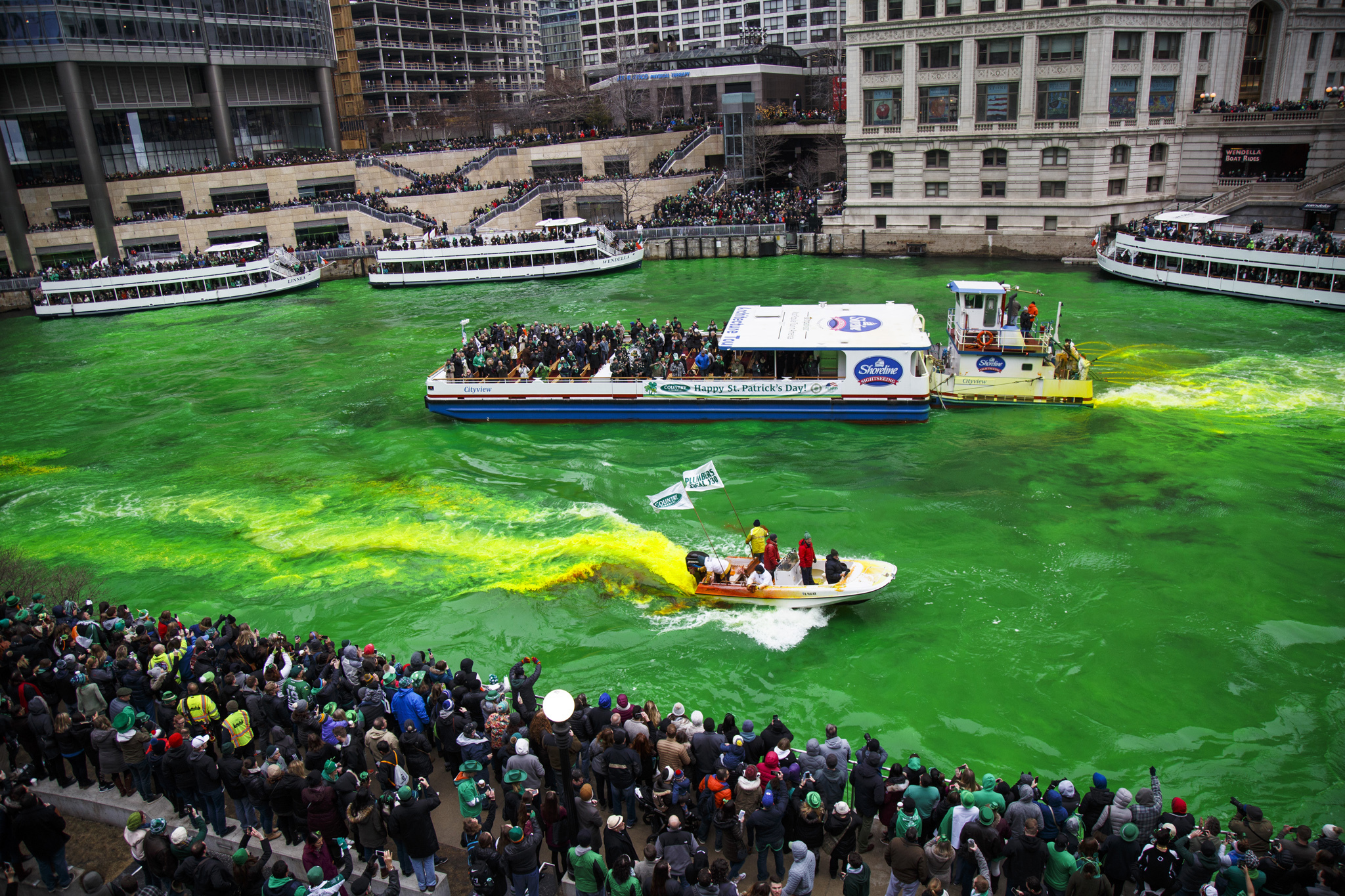
The dyeing of the Chicago River is a surprisingly old tradition, dating back to the 1960s. It was initiated by the Plumbers Union Local 130, who initially used a non-toxic, vegetable-based dye to identify illegal pollution in the river. The vibrant green hue proved so popular and visually striking that it soon became the signature of the city’s St. Patrick’s Day celebrations. Today, the dye used is still environmentally friendly and safe, ensuring the river’s ecosystem remains unharmed. The exact recipe is a closely guarded secret, but it’s understood to be a powder that reacts with the water to create the iconic emerald green.
The event is more than just a visual feast; it’s a powerful symbol of Irish pride and the city’s multicultural identity. The green color, of course, is intrinsically linked to the Emerald Isle, and its transformation of the Chicago River serves as a grand, public tribute. This tradition has become a significant draw for tourism, attracting visitors from across the United States and beyond, eager to experience this unique slice of Americana. Many travel packages and itineraries are built around this single event, highlighting its importance in the Chicago tourism calendar.
When Does the Dyeing Happen?
The most important question for any prospective attendee is precisely when the magical transformation occurs. The dyeing of the Chicago River is traditionally held on the Saturday before St. Patrick’s Day. This strategic scheduling allows revelers to enjoy the dyeing ceremony and the accompanying St. Patrick’s Day Parade on the same day, maximizing the festive experience.
The dyeing process itself usually commences in the morning, with the precise start time typically announced closer to the date. However, it’s generally observed to begin around 9:00 AM Central Time. This early start is crucial for several reasons. Firstly, it allows ample time for the dye to spread and fully saturate the river before the main crowds arrive. Secondly, it ensures that the dyeing is completed well before the larger St. Patrick’s Day Parade, which traditionally kicks off a few hours later, often around 12:00 PM.
It’s important to note that while the Saturday before St. Patrick’s Day is the standard, there can be minor variations. Always double-check the official announcements from the City of Chicago or the Plumbers Union Local 130 for the confirmed date and time for the specific year you plan to visit. This ensures you don’t miss out on this highly anticipated event. The dye’s effect is remarkably temporary, lasting for several hours, before gradually dissipating. This ephemeral nature adds to the urgency and excitement of witnessing it firsthand.
Experiencing the River Dyeing: Best Viewing Spots and Tips
Once you know the “when,” the next crucial aspect is the “where” and “how” to best enjoy the spectacle. The Chicago River dyeing is best viewed from bridges and the riverwalk along the main branch of the Chicago River. The area between Michigan Avenue and State Street is particularly popular, offering fantastic vantage points.
Prime Viewing Locations
Several key locations offer exceptional views of the dyeing. The bridges that span the river, such as the Michigan Avenue Bridge and the State Street Bridge, are prime spots. From these elevated positions, you can witness the entire dyeing process unfold. Be prepared for crowds, as these locations are highly sought after. Arriving early is key to securing a good vantage point.
The Chicago Riverwalk, a beautifully developed promenade running along the south bank of the main branch of the river, also provides excellent views. This accessible pathway allows for a more leisurely experience, with plenty of space to stand and observe. Different sections of the Riverwalk offer slightly varied perspectives, so exploring a bit can be rewarding.

For those seeking a more unique perspective, consider booking a river cruise that operates during the dyeing event. Several tour operators offer specific St. Patrick’s Day cruises, allowing you to witness the dyeing from the water itself. This often provides an up-close and personal experience, complete with commentary from guides who can offer historical context and insights into the tradition. These cruises tend to book up far in advance, so early booking is highly recommended.
Practical Tips for Your Visit
To ensure a smooth and enjoyable experience, keep these practical tips in mind:
- Arrive Early: As mentioned, arriving early is paramount, especially if you aim for a prime viewing spot on a bridge or the Riverwalk. The crowds can become substantial, and popular areas fill up quickly. Aim to be in position at least an hour before the scheduled dyeing time.
- Dress in Layers: Chicago weather in March can be unpredictable. While spring is approaching, it can still be quite chilly, windy, and even snowy. Dressing in layers will allow you to adapt to changing temperatures. Comfortable walking shoes are also a must, as you’ll likely be doing a lot of standing.
- Check Transportation: Public transportation is often the most convenient way to navigate Chicago during busy event days. The Chicago Transit Authority (CTA) operates extensive bus and ‘L’ train services. Plan your route in advance and be aware that some streets may be closed for the parade and festivities, potentially affecting bus routes. Parking in the downtown area can be expensive and challenging to find.
- Pack Snacks and Drinks: While there are vendors and cafes nearby, having your own water and snacks can be convenient, especially if you’re waiting for an extended period.
- Bring a Camera: You’ll want to capture the vibrant green transformation of the river! Ensure your camera or smartphone is fully charged and has enough storage space.
- Be Patient and Enjoy the Atmosphere: The dyeing event and the subsequent parade are lively, festive occasions. Embrace the crowds, the energy, and the unique atmosphere of Chicago during its St. Patrick’s Day celebrations.
Beyond the Dye: Exploring Chicago During St. Patrick’s Day
While the river dyeing is undoubtedly a highlight, a visit to Chicago during St. Patrick’s Day offers a wealth of other experiences. The city truly comes alive with Irish spirit, and there’s plenty to see and do beyond the main event.
The St. Patrick’s Day Parade and Other Festivities
Following the river dyeing, the St. Patrick’s Day Parade is the next major attraction. This iconic parade, which has a history spanning over 150 years, marches down Columbus Drive. It features a dazzling array of floats, marching bands, Irish dancers, and community groups, all adorned in green. It’s a grand procession that celebrates Irish culture and heritage with immense pride.
Beyond the main parade, many Irish pubs and restaurants throughout the city host their own St. Patrick’s Day events, often featuring live traditional Irish music, special menus, and, of course, plenty of green beer. Exploring neighborhoods like Old Town or Lincoln Park can lead you to some of these vibrant celebrations.
Accommodation and Dining Options
For visitors planning a trip centered around the river dyeing and parade, securing accommodation well in advance is essential. Chicago offers a diverse range of hotels to suit every budget and preference. From luxurious downtown hotels with stunning city views to boutique establishments offering a more intimate experience, you’ll find options near the main event areas. Consider hotels along the Riverwalk or in the Loop for easy access to the dyeing and parade routes. Options like the The Langham Chicago or The Palmer House Hilton provide convenient locations and excellent amenities. For those seeking apartment-style living, short-term rentals can also be a viable option.
When it comes to dining, Chicago is a culinary paradise. During St. Patrick’s Day, many restaurants offer special menus featuring traditional Irish fare like corned beef and cabbage, shepherd’s pie, and Irish stew. Of course, you can also explore Chicago’s renowned deep-dish pizza or indulge in fine dining experiences. A stroll along Magnificent Mile will reveal a plethora of dining establishments, from casual eateries to upscale restaurants.
Incorporating Other Chicago Attractions
While the dyeing is a significant draw, it’s also an excellent opportunity to explore other iconic Chicago landmarks and attractions. Consider visiting the Art Institute of Chicago, ascending the Willis Tower for breathtaking panoramic views, or strolling through Millennium Park to see the famous “The Bean” sculpture, officially known as Cloud Gate. A boat tour on Lake Michigan offers a different perspective of the city’s stunning skyline. For families, the Shedd Aquarium and the Field Museum are always popular choices. By planning your itinerary to include these attractions, you can create a well-rounded and memorable trip to Chicago, all while experiencing its unique St. Patrick’s Day traditions.