
The allure of Hawaii is undeniable, a tropical paradise that beckons travelers with its pristine beaches, lush landscapes, and vibrant culture. Among the many captivating experiences that await visitors, witnessing a Hawaiian sunset is often at the very top of the list. The sky ablaze with a symphony of colors as the sun dips below the horizon is a moment of profound beauty and tranquility, a fitting end to a day spent exploring this island haven. But when, exactly, can you expect this magical spectacle to unfold? Understanding the timing of sunset in Hawaii is crucial for planning your perfect island itinerary, whether you’re aiming for a romantic dinner overlooking the ocean, a photography session to capture the ephemeral light, or simply a moment of quiet contemplation on the beach.
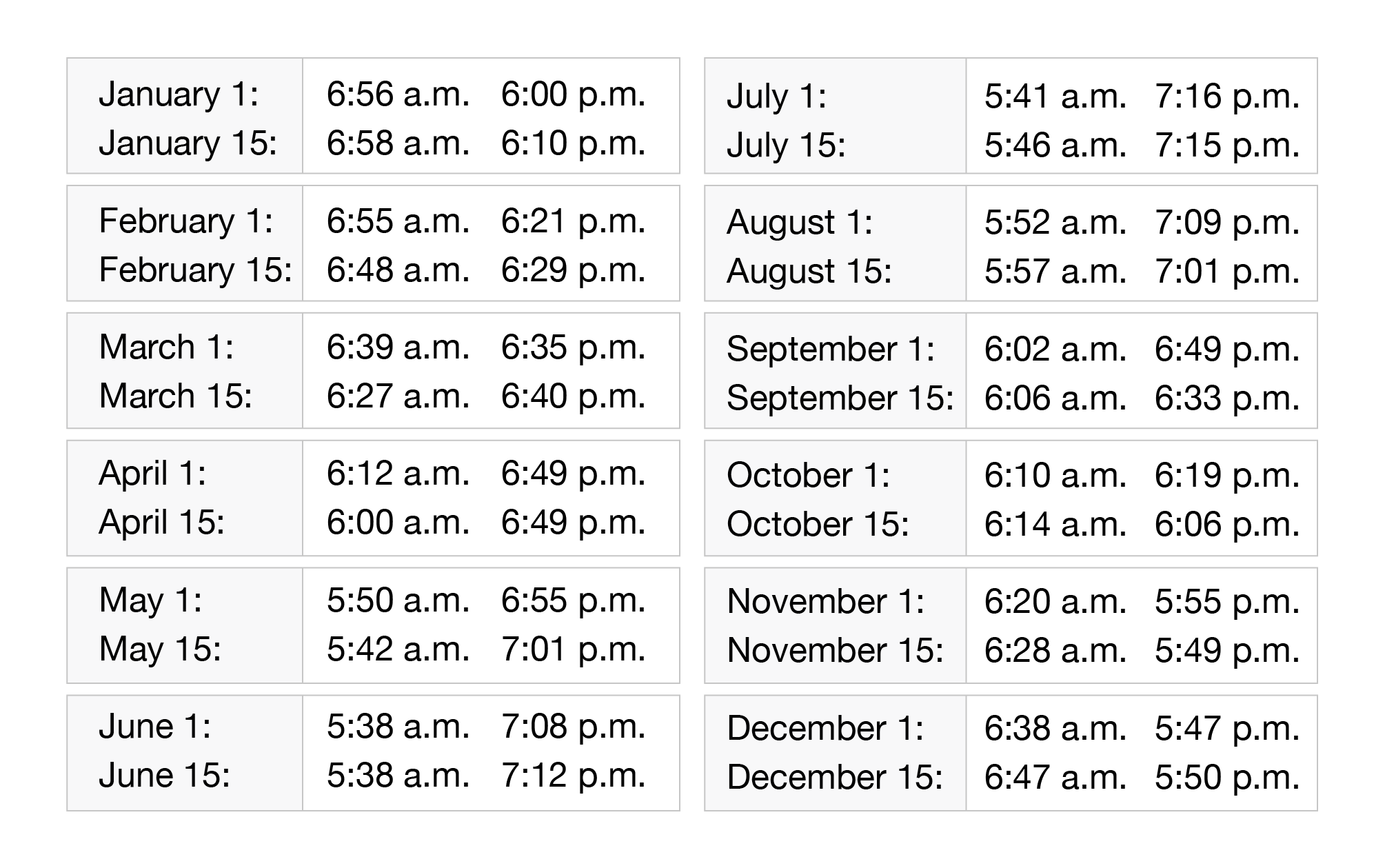
The timing of sunset is not a static event; it shifts throughout the year due to the Earth’s tilt and its orbit around the sun. This means that the time of sunset in Hawaii, just like anywhere else on the globe, varies depending on the season. Longer days with later sunsets are experienced during the summer months, while shorter days with earlier sunsets mark the winter period. However, Hawaii’s unique geographical position near the equator means that the variation in daylight hours is less extreme compared to regions at higher latitudes. This contributes to Hawaii’s reputation as a year-round destination where you can generally count on pleasant daylight hours for your adventures.
Understanding the Factors Influencing Hawaiian Sunsets
To truly appreciate the nuances of a Hawaiian sunset, it’s helpful to understand the key elements that influence its timing and appearance. While the core reason for seasonal changes is the Earth’s axial tilt, other factors, including the specific island you are on and even local weather patterns, can subtly affect the experience.
The Science Behind Sunset Times: Earth’s Orbit and Axial Tilt
The fundamental reason for the changing sunset times throughout the year is the Earth’s revolution around the sun and its axial tilt. Our planet is tilted at approximately 23.5 degrees on its axis. As the Earth orbits the sun, different parts of the planet are tilted towards or away from the sun at different times. This tilt causes the seasons and directly impacts the length of daylight hours.
During the summer solstice (around June 20th or 21st), the Northern Hemisphere, which includes Hawaii, is tilted most directly towards the sun. This results in the longest days of the year, and consequently, the latest sunsets. Conversely, during the winter solstice (around December 21st or 22nd), the Northern Hemisphere is tilted away from the sun, leading to the shortest days and the earliest sunsets. The periods in between, the spring and autumn equinoxes (around March 20th and September 22nd respectively), see the Earth’s tilt neither towards nor away from the sun, resulting in nearly equal hours of daylight and darkness across the globe, and sunset times falling in the middle of the year’s range.
Geographical Location: The Equator’s Influence
Hawaii’s location in the Pacific Ocean, relatively close to the equator, plays a significant role in its sunset patterns. Equatorial regions experience less drastic seasonal variations in daylight hours compared to areas further north or south. This means that while there is a discernible difference between summer and winter sunset times in Hawaii, it’s not as pronounced as, for example, in cities like New York City or London. The sun rises and sets at a more consistent angle throughout the year, contributing to the consistently pleasant climate for which Hawaii is renowned. For instance, the difference in sunset times between the longest day and the shortest day in Honolulu might be around 1.5 to 2 hours, whereas in more northerly locations, this difference can be several hours.
Daylight Saving Time: An Often Overlooked Factor
It’s important to note that Hawaii does not observe Daylight Saving Time. This is a deliberate choice made by the state. While most of the continental United States adjusts its clocks twice a year, Hawaii remains on its standard time year-round. This means that when planning your trip, you don’t need to factor in any clock adjustments for Hawaii itself. The sunset times you find for Hawaii will be the actual times on the clock. This consistency simplifies planning for many travelers, ensuring that a sunset at 7:00 PM truly means 7:00 PM.
Popular Hawaiian Islands and Their Sunset Times
While the general principles apply across all the Hawaiian Islands, slight variations in longitude can lead to minor differences in sunset times from one island to another. However, these differences are generally negligible for the casual observer and don’t typically impact travel plans significantly. The primary factor remains the time of year.
Oahu: The Gathering Place
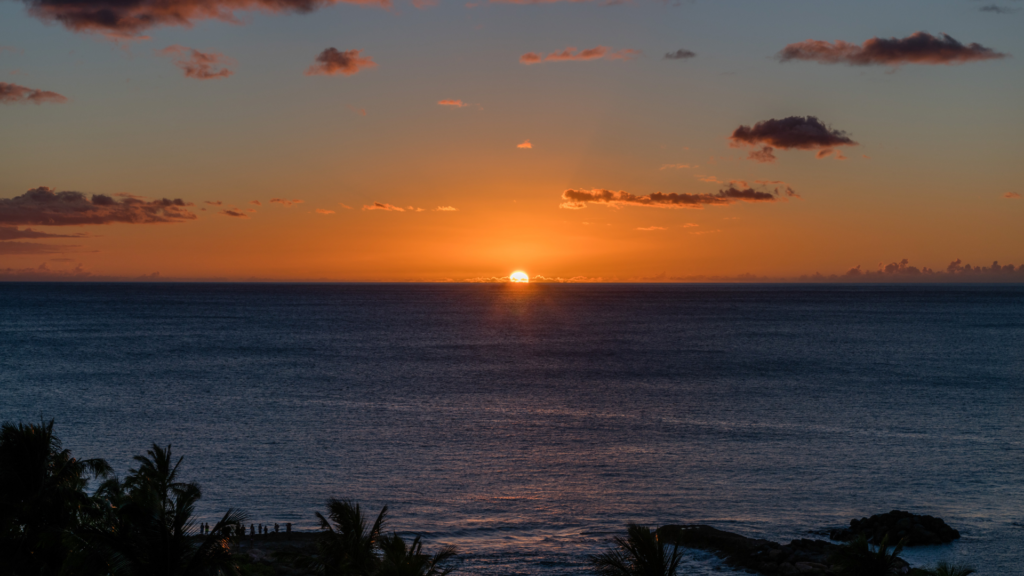
Oahu, often called “The Gathering Place,” is the most populated island and home to Honolulu, the state capital. Sunset times here are widely tracked and easily accessible. For example, in the summer months, you might see the sun setting as late as 7:15 PM or even a bit later in Honolulu, while in the winter, it could be closer to 5:45 PM. Iconic spots like Waikiki Beach offer unparalleled views of the sunset, with the silhouette of Diamond Head often framing the spectacle. Many hotels in Waikiki, such as the Halekulani, offer prime beachfront locations perfect for sunset viewing.
Maui: The Valley Isle
Maui, known for its stunning beaches and the majestic Haleakala National Park, also offers breathtaking sunset vistas. Due to Maui’s position slightly west of Oahu, sunsets here tend to occur a few minutes later. For instance, if sunset in Honolulu is at 7:00 PM, on Maui, it might be around 7:05 PM or 7:10 PM, depending on the season. Popular sunset viewing locations include the western shores near Lahaina and Kaanapali. The Grand Wailea, A Waldorf Astoria Resort is another exquisite option for experiencing Maui’s twilight beauty.
Kauai: The Garden Isle
Kauai, the “Garden Isle,” is renowned for its dramatic cliffs of the Na Pali Coast and lush interior. As Kauai is the westernmost of the major islands, sunsets here occur a few minutes after they do on Oahu and Maui. The western side of Kauai, particularly around Poipu, is a fantastic spot to catch the sunset. The Grand Hyatt Kauai Resort & Spa provides a luxurious setting from which to witness the day’s end.
The Big Island (Hawaii Island): Volcanoes and Stars
Hawaii Island, affectionately known as the “Big Island,” offers incredibly diverse landscapes, from the volcanic wonders of Hawaii Volcanoes National Park to the pristine beaches of the Kona coast. Due to its eastward position compared to Maui and Kauai, sunset times on the Big Island are slightly earlier than on the western islands. However, the experience can be quite unique. Watching the sunset from the summit of Mauna Kea or from the shores of the Kohala Coast can be an unforgettable experience, often followed by incredible stargazing opportunities due to the island’s low light pollution. The Four Seasons Resort Hualalai offers a luxurious retreat on the Kona coast, perfect for sunset enthusiasts.
Planning Your Sunset Experience in Hawaii
Knowing the approximate sunset times is the first step; the next is to plan how you’ll best enjoy this daily spectacle. Hawaii offers a multitude of ways to experience a sunset, catering to every travel style and preference.
Maximizing Your Sunset Viewing: Tips for a Memorable Experience
To ensure your sunset viewing is as magical as possible, consider these practical tips:
- Check the Daily Sunset Time: While you can find general information, it’s always best to check the specific sunset time for the day of your visit. Many travel websites and local Hawaiian tourism sites provide up-to-date information. A quick search for “sunset time Honolulu today” or “sunset time Maui tomorrow” will yield precise results.
- Arrive Early: Popular sunset spots can get crowded, especially during peak tourist seasons. Arrive at least 30-60 minutes before sunset to secure a good vantage point and soak in the atmosphere as the light begins to change.
- Choose Your Location Wisely: Consider the direction of the sunset. The western sides of the islands generally offer the most direct views of the sun dipping below the Pacific. However, eastern shores can provide beautiful opportunities to see the lingering colors reflected in the sky and on the clouds.
- Dress Appropriately: While Hawaii is known for its warm climate, evenings by the ocean can sometimes have a gentle breeze. A light jacket or shawl might be advisable, especially during the cooler winter months or if you’re at a higher elevation.
- Pack Essentials: Don’t forget your camera or smartphone to capture the stunning colors. A beach blanket or comfortable seating can enhance your experience. If you plan to enjoy a sunset picnic, pack some local Hawaiian snacks and drinks.
- Respect the Environment: Hawaii’s natural beauty is precious. Be mindful of your surroundings, avoid leaving any trash behind, and respect any posted signage or guidelines at viewing locations.
- Consider a Sunset Cruise or Activity: Many companies offer sunset cruises, kayak tours, or even helicopter tours that provide a unique perspective of the sunset from the water or the air. These can be particularly memorable experiences, offering a different kind of magic than a beachside viewing.

Sunset Dining and Accommodation Options
Many hotels and resorts in Hawaii are designed to capitalize on the breathtaking sunsets. You’ll find restaurants with prime oceanfront seating, bars with panoramic views, and even suites with private balconies specifically oriented towards the west. Booking accommodation with a sunset view can elevate your entire Hawaiian holiday.
From luxury resorts like the Ritz-Carlton, Kapalua on Maui to charming boutique hotels in less crowded areas, there are options to suit every budget and style. Consider booking a room or a villa that specifically mentions “ocean view” or “sunset view.” Many restaurants also offer special sunset menus or packages, allowing you to savor a delicious meal while witnessing the sky transform into a canvas of fiery hues. Whether you’re enjoying a cocktail at a beach bar in Waikiki or dining at an intimate restaurant in Poipu, pairing your meal with a Hawaiian sunset is an experience that embodies the spirit of aloha.
In conclusion, the time of sunset in Hawaii is a dynamic yet predictable phenomenon, governed by celestial mechanics and subtly influenced by geography. By understanding these factors and planning accordingly, you can ensure that this quintessential Hawaiian experience becomes a highlight of your travels, leaving you with memories as vivid and beautiful as the sunset itself.
LifeOutOfTheBox is a participant in the Amazon Services LLC Associates Program, an affiliate advertising program designed to provide a means for sites to earn advertising fees by advertising and linking to Amazon.com. Amazon, the Amazon logo, AmazonSupply, and the AmazonSupply logo are trademarks of Amazon.com, Inc. or its affiliates. As an Amazon Associate we earn affiliate commissions from qualifying purchases.