
The notion of “time” in Texas is a fascinating lens through which to explore the vast and varied landscape of the Lone Star State. It’s not merely about the hands of a clock, but about the rhythm of its cities, the historical echoes in its landmarks, the pulse of its unique culture, and the opportune moments to embark on a truly unforgettable travel experience. From the bustling metropolises to the serene national parks, Texas offers a diverse tapestry of experiences that beckon travelers to immerse themselves fully. This article delves into the practical aspects of time zones, the best seasons for a visit, and how to allocate your precious moments to uncover the very essence of Texas tourism and lifestyle.
Whether you’re planning a quick weekend getaway or an extended adventure, understanding the “time” of Texas is key to maximizing your enjoyment. It’s a state where rich history coexists with cutting-edge innovation, where cowboy traditions meet vibrant arts scenes, and where natural beauty spans from coastal shores to rugged mountains. Prepare to discover how to navigate its geographical expanse, embrace its local culture, and find the perfect accommodation that suits your pace, ensuring that every second of your journey is well-spent.
Navigating the Lone Star State’s Time Zones and Seasons
Understanding the practicalities of time in Texas begins with its geography and climate. A state so immense naturally spans more than one temporal boundary and experiences distinct seasonal shifts, each offering unique opportunities for exploration and enjoyment.
Understanding Texas Time: Central vs. Mountain
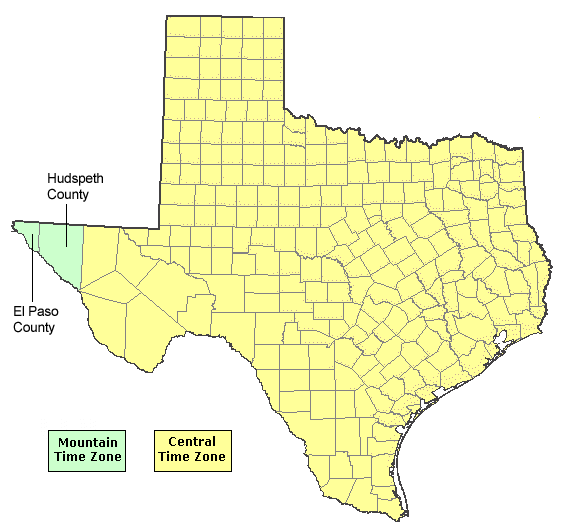
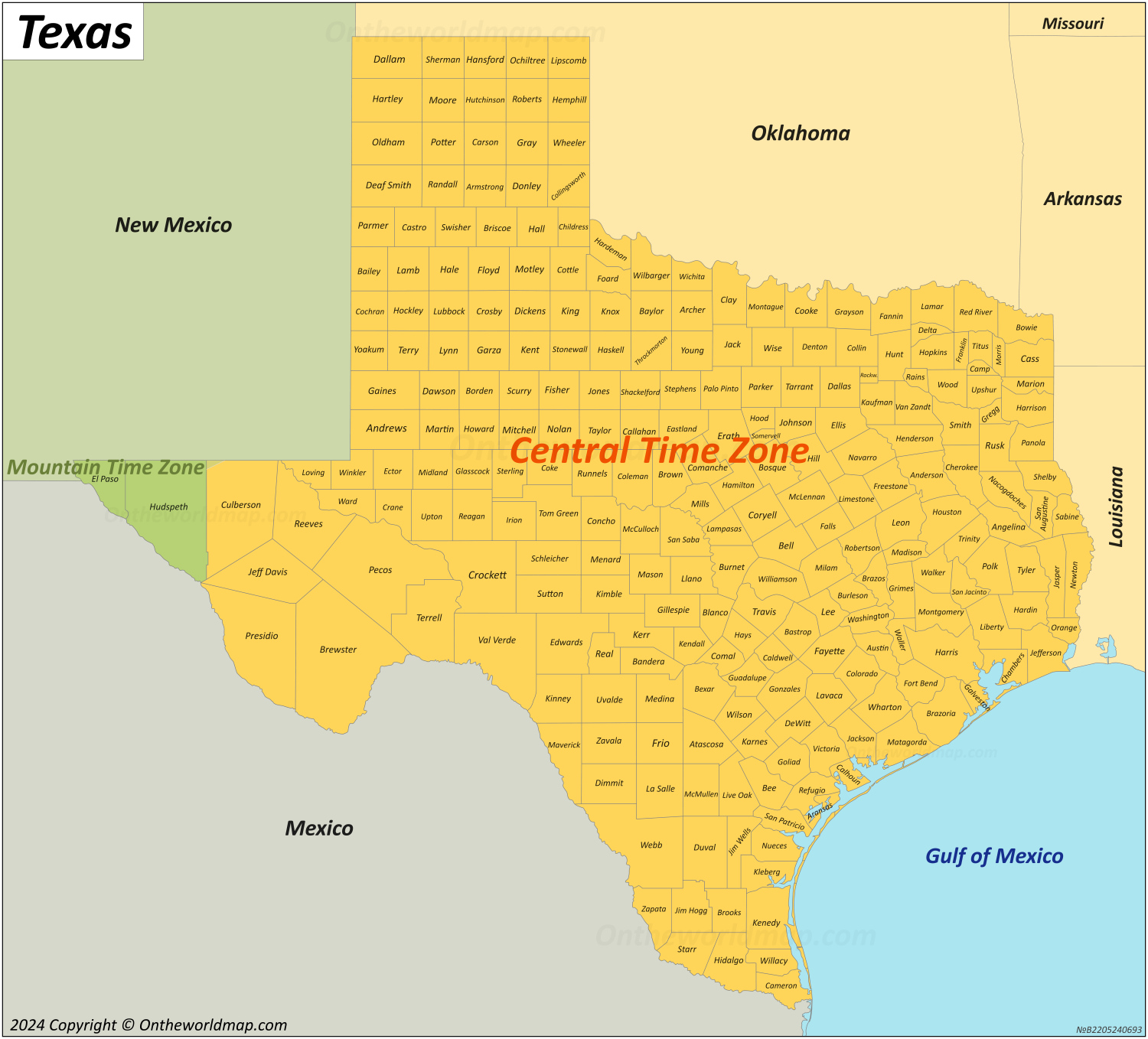
For most of its vast expanse, Texas operates on Central Standard Time (CST) during the winter months and Central Daylight Time (CDT) during the summer, adhering to the typical daylight saving schedule observed across much of the United States. This covers major cities like Houston, Dallas, Austin, and San Antonio, ensuring a consistent rhythm for the vast majority of visitors. However, there’s a notable exception: the far western corner of the state, including the city of El Paso and parts of Hudspeth County, observes Mountain Standard Time (MST) and Mountain Daylight Time (MDT). This means that if you’re planning a road trip from, say, Dallas to El Paso, you’ll gain an hour upon arrival, a small but important detail for scheduling flights, reservations, and meet-ups. This temporal shift underscores the sheer scale of Texas, a state that often feels like a country unto itself. Travelers should always double-check local times, especially when journeying near the western border with New Mexico.
The Best Time to Visit Texas: Seasons and Events
Determining the “best time” to visit Texas largely depends on your travel preferences and the activities you plan to pursue. Given its diverse climate, each season presents its own charm and set of experiences.
Spring (March to May): This is arguably the most popular time to visit. The weather is generally mild and pleasant across the entire state, with blooming wildflowers—most famously the bluebonnets—transforming highways and fields into vibrant canvases. Spring is ideal for outdoor activities, from hiking in Big Bend National Park to exploring the San Antonio River Walk. Major events like South by Southwest (SXSW) in Austin draw massive crowds, offering a cutting-edge fusion of music, film, and interactive media. The Houston Livestock Show and Rodeo also takes place in early spring, providing an authentic taste of cowboy culture.
Summer (June to August): Texas summers are famously hot, especially inland. However, this is the perfect time for water-centric tourism. Coastal cities like Galveston and Corpus Christi become popular escapes, offering beaches and water sports. The Hill Country rivers and lakes provide refreshing swimming and tubing opportunities. For those who don’t mind the heat, many indoor attractions, such as Space Center Houston or the world-class museums in Dallas and Houston, offer cool comfort. Families often find summer a convenient time to travel, with school holidays aligning perfectly for extended trips.

Fall (September to November): Autumn brings a welcome respite from the summer heat, with comfortable temperatures returning across most of the state. It’s another excellent season for outdoor adventures, particularly in the state’s western mountains where fall foliage can be surprisingly vibrant. Austin City Limits Music Festival lights up Zilker Park in October, drawing music lovers from around the globe. This season is also prime for exploring the state’s many wineries and indulging in hearty Texan cuisine without the oppressive heat.
Winter (December to February): While less extreme than northern states, Texas winters can vary. South Texas remains mild, making it a popular destination for snowbirds seeking warmth. Northern parts of the state can experience occasional cold fronts and even light snow. Winter is ideal for enjoying city attractions, cozying up in charming boutique hotels, and experiencing festive holiday events. Major cities twinkle with lights, and cultural performances abound, offering a different kind of Texan magic.
A Timeless Journey Through Texas Cities and Culture
Texas is a land of vivid contrasts, where each major city offers a distinct flavor and a deep dive into unique facets of Texan lifestyle and history. The state’s cultural identity is as expansive as its geography, blending indigenous roots, Spanish colonial heritage, and frontier spirit with modern dynamism.
Iconic Cities: Austin, Dallas, Houston, and San Antonio
These four metropolitan hubs are the cornerstones of Texan urban tourism, each presenting a unique narrative.
Austin: The Live Music Capital of the World
Austin pulsates with an energetic, independent spirit. It’s a city where creativity thrives, best experienced through its legendary live music scene along Sixth Street and South Congress Avenue. Beyond the music, Austin boasts a phenomenal food truck culture, offering everything from gourmet tacos to international delights. Outdoor enthusiasts will find solace at Zilker Park, home to the refreshing Barton Springs Pool. The city is also the political heart of the state, with the impressive Texas State Capitol offering free tours. When considering accommodation, options range from trendy boutique hotels like Hotel San Jose to luxurious resorts providing serene escapes just outside the city center. A stay at the Hyatt Regency Austin offers stunning views of the city skyline and Lady Bird Lake.
Dallas: Urban Sophistication and Cowboy Heritage
Dallas embodies a blend of modern sophistication and its rich Western heritage. It’s a powerhouse for arts and culture, boasting the largest contiguous urban arts district in the United States, the Dallas Arts District. Here, you can explore institutions like the Dallas Museum of Art and the Nasher Sculpture Center. History buffs will find the Sixth Floor Museum at Dealey Plaza a poignant and essential visit, detailing the assassination of President John F. Kennedy. For a touch of iconic Texas glamour, a trip to Southfork Ranch, famous from the TV show “Dallas,” offers a nostalgic look into a bygone era. Hotels in Dallas vary from high-rise luxury such as the Omni Dallas Hotel to charming historic boutiques, catering to both business and leisure travelers.
Houston: A Global City of Space and Diversity
Houston is a sprawling, multicultural metropolis, famous as the home of NASA’s Johnson Space Center and its public-facing Space Center Houston, an absolute must-visit for anyone fascinated by space exploration. The city’s diversity is reflected in its incredible culinary scene, offering everything from authentic Tex-Mex and BBQ to world-class international dining. Its Museum District rivals any major city, featuring 19 institutions, including the Museum of Fine Arts, Houston and the Houston Museum of Natural Science. Accommodation options are plentiful, with upscale hotels like The Houstonian Hotel, Club & Spa providing luxurious retreats amidst green spaces, and budget-friendly options available throughout the city.
San Antonio: Where History Comes Alive
San Antonio is steeped in history and Spanish colonial charm, most famously recognized for The Alamo, a pivotal site in the Texas Revolution. The city’s crown jewel, the San Antonio River Walk, is a network of walkways along the banks of the San Antonio River, lined with shops, restaurants, and hotels. It’s an enchanting place for a leisurely stroll, a boat tour, or a delicious meal. Beyond The Alamo, the city boasts four other Spanish colonial missions, forming the San Antonio Missions National Historical Park, a UNESCO World Heritage Site. Accommodation on the River Walk is highly sought after, with options like Hotel Emma offering unique luxury within a repurposed brewery, or the JW Marriott San Antonio Hill Country Resort & Spa providing a family-friendly oasis just outside the city.
Immersing in Texan Lifestyle and Landmarks
Beyond the vibrant cities, the true spirit of Texas lies in its diverse lifestyle and breathtaking landmarks.
The Heart of Cowboy Country: A visit to Fort Worth is essential for those seeking an authentic Western experience. The Fort Worth Stockyards National Historic District offers daily cattle drives, rodeos, and plenty of Western-themed shops and eateries. It’s a vibrant reminder of Texas’s ranching past and a lively hub for tourism.
Natural Wonders: Texas is home to an incredible array of natural beauty. Big Bend National Park, located in the remote western part of the state, offers stunning desert landscapes, mountains, and a segment of the Rio Grande River bordering Mexico. It’s a paradise for hikers, stargazers, and those seeking solitude. Further north, Guadalupe Mountains National Park boasts the four highest peaks in Texas, including Guadalupe Peak, the state’s highest point, and stunning canyons. For coastal charm, Padre Island National Seashore near Corpus Christi protects the longest undeveloped barrier island in the world, a haven for birdwatching, camping, and pristine beaches.
Culinary Adventures: No trip to Texas is complete without indulging in its legendary cuisine. From smoky, slow-cooked BBQ joints across the state (like those found in Lockhart, the “BBQ Capital of Texas”)) to the vibrant flavors of Tex-Mex, the food scene is an integral part of the Texan lifestyle. Don’t forget to try chicken-fried steak, pecan pie, and breakfast tacos.
Planning Your Texas Adventure: Accommodation and Experiences
Crafting the perfect Texas itinerary involves thoughtful planning, especially when it comes to where you’ll rest your head and how you’ll make the most of your travel time. The state’s vastness means that your choices in accommodation and activities can significantly shape your experience.
Where to Stay: Hotels, Resorts, and Unique Stays Across Texas
Texas offers an extensive range of accommodation options to suit every taste, budget, and travel style. Whether you’re seeking luxury, family-friendly hotels, a cozy boutique experience, or something truly unique, the state delivers.
For those desiring unparalleled comfort and extensive amenities, cities like Dallas, Houston, and Austin are home to world-class luxury hotels and resorts. Imagine unwinding at the [Four Seasons Austin](https://lifeoutofthebox.com/four- Seasons-austin) with views of Lady Bird Lake, or experiencing the grandeur of the Rosewood Mansion on Turtle Creek in Dallas. Many resorts, like the JW Marriott San Antonio Hill Country Resort & Spa or the Omni Barton Creek Resort & Spa in Austin, offer expansive properties with golf courses, spas, and multiple dining options, perfect for a relaxing getaway or a family vacation. Another fantastic option for a blend of rustic charm and luxury is the Lost Pines Resort near Bastrop.
Boutique hotels have gained significant popularity, offering personalized service and unique aesthetics. Hotel Emma on the San Antonio River Walk is a prime example, blending historic industrial design with modern luxury. In smaller, charming towns, you might find quaint bed-and-breakfasts that provide a cozy, local experience. For adventurous souls exploring West Texas, the historic Gage Hotel in Marfa offers a taste of frontier elegance near Big Bend.
For families or groups, consider vacation rentals through platforms that offer private villas or apartments, providing more space and flexibility. Ranch stays also offer a unique Texan experience, allowing guests to immerse themselves in cowboy lifestyle with horseback riding, cattle drives, and authentic country living. Booking in advance, especially during peak seasons like spring and fall or major event dates, is always recommended to secure your preferred accommodation.
Crafting Your Itinerary: Making the Most of Your Time
With so much to see and do, effective itinerary planning is crucial for any Texas travel. Consider the time you have and your interests to build a memorable journey.
Short Stays (2-3 Days): Focus on one major city. For example, in San Antonio, dedicate your time to The Alamo, the River Walk, and perhaps a mission tour. In Austin, immerse yourself in the live music scene, explore Barton Springs Pool, and enjoy the culinary delights.
Medium Stays (4-7 Days): This allows for a two-city itinerary or a deep dive into one city with a day trip. You could combine Dallas and Fort Worth for a blend of urban sophistication and cowboy culture. Alternatively, spend a longer period in Houston, exploring Space Center Houston, its Museum District, and diverse neighborhoods.
Extended Stays (7+ Days): An extended stay opens up possibilities for a comprehensive Texas road trip, perhaps a loop covering the major cities or a journey into the natural wonders of West Texas. Consider a route that takes you from Houston’s space-age attractions, across to Austin’s vibrant music scene, down to San Antonio’s historic charm, and then perhaps west to Big Bend National Park for an entirely different experience. The key is to pace yourself, acknowledging the vast distances between destinations.
For budget travelers, look for accommodation outside city centers, utilize public transport where available, and seek out free attractions like parks, murals, and walking tours. Luxury travelers can indulge in high-end resorts, fine dining, and curated experiences such as private ranch tours or helicopter rides over the Hill Country. Family trips benefit from attractions like amusement parks, children’s museums, and national parks. Meanwhile, adventure seekers can explore kayaking on urban rivers, hiking rugged trails, or even participating in a genuine rodeo clinic.
Ultimately, “What Time It Is Texas?” is an invitation to experience the state on your own terms. It’s a call to embrace its diversity, delve into its rich history, and savor every moment of its vibrant present. Whether you’re tracking time zones or simply losing track of time amidst the beauty and excitement, Texas promises an adventure that resonates long after you’ve left its borders.
LifeOutOfTheBox is a participant in the Amazon Services LLC Associates Program, an affiliate advertising program designed to provide a means for sites to earn advertising fees by advertising and linking to Amazon.com. Amazon, the Amazon logo, AmazonSupply, and the AmazonSupply logo are trademarks of Amazon.com, Inc. or its affiliates. As an Amazon Associate we earn affiliate commissions from qualifying purchases.