
For any traveler planning a vibrant escape or a crucial business trip to the Sunshine State, one of the first questions that often arises is practical yet pivotal: “What time is it in Miami, Florida?” Understanding the local time is not merely a matter of setting your watch; it’s the fundamental starting point for coordinating flights, booking tours, making reservations, and ultimately immersing yourself in the rhythm of this dynamic city. Miami operates on Eastern Standard Time (EST) for a significant part of the year, transitioning to Eastern Daylight Time (EDT) during warmer months. This guide will not only clarify Miami’s time zone but also delve into why understanding its clock is essential for maximizing your travel experience, from sunrise strolls along South Beach to late-night adventures in Little Havana.
Understanding Miami’s Time Zone: Eastern Standard Time (EST)
Miami, situated on the southeastern coast of Florida in the United States, primarily observes the Eastern Time Zone. This means that for much of the year, it is on Eastern Standard Time (EST), which is Greenwich Mean Time (GMT) or Coordinated Universal Time (UTC) minus five hours (UTC-5). However, like most of the United States, Miami participates in Daylight Saving Time (DST), shifting to Eastern Daylight Time (EDT), which is UTC-4.
How EST Affects Your Travel Planning
Knowing the time zone is critical, especially if you’re traveling from a different part of the world or even from another region within the United States. For international visitors, the time difference can be substantial, requiring careful planning to manage jet lag and ensure you’re on schedule for important appointments or activities. For instance, travelers from Europe will find Miami to be five to six hours behind, while those from the West Coast of the United States will experience a three-hour difference.
This difference directly impacts flight schedules, hotel check-in/check-out times, and pre-booked excursions. Arriving well-rested and adjusting to the local time swiftly can make all the difference to the start of your vacation or business trip. Many travelers find it helpful to gradually shift their sleep schedule a few days before departure, hydrate frequently during their journey, and expose themselves to natural light upon arrival to help reset their internal clock.
Daylight Saving Time in Miami
Daylight Saving Time typically begins on the second Sunday in March, when clocks “spring forward” one hour, and ends on the first Sunday in November, when they “fall back” one hour. During these months, Miami observes Eastern Daylight Time (EDT), meaning it is UTC-4. This change provides an extra hour of daylight in the evenings, perfect for enjoying Miami’s outdoor attractions and vibrant nightlife.
Travelers should always confirm whether their visit falls within EST or EDT periods, particularly when booking international flights or coordinating with people in different time zones. Most modern smartphones and devices automatically adjust to the local time, but it’s always wise to double-check to avoid any confusion, especially when navigating public transportation schedules or meeting tour guides.
Why Time in Miami Matters: A Hub of Activity
Miami is a city that thrives on energy and diversity, where every hour brings new opportunities for discovery and enjoyment. Understanding the city’s temporal flow is key to truly experiencing its unique blend of cultures, natural beauty, and urban sophistication.
The Rhythms of Miami Day and Night
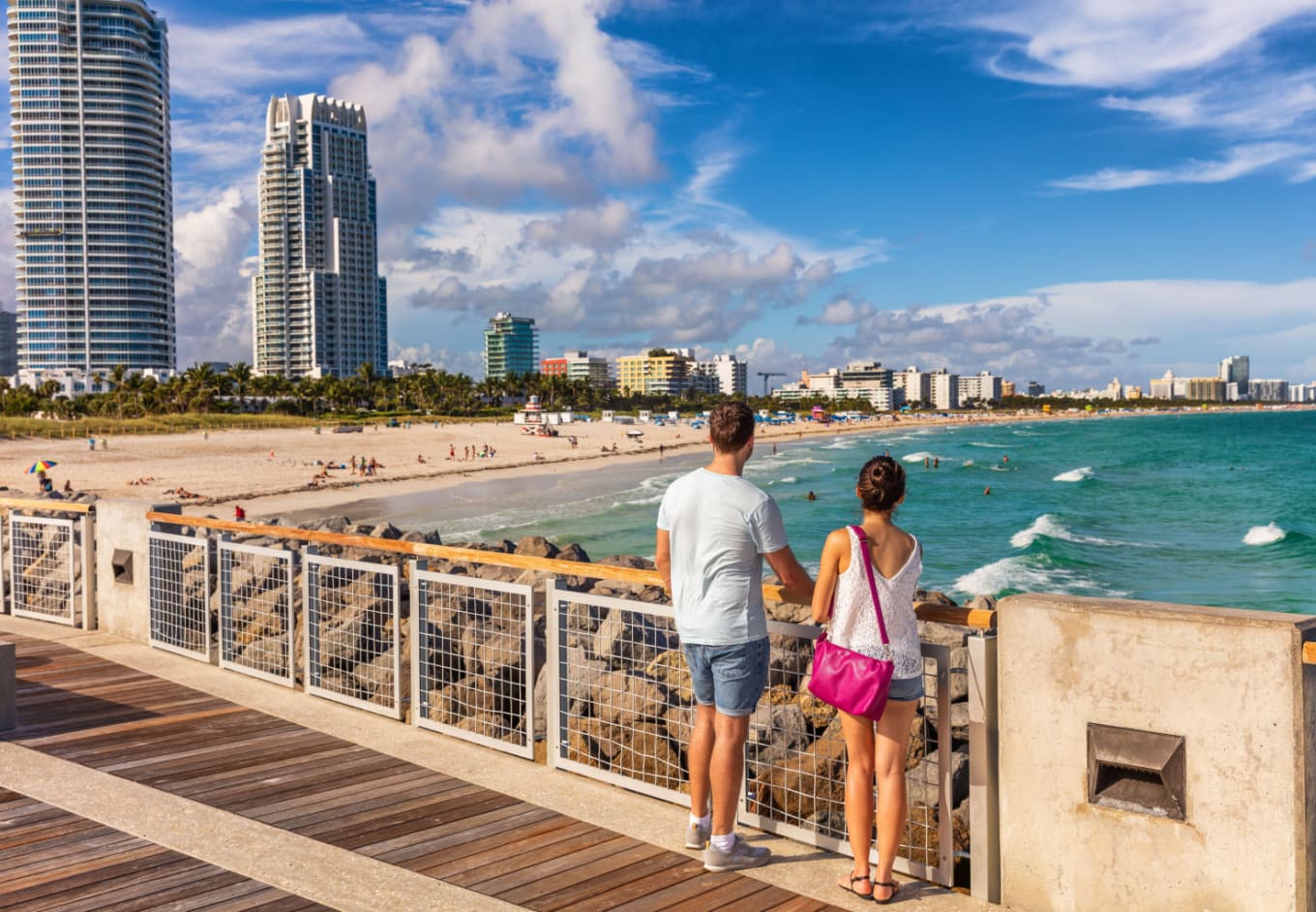
The day in Miami often starts early, especially for those eager to catch the sunrise over the Atlantic Ocean or enjoy a serene beach walk before the crowds arrive. Mornings are ideal for outdoor activities, from jogging along the shores of Miami Beach to exploring the lush botanical gardens. As the day progresses, the city truly awakens, with bustling markets, open-air cafes, and a constant stream of activity in areas like the Art Deco Historic District and Bayside Marketplace.
Evenings transform Miami into a glittering spectacle. The city is renowned for its vibrant nightlife, world-class dining, and diverse entertainment options. From chic rooftop bars in Brickell to lively Cuban clubs in Little Havana, there’s an energy that often extends well past midnight. Understanding this day-to-night rhythm allows you to strategically plan your activities, ensuring you don’t miss out on any of Miami’s offerings.
Planning Your Itinerary: From Sunrise to Sunset
Effective time management is crucial in Miami to avoid feeling rushed or missing out on key experiences. For example, visiting popular attractions like the Vizcaya Museum & Gardens or the Pérez Art Museum Miami (PAMM) might be best done in the morning to avoid the midday heat and larger crowds. Conversely, exploring the colorful street art of the Wynwood Walls is pleasant at any time of day, but the area truly comes alive in the late afternoon and evening with its galleries, breweries, and eateries.
Dining experiences often require advance planning, especially for popular restaurants during peak dinner hours. Similarly, booking boat tours, deep-sea fishing excursions, or tickets for major events should be done with a clear understanding of the local time and your personal schedule. Consider grouping geographically close attractions together to minimize travel time and maximize your exploration. For instance, a morning at the beach could easily be followed by an afternoon exploring nearby Ocean Drive and the Art Deco Historic District.
Experiencing Miami: Beyond the Clock
While understanding the clock is important, the true magic of Miami lies in its diverse experiences. The city offers an incredible array of activities that cater to every interest, from historical landmarks to pulsating nightlife, all within easy reach.
Iconic Landmarks and Attractions
Miami is rich in landmarks that tell stories of its past and showcase its vibrant present. The already mentioned Art Deco Historic District on Ocean Drive is a must-see, with its pastel-colored buildings and unique architecture. History buffs will marvel at the Vizcaya Museum & Gardens, an opulent European-inspired estate with breathtaking gardens overlooking Biscayne Bay. For art lovers, the Pérez Art Museum Miami (PAMM) offers stunning contemporary art collections and impressive architectural design, while the ever-evolving murals of the Wynwood Walls provide an outdoor gallery experience.
Nature enthusiasts can venture slightly outside the city to explore the unique ecosystem of Everglades National Park, home to alligators, panthers, and diverse birdlife. Closer to home, a stroll through Bayside Marketplace offers shopping, dining, and scenic boat tours around the bay, providing fantastic views of the city skyline.
Culinary Delights and Vibrant Nightlife
Miami’s culinary scene is a melting pot, reflecting its diverse population. Little Havana is the heart of Cuban cuisine, where you can savor authentic cafecito, pastelitos, and savory ropa vieja. Upscale dining experiences can be found in South Beach, Brickell, and Coconut Grove, featuring celebrity chef restaurants and international flavors. From fresh seafood to Latin fusion, there’s a dish to satisfy every palate.
When the sun sets, Miami transforms into a global nightlife destination. The clubs of South Beach are legendary, attracting world-class DJs and partygoers. For a more relaxed evening, enjoy cocktails at a trendy lounge in Wynwood or catch live music at a jazz bar in Coral Gables. The energy is infectious, promising unforgettable nights.
Relaxation and Recreation
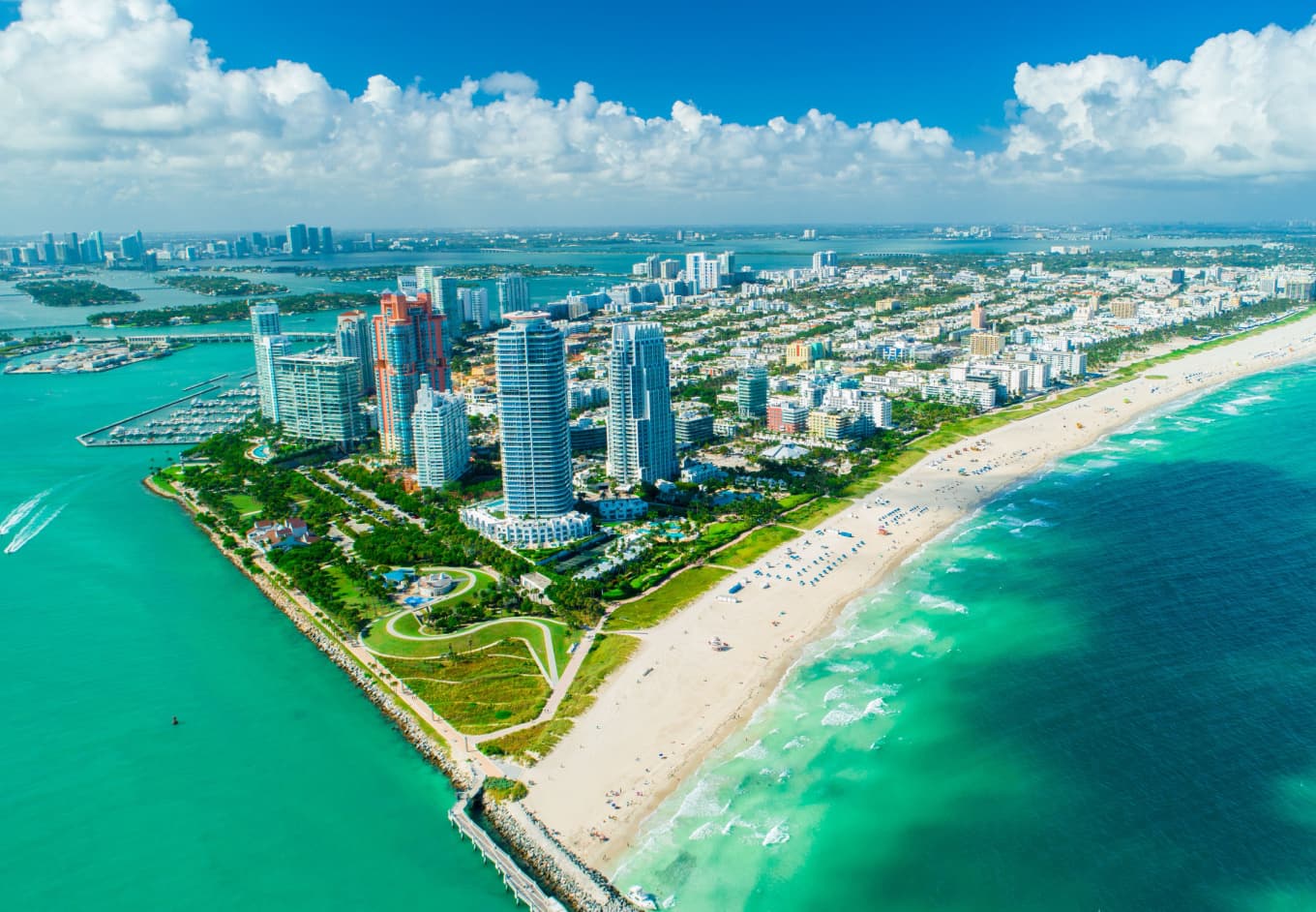
Beyond the glitz and glamour, Miami offers ample opportunities for relaxation and recreation. Its pristine beaches are perhaps its most famous asset, inviting visitors to swim, sunbathe, or indulge in water sports like paddleboarding and jet-skiing. Key Biscayne offers a more tranquil escape with Crandon Park and the historic lighthouse at Bill Baggs Cape Florida State Park, perfect for nature walks and picnics.
For those seeking rejuvenation, Miami boasts an abundance of world-class spas and wellness centers, offering everything from luxurious massages to holistic treatments. Golf courses, tennis courts, and fitness studios are also readily available, ensuring that active travelers can maintain their routines while enjoying their vacation.
Where to Stay: Accommodations for Every Traveler
Miami’s accommodation landscape is as diverse as the city itself, offering options to suit every budget, style, and travel purpose. From lavish resorts to cozy boutique hotels and flexible long-term stays, you’ll find the perfect base for your Miami adventure.
Luxury Resorts and Boutique Hotels
For an indulgent escape, Miami Beach is home to some of the world’s most luxurious resorts, such as the opulent Faena Hotel Miami Beach with its distinct art and design, or the serene elegance of The Setai Miami Beach. In Downtown Miami and Brickell, business travelers and those seeking sophisticated urban luxury can find hotels like the Mandarin Oriental Miami, offering impeccable service and stunning bay views.
Boutique hotels, often found in the Art Deco Historic District and South Beach, offer unique charm and personalized experiences. These properties frequently blend historic architecture with modern amenities, providing a more intimate atmosphere compared to larger resorts.
Budget-Friendly Options and Long-Term Stays
Travelers on a budget needn’t compromise on location or comfort in Miami. Numerous hostels, particularly in South Beach, offer affordable dormitory and private room options, complete with social atmospheres and convenient access to attractions. For those seeking more space or a longer visit, vacation rentals through platforms like Airbnb provide a home-away-from-home experience, often with kitchens and multiple bedrooms, ideal for families or groups.
Extended-stay hotels, found in various neighborhoods, are perfect for business travelers or those planning an extended Miami vacation. These typically include kitchenettes and laundry facilities, offering greater independence and cost savings compared to traditional hotels for longer durations.
Key Neighborhoods for Accommodation
Choosing the right neighborhood is paramount to enhancing your Miami experience:
- South Beach: Ideal for first-time visitors seeking vibrant nightlife, iconic beaches, and Art Deco architecture. It’s lively, walkable, and offers a mix of luxury and budget-friendly options.
- Downtown Miami & Brickell: Perfect for business travelers, museum-goers, and those who appreciate urban sophistication. This area boasts high-rises, fine dining, and cultural institutions, with excellent public transport options like the Metromover.
- Wynwood: Best for art lovers and those seeking a trendy, bohemian vibe with street art, galleries, and unique eateries. Accommodation here tends to be more boutique or vacation rentals.
- Coconut Grove: Offers a relaxed, upscale village atmosphere with lush greenery, waterfront dining, and a slightly more bohemian feel. Ideal for couples or families seeking a quieter, charming retreat.
- Mid-Beach & North Beach: These areas of Miami Beach provide a more laid-back, family-friendly alternative to South Beach, with wider beaches and a mix of hotels and residential buildings.
Making the Most of Your Miami Trip
A memorable Miami trip involves more than just knowing the time; it requires a dash of preparation and an open mind to embrace the city’s unique charm.
Essential Travel Tips for Visitors
- Transportation: While many areas like South Beach are walkable, having access to ride-sharing services (Uber/Lyft), the free Metromover in Downtown Miami, or the Miami Beach trolley can be invaluable for exploring wider areas.
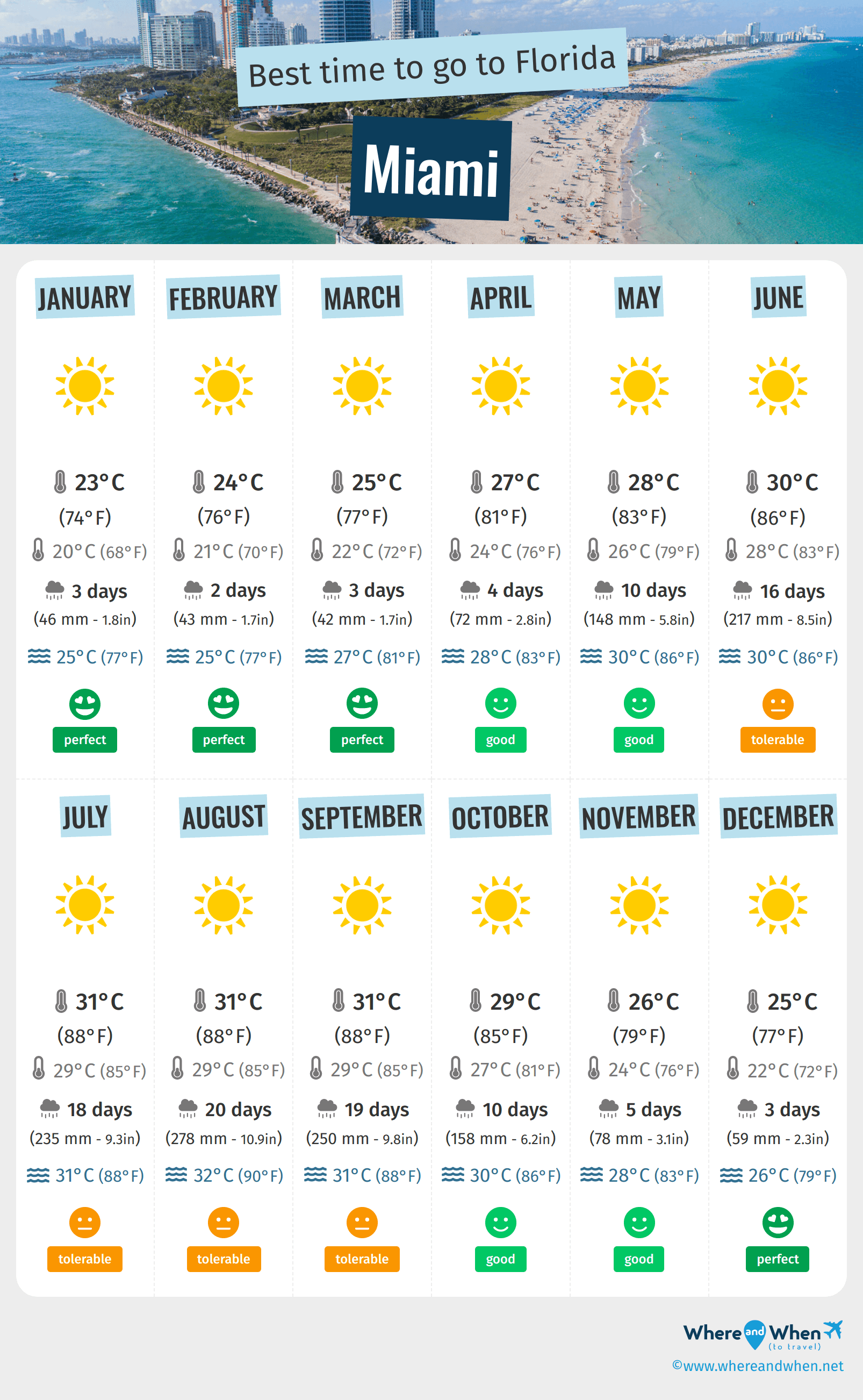
- Weather: Miami is known for its warm, humid climate. Pack light, breathable clothing, plenty of sunscreen, sunglasses, and a hat. Don’t forget swimwear! A light rain jacket can be useful during the rainy season.
- Language: While English is widely spoken, Miami is a bilingual city with a large Spanish-speaking population. Learning a few basic Spanish phrases can enhance your cultural interactions, especially in neighborhoods like Little Havana.
- Book in Advance: Especially during peak season or for popular attractions, restaurants, and hotels, booking well in advance can save you money and ensure availability.
- Stay Hydrated: The Florida sun can be intense. Drink plenty of water throughout the day to stay hydrated.
Seasonal Considerations and Best Times to Visit
Miami’s distinct seasons offer different experiences:
- Peak Season (November to April): This is the most popular time to visit, characterized by pleasant, dry weather, lower humidity, and cooler temperatures. However, it’s also the busiest and most expensive, particularly during Art Basel Miami Beach in December, South Beach Wine & Food Festival in February, and Spring Break.
- Shoulder Season (May and October): These months offer a good balance of pleasant weather and fewer crowds. Temperatures begin to rise, and there’s a higher chance of afternoon showers, but prices are generally more affordable.
- Off-Season (June to September): This period is hot, humid, and coincides with hurricane season. While there can be great deals on accommodation and fewer tourists, be prepared for intense heat, frequent thunderstorms, and the possibility of tropical storms. Travel insurance is highly recommended if visiting during these months.
Regardless of when you visit, staying informed about local events and holidays can help you plan an even more enriching trip. From the vibrant energy of Carnaval Miami to the serene beauty of a quiet sunrise, every moment in Miami is an opportunity to create lasting memories. So, set your watch to Miami time, and prepare to discover all that this incredible city has to offer.
LifeOutOfTheBox is a participant in the Amazon Services LLC Associates Program, an affiliate advertising program designed to provide a means for sites to earn advertising fees by advertising and linking to Amazon.com. Amazon, the Amazon logo, AmazonSupply, and the AmazonSupply logo are trademarks of Amazon.com, Inc. or its affiliates. As an Amazon Associate we earn affiliate commissions from qualifying purchases.