
Florida, the Sunshine State, beckons millions of travelers each year with its pristine beaches, world-famous theme parks, vibrant cities, and lush natural landscapes. From the magical realms of Orlando to the Art Deco splendor of Miami, and the historic charm of St. Augustine to the laid-back rhythm of the Florida Keys, this peninsula offers an unparalleled diversity of experiences. But before you dive headfirst into your Floridian adventure, a fundamental question often arises, especially for those planning intricate itineraries or coordinating with friends and family: “What time is it in Florida right now?” This seemingly simple query unlocks a deeper understanding of how time zones, local customs, and seasonal changes influence everything from travel logistics and hotel bookings to the best times for exploring landmarks and enjoying the state’s unique lifestyle.
Understanding Florida’s time is more than just knowing the current hour; it’s about optimizing your visit to truly embrace the state’s offerings. Whether you’re seeking the perfect window for sunrise yoga on South Beach, planning your arrival at a bustling resort, or timing a scenic drive through the Everglades, the clock plays a crucial role. This comprehensive guide will navigate the intricacies of Florida’s time zones, offer insights into how to plan your days effectively, and help you harmonize your schedule with the state’s captivating rhythm, ensuring a seamless and unforgettable journey.
Understanding Florida’s Time Zones: A Traveler’s Guide
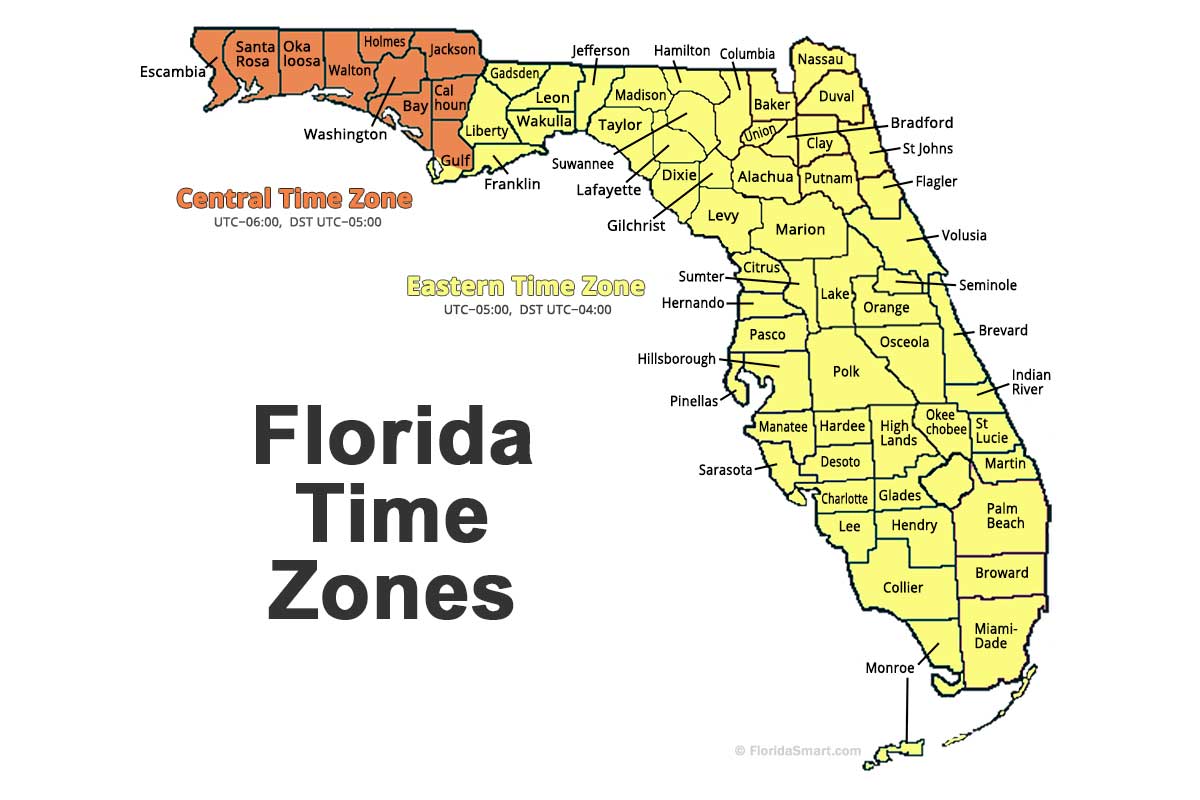
One of the first considerations for any visitor to Florida is its unique geographical position, which places it within two distinct time zones. While the vast majority of the state operates on one standard time, a crucial segment of its western Panhandle adheres to another. This dual time zone system is a vital piece of information for planning travel, making reservations, and communicating across different parts of the state.
The Eastern Time Zone Advantage
The bulk of Florida, including its most popular tourist destinations, resides in the Eastern Time Zone (ET). This encompasses major cities like Miami, Orlando, Tampa, Jacksonville, Fort Lauderdale, Sarasota, Naples, and the entirety of the Florida Keys. During Daylight Saving Time (from the second Sunday in March to the first Sunday in November), this zone is referred to as Eastern Daylight Time (EDT), which is UTC-4. For the remainder of the year, it reverts to Eastern Standard Time (EST), which is UTC-5.
Operating in the Eastern Time Zone offers several advantages for travelers. Many international and domestic flights arrive at major airports in Miami, Orlando, and Tampa, all of which are on ET. This consistency simplifies flight schedules, hotel check-ins, and coordinating activities across the state’s most frequented areas. Theme parks like Walt Disney World Resort and Universal Studios Florida in Orlando publish their operating hours in ET, ensuring straightforward planning for families eager to maximize their time. Similarly, cruise departures from PortMiami or Port Canaveral are all aligned with Eastern Time, making arrival and embarkation smooth.

Navigating the Panhandle’s Central Time
While most of Florida observes ET, a significant portion of the Panhandle, specifically west of the Apachicola River, falls within the Central Time Zone (CT). This includes popular destinations like Pensacola, Destin, Fort Walton Beach, and Panama City Beach. During Daylight Saving Time, this becomes Central Daylight Time (CDT), which is UTC-5, and during standard time, Central Standard Time (CST), which is UTC-6. Essentially, the Panhandle is always one hour behind the rest of Florida.
This time zone distinction is paramount for travelers venturing into or out of the Panhandle. A road trip from Orlando to Destin, for example, will involve “losing” an hour as you cross into the Central Time Zone. This needs to be factored into arrival times for accommodations, dinner reservations, or scheduled tours. Similarly, if flying out of Pensacola International Airport after visiting Miami, be mindful of the one-hour difference to avoid missing your flight. Always double-check the time zone for any specific location in the Panhandle when making plans, as failing to do so can lead to missed connections or unnecessary stress.

Time-Sensitive Planning: Maximizing Your Florida Experience
Beyond simply knowing the time, understanding how to strategically schedule your days can dramatically enhance your Florida vacation. From catching the sunrise over the Atlantic Ocean to enjoying a sunset cruise in the Gulf of Mexico, the rhythm of the day dictates the best opportunities for various activities. Leveraging the clock allows you to avoid crowds, capture optimal lighting for photography, and experience local culture at its most authentic.
Morning Adventures and Early Bird Specials
Florida mornings are often characterized by pleasant temperatures and fewer crowds, making them ideal for a range of activities. Early risers can witness breathtaking sunrises along the eastern coast in cities like Daytona Beach or Cocoa Beach, often accompanied by the gentle sounds of the ocean. For nature enthusiasts, embarking on an early morning airboat tour in the Everglades National Park or kayaking through the serene mangroves of South Florida can offer unparalleled wildlife viewing opportunities before the heat of the day sets in. Birds, alligators, and manatees are often more active during these cooler hours.
Theme parks, while bustling throughout the day, often reward early arrivals. “Rope drop” at Walt Disney World Resort or Universal Orlando Resort allows visitors to experience popular attractions with minimal wait times, setting a positive tone for the entire day. Many hotels and resorts offer early morning fitness classes, yoga sessions, or breakfast specials that cater to the early bird, providing a relaxed start before the day’s main activities commence. Similarly, golf courses across the state, from PGA National Resort in Palm Beach Gardens to championship courses in Naples, are often best enjoyed during the cooler morning hours, offering a tranquil and focused experience.
Afternoon Delights and Prime Exploration Hours
As the morning transitions into afternoon, Florida’s vibrant energy comes to life. This is prime time for exploring many of the state’s iconic landmarks and attractions. Museums, such as The Dalí Museum in St. Petersburg or the Vizcaya Museum & Gardens in Miami, are typically open with full schedules, offering cultural enrichment. Retail therapy beckons in high-end shopping districts like Worth Avenue in Palm Beach or the Design District in Miami, where boutiques and galleries thrive in the afternoon buzz.
For those seeking aquatic adventures, the afternoon is perfect for hitting Florida’s world-renowned beaches, whether it’s the lively shores of Clearwater Beach, the family-friendly sands of Siesta Key, or the picturesque isolation of Amelia Island. Water sports like paddleboarding, jet skiing, and parasailing are typically in full swing. This is also a popular time for boat tours, snorkeling excursions to coral reefs off the Florida Keys, or even visiting remote island paradises like Dry Tortugas National Park. Lunch can be enjoyed at beachfront cafes or upscale dining establishments, often offering spectacular views of the Atlantic or Gulf of Mexico.
Evening Escapes and Nightlife Vibrancy
As the sun begins its descent, Florida transforms into a hub of evening entertainment and culinary delights. Sunsets over the Gulf Coast are legendary, with destinations like Key West’s Mallory Square hosting vibrant sunset celebrations complete with street performers and food vendors. Dinner reservations, especially at popular restaurants, are crucial during these hours, ranging from fresh seafood shacks to Michelin-starred establishments.
Theme parks, particularly Walt Disney World Resort and Universal Orlando Resort, offer dazzling evening spectaculars, parades, and fireworks displays that are truly magical. Nightlife in cities like Miami Beach, Orlando’s International Drive, and Ybor City in Tampa comes alive with trendy bars, clubs, and live music venues, catering to a diverse crowd. For those seeking a more relaxed evening, twilight cruises, stargazing opportunities in darker sky preserves, or simply a leisurely stroll along a boardwalk offer a tranquil close to the day.
Beyond the Clock: Florida’s Rhythmic Lifestyle
While adherence to schedules is important for logistical efficiency, truly experiencing Florida involves embracing its unique cultural rhythm and lifestyle. This rhythm is influenced by everything from its sunny climate to its diverse population and its status as a premier global destination. Understanding this broader context can help travelers integrate more seamlessly and enjoy their trip on a deeper level.
Adapting to the Florida Pace
Florida has a distinctive pace that blends the energy of bustling tourist hubs with the relaxed demeanor of coastal living. In popular tourist destinations like Orlando and Miami, the tempo can be fast-paced, driven by the constant flow of visitors and the myriad activities on offer. However, even within these areas, there’s an underlying sense of leisure, encouraging visitors to slow down and savor the moment. Along the coasts, particularly in charming beach towns and the Florida Keys, the pace often shifts to a more tranquil “island time,” where sunsets are celebrated and daily schedules are dictated more by natural cycles than rigid itineraries.
This adaptable pace means that while some activities require strict timing (e.g., flight departures, theme park reservations), others encourage spontaneity. Embracing this duality allows for a richer experience. Dining culture, for example, varies from quick-service options at theme parks to leisurely multi-course meals at upscale restaurants where lingering is part of the experience. Understanding that “Florida time” can sometimes mean a slightly relaxed approach to punctuality, especially in social settings, can help travelers adjust their expectations and enjoy the local way of life.
Seasonal Shifts and Daylight Saving
Florida’s lifestyle and tourism patterns are heavily influenced by its seasons and the observance of Daylight Saving Time. The cooler, drier winter months (roughly November to April) are considered peak season, bringing an influx of “snowbirds” and vacationers escaping colder climates. During this period, the days are shorter, but the weather is ideal for outdoor activities, and attractions often extend their hours to accommodate the higher demand. However, this also means increased crowds and higher prices for accommodation and flights.
As spring transitions into summer, the days lengthen considerably, thanks to Daylight Saving Time. This provides more daylight hours for exploration, making it possible to enjoy beaches and outdoor activities well into the evening. While the summer months bring higher temperatures and humidity, along with the occasional afternoon thunderstorm, they also offer opportunities for earlier starts and later finishes. This extended daylight is particularly advantageous for visiting attractions like Kennedy Space Center Visitor Complex, where outdoor exhibits can be explored over a longer period, or enjoying evening strolls along the Riverwalk in Tampa or Jacksonville. The shift in time can initially be disorienting for some travelers, especially those crossing multiple time zones, but adapting quickly ensures maximum enjoyment of Florida’s extended summer evenings.
Accommodating Your Schedule: Hotels and Bookings
Effective time management is perhaps most critical when it comes to travel logistics, especially concerning accommodation. The right timing can make the difference between a smooth arrival and a stressful start to your vacation. From check-in procedures to resort amenities, knowing “what time now Florida” is foundational for a well-orchestrated trip.
Check-in, Check-out, and Seamless Transitions
Hotel and resort operations are meticulously timed, and understanding these schedules is vital for a hassle-free experience. Standard check-in times across Florida typically range from 3:00 PM to 4:00 PM, while check-out is usually between 10:00 AM and 11:00 AM. These times are set to allow staff sufficient time to clean and prepare rooms for arriving guests. Knowing your hotel’s specific policies and accounting for potential time zone changes (especially when flying into the Panhandle) will help you plan your arrival at the property effectively.
Many resorts, particularly large ones in Orlando or Miami Beach, offer amenities and services that guests can utilize even before check-in or after check-out. This might include baggage storage, access to pools or fitness centers, or dining options. If you arrive early or have a late departure, inquire about these facilities. Some luxury properties or those catering to business travelers might offer flexible check-in/check-out options, sometimes for an additional fee, allowing you to tailor your schedule more precisely. Always confirm these details directly with your accommodation provider to avoid surprises.
Planning Around Peak Times
Booking accommodations, particularly during Florida’s peak seasons or around major holidays and events, requires foresight and precision. During these times, hotels, resorts, and vacation rentals are often fully booked well in advance, and prices can be significantly higher. For example, planning a trip to Orlando during spring break, Christmas, or summer requires booking months, if not a year, ahead. Similarly, hotels in Miami during Art Basel or Formula 1 Grand Prix weekends demand early reservations and come with premium rates.
Understanding these peak periods also extends to planning activities within your chosen accommodation. If your resort has popular amenities like a spa, fine dining restaurant, or kids’ club, booking these services in advance, especially for evening slots or prime daytime hours, is highly recommended. Many resorts offer online booking portals or dedicated concierges to assist with scheduling, ensuring you don’t miss out on desired experiences. For those seeking budget-friendly options or a more tranquil visit, planning during the shoulder seasons (late spring/early fall) can offer a better balance of good weather, fewer crowds, and more favorable rates, aligning your travel with optimal times for a relaxed and enjoyable stay.
In conclusion, knowing “What time now Florida?” is more than a trivial piece of information; it’s a fundamental aspect of crafting a successful and enjoyable trip to the Sunshine State. From navigating its two time zones and coordinating travel logistics to maximizing your time at world-class attractions and immersing yourself in the local lifestyle, the clock plays a silent yet significant role. By understanding and planning around Florida’s temporal rhythms, you can ensure every moment of your vacation is savored, creating memories that will last a lifetime.