
The Boston Marathon is not just a race; it’s a pilgrimage for distance runners, a testament to grit, endurance, and years of dedicated training. For many, earning a spot on the starting line in Hopkinton, Massachusetts, represents the pinnacle of their running journey. This iconic event, steeped in history and tradition, draws hundreds of thousands of spectators and some of the world’s most elite athletes, making it one of the most celebrated and challenging marathons globally. But beyond the cheering crowds and the legendary “Heartbreak Hill,” lies a fundamental question that every aspiring participant must answer: “What time qualifies for the Boston Marathon?”

For the discerning traveler and dedicated runner, the quest for a Boston Qualifying (BQ) time intertwines seamlessly with the broader world of travel, tourism, and lifestyle. It’s about selecting a qualifying race in an exciting destination, planning the ultimate trip to Boston itself, and experiencing the city’s rich culture and vibrant attractions as both an athlete and a tourist. This article will guide you through the intricate qualification standards, offer insights into planning your marathon travel, and highlight how the Boston Marathon experience extends far beyond the 26.2 miles, embracing luxury, adventure, and unforgettable memories.
Understanding the Road to Hopkinton: Boston Marathon Qualification Standards
The journey to the Boston Marathon begins long before race day, often with countless miles logged in training and a strategic approach to selecting a qualifying race. Unlike many other marathons, Boston is unique in its strict entry requirements, demanding that participants achieve a specific performance benchmark for their age and gender. This rigorous standard ensures that those who toe the line are among the most committed and capable runners, contributing to the race’s legendary status and highly competitive field.
The Elusive BQ: Age and Gender Categories
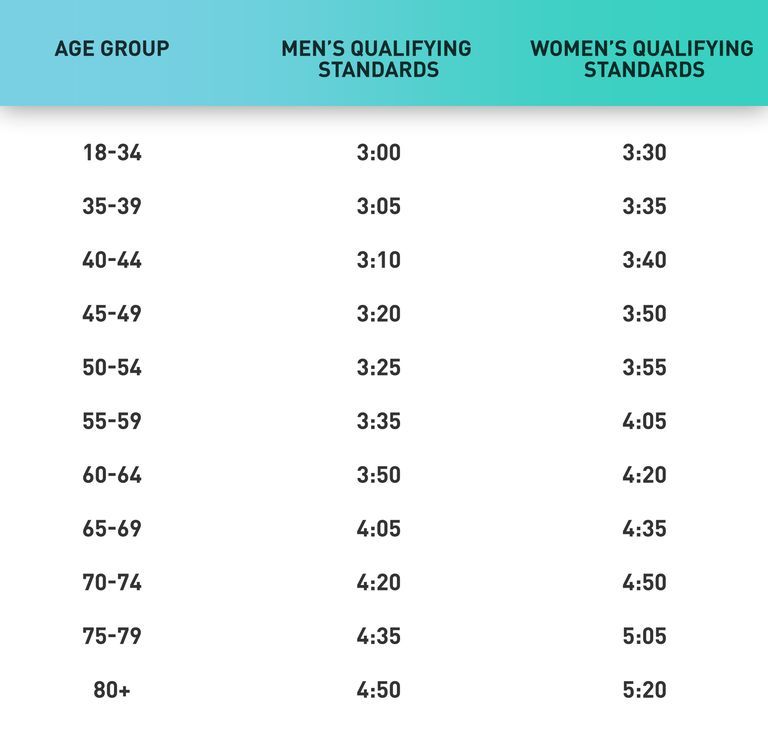
The cornerstone of Boston Marathon entry is the achievement of a “Boston Qualifier” (BQ) time. These times are set by the Boston Athletic Association (B.A.A.) and vary based on a runner’s age and gender on the day of the Boston Marathon itself, not on the day of their qualifying race. The B.A.A. typically announces the updated qualification standards a year or so in advance of each race. For the sake of illustration, here’s a general overview of what the typical standards look like, though it’s crucial to always check the official B.A.A. website for the most current information:
Men’s Qualification Standards (Approximate Example):
- 18-34 years: 3 hours 00 minutes 00 seconds
- 35-39 years: 3 hours 05 minutes 00 seconds
- 40-44 years: 3 hours 10 minutes 00 seconds
- 45-49 years: 3 hours 20 minutes 00 seconds
- 50-54 years: 3 hours 25 minutes 00 seconds
- 55-59 years: 3 hours 35 minutes 00 seconds
- 60-64 years: 3 hours 50 minutes 00 seconds
- 65-69 years: 4 hours 05 minutes 00 seconds
- 70-74 years: 4 hours 20 minutes 00 seconds
- 75-79 years: 4 hours 35 minutes 00 seconds
- 80+ years: 4 hours 50 minutes 00 seconds
Women’s Qualification Standards (Approximate Example):
- 18-34 years: 3 hours 30 minutes 00 seconds
- 35-39 years: 3 hours 35 minutes 00 seconds
- 40-44 years: 3 hours 40 minutes 00 seconds
- 45-49 years: 3 hours 50 minutes 00 seconds
- 50-54 years: 3 hours 55 minutes 00 seconds
- 55-59 years: 4 hours 05 minutes 00 seconds
- 60-64 years: 4 hours 20 minutes 00 seconds
- 65-69 years: 4 hours 35 minutes 00 seconds
- 70-74 years: 4 hours 50 minutes 00 seconds
- 75-79 years: 5 hours 05 minutes 00 seconds
- 80+ years: 5 hours 20 minutes 00 seconds
It’s vital to note that these times are the minimum required. Merely achieving these standards does not guarantee entry. The race is immensely popular, and demand often outstrips the available spots, leading to a competitive application process.
Validating Your Effort: Approved Qualifying Races
To have your BQ time considered, it must be achieved at a marathon certified by a national governing body such as USA Track & Field (USATF), Athletics Canada, or similar international organizations. The course must be officially measured and certified to ensure accuracy. Virtual races, training runs, or races on uncertified courses do not count.
Furthermore, there is a specific qualifying window. Typically, a time achieved within approximately 18-24 months prior to the Boston Marathon application opening is valid. This window ensures that the qualifying time reflects a runner’s current fitness level. Runners must submit their qualifying time, along with detailed race information, during the official application period.
A Cut-Off Beyond the Standard
One of the most challenging aspects of Boston Marathon qualification is the “cut-off” phenomenon. Due to the overwhelming number of applicants who achieve their BQ times, the B.A.A. often has to implement a cut-off time that is faster than the published standards. For instance, if 30,000 runners qualify but only 20,000 non-charity spots are available, the B.A.A. will accept the fastest 20,000. This often means that a runner might need to be 1, 2, or even 5 minutes faster than their stated BQ time to secure a spot. This adds another layer of pressure and motivation for runners aiming for Boston, transforming the minimum standard into a target that requires exceeding.
Planning Your Marathon Journey: More Than Just Running
The pursuit of a Boston Marathon qualification is intrinsically linked to travel. For many, achieving a BQ means selecting a “fast” marathon course in a new and exciting destination, transforming a grueling athletic endeavor into a memorable travel experience. This strategic planning extends to the application process, which itself requires careful attention to dates and deadlines.
Strategic Race Selection: Finding Your BQ Opportunity
Choosing the right qualifying race is paramount. Runners often seek out marathons known for their flat courses, favorable weather conditions, and excellent organization – factors that can shave crucial minutes off their finish time. This presents a fantastic opportunity for travel, allowing runners to explore new cities and cultures while pursuing their athletic goals.
Popular choices for BQ attempts often include races like the Chicago Marathon and the Berlin Marathon. Both are part of the World Marathon Majors series, renowned for their flat, fast courses and incredible crowd support. Traveling to Chicago offers a chance to explore a vibrant American metropolis known for its stunning architecture, world-class museums, and diverse culinary scene. A trip to Berlin, on the other hand, immerses runners in a city rich with history, iconic landmarks like the Brandenburg Gate, and a dynamic arts and culture landscape. Other top international destinations like Valencia (Spain) or Houston (USA) also host popular BQ races, each offering a unique travel experience. This blend of athletic challenge and cultural exploration elevates the entire journey, making the hunt for a BQ an adventure in itself.
The Application Process: Dates and Deadlines
Once a runner achieves their BQ, the next critical step is the application to the Boston Marathon. The application window typically opens in September for the following April’s race and remains open for a limited period, often a week or two. Due to the cut-off phenomenon, the B.A.A. implements a staggered registration process, initially accepting the fastest qualifiers (e.g., those who beat their BQ by 20 minutes or more), then progressively moving to slower times. This means that runners with the fastest times are encouraged to apply early in the window to secure their spot. Missing these deadlines means missing the race, regardless of how fast one qualified. Careful planning and prompt action are essential.
The Boston Marathon Experience: A Traveler’s Perspective
Securing a spot in the Boston Marathon is a monumental achievement, but the experience truly blossoms when viewed through the lens of a traveler. Boston is more than just a marathon host city; it’s a world-class destination offering a blend of historical charm, modern sophistication, and vibrant urban life. For runners and their accompanying supporters, the marathon becomes the centerpiece of an unforgettable travel adventure.
Navigating Accommodation in Boston
Accommodation is a key consideration for any trip, especially for an event as popular as the Boston Marathon. Hotels throughout Boston and surrounding areas fill up rapidly, often a year in advance, and prices can skyrocket closer to race day. Runners should book their lodging as soon as they receive their entry confirmation, if not before.
Areas like Back Bay, Downtown Boston, and Cambridge offer a range of options from luxurious suites in renowned establishments like the Mandarin Oriental, Boston or the Four Seasons Hotel Boston to charming boutique hotels and comfortable apartments. For those seeking budget-friendly alternatives, options further out from the city center, accessible via Boston’s efficient public transportation system (“the T”), can be excellent choices. Staying near the finish line on Boylston Street or along the expo route provides convenience for runners. Regardless of the choice, early booking and considering various accommodation types—from full-service resorts to cozy vacation rentals—are crucial for a stress-free experience.
Exploring Beantown: Pre and Post-Race Activities
Beyond the race itself, Boston invites exploration. The city is a treasure trove of historical landmarks, cultural institutions, and culinary delights, making it an ideal destination for tourism. Before the race, a leisurely stroll along the Freedom Trail offers a fascinating journey through America’s colonial past, passing iconic sites like Faneuil Hall, the Old North Church, and the Paul Revere House. The vibrant North End district beckons with authentic Italian eateries, perfect for carb-loading pre-race or celebrating post-race.
For art enthusiasts, the Museum of Fine Arts and the exquisite Isabella Stewart Gardner Museum offer world-class collections. Sports fans might enjoy a tour of Fenway Park, home of the Boston Red Sox. The Charles River Esplanade provides scenic views and a peaceful retreat for light pre-race jogs or post-race walks. Integrating these tourist activities allows runners to immerse themselves in the local culture, turning a race trip into a comprehensive travel experience.
Lifestyle and Luxury: The Ultimate Marathon Getaway
For many, the Boston Marathon is a once-in-a-lifetime event, warranting a splurge on a luxury travel experience. This might involve staying in a top-tier hotel that offers exceptional service, spa treatments for pre-race relaxation or post-race recovery, and gourmet dining options. Imagine celebrating your accomplishment with a lavish meal at one of Boston’s acclaimed restaurants, or unwinding with bespoke cocktails overlooking the city skyline.
Luxury travel associated with the marathon can also extend to personalized training experiences, exclusive race week events, or even chartering private transportation to and from the starting line in Hopkinton. For supporters, a luxury experience might include curated shopping excursions, private historical tours, or tickets to premier cultural performances. The Boston Marathon becomes an excuse to indulge in a truly premium lifestyle experience, blending the rigor of athletic achievement with the comfort and elegance of high-end travel.
Beyond the Finish Line: Making the Most of Your Boston Adventure
Crossing the finish line on Boylston Street is an unparalleled moment of triumph and relief, but the Boston Marathon experience doesn’t end there. The days following the race offer a perfect opportunity to savor your accomplishment, recover, and further explore the charms of Boston.
The Post-Race Recovery and Celebration
After the intense physical exertion of the marathon, proper recovery is crucial. Many Boston hotels offer excellent amenities like heated pools, massage services, and fitness centers that can aid in muscle recovery. Indulging in a professional massage or simply relaxing in a comfortable hotel suite can significantly enhance the post-race experience. For celebratory dining, Boston’s culinary scene ranges from casual and comforting clam chowder and lobster rolls at Quincy Market to sophisticated fine dining. Gathering with fellow runners and friends to share stories of the race creates lasting memories and solidifies the bond formed through this shared endeavor.

Planning Future Marathon Travel
The journey to the Boston Marathon often ignites a passion for “marathon tourism.” Having achieved one of running’s most coveted goals, many runners are inspired to explore other iconic races around the world, turning their fitness journey into a passport to global adventures. The World Marathon Majors series, which includes events in London, New York City, and Tokyo, offers a compelling next chapter for those seeking to blend competitive running with international travel. Each of these cities presents its own unique culture, landmarks, and culinary experiences, offering new travel horizons for the adventurous runner.
In conclusion, qualifying for and running the Boston Marathon is a profound achievement that transcends mere athletic performance. It is a carefully orchestrated blend of dedicated training, strategic planning, and immersive travel. From meticulously chasing a BQ time in a far-flung destination to navigating Boston’s vibrant streets as both an athlete and a tourist, the entire experience is designed to be unforgettable. Whether you seek the challenge of the course, the thrill of the crowds, or the rich history of Beantown, the Boston Marathon offers a lifestyle adventure where personal bests meet world-class travel. So, set your sights on that qualifying time, plan your journey, and prepare to be part of history in one of the world’s most cherished marathons.
LifeOutOfTheBox is a participant in the Amazon Services LLC Associates Program, an affiliate advertising program designed to provide a means for sites to earn advertising fees by advertising and linking to Amazon.com. Amazon, the Amazon logo, AmazonSupply, and the AmazonSupply logo are trademarks of Amazon.com, Inc. or its affiliates. As an Amazon Associate we earn affiliate commissions from qualifying purchases.