
The allure of a Hawaiian sunset is undeniable, a spectacle that paints the sky with an ephemeral masterpiece, inviting contemplation and a deep appreciation for the natural world. For travelers planning a trip to this island paradise, knowing the precise timing of this daily event can elevate an ordinary evening into an extraordinary experience. This guide delves into the nuances of Hawaiian sunsets, offering practical information and insights to help you witness this breathtaking phenomenon at its most magical.
Hawaii’s unique geographical location, straddling the Tropic of Cancer and being the westernmost state in the United States, plays a significant role in its sunset times. Unlike the contiguous United States, Hawaii does not observe Daylight Saving Time, maintaining a consistent time zone year-round. This predictability, combined with the islands’ position relative to the sun, results in distinct seasonal variations in sunset times. Understanding these shifts is key to planning your evenings, whether you’re aiming for a romantic beachfront dinner or a serene moment of reflection.
The magic of a Hawaiian sunset is not just in the sky; it’s in the atmosphere, the gentle lapping of waves, the scent of plumeria in the air, and the shared wonder with loved ones. From the dramatic cliffs of Napali Coast on Kauai to the black sand beaches of Big Island and the iconic shores of Waikiki on Oahu, each island offers a unique vantage point from which to behold this daily marvel. This article will equip you with the knowledge to find the perfect spot and time to witness the sun bid farewell to the day in the Aloha State.
Understanding Hawaiian Sunset Times
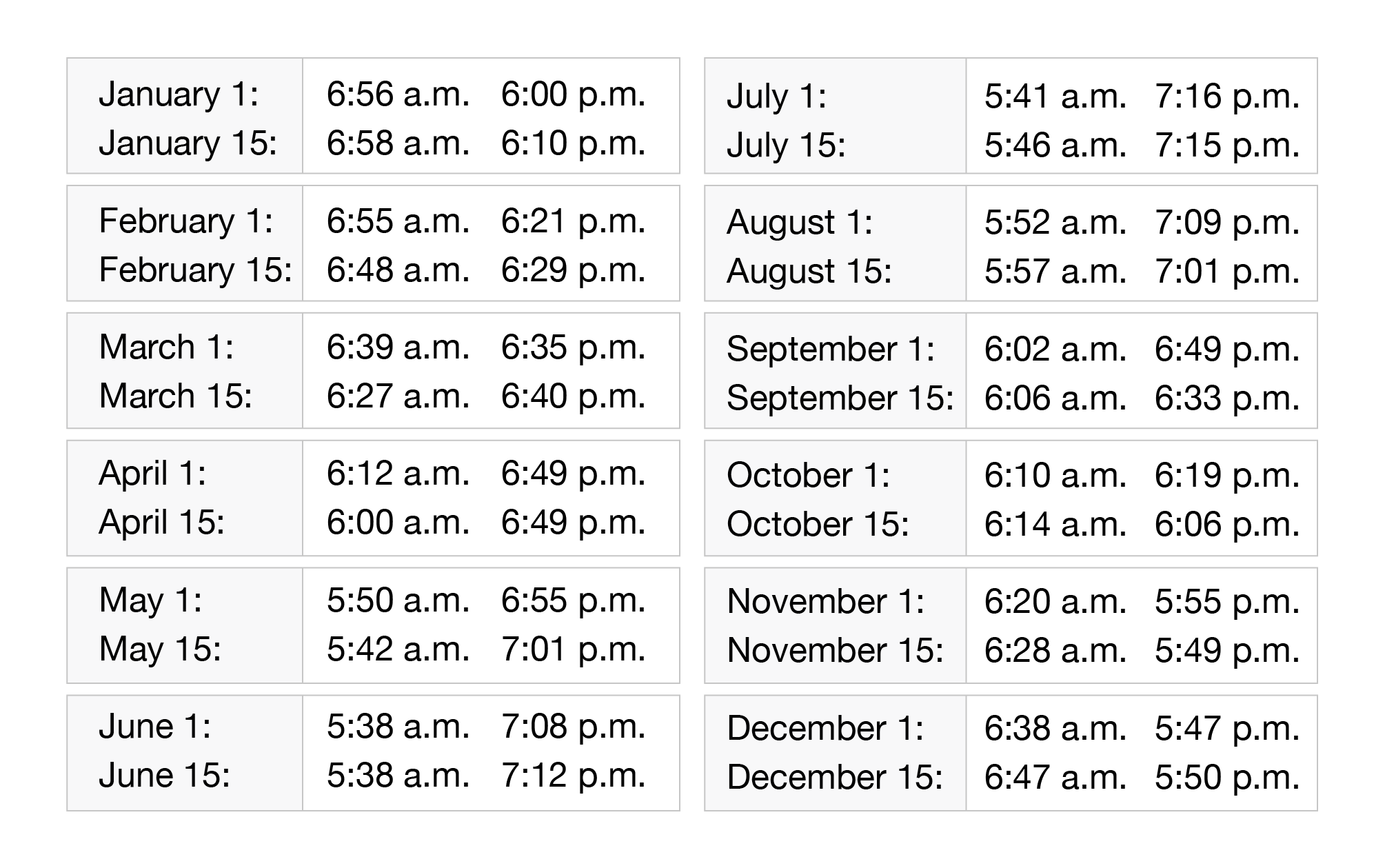
The time of sunset in Hawaii is influenced by two primary factors: the Earth’s axial tilt and the island’s position on the globe. As the Earth orbits the sun, its tilt causes the Northern Hemisphere (where Hawaii is located) to lean towards the sun during summer, resulting in longer days and later sunsets, and away from the sun during winter, leading to shorter days and earlier sunsets.
Seasonal Variations
Hawaii experiences two main seasons: the dry season (summer) and the wet season (winter). While the terms “summer” and “winter” are used, it’s important to note that Hawaii’s climate is generally warm and pleasant year-round, with temperature variations being less extreme than in many other parts of the world.
- Summer (May to October): During these months, the sun sets later. In June and July, the sun can dip below the horizon as late as 7:30 PM Hawaiian Standard Time (HST). This extended daylight offers more time for daytime exploration and late evening relaxation, perfect for enjoying outdoor activities and dining al fresco.
- Winter (November to April): As the days shorten, sunsets occur earlier. In December and January, the sun may set as early as 6:00 PM HST. While the days are shorter, the winter months often bring more dramatic cloud formations, which can lead to exceptionally vibrant and colorful sunsets.
It is crucial to remember that Hawaii observes Hawaiian Standard Time (HST) year-round and does not adjust its clocks for Daylight Saving Time. This means that a sunset time listed for, say, January 15th will be consistent year after year for that specific date.
Finding Accurate Sunset Times
To ensure you don’t miss the golden hour, it’s essential to consult reliable sources for the most up-to-date sunset times. While general seasonal trends are helpful, specific daily timings will vary slightly.
- Online Weather and Astronomy Websites: Many reputable websites provide precise sunset and sunrise times for specific locations worldwide. Searching for “sunset time Hawaii [month/day]” will yield accurate results. Look for sites that specify the time zone (HST).
- Local Tourism Boards and Apps: Official tourism websites for Hawaii or individual islands like Maui or Kauai often feature information on sunset times, along with tips for the best viewing spots. Dedicated travel apps can also offer real-time data.
- Hotel Concierge Services: If you are staying at a resort or hotel, the concierge desk is an excellent resource for local information, including the exact sunset time for the day of your stay and recommendations for nearby viewing locations. For instance, a concierge at the Grand Wailea, A Waldorf Astoria Resort on Maui can provide detailed information tailored to your visit.
Planning your evening around the sunset can add a profound layer to your Hawaiian vacation. Imagine sipping a mai tai at a beachfront bar in Lahaina, watching the sky ignite with color, or feeling the last rays of sun warm your skin on Kaanapali Beach.
Iconic Sunset Viewing Locations
Hawaii offers a myriad of breathtaking locations to witness the sunset. The choice of location often depends on the island you are visiting and the kind of experience you are seeking. Whether you prefer a bustling beach scene or a secluded, tranquil spot, there’s a perfect place for everyone.
Beaches and Coastal Vistas
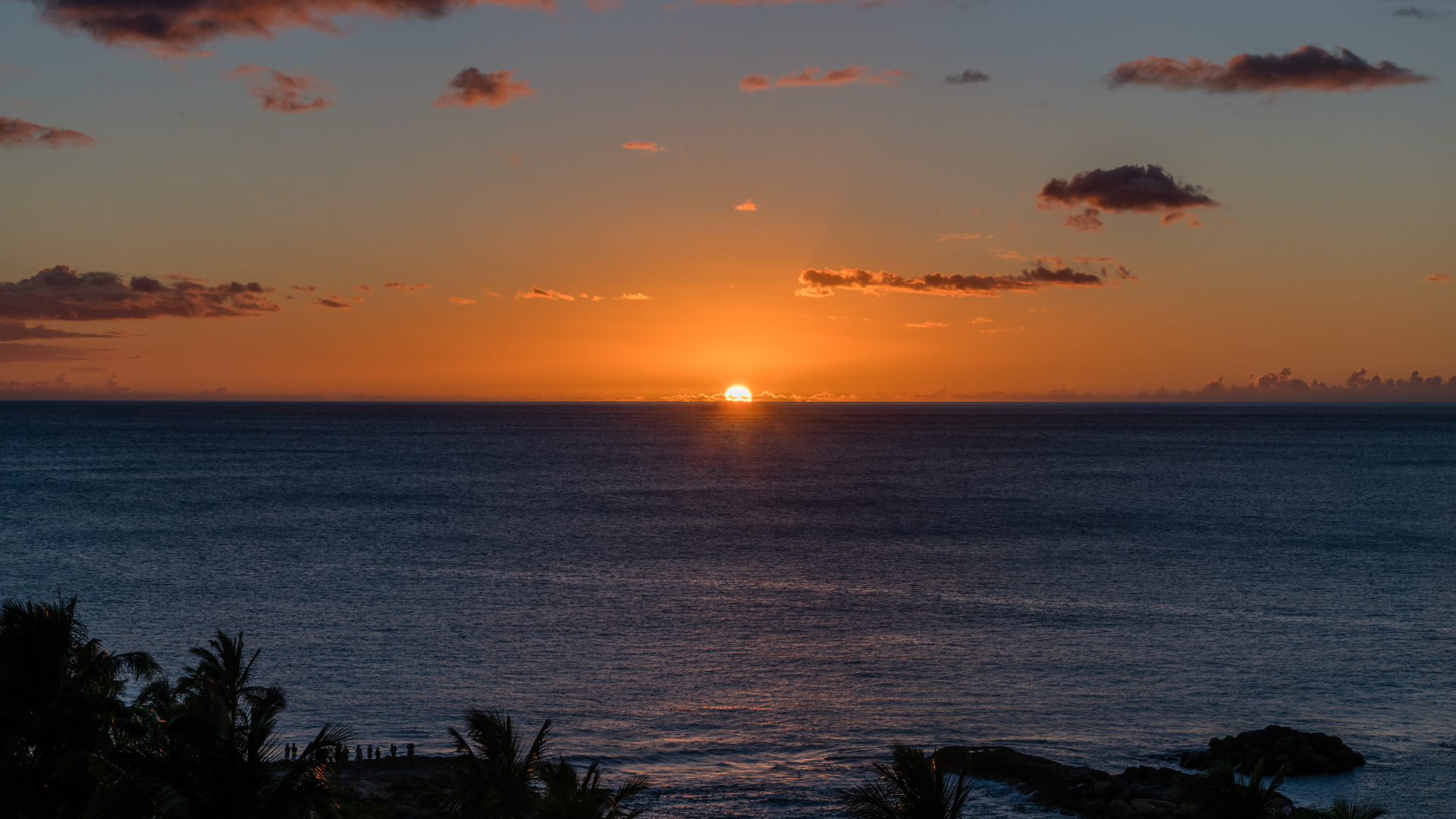
The islands’ extensive coastlines provide unparalleled opportunities for sunset viewing. The reflection of the setting sun on the ocean’s surface creates a shimmering, magical effect.
- Waikiki Beach, Oahu: Famous for its gentle waves and iconic view of Diamond Head, Waikiki offers a classic Hawaiian sunset experience. You can watch the sun descend from the shores, or even from the water on a sunset catamaran cruise, a popular activity booked through many hotels like the Halekulani Hotel. The city lights begin to twinkle as the sky transitions, creating a beautiful contrast.
- Poipu Beach, Kauai: Located on the sunny south shore of Kauai, Poipu Beach is known for its calm waters and frequent visits from Hawaiian monk seals. The western-facing orientation of this beach makes it a prime spot for sunset viewing, with the sun often disappearing directly over the ocean horizon.
- Kaanapali Beach, Maui: Stretching for miles, Kaanapali Beach is renowned for its golden sand and crystal-clear waters. The nightly cliff diving ceremony at Black Rock (Pu’u Keka’a), where a diver lights torches and plunges into the sea as the sun sets, is a must-see spectacle. Many luxury resorts, such as The Westin Maui Resort & Spa, Ka’anapali, offer prime viewing from their grounds.
- Hapuna Beach State Recreation Area, Big Island: This expansive white sand beach on the Kohala Coast of the Big Island provides a wide, unobstructed view of the Pacific Ocean, making it an ideal spot to witness the sun’s descent. The sunsets here are often dramatic, with vibrant hues reflecting off the calm waters.
Elevated Viewpoints
For a different perspective, consider heading to higher elevations where you can watch the sun dip below the horizon from a more commanding vantage point.
- Haleakala National Park, Maui: While most famous for sunrise, Haleakala National Park offers equally stunning, though less crowded, sunset views from its summit. Watching the sky transform into a canvas of fiery colors from above the clouds is an unforgettable experience. Remember to book your reservation if you plan to visit around sunrise or sunset, as access can be restricted.
- Pu’u O Mahuka Heiau State Monument, Oahu: This ancient Hawaiian temple site on the North Shore of Oahu provides panoramic views of the coastline and the vast Pacific Ocean. It’s a spiritually significant location that offers a serene and awe-inspiring backdrop for sunset.
Considerations for Viewing
When choosing your sunset spot, consider:
- Accessibility: Ensure the location is easily accessible, especially if you are on a tight schedule.
- Crowds: Popular spots can get crowded, especially during peak tourist season. Arrive early to secure a good viewing position.
- Orientation: Beaches and viewpoints facing west will offer the most direct views of the sun setting over the ocean.
- Weather: While the sun generally shines in Hawaii, occasional cloud cover can impact visibility. Check the weather forecast, but remember that even partly cloudy skies can enhance the beauty of a sunset with dramatic color plays.
No matter where you choose to be, the simple act of watching the sunset in Hawaii is an experience that nourishes the soul and leaves an indelible mark on your memory.
Maximizing Your Sunset Experience
Witnessing a Hawaiian sunset is more than just seeing the sun go down; it’s about immersing yourself in the moment and creating lasting memories. From planning your attire to choosing the perfect beverage, several elements can enhance your appreciation of this daily spectacle.
Timing Your Arrival
To truly savor the sunset, it’s advisable to arrive at your chosen location at least 30-60 minutes before the official sunset time. This buffer allows you to:
- Find the best spot: Especially at popular beaches like Waikiki, arriving early ensures you can claim a prime viewing location without feeling rushed.
- Acclimate to the surroundings: Take the time to appreciate the ambient sounds of the ocean, the feel of the sand or the breeze, and the changing light as the day winds down.
- Capture the pre-sunset colors: The sky often begins to glow with soft oranges, pinks, and purples well before the sun fully sets. These transitional colors are just as beautiful as the final act.
- Order refreshments: If you’re at a beachfront restaurant or bar, like those at the Hyatt Centric Waikiki Beach, arriving early gives you ample time to order a drink and perhaps some appetizers to enjoy as the main event unfolds.
What to Bring
While many sunset viewing spots are easily accessible with just yourself, a few items can significantly enhance your comfort and enjoyment:
- Camera or Smartphone: To capture the breathtaking scenery. Ensure your device is fully charged.
- Lightweight Blanket or Beach Towel: For comfortable seating on the sand.
- Light Jacket or Wrap: Evenings in Hawaii can sometimes bring a gentle, cooling breeze, especially after the sun has set.
- Bug Spray: If you plan to stay after dusk in certain areas.
- Binoculars: For a closer view of distant islands or marine life that might be visible during the twilight hours.

Enhancing the Ambiance
The experience can be further enriched by adding sensory elements:
- A Perfect Beverage: Whether it’s a refreshing tropical fruit juice, a local Hawaiian beer, or a classic cocktail, a drink in hand often complements the relaxed atmosphere of sunset viewing. Consider a POG (Passionfruit, Orange, Guava) juice for a taste of the islands.
- Accompanied by Music: For a more private experience, some travelers enjoy bringing a portable speaker to play soothing music that complements the natural ambiance. Ensure you are mindful of others around you.
- Mindful Presence: Perhaps the most crucial element is to simply be present. Put away distractions, breathe in the salty air, and allow yourself to be fully absorbed by the beauty unfolding before you. This is a moment for reflection, gratitude, and connection – with nature, with your companions, or with yourself.
- Post-Sunset Glow: Don’t pack up immediately when the sun disappears. The sky often continues to put on a show for another 20-30 minutes after sunset, displaying a beautiful afterglow that can be just as spectacular. This “blue hour” offers a serene and romantic end to the day, perfect for a quiet walk along the beach or a starlit dinner.
By paying attention to these details, your sunset experience in Hawaii will transform from a mere observation into a cherished memory, a highlight of your island escape. Whether you are a seasoned traveler or a first-time visitor, the consistent beauty of a Hawaiian sunset is a gift that keeps on giving, reminding you of the simple yet profound wonders of our planet.