
Texas, the Lone Star State, is renowned for its vast landscapes, vibrant cities, rich history, and a culture that’s as diverse as its geography. From the bustling streets of Houston and Dallas to the live music capital of Austin and the historic charm of San Antonio, this state offers an unparalleled array of experiences for travelers. Whether you’re exploring historic landmarks like The Alamo, enjoying the natural beauty of the Texas Hill Country, or catching a game featuring the Dallas Cowboys or Texas Rangers, understanding the local customs and regulations is key to a smooth and enjoyable visit. Among the most common questions for both newcomers and seasoned travelers to Texas often revolves around alcohol sales, specifically: “What time can you buy beer in Texas?”
Navigating alcohol laws can sometimes feel complex, as regulations vary significantly not only from state to state but also within different counties and cities. In Texas, the rules for purchasing beer and wine are distinct from those for liquor, and they also differ depending on whether you’re buying for consumption off-premise (like at a grocery store or convenience store) or on-premise (at a bar or restaurant). These regulations are deeply rooted in the state’s history, influenced by so-called “Blue Laws” that have gradually been relaxed over the decades to better reflect modern lifestyles and the booming tourism industry. For anyone planning a trip, be it a luxury escape, a budget-friendly adventure, a family vacation, or a business stay, having a clear understanding of these timings can significantly enhance your experience, ensuring you’re never caught off guard when trying to unwind with a cold brew after a day of exploration. This comprehensive guide aims to demystify beer buying hours in Texas, offering valuable insights for travelers and residents alike, all while connecting these practical details to the broader context of Texas travel, culture, and lifestyle.
Navigating Texas’s Alcohol Landscape: A Traveler’s Guide
For travelers venturing into the heart of Texas, understanding the state’s unique alcohol laws is an essential part of trip planning. Texas presents a fascinating blend of traditional regulations and modern convenience, a balance that has evolved significantly over time. The rules governing when and where you can purchase alcoholic beverages are overseen by the Texas Alcoholic Beverage Commission (TABC), which sets statewide standards that counties and cities can, in some cases, further refine. While the general perception might be that alcohol laws are strict, Texas has made considerable strides in recent years to modernize its statutes, particularly concerning beer and wine sales.
The distinction between beer/wine and distilled spirits is paramount in Texas. While liquor sales are confined to specific package stores with highly restricted hours and an absolute prohibition on Sunday sales, beer and wine enjoy much more flexible regulations. This differentiation is a key takeaway for anyone visiting. Travelers exploring diverse destinations like the coastal beauty of Galveston or the remote wilderness of Big Bend National Park will find that the availability of beer and wine is far more accessible than harder spirits. This flexibility allows for spontaneous purchases for a picnic, a quiet evening in a hotel suite, or simply stocking up for a road trip through the vast Texas plains. Knowing these rules in advance allows you to plan your itinerary, whether it involves dining at world-class restaurants in Dallas, enjoying the vibrant brewery scene in Austin, or simply picking up a six-pack to enjoy by the pool at your resort. The evolving nature of these laws reflects a broader shift towards catering to a dynamic tourism industry and the varied lifestyles of its residents, making Texas an increasingly convenient and enjoyable destination for all types of visitors.
The Core Regulations: When and Where to Find Your Brew
The heart of the matter lies in specific timings for purchasing beer in Texas. These regulations are bifurcated based on whether you intend to consume the alcohol off-premise (i.e., take it home) or on-premise (at the establishment where it’s served). Understanding this distinction is crucial for both residents and tourists planning their day, whether it involves a leisurely brunch or an evening out.
Off-Premise Sales: Grocery Stores, Convenience Stores, and Package Stores
When you’re looking to buy beer or wine to take home – perhaps to enjoy at your accommodation, a picnic in a park, or simply to stock your cooler for a road trip – you’ll be heading to places like grocery stores, convenience stores, or dedicated package stores (which sell beer and wine alongside liquor, though liquor sales follow different rules). The rules for beer and wine are as follows:
- Monday to Friday: Beer and wine can be purchased from 7:00 AM to midnight. This provides ample time throughout the workday and into the evening for residents to pick up their preferred beverages. For travelers, it means flexibility to buy supplies before heading out for the day’s adventures or after returning from exploring attractions like Space Center Houston or Six Flags Over Texas.
- Saturday: The hours extend slightly, allowing purchases from 7:00 AM to 1:00 AM on Sunday morning. This extended hour caters to weekend social activities and provides convenience for those attending late-night events or simply enjoying a relaxed Saturday evening.
- Sunday: Historically, Sunday beer sales faced stricter limitations, often referred to as “Blue Laws.” However, recent legislative changes have significantly relaxed these rules. As of September 1, 2021, beer and wine can now be purchased off-premise on Sundays from 10:00 AM to midnight. This change was a significant win for consumers and the hospitality industry, particularly benefiting the numerous brunch spots and Sunday gatherings across the state. This means you no longer have to plan ahead on Saturday if you decide you want beer for your Sunday barbecue or to enjoy while watching a game. It dramatically simplifies planning for weekend stays at hotels or long-term accommodations.
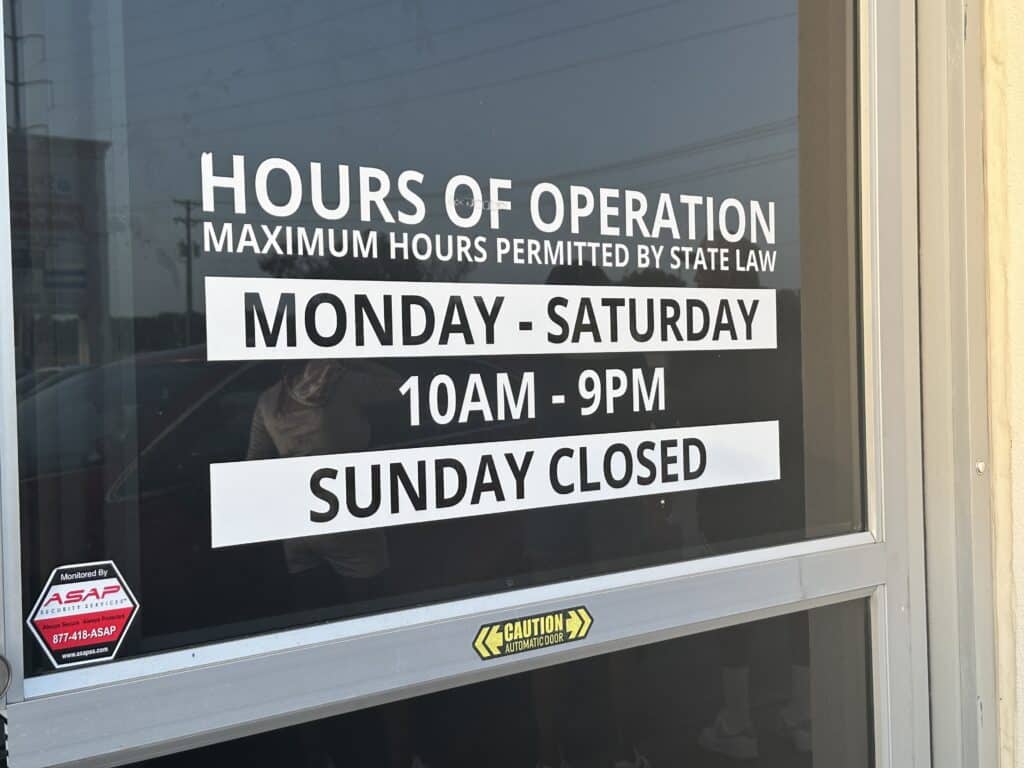
It’s important to remember that these hours apply specifically to beer and wine. Liquor stores, which sell spirits like whiskey, vodka, and tequila, have much more restrictive hours: Monday through Saturday from 10:00 AM to 9:00 PM, and they remain closed all day on Sundays, New Year’s Day, and Christmas Day.
On-Premise Sales: Bars, Restaurants, and Breweries
If you’re looking to enjoy a beer or wine at a bar, restaurant, brewery, or other licensed establishment, the rules are generally more generous, reflecting the social nature of these venues. Texas has a thriving culinary and nightlife scene, from the historic dance hall of Gruene Hall to the innovative craft breweries found in virtually every major city.
- Monday to Saturday: Most establishments licensed to sell alcohol for on-premise consumption can serve beer and wine from 7:00 AM to midnight. However, those holding a “late-hours permit” can continue serving until 2:00 AM on Sunday morning. This is common in entertainment districts in cities like Austin, Dallas, Houston, and Fort Worth, catering to the vibrant nightlife and live music scenes.
- Sunday: On Sundays, establishments with a standard permit can begin serving beer and wine from 10:00 AM to midnight. Crucially, if the establishment also serves food, they can start serving as early as 10:00 AM. For those with a late-hours permit, service can extend until 2:00 AM on Monday morning, aligning with the Saturday night rules. This means Sunday brunch is often accompanied by the option of mimosas or a cold beer, a welcome convenience for tourists enjoying a relaxed Sunday exploring the River Walk in San Antonio or visiting a winery in the Texas Hill Country.
These on-premise rules reflect Texas’s commitment to fostering a dynamic hospitality industry, providing ample opportunities for visitors and locals alike to enjoy the state’s diverse culinary and entertainment offerings.
A Glimpse into Texas’s “Blue Laws” and Modern Revisions
The alcohol sales regulations in Texas are not arbitrary; they are the legacy of a complex history, primarily influenced by what were commonly known as “Blue Laws.” These laws, rooted in religious and moral beliefs, historically restricted commercial activities on Sundays, including the sale of alcohol. For decades, Texas upheld some of the most stringent “Blue Laws” in the nation, particularly concerning Sunday alcohol sales. This often meant a scramble for residents to purchase beer on Saturday, anticipating Sunday’s restrictions, or a disappointment for unsuspecting tourists.
The landscape, however, has been steadily changing. The Texas Legislature has, over time, recognized the economic benefits of relaxing these antiquated regulations, especially for the thriving tourism and hospitality sectors. The most significant shift came with the legislation passed in 2021, which dramatically altered Sunday sales hours for beer and wine. Before this, off-premise sales on Sundays were only permitted from noon to midnight. The change to 10:00 AM to midnight represented a monumental step forward, aligning Texas with many other states that have more liberal Sunday alcohol sales.
This modernization was not just about convenience; it had a profound impact on local culture and the visitor experience. For businesses, especially small breweries, restaurants, and convenience stores, the extended hours meant increased revenue and greater operational flexibility. For tourists, it removed a layer of planning complexity, allowing for more spontaneous enjoyment of their trips. Imagine visiting Waco to see Magnolia Market at the Silos or the Dr Pepper Museum on a Sunday, and being able to pick up a local craft beer after your explorations without having to rush before noon. These revisions reflect a state embracing its growth and diverse population, acknowledging that responsible consumption and economic vibrancy can coexist. While the “Blue Laws” might still cast a shadow over liquor sales, the progress made with beer and wine indicates a future where Texas continues to evolve, making it an even more welcoming destination for travelers seeking diverse experiences.
Enhancing Your Texas Experience: Alcohol Laws and Local Lifestyle
Understanding Texas’s alcohol laws is not merely about adhering to rules; it’s about enriching your travel experience and seamlessly integrating into the local lifestyle. Whether you’re indulging in luxury travel, exploring on a budget, enjoying a family trip, or on a business stay, these regulations subtly shape daily routines and opportunities for enjoyment.
Planning Your Trip: From Austin to San Antonio
When planning your itinerary across Texas, keeping the beer buying hours in mind can save you time and prevent minor frustrations. If your travel plans include a Sunday arrival, or if you’re staying at an apartment or villa and plan to cook, knowing that you can now purchase beer and wine from 10:00 AM on Sundays is incredibly helpful. This flexibility means you can visit a grocery store for supplies after a leisurely Sunday morning without needing to stock up the day before.
Consider the vibrant culinary scene of Houston or the barbecue pilgrimage to Lockhart and Franklin Barbecue in Austin. Many travelers enjoy pairing their meals with local brews. For those exploring the Texas Hill Country, known for its burgeoning wine industry and craft breweries, being aware of on-premise hours ensures you can fully savor tastings and tours. If you’re staying in San Antonio and plan an evening stroll along the River Walk, knowing that bars and restaurants serve until late, even on Sundays with a late-hours permit, means your evening won’t be cut short. Conversely, if you’re planning a trip to a more remote destination like Guadalupe Mountains National Park, where stores might be scarce, stocking up during permitted hours in a larger town beforehand becomes a crucial part of your packing list.
Special Events, Holidays, and Exceptions
Texas is a state that loves its festivals, sporting events, and celebrations, and alcohol sales are often a key component of these experiences. Whether you’re attending a major concert, a rodeo, or a college football game, special permits and temporary waivers often allow for extended service hours within the venue. For instance, at major sports arenas like AT&T Stadium (home of the Dallas Cowboys) or Globe Life Field (home of the Texas Rangers), alcohol sales typically continue through most of the event, though they cease well before the final whistle or pitch.
Holidays like New Year’s Day and Christmas Day can sometimes bring specific restrictions, especially for liquor sales, which are entirely prohibited. However, beer and wine sales (both on and off-premise) generally follow the standard Sunday or weekday rules if the holiday falls on those days, though local establishments might choose to have reduced hours or close entirely. For major events like South Padre Island’s Spring Break, special temporary permits might be issued to cater to the influx of visitors, allowing for more flexible on-premise service. It’s always a good practice to check specific venue policies or local announcements for any deviations from the standard rules, particularly during large-scale events or public holidays. Awareness of these nuances can help you maximize your enjoyment of Texas’s vibrant event calendar, whether you’re relaxing at Schlitterbahn Waterpark or attending a lively music festival in Austin.
Tips for Travelers and Residents Alike
Navigating the nuances of alcohol laws in Texas doesn’t have to be complicated. With a few simple tips, both visitors and long-term residents can ensure a seamless and enjoyable experience.
- Always Verify Local Ordinances: While the TABC sets statewide standards, some counties and cities in Texas are “dry” or “partially dry,” meaning they prohibit or restrict the sale of alcohol. This is less common in major metropolitan areas but can still be a factor in smaller, rural communities. A quick online search or asking hotel staff can confirm local rules.
- Utilize Local Resources: Don’t hesitate to ask your hotel concierge, resort staff, or even locals for advice on nearby stores or establishments that sell alcohol. Many apps can also provide information on store hours and locations.
- Plan Ahead for Holidays and Special Events: As mentioned, holidays like Christmas Day and New Year’s Day can affect liquor sales, and sometimes even beer and wine hours for individual businesses. If you anticipate needing alcohol on these days, it’s best to purchase it in advance. Similarly, for major sporting events or festivals, confirming specific venue policies can prevent surprises.
- Responsible Consumption is Key: Regardless of the legal purchasing hours, responsible consumption is always paramount. Texas has strict laws against public intoxication and driving under the influence. Designate a driver, use ride-sharing services, or plan to walk if you’re enjoying alcoholic beverages.
- Embrace the Local Pace: Part of the charm of traveling is adapting to local customs. While Texas has made significant strides in modernizing its alcohol laws, they still reflect a unique cultural context. Embracing this can be part of the adventure, allowing you to appreciate the state’s character more fully.
In conclusion, understanding “What time you can buy beer in Texas?” is more than just knowing a set of rules; it’s about enhancing your journey through this magnificent state. With the recent changes to Sunday sales, enjoying a cold beer or a glass of wine is more convenient than ever, allowing both travelers and residents to fully immerse themselves in the rich tapestry of Texas culture, from its bustling cities to its tranquil natural wonders. So, whether you’re here for the landmarks, the lifestyle, or simply a relaxing getaway, you can confidently plan your beer purchases and focus on creating unforgettable Texas memories.
LifeOutOfTheBox is a participant in the Amazon Services LLC Associates Program, an affiliate advertising program designed to provide a means for sites to earn advertising fees by advertising and linking to Amazon.com. Amazon, the Amazon logo, AmazonSupply, and the AmazonSupply logo are trademarks of Amazon.com, Inc. or its affiliates. As an Amazon Associate we earn affiliate commissions from qualifying purchases.