
Planning a trip to the Windy City demands attention to detail, and among the most fundamental yet often overlooked aspects is understanding the local time zone. For travelers, business professionals, and even locals arranging cross-country calls, knowing the precise time in Chicago, Illinois, is paramount. As a vibrant hub in the United States, Chicago operates within a specific temporal framework that influences everything from flight schedules to dining reservations and the timing of iconic attractions.
This comprehensive guide delves into Chicago’s time zone, its practical implications for travel, tourism, and lifestyle, and how to seamlessly integrate this knowledge into your visit to ensure a smooth and enjoyable experience. Whether you’re booking accommodation, planning your itinerary around world-class landmarks, or simply trying to catch a local event, a clear grasp of Chicago’s clock will prove invaluable.
Understanding Chicago’s Time Zone: Central Standard Time (CST) and Central Daylight Time (CDT)
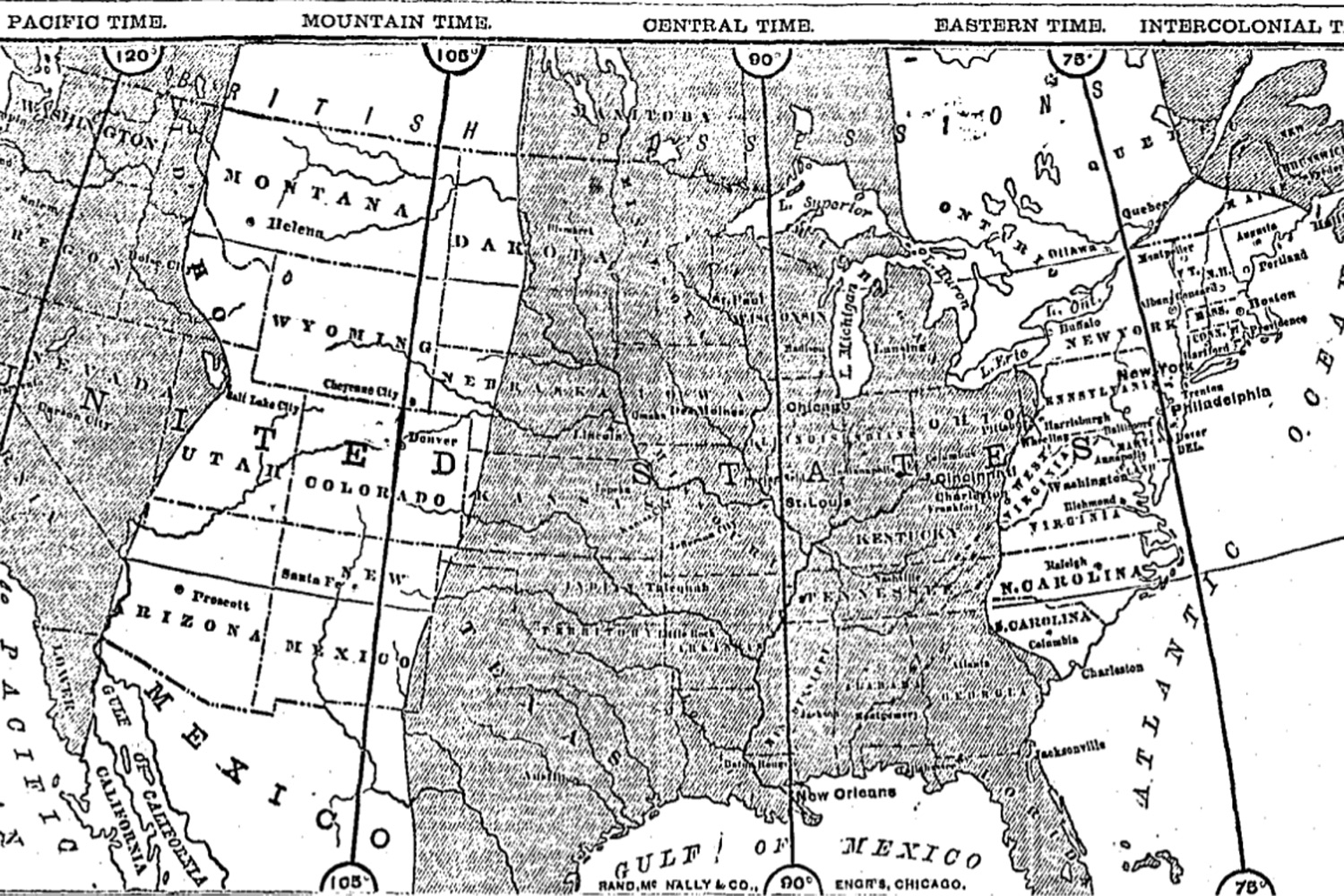
Chicago primarily observes the Central Time Zone, which includes two distinct phases throughout the year: Central Standard Time (CST) and Central Daylight Time (CDT). This temporal duality is a crucial concept for anyone engaging with the city, particularly when Daylight Saving Time comes into play.
Central Standard Time (CST) is active during the fall and winter months. During this period, Chicago operates on GMT-6 (or UTC-6), meaning it is six hours behind Coordinated Universal Time. This is the “standard” time that returns after Daylight Saving Time ends.
When spring arrives, Chicago transitions to Central Daylight Time (CDT). This shift occurs on the second Sunday in March when clocks “spring forward” one hour. Consequently, CDT is observed at GMT-5 (or UTC-5), placing the city five hours behind Coordinated Universal Time. This change maximizes daylight hours during the warmer months, aligning with the rhythm of outdoor activities and extended evening entertainment that characterize the vibrant lifestyle of the city. The transition back to CST happens on the first Sunday in November, when clocks “fall back” one hour.
Why is this important for a traveler? For those arriving from different time zones, especially international visitors, understanding this shift is vital for managing jet lag and coordinating with contacts in other regions. For instance, a traveler from the East Coast of the United States (Eastern Time Zone) will be one hour ahead of Chicago, while someone from the West Coast (Pacific Time Zone) will be two hours behind. These seemingly small differences can have a significant impact on arrival times, scheduled meetings, and even the simple act of calling home. Neglecting the time zone can lead to missed flights, late check-ins for hotels or apartments, and a general sense of disorientation that no traveler wants to experience. Therefore, a proactive approach to understanding Chicago’s time zone is the first step towards a well-organized and stress-free visit.
Navigating Chicago: Planning Your Visit Around the Clock
Successfully navigating Chicago requires more than just a map; it demands an acute awareness of time. From arrival to departure, every aspect of your travel experience is influenced by the clock. Aligning your schedule with the local time ensures a seamless journey, allowing you to fully immerse yourself in the city’s offerings without temporal missteps.
Seamless Travel and Accommodation Bookings
The initial touchpoints of any trip — booking flights and securing accommodation — are profoundly impacted by time zones. When planning your arrival at O’Hare International Airport or Midway International Airport, it’s crucial to confirm all flight times are listed in local Chicago time. A flight departing at 9:00 AM from a GMT-3 location will have a different arrival time in Chicago than simply adding the flight duration, due to the time difference. Failing to account for this can lead to arriving at the airport too late for check-in or missing a connecting flight.
Similarly, arranging your accommodation requires precision. Whether you’ve booked a luxurious suite at The Peninsula Chicago, a stylish room at Virgin Hotels Chicago, or a cozy apartment in Wicker Park, understanding check-in and check-out times is fundamental. Most hotels adhere to standard check-in times, typically in the afternoon, and check-out times in the late morning. If you arrive early after a long flight, knowing the local time allows you to arrange for early check-in or plan activities to occupy your time until your room is ready. Conversely, a late departure might necessitate a late check-out request, or you could opt to store your luggage and explore a final landmark like the Chicago Riverwalk. For international visitors, jet lag is another factor. Arriving in Chicago at what feels like the middle of the night for your body, but is midday locally, requires strategic planning for rest and adjusting to the new rhythm.
Optimizing Your Chicago Itinerary: Attractions and Activities
Chicago is a treasure trove of attractions, landmarks, and experiences, each with its own operational hours. To make the most of your visit, a carefully crafted itinerary that respects opening and closing times is essential. Imagine arriving at the Art Institute of Chicago only to find it closed, or missing the last entry for the Willis Tower Skydeck because you miscalculated the time.
Iconic sites like Millennium Park (home to Cloud Gate), the Shedd Aquarium, the Field Museum, and the Museum of Science and Industry all have specific hours that can vary by season or day of the week. For popular spots, arriving shortly after opening can help you beat the crowds, allowing for a more serene experience, such as capturing photographs of Cloud Gate without hundreds of other tourists. Evening visits to the Willis Tower Skydeck offer breathtaking sunset views and sparkling city lights, but require precise timing.
Beyond static attractions, Chicago’s vibrant cultural scene offers numerous tours, shows, and dining opportunities that are strictly time-sensitive. Booking a Chicago Architecture Foundation Center River Cruise, securing tickets for a show in the Loop, or making a coveted dinner reservation at a Michelin-starred restaurant in River North all depend on accurate timekeeping. Even a casual stroll along the Magnificent Mile for shopping or a visit to the Lincoln Park Zoo might be constrained by specific hours. Furthermore, understanding sunrise and sunset times can significantly enhance your experience, especially for photographers aiming for golden hour shots of the city skyline or for planning a romantic evening walk along Lake Michigan.
The Local Lifestyle and Tourism Experience
Integrating into the local lifestyle and fully embracing the tourism experience in Chicago extends beyond simply visiting landmarks; it involves understanding the city’s rhythm. From dining habits to public transport schedules and the pulse of its nightlife, local time dictates the flow.
Chicago’s culinary scene, famous for its deep-dish pizza and Chicago-style hot dogs, operates on a specific schedule. While many eateries offer extended hours, popular spots often have peak times for lunch and dinner. Making reservations, especially on weekends or for renowned establishments, is often necessary and predicated on accurate time. The city’s nightlife, from jazz clubs in Wicker Park to trendy bars in West Loop, truly comes alive after dark, with specific opening and closing times that visitors should be aware of.
Public transportation, including the CTA trains and buses, operates on schedules that are critical for getting around the city efficiently. Missing the last train or bus can lead to unexpected taxi fares or delays. For business travelers, being punctual for meetings, conferences, or networking events is non-negotiable. Even shopping hours on the Magnificent Mile or in districts like Gold Coast follow a schedule, which generally differs from country to country. Understanding these local norms, all tied to the Central Time Zone, allows visitors to move through the city with confidence and ease, minimizing stress and maximizing enjoyment of Chicago’s diverse offerings.

Beyond the Clock: Enhancing Your Chicago Experience
While understanding Chicago’s time zone is a practical necessity, it’s also a gateway to enhancing your entire visit. By aligning your schedule with the city’s rhythm, you can unlock richer experiences, from exploring historic landmarks at optimal times to indulging in its renowned culinary and cultural scene with perfect timing.
Top Chicago Landmarks and Attractions to Explore
Chicago’s skyline is an architectural marvel, and its landmarks tell a story of innovation and resilience. With time on your side, you can strategically plan visits to avoid the biggest crowds and capture the city at its best. Early morning visits to Millennium Park and Cloud Gate offer a serene experience, allowing for uninterrupted reflection and photography before the throngs arrive. The quiet beauty of dawn illuminating the reflective surface of “The Bean” is an unforgettable sight.
For history enthusiasts, a timed entry to the Art Institute of Chicago ensures you can spend hours admiring masterpieces without feeling rushed. Similarly, scheduling your visit to the Field Museum or the Museum of Science and Industry during off-peak hours can lead to a more relaxed and immersive educational experience. Ascending the Willis Tower Skydeck or 360 Chicago (at the former John Hancock Center) during late afternoon allows you to witness the city transition from daylight to twilight, offering panoramic views that shift dramatically as the city lights begin to sparkle. These photographic opportunities are truly time-sensitive.
Don’t forget the Navy Pier, especially around sunset, for carnival rides and stunning views over Lake Michigan. Understanding peak times helps you decide whether to visit for a leisurely stroll or to experience the bustling energy. The rich architecture of Chicago is best explored via boat tours on the Chicago Riverwalk, which run on precise schedules, so punctuality is key. Delving into Chicago’s past and present requires a sense of timing that enhances appreciation for its history and grand structures.
Accommodation Options for Every Traveler
Chicago’s accommodation landscape is as diverse as its population, ranging from opulent five-star hotels to charming boutique stays and spacious suites and apartments perfect for longer visits or family trips. Your choice of accommodation can also be influenced by your awareness of time zones and arrival schedules.
Luxury hotels like The Langham Chicago, Four Seasons Hotel Chicago, and The Ritz-Carlton, Chicago often provide more flexible check-in/check-out options or amenities like 24-hour concierge services that can assist with late arrivals or early departures. Boutique hotels like Thompson Chicago in the Gold Coast offer personalized services that can make adapting to a new time zone more comfortable. For budget-conscious travelers, understanding that earlier check-in requests might incur an extra fee can help manage expectations and costs.
Booking an apartment or villa in neighborhoods like West Loop or Pilsen offers the flexibility of self-catering, which can be beneficial for those adjusting to jet lag, allowing for meal times that suit personal schedules rather than hotel restaurant hours. Many resorts and larger hotels like the Hyatt Regency Chicago or Palmer House Hilton are equipped to handle diverse travel itineraries and offer amenities to help travelers acclimate, such as fitness centers that are open extended hours. When making reservations, it’s always wise to confirm arrival and departure times in Chicago’s local time to avoid any misunderstandings and ensure a smooth transition into your temporary home.
Embracing Chicago’s Culinary and Cultural Scene
Chicago’s culinary scene is world-renowned, and its cultural scene is equally vibrant, offering everything from live music to theater and festivals. To truly savor these experiences, timing is everything. Securing reservations for a quintessential deep-dish pizza experience at famous pizzerias or for a gourmet meal in River North requires booking well in advance and adhering to the exact local time. Many popular restaurants, especially those known for their Chicago-style hot dogs or trendy brunch spots in Andersonville, can have long wait times, making early arrival or strategic reservation planning essential.
Beyond dining, Chicago hosts countless events and festivals throughout the year, from the Grant Park Music Festival to Lollapalooza. Each of these has a specific schedule that travelers must consider. Whether you’re catching a Broadway show in the Loop, enjoying a blues performance in Wrigleyville, or exploring a local neighborhood festival, knowing the exact start times and planning your travel to and from the venue is crucial. The local culture is deeply intertwined with these temporal rhythms, from morning commutes to evening entertainment. Embracing these timings allows you to participate authentically in the city’s daily life, experiencing its energy and hospitality firsthand.
Making the Most of Your Time in the Windy City
Understanding “What Time Zone In Chicago?” is more than a simple geographical fact; it’s a fundamental key to unlocking a fulfilling and stress-free visit to the Windy City. From the initial stages of booking flights and accommodation to meticulously planning your days around world-class landmarks and immersing yourself in the local lifestyle, temporal awareness will prove to be your most valuable travel companion.
By remembering the seasonal shifts between Central Standard Time (CST) and Central Daylight Time (CDT), and by planning your itinerary with these in mind, you can optimize every moment of your journey. This attention to detail will help you avoid missed connections, ensure timely check-ins, beat the crowds at popular attractions, and secure those coveted dining reservations.
So, as you prepare to explore the majestic architecture, rich history, diverse culinary scene, and vibrant cultural scene of this Midwest gem, remember that time is on your side – as long as you know what time it is in Chicago. Plan wisely, embrace the rhythm of the city, and get ready for an unforgettable experience in one of the United States’ most dynamic destinations.
LifeOutOfTheBox is a participant in the Amazon Services LLC Associates Program, an affiliate advertising program designed to provide a means for sites to earn advertising fees by advertising and linking to Amazon.com. Amazon, the Amazon logo, AmazonSupply, and the AmazonSupply logo are trademarks of Amazon.com, Inc. or its affiliates. As an Amazon Associate we earn affiliate commissions from qualifying purchases.