
Embarking on a journey to the Centennial State, Colorado, promises an exhilarating blend of majestic mountain vistas, vibrant city life, and boundless outdoor adventures. Whether you’re planning to carve fresh powder on world-class ski slopes, hike through Rocky Mountain National Park, explore the urban delights of Denver, or soak in the rich history of the United States West, one crucial detail for any traveler is understanding the local time zone. For those meticulously planning their travel itineraries, hotel bookings, and activity schedules, knowing “What time zone is Colorado in?” is more than just a trivial fact – it’s a cornerstone for a seamless and enjoyable experience.
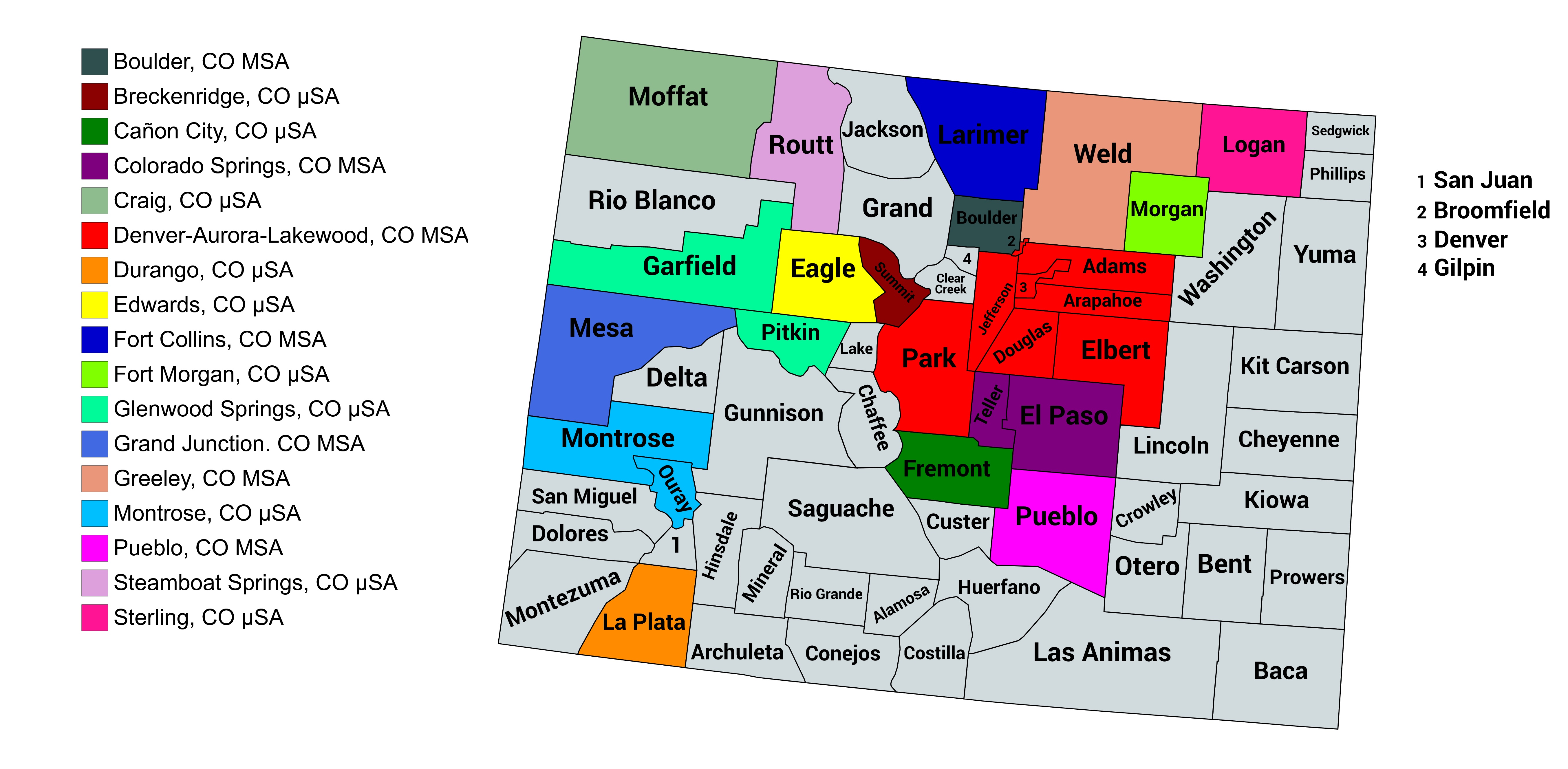
Colorado operates predominantly within the Mountain Time Zone. This designation plays a significant role in how you plan your days, coordinate with loved ones back home, and ensure you make the most of every precious moment during your stay. From optimizing your arrival and departure times at Denver International Airport to ensuring you don’t miss a critical tour departure or a reservation at a sought-after restaurant, a clear grasp of Colorado’s time zone is indispensable for the modern traveler. This article will delve into the specifics of Colorado’s timekeeping, explore its implications for various aspects of travel and tourism, and provide practical tips to help you embrace the rhythm of this captivating state.

Understanding Colorado’s Time Zone: Mountain Standard Time (MST)
The geographical heart of North America dictates that Colorado primarily falls within the Mountain Time Zone, making it a distinctive marker for visitors traveling from other parts of the world or even within the United States. This zone, characterized by its unique position relative to global timekeeping, significantly influences daily life and travel planning in the state.
The Basics: MST and MDT
At its core, Colorado observes Mountain Standard Time (MST) during the winter months, which is UTC-7. This means it is seven hours behind Coordinated Universal Time. However, like many regions across the globe, Colorado participates in Daylight Saving Time. From mid-March to early November, the state switches to Mountain Daylight Time (MDT), moving its clocks forward by one hour to UTC-6. This adjustment means longer daylight hours in the evenings, a welcome change for those planning outdoor activities and extending their exploration into the twilight.
This biannual shift is crucial for travelers. Arriving in Colorado during the transition periods can sometimes lead to confusion if not accounted for. Most modern smartphones and digital devices automatically adjust to the local time zone, which is a great convenience. However, it’s always wise to double-check, especially for critical appointments or when communicating with individuals in different time zones. Understanding the difference between MST and MDT is paramount for seamless scheduling, whether you’re booking a scenic train ride, reserving a table at a top restaurant, or coordinating a group hike.
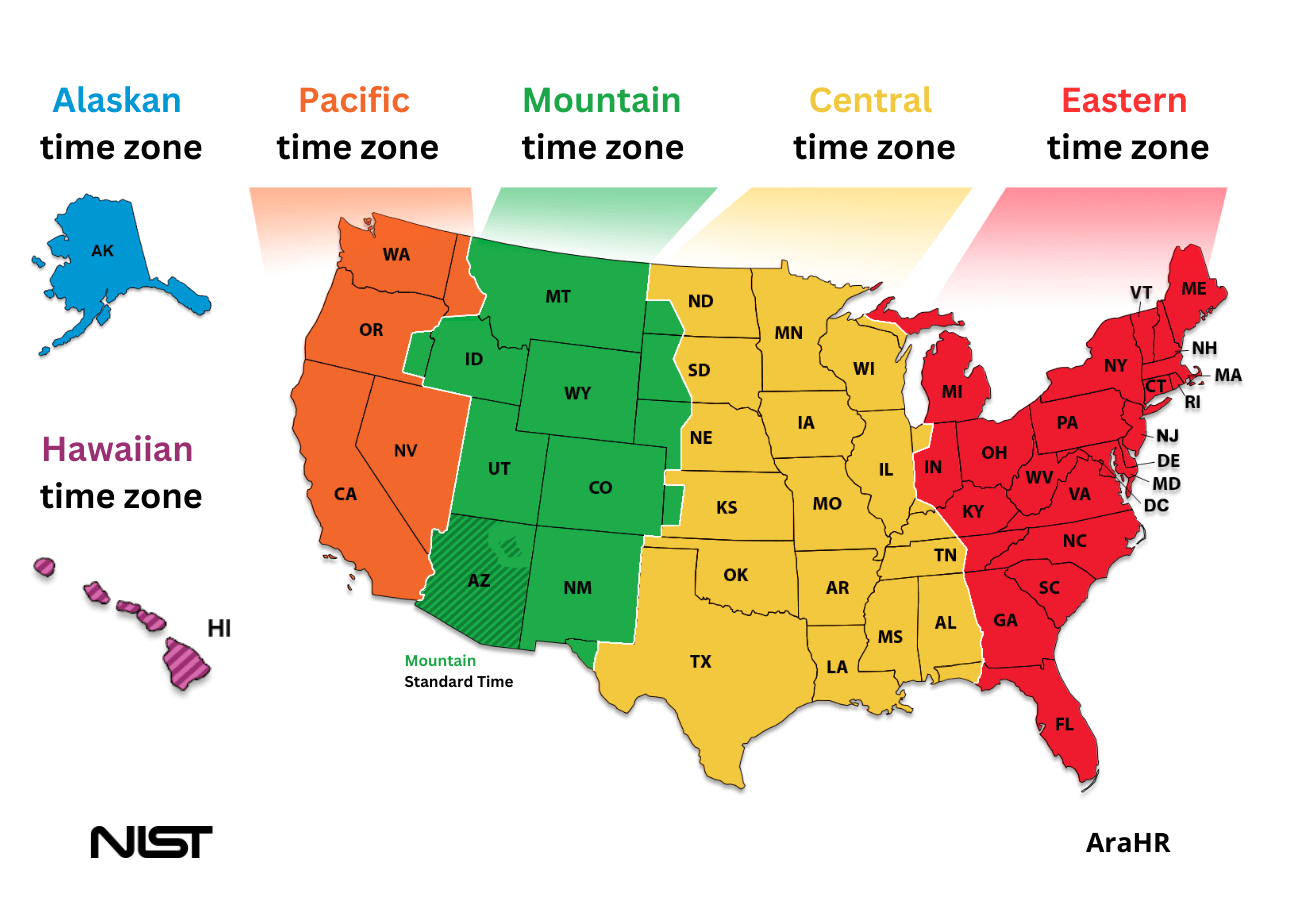
To put it into perspective, Colorado’s time zone places it:
- One hour ahead of the Pacific Time Zone (e.g., California, Nevada).
- One hour behind the Central Time Zone (e.g., Texas, Illinois).
- Two hours behind the Eastern Time Zone (e.g., New York, Florida).
This relative positioning means that if you’re flying in from the East Coast, you’ll “gain” two hours upon arrival, which can feel like an extended day, though it might also necessitate an earlier bedtime to adjust. Conversely, travelers from the West Coast will “lose” an hour, requiring a slightly earlier start to their day. These small temporal shifts, while seemingly minor, can have a noticeable impact on your energy levels and overall travel experience if not anticipated.
Why It Matters for Travelers
For any traveler, time is a precious commodity, and understanding Colorado’s time zone goes beyond mere curiosity. It’s a practical necessity that impacts almost every facet of your trip.
Firstly, flight schedules are entirely based on local time. Your airline tickets will typically display times in the local time zone of the departure and arrival airports. Misinterpreting these can lead to missed flights or long, unnecessary waits. When departing Colorado, ensure you convert your departure time to your destination’s local time to avoid confusion about when you will arrive. Similarly, when arriving, your internal clock might be telling you it’s much earlier or later than the local time, impacting your first impressions and immediate plans.
Secondly, hotel check-in and check-out times are strictly enforced according to local time. Arriving at your hotel in Denver or a resort in Vail before the official check-in time (often 3 or 4 PM MST/MDT) might mean a wait, even if your body feels it’s later in the day. Conversely, checking out late can incur additional fees. Knowing the exact local time helps you plan your arrival activities or your last day’s explorations more efficiently.
Lastly, adjusting to local time upon arrival is crucial for combating jet lag and fully immersing yourself in the Colorado experience. Upon landing, immediately set your watch and devices to Mountain Time. Try to eat meals according to local meal times and expose yourself to natural light to help regulate your body’s circadian rhythm. This quick adaptation will allow you to wake up refreshed for an early morning hike in the Flatirons near Boulder or to fully enjoy an evening concert at Red Rocks Amphitheatre without feeling disoriented.
Navigating Travel and Tourism in Colorado with Time in Mind
Colorado’s diverse landscape offers an abundance of attractions, from the soaring peaks of the Front Range to the historic streets of Colorado Springs. Successfully navigating these offerings requires not only a well-thought-out itinerary but also a keen awareness of the local time.
Planning Your Itinerary: Maximizing Your Colorado Experience
When crafting your Colorado adventure, think of time as a valuable resource. Every minute counts, especially when you have a packed schedule of sights and activities.
- Scheduling Attractions and Tours: Many of Colorado’s popular attractions, such as the Denver Art Museum, Garden of the Gods, or Mesa Verde National Park, operate on specific hours. Historical tours in Durango or mining towns like Telluride often have fixed departure times. Booking in advance and noting these times in MST/MDT is crucial. Imagine missing a guided tour through the cliff dwellings because you miscalculated the hour difference! Similarly, if you’re heading to a ski resort like Aspen or Steamboat Springs, understanding lift operation times and lesson schedules is vital to maximize your time on the slopes.
- Outdoor Activities and Daylight Hours: Colorado is an outdoor enthusiast’s paradise, but many activities are dependent on daylight. Hiking in Pikes Peak or exploring the Great Sand Dunes National Park and Preserve requires careful planning to ensure you start early enough to complete your excursion before sunset, especially during shorter winter days. Whitewater rafting on the Arkansas River or ziplining near the Royal Gorge Bridge & Park often have morning and afternoon slots that fill up quickly. By being aware of the time zone and the seasonal variations in daylight, you can strategically schedule your adventures to make the most of the available light.
Accommodation Logistics: Hotels, Resorts, and Your Internal Clock
Your choice of accommodation—be it a boutique hotel in Golden, a luxurious resort in Breckenridge, or a cozy vacation rental in Glenwood Springs—is central to your comfort. Time zone awareness ties directly into a smooth accommodation experience.
- Booking and Arrival Times: When booking online, ensure all stated times for check-in and check-out are understood in the context of Colorado’s time zone. A common pitfall for travelers is miscalculating arrival times, leading to early arrivals where rooms aren’t ready, or late arrivals where reception might be closed, especially in smaller establishments. Always confirm the exact local time of your arrival with your booking details.
- Combatting Jet Lag: Arriving from a distant time zone can throw your internal clock into disarray. While Colorado’s thinner mountain air might already be an adjustment, adding jet lag to the mix can be challenging. To mitigate this:
- Stay Hydrated: Especially important in Colorado’s arid climate and at higher altitudes.
- Adjust Sleep Schedule: Try to shift your sleep cycle a few days before your trip.
- Seek Sunlight: Exposing yourself to natural light upon arrival helps reset your circadian rhythm.
- Avoid Caffeine/Alcohol Before Bed: While tempting, these can disrupt sleep.
- Power Naps: Short naps (20-30 minutes) can help, but avoid long ones that could deepen jet lag.
- Most hotels and resorts offer amenities like comfortable beds, blackout curtains, and quiet environments that aid in recovery. Look for Colorado accommodations that prioritize guest comfort and can assist with time zone adjustments, such as 24-hour reception or in-room coffee makers for that early morning boost.
Lifestyle and Local Culture: Experiencing Colorado’s Rhythm
Beyond the practicalities of travel, understanding Colorado’s time zone helps you connect with the local lifestyle and truly immerse yourself in the culture of cities like Fort Collins, Boulder, and Grand Junction.
Dining and Entertainment: Aligning with Local Hours
Colorado boasts a vibrant culinary scene and a diverse array of entertainment options. To fully enjoy these, aligning with local hours is key.
- Restaurant Schedules: While major cities like Denver might have some late-night dining options, many restaurants, especially in smaller towns or near popular attractions, adhere to typical lunch (11 AM – 2 PM) and dinner (5 PM – 9 PM) hours in MST/MDT. Planning your meals accordingly ensures you don’t find yourself hungry with limited options. Many popular spots require reservations, and arriving on time (or slightly early) is always appreciated.
- Evening Events and Nightlife: Catching a show at the Buell Theatre, enjoying live music in Old Town Fort Collins, or exploring the craft brewery scene (perhaps at the Coors Brewery in Golden or the Anheuser-Busch Fort Collins Brewery) requires a sense of local timing. Nightlife in Colorado cities can start winding down earlier than in major metropolises on the coasts, especially on weekdays. Keep this in mind when planning your evenings.
- Local Pace of Life: Coloradoans are known for their active, outdoor-oriented lifestyle. This often translates to earlier mornings for outdoor pursuits and sometimes earlier evenings. While Denver certainly has its bustling nightlife, embracing the slightly earlier rhythm can offer a more authentic experience, allowing you to enjoy stunning sunrises or beat the crowds to popular hiking trails.
Outdoor Adventures: Making the Most of Daylight
Colorado’s true essence lies in its spectacular natural environment. Time plays a critical role in maximizing these experiences, especially regarding daylight and weather patterns.
- Sunrise and Sunset: For photographers, nature lovers, or anyone seeking solitude, understanding sunrise and sunset times (in MST/MDT) is paramount. Imagine capturing the first light hitting the Continental Divide or watching the sunset over the San Juan Mountains. These moments are time-sensitive. During the summer (MDT), daylight extends well into the evening, offering long hours for exploration. In winter (MST), days are shorter, necessitating earlier starts for skiing at Keystone or Winter Park Resort and requiring careful planning for safety on trails.
- Altitude and Time Zone Adjustment: Colorado’s high altitude can affect even the fittest travelers. When combining this with time zone changes, the impact can be more pronounced. Give yourself a day or two to acclimate before attempting strenuous activities like hiking fourteeners in the Collegiate Peaks or tackling advanced mountain biking trails. Listening to your body, regardless of what time your watch says, is crucial for a safe and enjoyable adventure. Start physical activities gradually, and schedule challenging endeavors for after you’ve adjusted to both the altitude and the local time.
Practical Tips for a Seamless Colorado Trip
Ensuring your Colorado trip is as smooth and enjoyable as possible means taking a few practical steps to account for the time zone.
Technology and Time Management
In the modern age, technology is your best friend for navigating time zones.
- Smartphones and Smartwatches: Most contemporary devices automatically update to the local time zone when you arrive. However, it’s a good practice to verify this upon landing. Ensure your phone’s “Set Automatically” feature for time and date is enabled.
- Setting Reminders: If you need to make calls back home or attend virtual meetings in a different time zone, set reminders on your phone that convert to your local Colorado time. There are numerous world clock apps that can help you visualize time differences.
- Double-Checking Confirmations: Always review your flight, hotel, tour, and restaurant booking confirmations carefully. Pay close attention to the specified times and confirm they are in MST/MDT, especially if you booked through an international platform. A quick call or email to the provider can clarify any ambiguity.
- Physical Watch: While digital devices are convenient, some travelers prefer to wear a physical watch set to local time as a constant reminder, especially if they are frequently checking their phone for other reasons.
Beyond the Clock: Embracing Colorado’s Unique Charms
While time zone awareness is vital for logistics, remember that Colorado offers an experience that transcends the hands of a clock.
- Natural Beauty: Don’t let rigid schedules prevent you from stopping to admire the breathtaking views, whether it’s the Black Canyon of the Gunnison National Park, the serene Curecanti National Recreation Area, or the vast expanse of the Rio Grande River winding through the landscape.
- Outdoor Lifestyle: Colorado’s lifestyle is defined by its connection to the outdoors. Embrace spontaneous adventures, whether it’s an impromptu hike on the Gore Range or a scenic drive through the Sawatch Range.
- Local Culture: Explore the unique culture of the state, from the historic charm of Leadville to the vibrant Pearl Street Mall in Boulder, or attending local events like the National Western Stock Show in Denver or the Cherry Creek Arts Festival. Even world-renowned festivals such as the Telluride Film Festival or the Food & Wine Classic in Aspen are meticulously timed, requiring your awareness.
In conclusion, Colorado proudly stands in the Mountain Time Zone, observing both Mountain Standard Time (MST) and Mountain Daylight Time (MDT) depending on the season. While a simple fact, its implications for travel, accommodation, and fully experiencing the state’s offerings are profound. By understanding and accounting for this time zone, you’re not just being punctual; you’re setting the stage for an unforgettable Colorado adventure, perfectly in sync with the rhythm of this magnificent state. Happy travels!
LifeOutOfTheBox is a participant in the Amazon Services LLC Associates Program, an affiliate advertising program designed to provide a means for sites to earn advertising fees by advertising and linking to Amazon.com. Amazon, the Amazon logo, AmazonSupply, and the AmazonSupply logo are trademarks of Amazon.com, Inc. or its affiliates. As an Amazon Associate we earn affiliate commissions from qualifying purchases.