
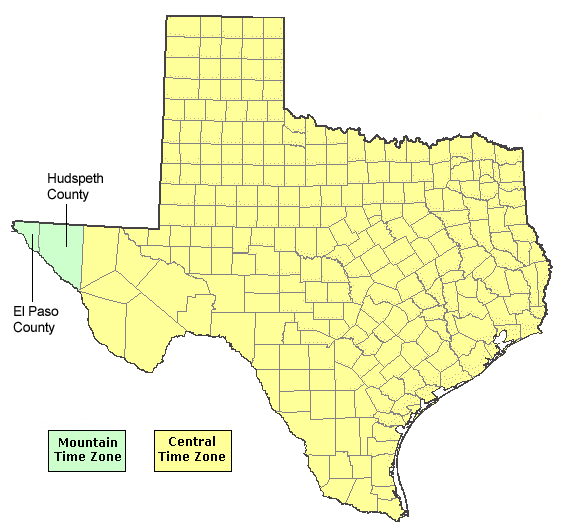
For anyone planning a trip to the vibrant metropolis of Dallas, Texas, understanding the local time zone is more than just a trivial detail; it’s a fundamental piece of information that can significantly impact everything from flight schedules and hotel check-ins to business meetings and exploring the city’s myriad attractions. Dallas, a dynamic hub of culture, commerce, and entertainment in the heart of the United States, operates on Central Time. This means navigating the rhythms of Central Standard Time (CST) for part of the year and Central Daylight Time (CDT) during the warmer months, making careful planning essential for both leisure and business travelers.
The importance of time zone awareness extends beyond merely knowing what time it is. It directly influences how you structure your itinerary, manage your energy levels, and interact with the local pace of life. Whether you’re flying in from the East Coast or across an ocean, the shift in time can present challenges, commonly known as jet lag, which can dampen the initial excitement of your journey. By understanding Dallas’s time zone and its implications, you can better prepare for a seamless and enjoyable experience, making the most of every moment in this bustling North American city. From coordinating timely arrivals at your chosen accommodation to ensuring you don’t miss the opening hours of a must-see landmark, time is truly of the essence in Dallas.
Understanding Dallas’s Time Zone: CST and CDT
Dallas falls squarely within the geographical boundaries of the Central Time Zone. This zone spans across several states in the central United States, as well as parts of Canada and Mexico. The consistent use of a standardized time across these regions helps to streamline communication, travel, and commerce.
The Rhythm of Central Standard Time
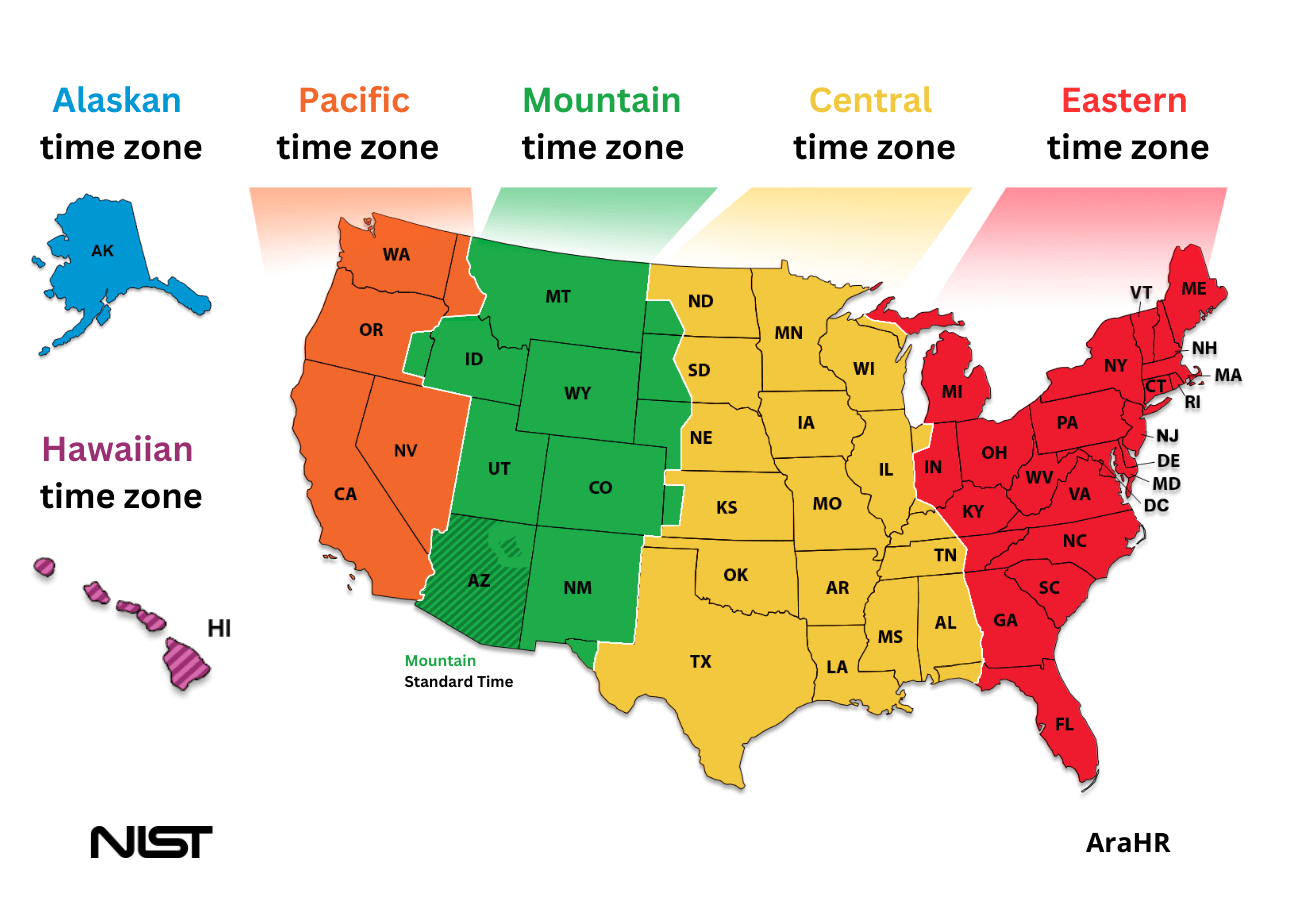
Central Standard Time (CST) is observed during the fall and winter months. It is defined as UTC-6, meaning it is six hours behind Coordinated Universal Time (UTC), which is the primary time standard by which the world regulates clocks and time. Historically, UTC succeeded Greenwich Mean Time (GMT) as the global time standard. When Dallas is on CST, it means that if it’s 12:00 PM in London (which is on UTC/GMT), it would be 6:00 AM in Dallas. This six-hour difference can be significant for travelers arriving from Europe or Asia, requiring a substantial adjustment period. For domestic travelers, the difference is less stark but still noteworthy; for instance, cities on the East Coast, which observe the Eastern Time Zone (EST/EDT), are one hour ahead of Dallas. Conversely, those in the Mountain Time Zone (MST/MDT) are one hour behind, and the Pacific Time Zone (PST/PDT) is two hours behind.
Daylight Saving Time in Texas
Like most of the United States, Texas observes Daylight Saving Time (DST). This annual practice involves advancing clocks by one hour during spring and summer months, typically “springing forward” on the second Sunday in March and “falling back” on the first Sunday in November. When DST is in effect, Dallas switches from CST to Central Daylight Time (CDT). CDT is defined as UTC-5, meaning it is five hours behind Coordinated Universal Time. This shift provides an extra hour of daylight in the evenings, which is particularly beneficial for tourism and outdoor activities, allowing visitors and locals more time to enjoy the city’s parks, outdoor dining, and evening events.
The transition to and from Daylight Saving Time is a crucial point for travelers to note. Arriving or departing around these dates requires double-checking flight times and reservation details to avoid missing connections or appointments. For example, a flight scheduled for 8:00 AM on the day DST begins might effectively feel like 7:00 AM to your body, or vice-versa when it ends, impacting your internal clock and potentially causing confusion. Most modern devices, such as smartphones and computers, automatically adjust, but it’s always prudent to confirm the correct local time upon arrival.
Why Time Zones Matter for Your Dallas Trip
Understanding and accounting for Dallas’s time zone is not just about avoiding missed appointments; it’s about optimizing your entire travel experience. From the moment you book your flight to the last souvenir you purchase, time plays a pivotal role.
Flights, Check-ins, and Reservations
One of the most immediate impacts of time zones is on travel logistics. Flights arriving at DFW International Airport or Dallas Love Field are always scheduled in local time. If you’re traveling from the Pacific Time Zone, your 9:00 AM flight from Los Angeles will land in Dallas roughly two hours later, but your watch will jump forward by two hours, making it seem like a longer journey. Similarly, coordinating hotel check-in times (usually in the afternoon) and check-out times (typically in the late morning) becomes critical. If you arrive early, understanding the time difference can help you manage expectations for early check-in or plan for activities to fill the time until your room is ready.
Restaurant reservations, showtimes for cultural events, and scheduled tours all operate on Dallas local time. Missing a reservation due to a time zone miscalculation can be a frustrating and costly mistake. For business travelers, adhering to meeting schedules is paramount. A 10:00 AM conference call with colleagues on the East Coast means starting at 9:00 AM Dallas time, highlighting the need for careful conversion.
Business and Leisure: Synchronizing Your Schedule
Dallas is a major center for both business and leisure travel. For professionals, a clear understanding of the Central Time Zone is essential for effective communication with clients and colleagues across the United States and internationally. Conference calls, deadlines, and operational hours are all governed by local time. A company with offices in New York, Dallas, and San Francisco must constantly juggle three different time zones (Eastern Time Zone, Central Time Zone, and Pacific Time Zone), making careful scheduling a daily necessity.
For leisure travelers, synchronizing your schedule involves ensuring you have ample time to enjoy the city’s diverse offerings. From the bustling Dallas Arts District to the serene Dallas Arboretum and Botanical Garden, each attraction has specific operating hours. Knowing the local time helps you plan realistic itineraries, allocate enough time for travel between sites, and avoid the disappointment of arriving at a closed venue. Early risers might catch the sunrise from Reunion Tower before the crowds, while night owls can plan their evenings to explore the vibrant nightlife of Deep Ellum or the Bishop Arts District.
Beyond the Clock: Experiencing Dallas
Once you’ve mastered the time zone, Dallas opens up as a world-class destination offering an unparalleled blend of Southern charm and metropolitan sophistication. The city’s identity is shaped by its rich history, innovative spirit, and diverse lifestyle options.
Iconic Dallas Landmarks and Attractions
Dallas boasts an impressive array of landmarks and attractions that cater to every interest. History buffs will find the Sixth Floor Museum at Dealey Plaza a poignant and informative experience, detailing the assassination of President John F. Kennedy. For families, the Perot Museum of Nature and Science and the Dallas World Aquarium offer engaging educational entertainment. Art enthusiasts can spend days exploring the magnificent collections within the Dallas Arts District, home to the Dallas Museum of Art and the Nasher Sculpture Center.
Outdoor lovers will appreciate Klyde Warren Park, an urban oasis built over a freeway, offering green space, food trucks, and free activities. For panoramic views of the city skyline, a visit to Reunion Tower’s GeO-Deck is a must. These attractions, combined with shopping districts like NorthPark Center and charming neighborhoods like Bishop Arts District, ensure there’s always something to see and do. Remember to check their operating hours in local Dallas time to plan your visits efficiently.
Accommodation and Culinary Delights
Dallas’s accommodation landscape is as diverse as its attractions, offering everything from luxury resorts and boutique hotels to budget-friendly options and extended-stay apartments. High-end choices like The Joule Dallas, the Ritz-Carlton, Dallas, and the Omni Dallas Hotel offer exquisite amenities and prime locations, often close to major landmarks and business districts. For those seeking a blend of convenience and luxury near the airport, the Grand Hyatt Dallas/Fort Worth is an excellent choice. Further afield, but still within easy reach, Four Seasons Resort and Club Dallas at Las Colinas and the Gaylord Texan Resort & Convention Center in nearby Grapevine provide expansive grounds and extensive facilities.
The city’s culinary scene is equally impressive, reflecting Texas’s diverse cultural influences. From authentic Tex-Mex and world-renowned barbecue joints to upscale fine dining establishments, Dallas caters to every palate. Neighborhoods like Uptown, Bishop Arts District, and Deep Ellum are culinary hotspots, offering a vibrant mix of restaurants, cafes, and bars. Planning your dinner reservations or finding the perfect brunch spot requires an understanding of local operating hours and the time zone, ensuring you arrive on time to savor every bite.
Adjusting to Dallas Time: Tips for Travelers
For many travelers, especially those crossing multiple time zones, the biggest challenge isn’t just knowing the time but adapting to it. Jet lag can impact your energy, mood, and overall enjoyment of your trip. Fortunately, there are several strategies to help you adjust smoothly to Dallas’s Central Time.
Minimizing Jet Lag: Practical Advice
One of the most effective ways to combat jet lag is to begin adjusting your sleep schedule a few days before your trip. If you’re traveling eastward to Dallas, try to go to bed an hour earlier each night. If traveling westward, aim to stay up a bit later. Upon arrival, immediately switch to Dallas local time. Try to eat meals and sleep according to the local schedule, even if you don’t feel tired.
Other key tips include:
- Stay Hydrated: Drink plenty of water before, during, and after your flight. Dehydration can exacerbate jet lag symptoms.
- Limit Caffeine and Alcohol: While tempting, these can disrupt your sleep cycle and hydration.
- Seek Sunlight: Exposure to natural light, especially in the morning, helps to reset your body’s internal clock. Take a walk in Klyde Warren Park or enjoy breakfast outdoors.
- Manage Sleep: Try to avoid long naps during the day. If you must nap, keep it short (20-30 minutes). Use eye masks and earplugs to ensure quality sleep at night.
- Exercise: Light exercise can help you feel more alert and improve sleep quality.
- Technology Aids: Utilize smartphone apps that help track and adjust your sleep schedule for different time zones. Most phones will automatically update to Dallas time upon arrival, providing a constant reference.

Making the Most of Your Dallas Stay
Ultimately, being aware of and adjusting to the Central Time Zone is about enhancing your entire Dallas experience. By proactively managing time differences, you can minimize stress, maximize your enjoyment, and fully immerse yourself in everything this incredible city has to offer. From catching a Dallas Mavericks game at the American Airlines Center to exploring the charming streets of Fort Worth just a short drive away, every moment counts.
Whether your visit to Dallas is for a quick business trip, a family vacation, or a romantic getaway, a well-planned itinerary that considers the nuances of Central Time will ensure a smoother journey. Enjoy the vibrant culture, indulge in the delicious cuisine, and explore the many attractions without the added worry of being off-schedule. Your adventure in Dallas awaits, perfectly timed and ready for you to discover!
LifeOutOfTheBox is a participant in the Amazon Services LLC Associates Program, an affiliate advertising program designed to provide a means for sites to earn advertising fees by advertising and linking to Amazon.com. Amazon, the Amazon logo, AmazonSupply, and the AmazonSupply logo are trademarks of Amazon.com, Inc. or its affiliates. As an Amazon Associate we earn affiliate commissions from qualifying purchases.