Planning a trip to the vibrant state of Louisiana involves meticulous preparation, from scouting the best hotels and most alluring attractions to understanding local culture and securing seamless accommodations. Yet, one fundamental detail often overlooked, but critically important for a smooth travel experience, is grasping the local time zone. For any visitor, whether you’re coming for the historical depth of New Orleans, the political pulse of Baton Rouge, or the Cajun rhythms of Lafayette, understanding what time it is will profoundly impact your itinerary, reservations, and overall enjoyment.
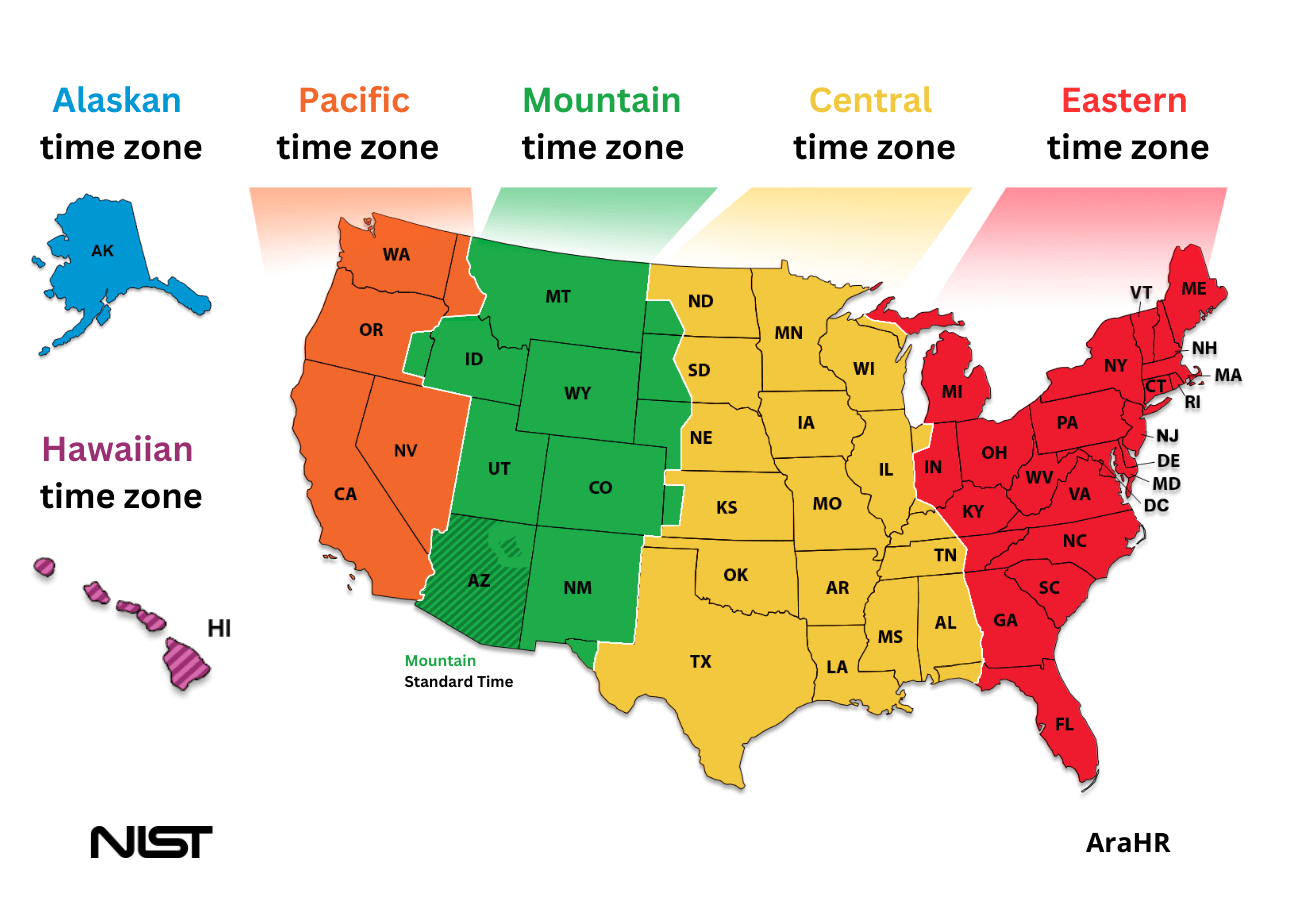
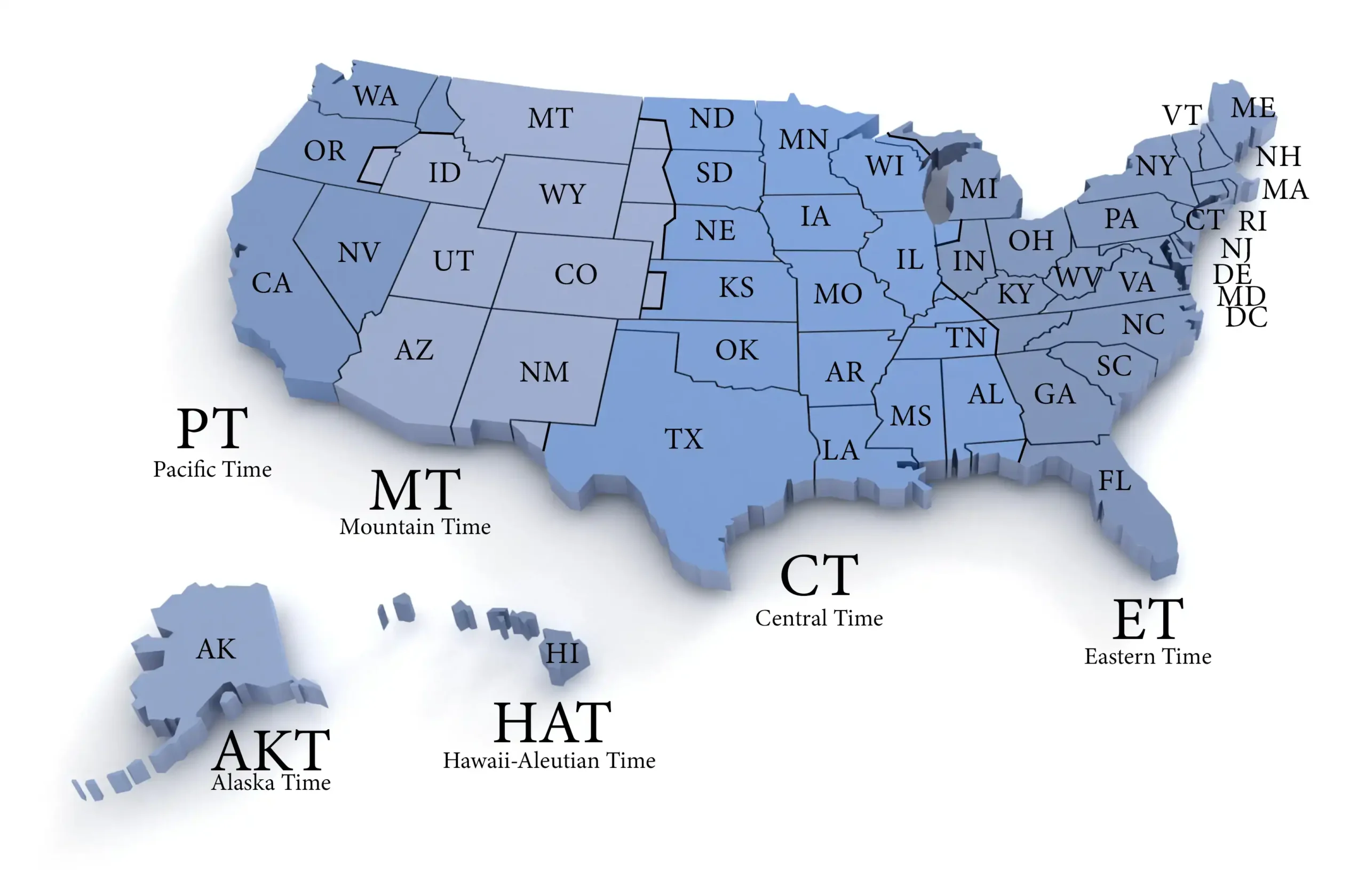
Louisiana, spanning the United States’ Gulf Coast region, operates entirely within the Central Time Zone. This means that every city, town, and bayou across the state adheres to the same clock, simplifying things considerably for travelers moving within its borders. However, for those arriving from different parts of the globe or even other United States time zones, a clear understanding of Central Standard Time (CST) and Central Daylight Time (CDT) is essential for a truly “Life Out of the Box” adventure.
Understanding Louisiana’s Time Zone: Central Standard Time (CST) and Central Daylight Time (CDT)
The concept of time zones might seem straightforward, but the nuances of daylight saving can catch even seasoned travelers off guard. Louisiana’s adherence to the Central Time Zone means it observes both CST and CDT throughout the year.
The Basics of Central Time
During the majority of the year, particularly in the autumn and winter months, Louisiana operates on Central Standard Time (CST). This is designated as UTC-6, meaning it is six hours behind Coordinated Universal Time. When spring arrives and daylight saving time comes into effect, usually on the second Sunday in March, the state switches to Central Daylight Time (CDT). At this point, clocks “spring forward” one hour, placing Louisiana at UTC-5, five hours behind Coordinated Universal Time. The change back to CST typically occurs on the first Sunday in November, when clocks “fall back” one hour.
This annual shift is a critical piece of information for anyone planning a trip. A flight scheduled to arrive at 2:00 PM on the day daylight saving begins could effectively be an hour later than anticipated if you’re not paying attention to the time change. Similarly, early morning tours or dinner reservations made months in advance need to factor in this adjustment. Most modern smartphones and digital devices automatically update to the correct time zone, but it’s always prudent to double-check your device settings and verify local time, especially when dealing with fixed schedules like hotel check-ins or tour departures.
Why Time Zones Matter for Travelers
The impact of time zones on travel extends far beyond simply knowing what time to set your watch. It influences nearly every aspect of your journey:
- Flight Schedules and Airport Transfers: Flight arrival and departure times are always based on local time. Missing a connection or an airport shuttle because you miscalculated the time zone change can be a costly mistake.
- Hotel Check-in/Check-out: Hotels, whether it’s a luxury suite in the French Quarter or a charming B&B in the Garden District, operate on strict schedules. Arriving an hour late for check-in or missing the check-out deadline due to time zone confusion can lead to inconveniences or additional charges.
- Tour Bookings and Activities: From swamp tours through the Atchafalaya Basin to guided historical walks, almost all attractions and experiences are time-sensitive. A missed tour means lost money and a missed experience.
- Dining Reservations: Louisiana’s culinary scene is a major draw. Popular restaurants, like Commander’s Palace in New Orleans or a local Cajun eatery in Lafayette, often require reservations, and punctuality is key.
- Communicating with Home: Keeping in touch with family, friends, or colleagues in different time zones requires a solid understanding of the time difference. This is especially vital for business travelers who might need to schedule meetings remotely.
Navigating Louisiana’s Diverse Destinations with Time in Mind
Louisiana’s appeal lies in its rich tapestry of cultures, landscapes, and experiences. Each region, while united by the Central Time Zone, offers unique rhythms and attractions that travelers should consider.
New Orleans: A City That Never Sleeps (Almost)
New Orleans, arguably Louisiana’s most iconic city, is a whirlwind of activity. From the historic charm of the French Quarter with its jazz clubs on Bourbon Street to the elegant mansions of the Garden District, there’s always something happening. Understanding that all these vibrant activities, from sipping café au lait at Café Du Monde to catching a late-night show at Preservation Hall, adhere to Central Time is crucial. If you’re visiting during major events like Mardi Gras, parade schedules and event timings are strictly regulated by the local clock, and missing a parade because of a time miscalculation would be a significant disappointment. Attractions like The National WWII Museum, Jackson Square, and St. Louis Cathedral also operate on CST/CDT hours.
Baton Rouge: Historic Charm and Government Hub
As the state capital, Baton Rouge offers a different, yet equally rich, experience. Home to the Old State Capitol, the towering new State Capitol building, and the expansive LSU Campus, this city blends history, education, and modern governance. For business travelers, adhering to Central Time for meetings and appointments is non-negotiable. Leisure visitors planning to explore the Louisiana Art & Science Museum or the USS Kidd Veterans Museum must also factor in opening and closing times, all of which are firmly set in the local time zone. Traveling to nearby plantations like Rosedown Plantation or Houmas House Plantation from Baton Rouge also requires time-conscious planning for tours and meal reservations.
Lafayette and Acadiana: Cajun Country Rhythms
Venturing into Acadiana, the heart of Cajun and Creole culture, travelers will find Lafayette to be a hub of vibrant music, delicious food, and friendly faces. Experiencing a traditional Zydeco dance hall, embarking on a swamp tour near Houma, or visiting the Tabasco factory on Avery Island demands an understanding of local operating hours. Festivals like Festivals Acadiens et Créoles also run on precise schedules, making time management vital for attendees wishing to catch specific musical acts or cooking demonstrations. Even a visit to historic sites like Natchitoches, the oldest permanent settlement in the Louisiana Purchase, requires an awareness of Central Time for exploring its historic district and plantations.
Shreveport-Bossier City: Northwestern Gateways
In the northwestern corner of Louisiana, Shreveport and Bossier City offer a blend of casino entertainment, outdoor recreation, and cultural attractions. While perhaps less globally renowned than New Orleans, these cities still provide a compelling reason to visit, from riverboat cruises on the Red River to exploring attractions like Lake D’Arbonne State Park. All casino schedules, showtimes, and park operating hours are in line with Central Time. Travelers from Texas or other neighboring states might find the time zone consistent, but those from further afield must still adjust their internal clocks. Other cities like Alexandria and Monroe also strictly follow Central Time for all local activities and services.
Maximizing Your Louisiana Experience: Tips for Time Zone Management
A successful trip to Louisiana is not just about where you go or what you see, but also how smoothly you navigate the practicalities. Time zone awareness is a cornerstone of this smooth operation.
Planning Your Itinerary
Before you even book your flight, confirm the exact time zone of your origin and destination. When booking flights, always pay attention to the arrival and departure times in local time. For accommodations, whether it’s a sprawling resort on the Gulf Coast or a cozy B&B in St. Francisville, confirm their check-in and check-out policies and times in Central Time. Many online booking platforms will display times in the local zone, but a quick double-check can prevent headaches. When scheduling activities such as a Whitney Plantation tour or a visit to Oak Alley Plantation, verify the start times and plan your travel to arrive well in advance.
Communication and Connectivity
Inform your contacts back home about the time difference, especially if you anticipate important calls or need to coordinate schedules. Most smartphones automatically adjust to the local time zone when you travel, but it’s wise to confirm this feature is enabled. Using world clock apps can help you easily track time differences between Louisiana and your home location. This is particularly relevant for those traveling from international destinations or from the West Coast (Pacific Time Zone) or East Coast (Eastern Time Zone) of the United States.
Adjusting to the Time Change
If you’re traveling from a time zone with a significant difference, you might experience jet lag. To minimize its effects, try to adjust your sleep schedule gradually a few days before your trip. Once you arrive in Louisiana, expose yourself to natural sunlight, stay hydrated, and try to adopt the local sleep-wake cycle as quickly as possible. A walk around Audubon Park in New Orleans or enjoying the outdoors in Lake Charles can help reset your body clock.
Time Zone Awareness for Events and Activities
Every planned activity, from a cooking class in the French Quarter teaching Creole cuisine to an evening ghost tour exploring Voodoo legends, will adhere to Central Time. Even a visit to the ancient earthen mounds of Poverty Point World Heritage Site requires checking visitor center hours. Always confirm the local time for events you plan to attend, especially during the daylight saving transition periods.
Accommodation and Lifestyle Considerations
Your choice of accommodation and how you embrace the local lifestyle are intrinsically linked to understanding Louisiana’s time zone.
Hotel Stays and Time Management
Whether you opt for a luxurious Hilton property overlooking the Mississippi River or a charming boutique hotel, all hotel services operate on Central Time. This includes everything from breakfast buffet hours to spa appointments and scheduled shuttle services. If you’re planning a late arrival or early departure, communicate these details with your accommodation provider in advance, always using local CST/CDT to avoid misunderstandings. For longer stays, understanding the rhythm of the city in Central Time will help you make the most of amenities like fitness centers or business lounges, ensuring you can access them when you need to.
Dining and Nightlife Schedules
Louisiana’s famed dining and nightlife scenes are legendary, and they all pulse to the beat of Central Time. Restaurants will have opening and closing hours, and last call at bars will be strictly enforced according to the local clock. If you’re planning a specific culinary experience or want to immerse yourself in the live music scene, confirm operating hours and make reservations well in advance, keeping the time zone in mind. The late-night charm of New Orleans is celebrated, but even that vibrant energy eventually winds down, and knowing the local time ensures you don’t miss out.
Business and Leisure Travel
For business travelers, every conference, meeting, and client interaction in Louisiana will be conducted in Central Time. Coordinating across different time zones is a standard business practice, but a reminder to yourself and your counterparts is always beneficial. For leisure travelers, this awareness translates into a more relaxed and organized trip. Imagine planning a picturesque swamp tour through the Bayous at sunrise or a scenic drive to a historic town; knowing the precise time allows for optimal lighting for photography and ensures you reach your destination without rushing.
In conclusion, while the question “What Time Zone In Louisiana?” has a simple answer – it’s the Central Time Zone – its implications for travel are vast. From the moment you begin planning your trip to the final farewell, understanding and respecting Louisiana’s time will ensure your journey is as seamless, enjoyable, and enriching as the state itself. By keeping the CST/CDT in mind, you are better equipped to immerse yourself fully in the unique culture, hospitality, and unforgettable experiences that await you in the Pelican State. So, set your clocks, embrace the Central Time rhythm, and get ready for an extraordinary adventure.