
Nebraska, often celebrated for its vast prairies, rich agricultural heritage, and friendly Midwestern charm, presents a unique geographical nuance that travelers and residents alike must navigate: it spans two distinct time zones. While much of the state proudly aligns with the Central Time Zone, its western panhandle observes Mountain Time. This seemingly small detail can have significant implications for planning your travels, booking accommodations, and ensuring a seamless experience across the Cornhusker State.
Understanding Nebraska’s time zone division is more than just a trivial fact; it’s a crucial piece of information for anyone embarking on a journey through this diverse state. From coordinating business meetings to catching flights, or simply ensuring you arrive on time for a reservation at a local attraction, being aware of the local time zone is paramount. For lifestyle travelers, whether you’re planning a luxurious escape to a city resort or a budget-friendly road trip through national landmarks, knowing when and where the time changes can make all the difference between a smooth itinerary and unexpected delays. This guide will delve into the specifics of Nebraska’s time zones, explore why this division exists, and provide invaluable tips for navigating the temporal landscape of this captivating state.
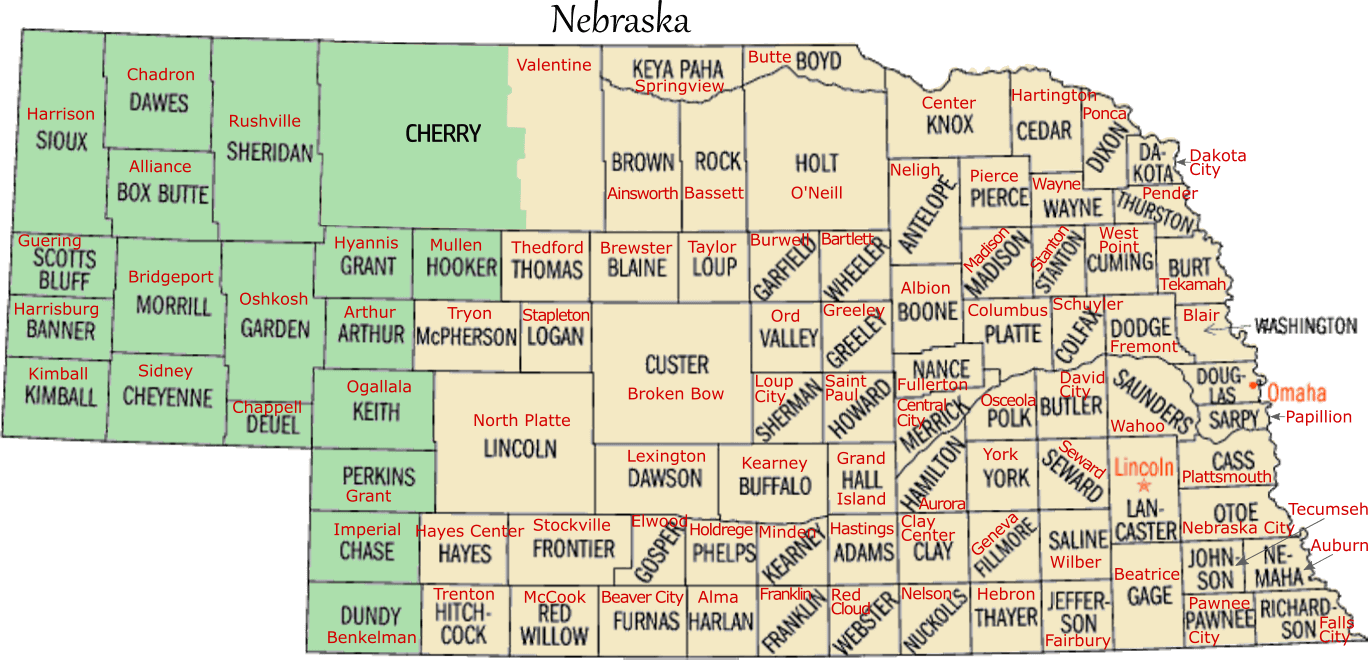
Navigating Nebraska’s Dual Time Zones
The dual time zone system in Nebraska is a fascinating aspect of its geography, largely influenced by historical settlement patterns and proximity to neighboring states. While most of the state adheres to the Central Time Zone, the western reaches of the panhandle shift westward, aligning with Mountain Time.
Central Time Zone Dominance
The vast majority of Nebraska falls within the Central Time Zone (CT), observing Central Daylight Time (CDT) during the summer months. This includes all of the state’s major population centers and bustling urban hubs. Cities like Omaha, Lincoln, and Grand Island are firmly planted in CT. For travelers flying into Eppley Airfield in Omaha or driving across the state from the east, their clocks will remain consistent with the central portion of the United States.
This dominance of Central Time means that planning your trips around Nebraska’s most popular destinations, such as the Henry Doorly Zoo and Aquarium in Omaha or exploring the historic Old Market district, will typically follow standard CT schedules. Accommodation bookings, from luxury suites in downtown Omaha to cozy bed and breakfasts in Lincoln, will reflect these times. When coordinating with businesses or setting up tours, remember that they operate on CT, which is UTC-6 during standard time and UTC-5 during daylight saving time.
The Panhandle’s Mountain Time
Venturing into the far western panhandle of Nebraska brings a shift to the Mountain Time Zone (MT), observing Mountain Daylight Time (MDT) when applicable. This region includes cities such as Scottsbluff, Chadron, and Alliance. The reason for this temporal demarcation is primarily geographical and historical. These counties are geographically closer and share stronger economic and cultural ties with states further west, like Colorado and Wyoming, which also adhere to Mountain Time.
For travelers exploring the dramatic landscapes of western Nebraska, such as Scotts Bluff National Monument or Chadron State Park, remembering the one-hour difference is crucial. If you’re driving from Omaha to Scottsbluff, you will effectively “gain” an hour upon entering Mountain Time. Conversely, returning eastward means “losing” an hour. This shift affects everything from restaurant reservations to check-in times at local hotels and resorts in the Pine Ridge region. MT is UTC-7 during standard time and UTC-6 during daylight saving time.
The Time Zone Divide: Where to Look on a Map
The exact line dividing Central and Mountain Time in Nebraska is not a perfectly straight north-south line but rather follows county borders. Generally, the counties of Arthur, Garden, Grant, Hooker, Keith, McPherson, and Thomas are split. Most commonly, counties entirely west of Highway 83, such as Banner, Box Butte, Cheyenne, Dawes, Deuel, Garden, Kimball, Morrill, Scotts Bluff, Sheridan, and Sioux are in Mountain Time.
For travelers, this means that if your road trip takes you through the central part of the state and then west towards popular recreational areas like Lake McConaughy, you might be very close to the time zone border. While Lake McConaughy itself is in Central Time, driving a short distance further west could put you in Mountain Time. Always double-check the specific location of your destination, especially if it’s near one of these border counties, to avoid any scheduling mishaps. Many online mapping services and GPS devices will automatically adjust, but a quick manual check is always recommended.
Why Time Zones Matter for Your Nebraska Travel Plans
Understanding Nebraska’s time zones isn’t just about knowing what time it is; it’s fundamental to the seamless execution of your travel plans. From complex itineraries involving multiple stops to simple dinner reservations, a lapse in attention to the time zone can lead to missed connections, forfeited bookings, and unnecessary stress.
Seamless Travel Planning and Logistics
For those planning to travel across the breadth of Nebraska, the time zone change is a significant logistical consideration. If you’re flying into Eppley Airfield in Omaha (Central Time) from another major hub like Chicago O’Hare (also Central Time), your arrival time will be straightforward. However, if your ultimate destination is Scottsbluff (Mountain Time) and you plan to rent a car and drive, remember that the final leg of your journey will involve a one-hour shift backward. This means a 3:00 PM appointment in Scottsbluff would require departing Omaha by a certain Central Time to account for the drive and the time zone change.
Similarly, for those embarking on a scenic road trip across the state, such as following the historic Oregon Trail route, plotting your overnight stays and daily activities requires meticulous attention to time zones. Train schedules, bus routes, and even the operating hours of gas stations in remote areas can be affected. For business travelers, missing a flight connection or arriving late for a crucial meeting due to time zone confusion can have significant repercussions. Always verify the local time of departure and arrival points, especially when crossing the time zone boundary within the state.
Accommodation and Activity Bookings
Booking accommodations, whether a luxury resort, a cozy motel, or a unique vacation rental, requires careful consideration of the time zone. A hotel in Chadron (Mountain Time) will list its check-in and check-out times in MT. If you’re arriving from Lincoln (Central Time) with a 3:00 PM check-in, you’ll actually have until 4:00 PM Central Time to arrive, giving you an extra hour of travel buffer. Conversely, a 10:00 AM check-out from Chadron means hitting the road by 11:00 AM Central Time if you’re heading back east.
The same principle applies to booking activities, tours, and restaurant reservations. Imagine reserving a sunset tour at Scotts Bluff National Monument for 7:00 PM MT, only to realize too late that you were thinking in Central Time, leading you to miss the excursion. Whether it’s a tee time at a golf course, a guided fishing trip on Lake McConaughy, or a spa appointment at a wellness resort, always confirm the scheduled time in the local zone. This vigilance ensures you maximize your travel experiences and avoid the frustration of missed opportunities.

Business and Communication
For professionals traveling for work or coordinating with colleagues across Nebraska, the time zone split is particularly pertinent. A video conference scheduled for 10:00 AM Central Time means participants in Scottsbluff need to join at 9:00 AM Mountain Time. Similarly, project deadlines, client calls, and supply chain logistics between the eastern and western parts of the state require explicit communication of time zones to prevent misunderstandings and operational delays. For those involved in remote work or operating a business that spans both zones, incorporating time zone awareness into daily communication protocols is an essential lifestyle tip. Establishing clear expectations about which time zone is being referred to can prevent costly errors and improve overall efficiency.
Exploring Nebraska: Time Zone Considerations for Top Destinations
Nebraska’s diverse landscape offers a wealth of attractions, from vibrant urban centers to breathtaking natural wonders. Understanding the time zone of your chosen destination is key to a smooth and enjoyable visit.
Eastern Nebraska Highlights (Central Time)
Eastern Nebraska is the heartland of the state, brimming with cultural, historical, and family-friendly attractions, all operating on Central Time.
- Omaha: As Nebraska’s largest city, Omaha is a hub for tourism. The world-renowned Henry Doorly Zoo and Aquarium typically opens its doors at 9:00 AM CT, offering a full day of exploration. Dining reservations at the historic Old Market or catching a show at the Orpheum Theater will all adhere to Central Time. Accommodation options range from luxury hotels like the Kimpton Cottonwood Hotel to budget-friendly stays, all with check-in/check-out times set in CT.
- Lincoln: The state capital, Lincoln, offers attractions like the iconic State Capitol Building, Sunken Gardens, and a thriving university atmosphere. Plan your visits to museums or university events with Central Time in mind.
- Grand Island: Located further west but still within Central Time, Grand Island is known for the Stuhr Museum of the Prairie Pioneer and its role in migratory bird viewing. Ensure your guided tours or accommodation bookings align with local CT.
Western Nebraska Adventures (Mountain Time)
The western panhandle of Nebraska provides a stark contrast with its rugged badlands, towering bluffs, and expansive skies, all observing Mountain Time.
- Scottsbluff: The gateway to the panhandle, Scottsbluff is home to the majestic Scotts Bluff National Monument, a landmark along the historic Oregon Trail. When planning to hike the summit or visit the museum, remember that all operating hours are in MT. If arriving from Central Time, adjust your watch backward by one hour upon crossing into this region.
- Chadron: Further north, Chadron is nestled in the Pine Ridge region and offers access to Chadron State Park, Nebraska’s oldest state park. Camping reservations, trail rides, or exploring the Museum of the Fur Trade will all operate on Mountain Time.
- Alliance: Known for Carhenge, a whimsical replica of Stonehenge made from vintage cars, Alliance is another significant locale in the Mountain Time Zone.
The Transitional Zone and Beyond
Places like Kearney and North Platte are firmly in Central Time but serve as major stops for travelers heading west. Kearney offers attractions like the Archway Monument, while North Platte is famous for Buffalo Bill Ranch State Historical Park and the largest railroad classification yard in the world, Bailey Yard. These locations, while still CT, are the last major population centers before approaching the time zone change.
When planning to visit destinations near the border, like the aforementioned Lake McConaughy, which straddles Keith and Garden counties, confirming local times for marinas, equipment rentals, or dining is especially important. While the lake is primarily in Central Time, nearby communities to the west could be in Mountain Time, creating a potential for confusion if not properly addressed in your travel plans.
Practical Tips for Managing Time Zones in Nebraska
Navigating Nebraska’s dual time zones doesn’t have to be complicated. With a few practical strategies, you can ensure your trip is as smooth and stress-free as possible, allowing you to focus on enjoying the state’s unique offerings.
Always Confirm Local Time
The most crucial tip for any traveler in Nebraska is to always confirm the local time of your destination. Before setting out, check the time zone for specific addresses or attractions using reliable sources.
- Official Websites: Always refer to the official websites of hotels, resorts, attractions, and tour operators. Their listed hours and schedules will always be in their local time zone.
- Booking Confirmations: Review your booking confirmations for flights, car rentals, accommodation, and activities. These documents often specify the time zone, or at least the local time of the service provider.
- Ask Locals: Don’t hesitate to ask hotel staff, tour guides, or even friendly Nebraskans you encounter about the local time, especially if you’re close to a time zone boundary.
Leverage Technology
Modern technology can be a huge asset in managing time zones.
- Smartphones and GPS Devices: Most smartphones and modern GPS devices automatically detect your location and adjust the time accordingly. This is incredibly helpful when driving across time zone lines, as your device will typically update without any manual intervention. However, be aware of areas with poor cellular signal, where your device might not update immediately.
- Time Zone Apps: Consider downloading a dedicated world clock or time zone app that allows you to easily compare times between Central and Mountain Time, or any other time zone relevant to your travel.
- Calendar Tools: When scheduling appointments or reminders, use calendar tools that allow you to specify the time zone for each event. This prevents confusion when reviewing your itinerary.
Plan Ahead for Reservations
When making reservations for hotels, flights, dining, or activities, always think and book in the local time of the destination. If you’re booking an activity in Scottsbluff from Omaha, mentally (or physically) shift your clock back an hour to ensure accuracy. This foresight is especially important for popular attractions or high-demand restaurants where timings are strict. For families planning trips, ensuring everyone is on the same page regarding time can prevent unnecessary stress and keep the family vacation running smoothly.
Communicate Clearly
If you are coordinating travel with others, particularly a group arriving from different directions or meeting in Nebraska, always specify the time zone when discussing meeting times or schedules. For example, instead of saying “Let’s meet at 3 PM,” clarify with “Let’s meet at 3 PM Central Time” or “3 PM Mountain Time.” This simple clarification can prevent considerable confusion and ensure everyone arrives punctually. For business or remote work, always include the time zone in meeting invitations and email communications.
In conclusion, while Nebraska’s dual time zones might initially seem like a minor complication, it’s a fundamental aspect of planning any trip or conducting business within the state. By understanding where the Central Time Zone ends and the Mountain Time Zone begins, and by following these practical tips, you can ensure your visit to Nebraska is as smooth and enjoyable as the vast prairie skies. Whether you’re exploring the urban delights of Omaha, discovering the historical significance of Lincoln, or marveling at the natural beauty of the western panhandle, a little time zone awareness will go a long way in enhancing your Nebraska adventure. Embrace the journey, and enjoy all that this remarkable state has to offer, one time zone at a time.
LifeOutOfTheBox is a participant in the Amazon Services LLC Associates Program, an affiliate advertising program designed to provide a means for sites to earn advertising fees by advertising and linking to Amazon.com. Amazon, the Amazon logo, AmazonSupply, and the AmazonSupply logo are trademarks of Amazon.com, Inc. or its affiliates. As an Amazon Associate we earn affiliate commissions from qualifying purchases.