
For any traveler planning a visit to the vibrant city of Boston, understanding its time zone is a fundamental, yet often overlooked, detail that can significantly impact the overall travel experience. Boston, the historic capital of Massachusetts, operates on Eastern Time. This means it adheres to either Eastern Standard Time (EST) during the colder months or Eastern Daylight Time (EDT) during the spring, summer, and early fall. For those hailing from different time zones, from the Pacific Coast of the United States to international destinations across the globe, knowing this upfront is crucial for seamless planning, from booking flights and accommodations to scheduling tours and dining reservations.

Beyond the simple fact of “what time it is,” the time zone impacts everything from managing jet lag to coordinating with family back home. It influences your daily itinerary, how much you can pack into a day, and even the availability of certain attractions or dining experiences. On a website dedicated to travel, hotels, tourism, and lifestyle, dissecting the nuances of Boston’s time zone offers valuable insights for anyone looking to maximize their adventure in this iconic New England city.
Understanding Eastern Time: Boston’s Position on the Map
To fully appreciate Boston’s time zone, it’s helpful to understand the broader context of Eastern Time itself. This time zone governs a significant portion of the eastern seaboard and extends into various provinces of Canada and parts of the Caribbean.
The Basics of Eastern Standard Time (EST) and Eastern Daylight Time (EDT)
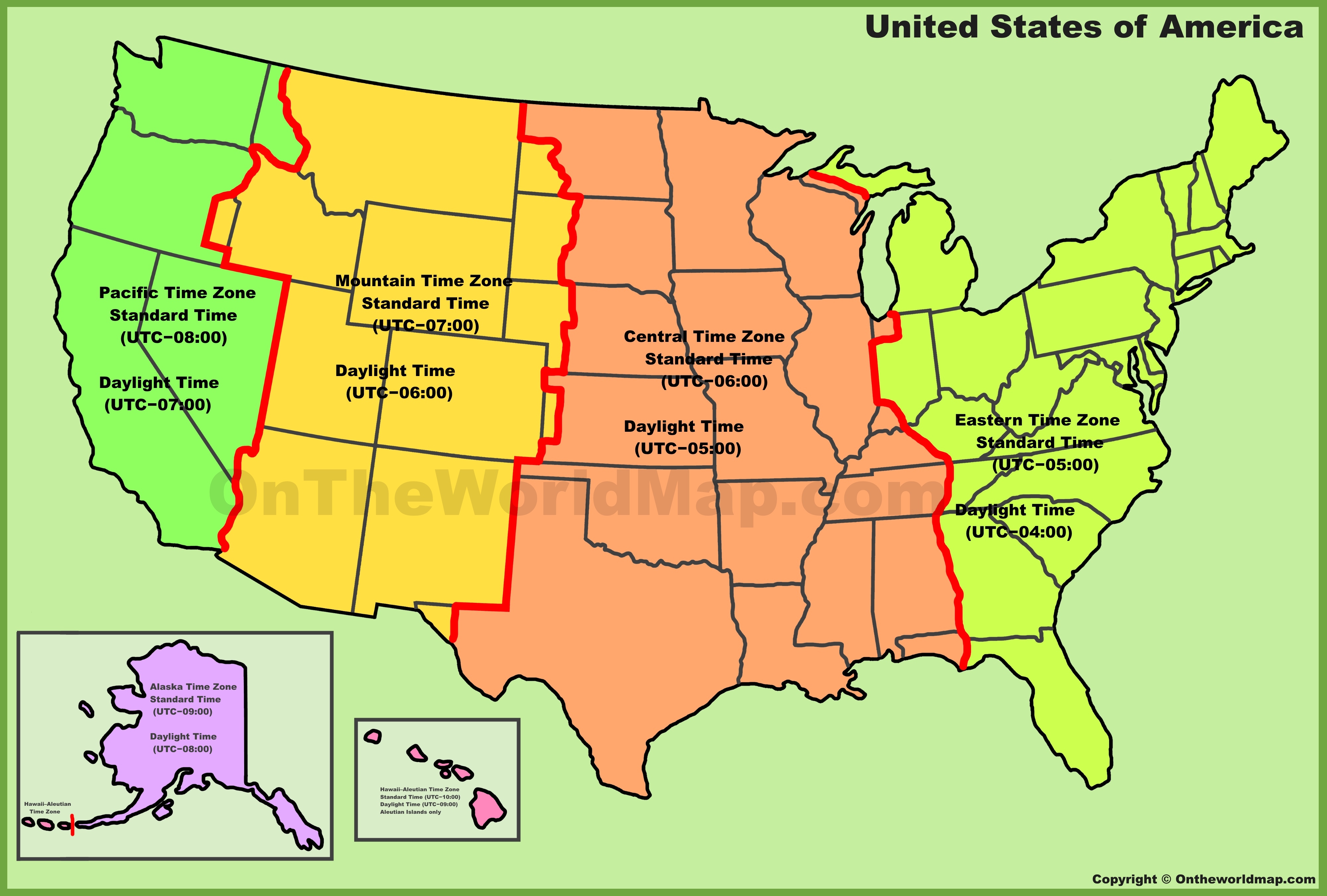
Eastern Standard Time (EST) is observed during the fall and winter months. It is five hours behind Coordinated Universal Time (UTC-5). This period typically runs from the first Sunday in November until the second Sunday in March. During EST, the days are shorter, and evenings arrive earlier, which can influence how travelers plan their daylight activities, especially for outdoor attractions or scenic walks around areas like the Public Garden.
Conversely, Eastern Daylight Time (EDT) comes into effect during the spring and summer, beginning on the second Sunday in March and concluding on the first Sunday in November. During this period, clocks are advanced by one hour, making it UTC-4. This shift provides an extra hour of daylight in the evenings, a boon for tourists eager to explore Boston’s many attractions, enjoy outdoor dining in the North End, or catch a Boston Red Sox game at Fenway Park without feeling rushed by the setting sun. The transition between EST and EDT is commonly known as “Daylight Saving Time,” and it’s essential for visitors to be aware of this clock change if their travel dates fall around these periods. Forgetting to adjust can lead to missed flights, appointments, or even just confusion about opening and closing times for landmarks and restaurants.
Geographical Context and Time Zone Boundaries
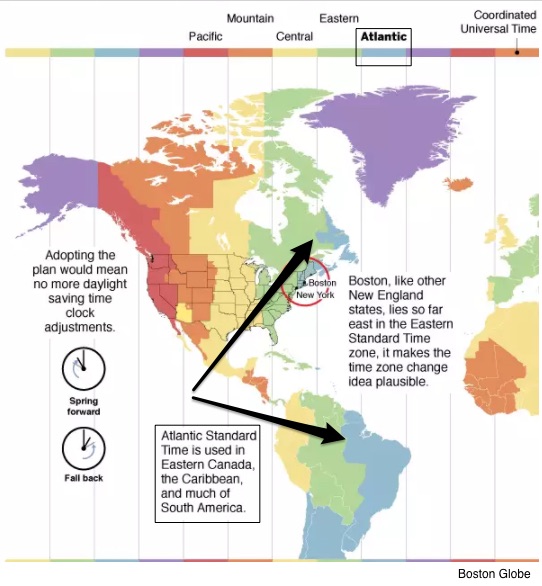
Boston is firmly entrenched within the Eastern Time Zone, which encompasses a vast geographical area. In the United States, this includes all or parts of states such as Maine, New Hampshire, Vermont, Massachusetts, Rhode Island, Connecticut, New York, New Jersey, Pennsylvania, Delaware, Maryland, the District of Columbia (Washington D.C.), Virginia, North Carolina, South Carolina, Georgia, and most of Florida. To the north, Canada’s provinces of Quebec and Ontario, along with eastern Nunavut, also follow Eastern Time. Further south, several Caribbean nations and territories, including the Bahamas, Jamaica, Cuba, and the Dominican Republic, align with Eastern Time at various points, particularly during Daylight Saving Time. Even parts of Mexico, like Cancun and the Riviera Maya, also observe Eastern Time for convenience with their major tourism markets. This broad alignment makes travel and communication with these regions relatively straightforward when visiting Boston, as many business and leisure destinations share the same clock.
Navigating Time Differences: Planning Your Boston Adventure
Understanding Boston’s time zone is far more than just a piece of trivia; it’s a critical component of effective travel planning, especially for those venturing from afar. From mitigating the effects of jet lag to ensuring timely arrivals for coveted reservations, being time-aware ensures a smoother, more enjoyable trip.
Arrival and Departure: Beating Jet Lag
Traveling across multiple time zones can throw your body’s internal clock, or circadian rhythm, into disarray, resulting in jet lag. For those flying into Boston from the west coast or international destinations, adjusting to Eastern Time can take a few days. The key is proactive planning. Before your flight, try to gradually adjust your sleep schedule closer to Boston time. Upon arrival, expose yourself to natural light during the day and avoid heavy meals or excessive alcohol. Booking a comfortable hotel that offers excellent amenities, such as soundproof rooms, blackout curtains, and 24-hour room service, can significantly aid in recovery. Whether you opt for a luxurious stay at the Four Seasons Hotel Boston or a comfortable room at the Marriott Copley Place, a good night’s sleep is paramount to tackling jet lag. Plan a lighter itinerary for your first day, focusing on relaxing activities like a stroll through Boston Common rather than strenuous sightseeing.
Coordinating Activities and Bookings
Every aspect of your Boston itinerary, from flight schedules to museum visits and dinner reservations, is dictated by Eastern Time. When booking flights through platforms like Google Flights or Skyscanner, always confirm that the times displayed are in local time for both your departure and arrival cities. Similarly, when reserving a room at hotels like The Ritz-Carlton, Boston or securing a unique stay via Airbnb or Vrbo, check-in and check-out times will always be in Eastern Time. Missing a tour of Harvard University or a show because of a time zone miscalculation can be disappointing. Many popular attractions, such as the Museum of Fine Arts or the New England Aquarium, have specific operating hours, and popular restaurants in the North End or Seaport District often require reservations well in advance, all of which operate on the local Boston clock. Double-checking all confirmations and setting your devices to Boston time upon arrival will prevent any unnecessary stress.
Communication Across Time Zones
For business travelers or those wanting to stay in touch with family and friends back home, understanding the time difference is vital. A call to a colleague in California at 9 AM Boston time means waking them up at 6 AM. Similarly, catching up with family in Europe will require careful scheduling due to the significant time gap. Using a world clock app on your smartphone can be incredibly helpful for quickly referencing different time zones. This consideration extends to remote work or any professional engagements you might have during your trip, ensuring you don’t miss crucial meetings or deadlines due to a simple time zone oversight.
Boston’s Allure: Making the Most of Your Time
Boston is a city steeped in history, culture, and innovation, offering an incredible array of experiences for every type of traveler. Managing your time effectively, with a keen awareness of the local clock, allows you to delve deeper into its diverse offerings and truly live the “lifestyle” of a Bostonian for the duration of your stay.
Iconic Landmarks and Attractions
The city is a treasure trove of historical sites, many of which are easily accessible by foot, especially along the famed Freedom Trail. Imagine starting your day with a brisk morning walk through Boston Common and the Public Garden before heading to Faneuil Hall Marketplace and Quincy Market for lunch. In the afternoon, you could immerse yourself in art at the Museum of Fine Arts or the exquisite Isabella Stewart Gardner Museum. With the longer daylight hours of EDT, you might even squeeze in a sunset stroll along Boston Harbor or a visit to the Science Museum. Knowing the local time helps you plan your route efficiently, ensuring you maximize your visits to multiple sites. For instance, a morning visit to Harvard University and MIT in Cambridge can easily transition into an afternoon exploring the charming streets of Beacon Hill or shopping in Back Bay.
Culinary Delights and Local Experiences
Boston’s culinary scene is as diverse as its history, ranging from fresh seafood in the Seaport District to authentic Italian fare in the North End (Little Italy) and vibrant Asian cuisine in Chinatown. Popular dining establishments often have specific opening hours and can get incredibly busy, especially on weekends or during peak tourist seasons. Being aware of the local time zone allows you to make timely reservations, ensuring you don’t miss out on a classic New England clam chowder or a delightful cannoli. Beyond food, Boston offers numerous unique local experiences, from catching a game at Fenway Park to joining a historical walking tour. These activities are time-sensitive, and a clear understanding of Eastern Time is essential for participation.
Where to Stay: Accommodations for Every Traveler
Boston boasts a wide array of accommodations, catering to luxury travelers, budget-conscious adventurers, families, and business professionals. From opulent suites to cozy apartments, options abound. Upscale hotels like the XV Beacon Hotel and the historic Omni Parker House offer prime locations and impeccable service, often near major landmarks. Mid-range options like the Revere Hotel Boston Common or the Hyatt Regency Boston provide excellent value and accessibility. For those seeking a more local experience or long-term stay, platforms like Airbnb and Vrbo offer apartments and villas across various neighborhoods. When booking through sites like Booking.com, Expedia, or TripAdvisor, remember that all displayed check-in and check-out times will be in Eastern Time. Confirming these details in advance, especially if arriving on a red-eye flight or departing late, can save you from unexpected fees or inconveniences, ensuring a smooth start and end to your stay.
Practical Tips for a Seamless Boston Trip
Beyond simply knowing the time zone, incorporating a few practical strategies into your travel planning can significantly enhance your Boston experience, making it as seamless and stress-free as possible.
Technology and Time Zone Management
Your smartphone is your best friend when it comes to time zone management. Most modern smartphones automatically update to the local time zone once you land and connect to a local network. However, it’s always a good idea to double-check your phone’s settings to ensure automatic time zone updates are enabled. Consider adding a world clock widget to your home screen, displaying both Boston time and your home time, for quick reference. Many travel apps, including those for airlines and hotel chains, will also display times in local formats, minimizing confusion. Set reminders and alarms in Boston time for critical appointments, tours, and wake-up calls.
Day Trips and Regional Exploration
While Boston offers endless attractions, many visitors also venture beyond the city limits for day trips or extended explorations of New England. Destinations like Cape Cod, Martha’s Vineyard, Nantucket, or historical towns like Lexington and Concord, and even the famously witchy town of Salem, all operate on Eastern Time. This simplifies planning significantly, as you won’t encounter any internal time zone changes within the immediate New England region. However, if your travels take you further afield, perhaps into the Central Time Zone or beyond, always remember to reconfirm local times to avoid any scheduling mishaps. This is particularly important for activities with strict schedules, like ferry departures to the islands or guided tours in historical parks.
In conclusion, understanding that Boston is in the Eastern Time Zone, observing EST in winter and EDT in summer, is more than a trivial detail; it’s a cornerstone of effective travel planning. From managing jet lag and coordinating complex itineraries to making timely reservations and communicating with those back home, being time-aware empowers you to fully immerse yourself in Boston’s rich history, vibrant culture, and modern appeal. By factoring in the local time zone, every traveler can ensure a smoother, more enjoyable, and truly unforgettable experience in this magnificent city.
LifeOutOfTheBox is a participant in the Amazon Services LLC Associates Program, an affiliate advertising program designed to provide a means for sites to earn advertising fees by advertising and linking to Amazon.com. Amazon, the Amazon logo, AmazonSupply, and the AmazonSupply logo are trademarks of Amazon.com, Inc. or its affiliates. As an Amazon Associate we earn affiliate commissions from qualifying purchases.