
As one of the most iconic and diverse states in the United States, California beckons millions of travelers each year with its stunning coastline, majestic national parks, vibrant cities, and unparalleled cultural experiences. From the sun-drenched beaches of San Diego to the tech hubs of [Silicon Valley], the majestic redwoods of the north, and the star-studded streets of Los Angeles, the Golden State offers an endless array of adventures. For anyone planning a trip, considering a move, or simply curious, a fundamental question often arises: “What time zone is [California]?” The answer, while seemingly simple, holds significant implications for travel planning, business coordination, and enjoying every moment of your stay.
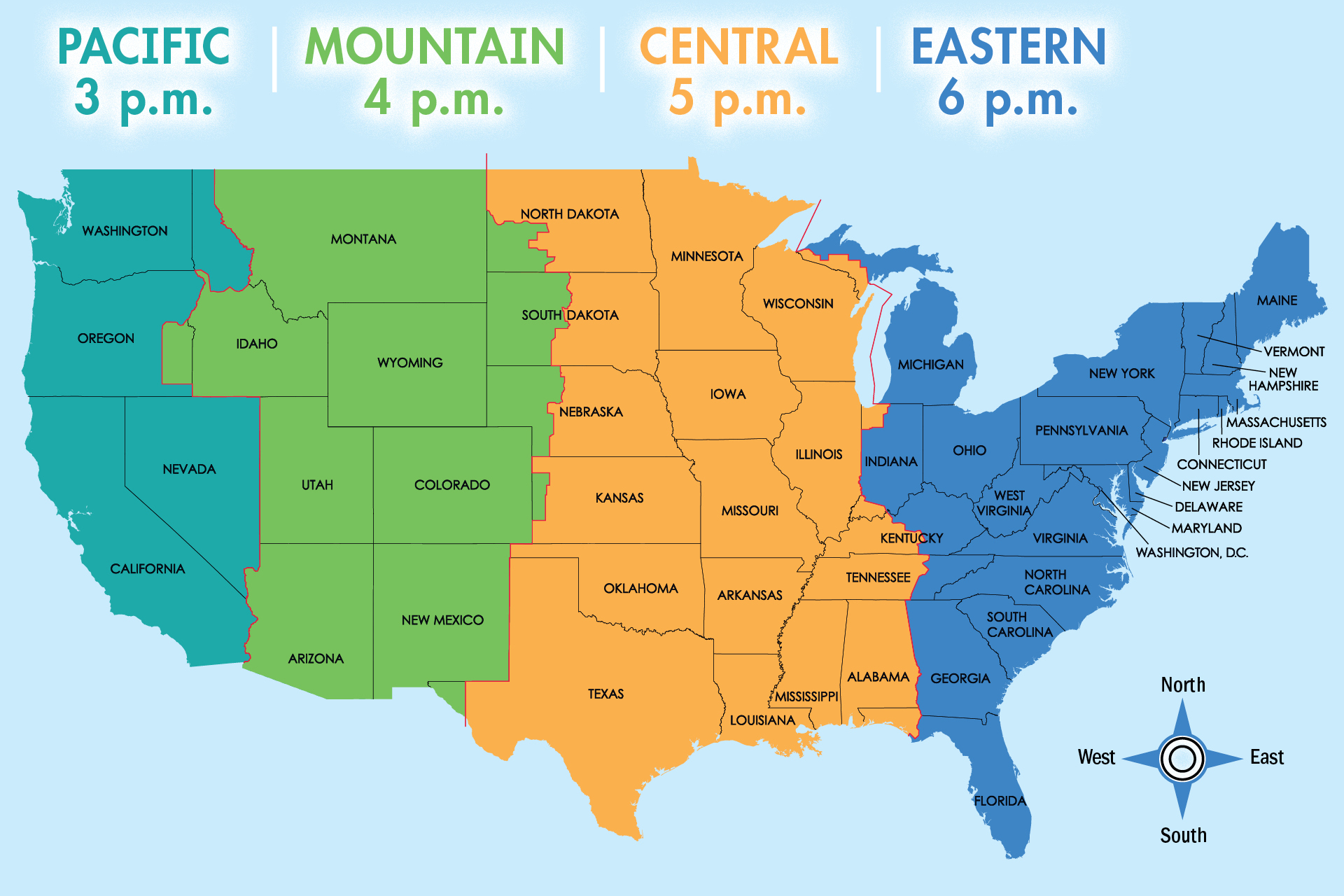
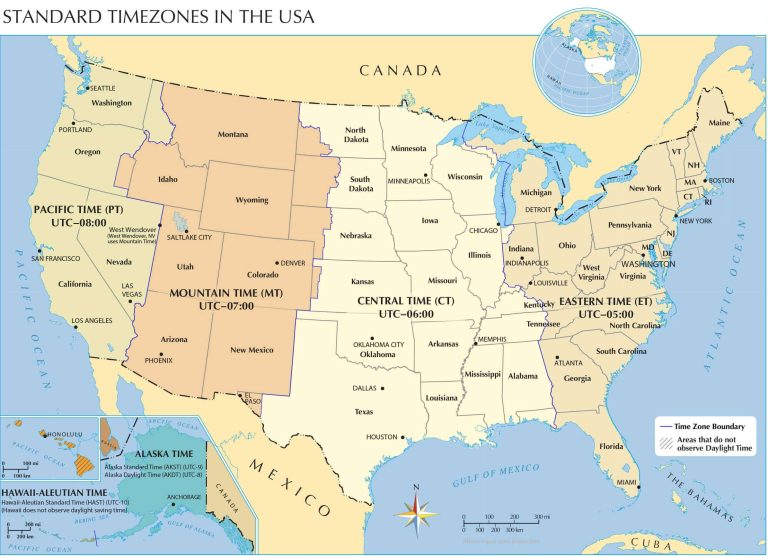
[California] operates entirely within the Pacific Time Zone, making things straightforward for visitors as there’s no need to adjust watches when traversing the state’s vast expanse. This consistency is a blessing for those exploring everything from the bustling urban landscapes to the tranquil wilderness. However, understanding the nuances of the Pacific Time Zone, particularly the annual shift between Standard and Daylight Saving Time, is crucial for a seamless experience. This guide delves into everything you need to know about [California]’s time zone, its impact on your travel plans, and how to make the most of your visit, whether you’re embarking on a luxurious escape, a budget-friendly adventure, or a family-focused vacation.
Understanding California’s Time Zone: Pacific Standard Time (PST) and Pacific Daylight Time (PDT)
[California]’s time zone is officially known as the Pacific Time Zone. Like many regions across the globe, it observes Daylight Saving Time, meaning the local time shifts twice a year. This distinction between Pacific Standard Time (PST) and Pacific Daylight Time (PDT) is vital for travelers and residents alike, particularly when coordinating with individuals in other parts of the world or planning time-sensitive activities.
The Basics of PST and PDT
Most of the year, [California] observes Pacific Daylight Time (PDT), which is seven hours behind Coordinated Universal Time (UTC-7). This period typically runs from the second Sunday in March to the first Sunday in November. During these warmer months, clocks are moved forward by one hour, effectively “saving” daylight for later in the evening. This means longer daylight hours for enjoying [California]’s outdoor attractions and vibrant nightlife.
When Daylight Saving Time ends, the state reverts to Pacific Standard Time (PST), which is eight hours behind Coordinated Universal Time (UTC-8). Clocks are set back by one hour, leading to earlier sunsets but also brighter mornings. This transition typically occurs in early November and lasts until early March. While the shift is just one hour, it can sometimes disrupt sleep patterns and travel schedules, especially for those arriving from distant time zones.
Geographic Consistency Across California
One of the great conveniences for travelers exploring the Golden State is that the entire state of [California] observes the same time zone. Unlike some other expansive states or countries that span multiple time zones, you won’t need to adjust your watch as you drive from San Francisco down to [San Diego], or from the coastal cities inland to the [Sierra Nevada] mountains. This consistency simplifies planning multi-city itineraries and ensures that your internal clock only needs to adjust once upon arrival.
This uniformity is particularly beneficial for those embarking on epic road trips along iconic routes like [Highway 1], connecting diverse destinations such as Carmel-by-the-Sea, Big Sur, and Santa Barbara. Whether you’re exploring the vineyards of Napa Valley, hiking in Yosemite National Park, or enjoying the desert landscapes of Palm Springs, the time will remain consistent, allowing you to focus purely on the experience.
Time Zone Impact on California Travel and Tourism
Understanding [California]’s time zone is far more than just knowing what time it is; it’s a critical component of successful travel planning. From managing jet lag to optimizing your itinerary and staying connected for business, the time difference plays a pivotal role in shaping your [California] experience. As a hub for travel, tourism, and accommodation, [California] offers a plethora of options, all of which benefit from careful time-zone consideration.
Mastering Jet Lag for a Seamless California Experience
For travelers arriving in [California] from countries in [Europe] or the [East Coast] of the [United States], jet lag can be a significant hurdle. The symptoms, including fatigue, disorientation, and disrupted sleep, can detract from the initial days of your trip. However, with a few strategic approaches, you can mitigate its effects and quickly immerse yourself in the Golden State’s rhythm.
Hydration is key; drink plenty of water before, during, and after your flight. Try to adjust your sleep schedule gradually in the days leading up to your departure, shifting closer to [Pacific Time]. Upon arrival, expose yourself to natural light, especially in the morning, to help reset your body’s internal clock. Avoid heavy meals and excessive alcohol. Many luxurious hotels and resorts, such as The Ritz-Carlton, Laguna Niguel or Terranea Resort, offer amenities like soothing spa treatments and 24-hour fitness centers that can aid in recovery and relaxation, helping you adjust faster. Consider booking a suite or a resort with wellness facilities to prioritize your comfort and well-being during those crucial first few days.
Planning Your Itinerary: Aligning Activities with Local Time
The time zone directly influences the practicalities of your itinerary, from booking attraction tickets to reserving tables at renowned restaurants. Popular attractions like Disneyland, Universal Studios Hollywood, and tours of Alcatraz Island in [San Francisco] often have strict opening and closing times. Missing a scheduled entry time due to a miscalculation of the time difference can lead to disappointment.
When planning, always double-check the local [California] time for your desired activities. If you’re hoping to catch the iconic sunrise over the [Grand Canyon] (though that’s in a different time zone, let’s stick to California landmarks) or the beautiful sunset views from Griffith Observatory in [Los Angeles], precise timing is paramount. For culinary enthusiasts, dining in [California] is an experience in itself, from Michelin-starred establishments in Beverly Hills to casual beachfront eateries in Santa Monica. Knowing the local dining hours and making reservations in advance, especially for popular spots, is essential. Leveraging travel guides and booking platforms that display times in the local Pacific Time Zone will prevent confusion.

The Business Traveler’s Guide to California Time Zones
For business travelers, managing time zones is even more critical. [California]’s bustling economic centers, particularly [Los Angeles], [San Francisco], and Sacramento, are home to countless companies with national and international connections. Coordinating meetings, conference calls, and project deadlines across multiple time zones – such as with colleagues on the [East Coast] or in [Europe] or [Asia] – requires meticulous planning.
When scheduling calls, clearly state the time zone to avoid misunderstandings. Many online scheduling tools automatically adjust for time zones, which can be incredibly helpful. For those on long-term stays, consider accommodations with robust Wi-Fi and dedicated workspaces, common in many modern apartment-style hotels or co-living spaces designed for digital nomads. Hotels like the Four Seasons Hotel Los Angeles at Beverly Hills cater to business guests with executive lounges and seamless connectivity. Understanding the time difference allows business travelers to optimize their workday, ensuring they can connect with their teams and clients without unnecessary stress, allowing for a productive blend of work and exploration.
Accommodation and Time Zones: Maximizing Your Stay
The choice of accommodation significantly impacts how you experience a new time zone. From the moment you land, your hotel becomes your temporary home, offering a sanctuary to reset and recharge. Thoughtful consideration of time zone effects can enhance your stay, whether you’re seeking luxury, convenience, or a home-away-from-home feel.
Check-in, Check-out, and Hotel Amenities
Upon arrival in [California], one of the first things you’ll encounter is your hotel’s check-in policy. Standard check-in times are typically in the afternoon, often around 3:00 PM or 4:00 PM [Pacific Time]. If you arrive on an early morning flight, you might face a wait, especially if your room isn’t ready. Many hotels and resorts, particularly those in higher categories, offer the flexibility of early check-in or late check-out, sometimes for an additional fee or as a perk for loyalty members. It’s always worth contacting your chosen accommodation, be it a suite at the Hotel del Coronado or a boutique villa in [Napa Valley], in advance to inquire about these options, particularly if you anticipate jet lag.
Furthermore, hotel amenities can be crucial for time zone adjustment. Access to 24-hour room service means you can grab a meal regardless of your internal clock. Fitness centers and swimming pools can help burn off energy or relax tired muscles. Spa services, often available at luxury hotels, can provide a tranquil escape and aid in winding down after a long flight or an active day of sightseeing. For example, a spa treatment at a [Santa Barbara] resort could be the perfect antidote to travel fatigue. Always check the operational hours of these amenities to ensure they align with your adjusted schedule.
Booking Smart: Synchronizing with California Time
Booking flights and accommodations from a different time zone requires careful attention to detail. A simple miscalculation of AM vs. PM can lead to missed flights or non-existent hotel reservations. When booking online, most reputable travel and accommodation websites will display times in the local time zone of the destination, but it’s always wise to confirm.
When comparing booking options, consider the arrival and departure times in relation to your own body clock and the local [California] time. For instance, arriving late in the evening might mean you miss out on a welcome amenity or require specific late check-in instructions. For long-term stays, perhaps in an apartment or villa in Pasadena or Hollywood, communicating with property managers or hosts about your estimated arrival time is even more critical, as they may not have 24/7 reception services. Clear communication ensures a smooth arrival and departure experience, allowing you to focus on enjoying your stay rather than worrying about logistical errors.
Regional Highlights and Time-Sensitive Experiences in California
[California]’s vast and varied landscape means there are countless experiences, many of which are best enjoyed at specific times of day, directly influenced by the Pacific Time Zone and the season. From breathtaking natural phenomena to vibrant urban events, timing is everything.
Coastal Wonders: Sunrise and Sunset Across the Pacific
[California]’s coastline is legendary, stretching over 800 miles and offering unparalleled views of the [Pacific Ocean]. Naturally, sunrise and sunset are particularly magical moments. While sunrises are best viewed from specific vantage points facing east, such as overlooking valleys or lakes, the sunsets over the [Pacific Ocean] are globally renowned. Imagine watching the sun dip below the horizon from the Golden Gate Bridge in [San Francisco], the piers of [Santa Monica], or the rugged cliffs of [Big Sur].
Understanding the local time for sunset is crucial for photographers, romantics, and anyone wanting to capture these iconic moments. Apps and local weather reports can provide precise sunset times. Early evening in [San Francisco]’s Fisherman’s Wharf or Piers 39 can be an ideal time for a walk, combining the views with a delicious seafood dinner as the sky changes colors. Along the coast of Malibu, many luxury villas offer private terraces designed to maximize these spectacular views, making a timed arrival a key part of the experience.
Mountain Adventures and Desert Escapes
Inland [California] offers a dramatic contrast to its coast, with towering mountain ranges and expansive deserts. Destinations like Yosemite National Park, Joshua Tree National Park, and Death Valley National Park present unique time-sensitive opportunities.
In [Yosemite], timing your hikes to avoid midday heat in summer, or planning for sunrise views over iconic landmarks like [Half Dome], requires a keen awareness of local time. During winter, shorter daylight hours mean starting your outdoor activities earlier to ensure you complete them safely before dusk. For desert escapes in places like [Palm Springs] or [Joshua Tree], the intense midday sun makes early morning or late afternoon exploration not just pleasant but essential. Stargazing in these dark-sky regions, a truly unforgettable experience, hinges on timing your visits for after sunset, far from city lights. The crisp, cool evenings are a perfect complement to hot desert days.
Even skiing in [Lake Tahoe] requires attention to time, as lift opening and closing hours directly dictate your time on the slopes. Whether you’re a luxury traveler seeking exclusive guided tours or a budget traveler exploring independently, understanding the daily rhythm of these natural wonders enhances safety and enjoyment.
Culinary Timings and Cultural Immersion
[California]’s vibrant culinary scene and rich local culture are deeply intertwined with local time. From bustling farmers’ markets that open early on weekend mornings to late-night food trucks, understanding the typical rhythm of [California] life helps you engage fully.
Happy hour specials at trendy [Los Angeles] bars, typically between 4:00 PM and 7:00 PM, are a beloved tradition. Dinner in [California], especially in urban centers, often starts later than in some other parts of the world, with peak reservations between 7:00 PM and 9:00 PM. Many cultural events, concerts, and theater performances in cities like [San Francisco] and [Los Angeles] begin in the evening, requiring careful planning around dinner schedules. Food festivals, art walks, and local street fairs often have specific operating hours, which can be found in local tourism guides or on destination-specific websites. Embracing these local timings allows for deeper immersion into the Californian lifestyle, from its diverse cuisines to its dynamic arts scene.
In conclusion, while the answer to “What time zone is [California]?” is simply the [Pacific Time Zone], its implications are far-reaching for any traveler. From mitigating jet lag and strategically planning your itinerary to choosing the perfect accommodation and immersing yourself in [California]’s unique culture, a solid grasp of local time is your key to unlocking a truly unforgettable Golden State adventure. Whether you’re chasing sunsets on the coast, hiking mountain trails, or indulging in world-class cuisine, being in sync with [California]’s rhythm ensures every moment is maximized.