
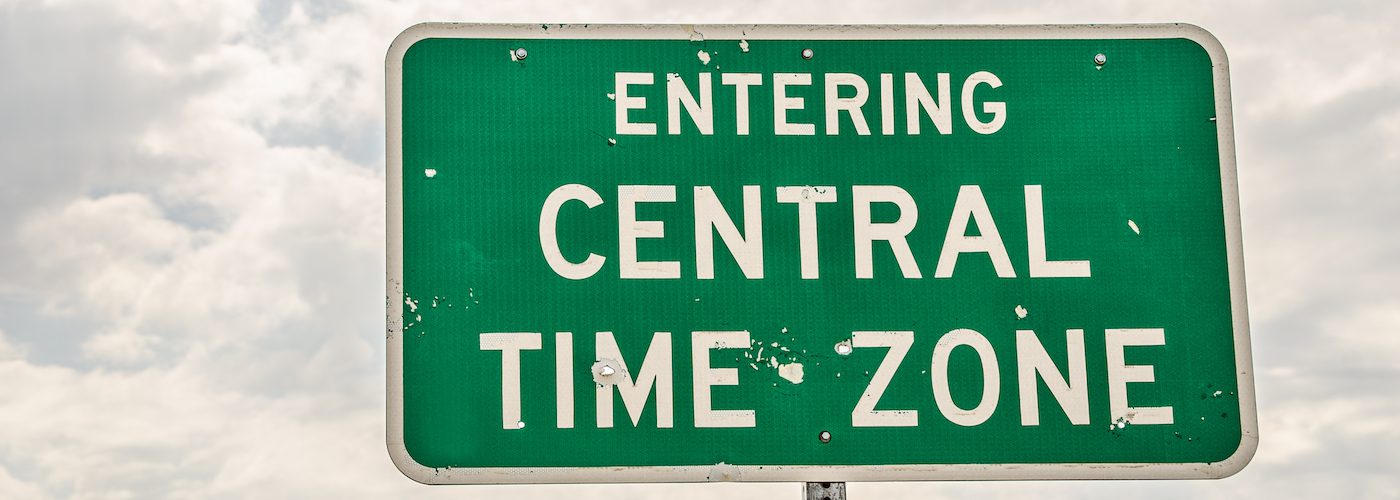
Embarking on a journey to a vibrant metropolis like Chicago involves meticulous planning, from securing the perfect accommodation to crafting an itinerary filled with must-see landmarks and captivating experiences. A seemingly minor detail, yet one of profound importance, is understanding the local time zone. For those wondering, “What time zone is Chicago?” the answer is simple: Chicago operates within the Central Time Zone (CT). This guide delves into what that means for travelers, how it impacts your visit, and essential tips for navigating the clock in the Windy City.
Understanding Chicago’s Time Zone: Central Time (CT)
At its core, Chicago’s position in the Central Time Zone is a fundamental piece of information for any visitor. This time zone is one of the four primary time zones that segment the contiguous United States, and its influence stretches far beyond simply setting your watch.
The Basics: CST and CDT
The Central Time Zone observes two distinct phases throughout the year:
- Central Standard Time (CST): This is the base time, observed during the autumn and winter months. It is six hours behind Coordinated Universal Time (UTC-6).
- Central Daylight Time (CDT): During spring and summer, the region switches to Daylight Saving Time, meaning clocks are advanced by one hour. Central Daylight Time is five hours behind Coordinated Universal Time (UTC-5).
The transition typically occurs on the second Sunday in March, when clocks “spring forward,” and on the first Sunday in November, when they “fall back.” These shifts are crucial to remember, especially if your travel dates fall around these periods, as they can affect flight schedules, check-in times, and event timings. Chicago, being the largest city in Illinois, adheres strictly to these changes, ensuring consistency across the state and the broader Midwest region.
Geographical Context and Time Zone Boundaries
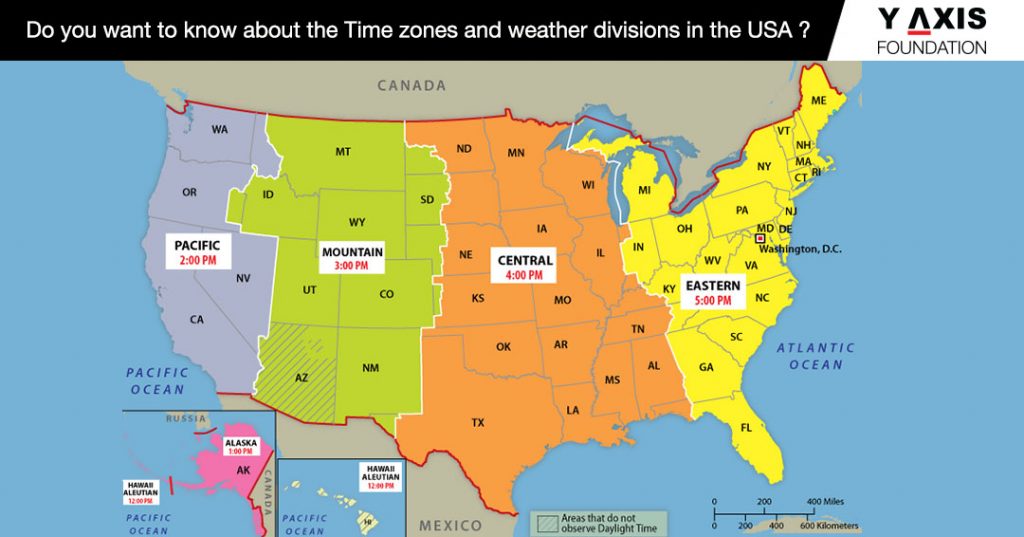
The Central Time Zone predominantly covers the central swath of the United States, extending from the Great Lakes region down to the Gulf Coast. States entirely or partially within this zone include Illinois, Wisconsin, Michigan (partially), Indiana (partially), Kentucky (partially), Tennessee (partially), Alabama, Mississippi, Arkansas, Missouri, Iowa, Minnesota, North Dakota (partially), South Dakota (partially), Nebraska, Kansas, Oklahoma, and Texas.
Historically, the establishment of standardized time zones in the United States was a direct response to the needs of the burgeoning railway system in the late 19th century. Prior to this, towns operated on local solar time, leading to chaotic schedules. The Standard Time Act of 1918 officially adopted the current system, later refined and managed by the Department of Transportation. Chicago’s central location made it a natural fit for the Central Time Zone, facilitating smoother operations for everything from train departures at Union Station to the flow of commerce that still defines its bustling economy today. Understanding this context helps appreciate the logistical convenience that a unified time zone brings to travelers and residents alike.

Why Time Zones Matter for Your Chicago Travel Experience
For any traveler, especially those visiting Chicago from a different time zone, failing to account for the time difference can lead to a cascade of inconveniences, from missed flights to ruined plans. Integrating time zone awareness into your travel planning is not just about avoiding errors; it’s about enhancing your entire travel experience.
Planning Your Arrival and Departure
Your arrival and departure times are arguably the most critical points where time zone awareness becomes paramount. If you’re flying into O’Hare International Airport or Midway International Airport from the East Coast (Eastern Time Zone), remember that Chicago is one hour behind, effectively granting you an extra hour upon arrival. Conversely, if you’re coming from the West Coast (Pacific Time Zone), you’ll “lose” two hours. From the Mountain Time Zone, it’s a one-hour loss.
This directly impacts when you expect to check into your hotel, whether it’s a luxury suite at The Langham Chicago or a boutique stay in River North. Most hotels have strict check-in and check-out times, and understanding the local clock ensures you don’t arrive too early for check-in or miss your check-out window, potentially incurring extra fees. Double-checking your booking confirmations against local Chicago time is a simple yet effective safeguard.
Maximizing Your Sightseeing and Activities
Chicago is a treasure trove of attractions, from world-class museums to architectural wonders and vibrant neighborhoods. Each of these destinations adheres to local time for its operating hours. Imagine planning to visit the Art Institute of Chicago or ascend the Willis Tower only to find they closed an hour earlier than you anticipated because you were still on “home time.”
Knowing the local time helps you:
- Optimize itineraries: Schedule museum visits, boat tours from Navy Pier, or deep-dish pizza reservations effectively.
- Attend events: Catch a Cubs game at Wrigleyville or a show in The Loop without missing the start.
- Plan transportation: Factor in rush hour traffic, which will operate on local time, ensuring you allocate enough travel time between attractions.
Effective time management, aided by a clear understanding of the Central Time Zone, allows you to maximize your tourism and immerse yourself fully in Chicago’s offerings.
Business Travel and Meeting Schedules
For those traveling to Chicago for business stays, punctuality is non-negotiable. Missing a crucial meeting or arriving late for a conference can have significant professional repercussions. When coordinating with local colleagues or clients, always confirm meeting times in Chicago local time. Digital calendars and scheduling tools often convert times automatically, but a quick double-check can prevent misunderstandings. Business travelers staying at hotels like the Hyatt Regency Chicago or the Marriott Marquis Chicago often rely on precise scheduling, and knowing the time zone is the first step in ensuring a productive and successful trip.
Navigating Chicago’s Rhythms: From Dawn to Dusk
Chicago’s heartbeat is synchronized with the Central Time Zone, influencing everything from the morning commute to late-night entertainment. Embracing this rhythm will allow you to experience the city like a local, optimizing your enjoyment of its unique offerings.
Dining and Entertainment Schedules
Chicago’s culinary scene is world-renowned, and its nightlife is equally vibrant. Dinner reservations, whether for a Michelin-starred restaurant in the West Loop or a casual deep-dish spot, are invariably set to local time. Most restaurants typically open for lunch around 11:30 AM or 12:00 PM and for dinner starting around 5:00 PM or 6:00 PM, extending into late evening hours. Bars and clubs in areas like River North or Wicker Park will often stay open until the early hours, usually 2:00 AM or even later on weekends.
When planning an evening out, confirming opening and closing times with local Chicago time in mind is crucial. This applies to theater shows in the Theater District, live music venues, and even specific happy hour timings. Being an hour off can mean missing a special offer or, worse, missing the curtain rise.
Key Attractions and Their Hours
Many of Chicago’s iconic attractions have varying hours depending on the day of the week and the season. These are always published in Central Time.
- Millennium Park, home to Cloud Gate (aka “The Bean”), is generally open from 6:00 AM to 11:00 PM daily.
- Art Institute of Chicago: Typically open 10:30 AM to 5:00 PM, with extended hours on certain evenings.
- Willis Tower Skydeck: Hours vary significantly by season, often opening at 9:00 AM and closing between 8:00 PM and 10:00 PM.
- Museum Campus (comprising Field Museum, Shedd Aquarium, and Adler Planetarium): Usually 9:00 AM to 5:00 PM, but always check their specific websites.
- Navy Pier: Generally opens at 10:00 AM, with closing times varying from 8:00 PM to 10:00 PM depending on the season and day.
When booking tickets online for these popular landmarks or planning a specific visit, ensure your personal schedule is aligned with Chicago’s local time to avoid any disappointment or wasted tickets. Many hotels and resorts, such as the Four Seasons Hotel Chicago or The Drake, also offer concierge services that can help confirm these schedules, adding a layer of convenience to your luxury travel or family trip.
Seasonal Changes and Daylight
Beyond the Daylight Saving Time shifts, the amount of daylight in Chicago varies dramatically by season, which can influence your activity planning. In summer (CDT), daylight hours are long, often extending past 8:00 PM, providing ample time for outdoor activities, strolls along the Magnificent Mile, or enjoying the city’s many parks. In winter (CST), however, daylight can be significantly shorter, with sunset occurring as early as 4:30 PM. This shift requires adjustments to your itinerary, perhaps scheduling indoor attractions like the Museum of Science and Industry or Lincoln Park Zoo for later in the day, or simply enjoying the festive evening lights that adorn the city during the colder months.
Understanding how Chicago’s Central Time Zone interacts with seasonal daylight is key to making the most of your visit, whether you’re seeking a sunny summer adventure or a cozy winter retreat.
Practical Tips for a Smooth Time Zone Transition in Chicago
Adjusting to a new time zone, especially when dealing with a significant difference, can be challenging. However, with a few proactive measures, you can minimize the effects of jet lag and ensure your Chicago experience remains enjoyable and stress-free. These tips are invaluable for all travelers, from budget travelers to those indulging in luxury resorts.
Pre-Trip Planning and Preparation
The key to a smooth transition often begins before you even depart.
- Gradual Adjustment: If possible, start adjusting your sleep schedule a few days before your trip. For example, if you’re traveling east to west (e.g., from New York to Chicago), try staying up an hour or two later each night. If traveling west to east (e.g., from Los Angeles to Chicago), try going to bed earlier.
- Update All Devices: Before landing, manually change your phone, smartwatch, and other portable devices to Central Time. Most smartphones do this automatically, but a quick check ensures you’re synchronized the moment you step off the plane.
- Confirm Bookings in Local Time: Re-verify all flight times, hotel reservations, and tour bookings, ensuring they are confirmed in Chicago’s Central Time. This eliminates any last-minute confusion. Many accommodation providers, from apartment rentals to boutique hotels like The Kimpton Gray Hotel, will send confirmations with local times, but it’s always good practice to double-check.
On-the-Ground Strategies for Jet Lag
Once you’ve arrived in Chicago, actively work to adjust to the new time.
- Embrace Local Time Immediately: As soon as you land, try to operate on Chicago time. If it’s daytime, resist the urge to nap. If it’s evening, prepare for bed.
- Stay Hydrated and Eat Well: Dehydration can exacerbate jet lag symptoms. Drink plenty of water and try to eat meals at local Chicago mealtimes to help regulate your body clock. Avoid excessive alcohol and caffeine, especially close to bedtime.
- Seek Sunlight: Natural light is a powerful tool for resetting your circadian rhythm. Spend time outdoors, perhaps exploring Millennium Park or strolling along the Chicago Riverwalk, especially in the morning.
- Gentle Activity: Engage in light activities rather than intense workouts on your first day. A walk around your hotel’s neighborhood or a visit to a nearby attraction can help you stay awake and acclimate. Many hotels like the Conrad Chicago or the Waldorf Astoria Chicago offer amenities such as fitness centers that can aid in this adjustment.
Essential Tools and Apps
Modern technology can be your best friend when managing time zones.
- World Clock Apps: Utilize apps that display multiple time zones simultaneously. This is especially helpful for coordinating with people in different locations or keeping track of your home time.
- Flight Tracking Apps: These apps provide real-time updates on your flights, often including local arrival and departure times for both your origin and destination.
- Hotel Alarm Clocks: Don’t rely solely on your phone. Many hotels, whether budget-friendly or luxury hotels like the Peninsula Chicago or Park Hyatt Chicago, still offer alarm clocks that you can set to local time. Alternatively, request a wake-up call from the front desk.
- Offline Maps: Having an offline map like Google Maps downloaded can help you navigate without worrying about data or Wi-Fi, which might be especially useful if you arrive late at night and need to find your way to The Thompson Chicago or the LondonHouse Chicago.
By implementing these strategies, your transition into Chicago’s Central Time Zone will be seamless, allowing you to quickly settle in and fully embrace all the travel and tourism opportunities the city has to offer.
Beyond the Clock: Experiencing Chicago’s Unique Charm
While knowing Chicago’s time zone is a practical necessity, it’s merely the foundation for a truly immersive travel experience. The real magic of the city lies in its vibrant local culture, stunning architecture, delectable food scene, and endless array of activities.
From the majestic presence of the Willis Tower to the artistic wonders of Millennium Park and the Art Institute of Chicago, every moment spent in Chicago is an opportunity for discovery. The city offers something for every type of traveler, whether you’re planning a luxury travel escapade at the Palmer House Hilton, a budget-friendly adventure exploring diverse neighborhoods, or a memorable family trip to the Shedd Aquarium or Lincoln Park Zoo.
Understanding the rhythm of the Central Time Zone simply empowers you to fully participate in this bustling metropolis. It allows you to synchronize your personal clock with the city’s pulse, ensuring you don’t miss a beat of the dynamic Chicago lifestyle. So, set your watches, embrace the change, and prepare to discover why Chicago remains a premier destination for travelers seeking unparalleled experiences. Your unforgettable journey to the heart of the Midwest starts now, perfectly on time.