
When planning a trip to the vibrant city of Chicago, Illinois, understanding its time zone is a fundamental step that ensures your itinerary runs smoothly, from booking your accommodation to experiencing its world-class attractions. This guide will not only answer the crucial question of “What time zone is Chicago, IL in?” but also delve into its implications for travelers, offering insights relevant to your travel plans, hotel choices, tourism experiences, lifestyle considerations, and appreciation of its iconic landmarks.
Navigating Time in the Windy City
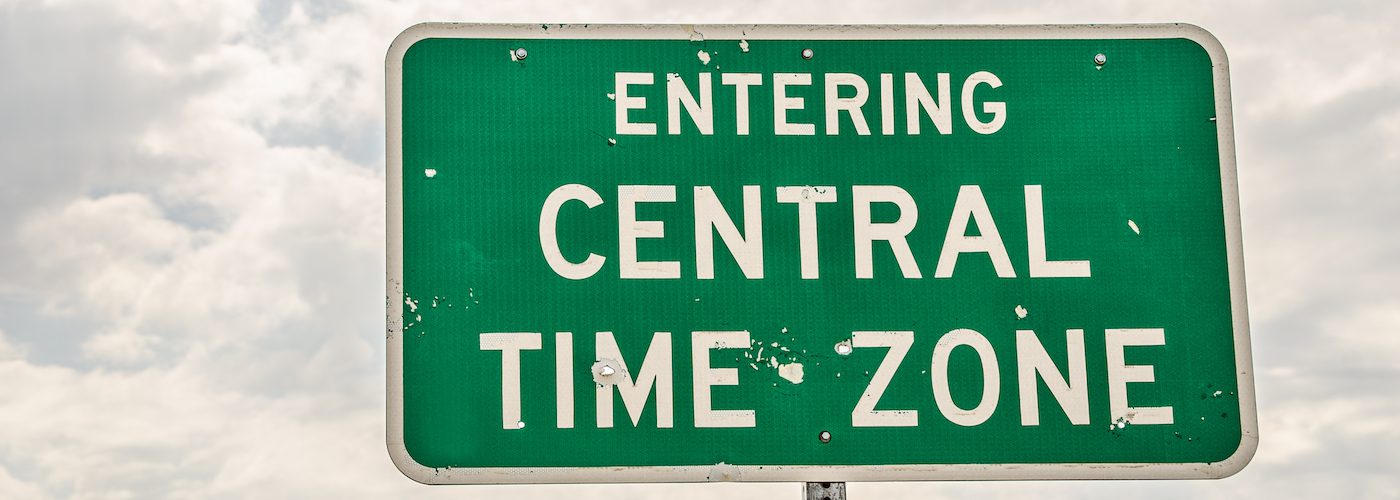
At its core, the question of Chicago, Illinois‘s time zone is straightforward. The city observes Central Daylight Time (CDT) during the warmer months and Central Standard Time (CST) during the rest of the year. This falls under the broader umbrella of the United States‘ time zone system, specifically the Central Time Zone.
Understanding Daylight Saving Time
The transition between CDT and CST is governed by Daylight Saving Time (DST). In the United States, DST typically begins on the second Sunday in March and ends on the first Sunday in November. During this period, clocks are advanced by one hour, effectively extending daylight into the evening. This means that during the spring and summer months, Chicago is one hour ahead of its standard time.
For travelers, this means that if you’re arriving in Chicago from a region that also observes DST, the time difference will likely remain consistent. However, if you’re coming from a region that does not observe DST, or from a different time zone entirely, it’s essential to account for this one-hour shift. For example, if you’re traveling from the East Coast of the United States, which observes Eastern Time, Chicago will be one hour behind during standard time and still one hour behind during daylight saving time (as both regions adjust their clocks). Conversely, if you’re traveling from the Mountain Time Zone, Chicago will be one hour ahead.
The practical implications of this are significant for travelers. Flight schedules, hotel check-in and check-out times, tour start times, and reservations for restaurants all operate on the local time of Chicago. Failing to account for the correct time zone can lead to missed flights, late arrivals, and a generally disrupted experience.
The Importance of Time Zone Awareness for Travelers
Imagine arriving at O’Hare International Airport or Midway International Airport and realizing you’ve miscalculated the time difference. You might miss a pre-booked shuttle to your hotel, or worse, a crucial business meeting. For those on vacation, arriving late for a highly anticipated guided tour of a landmark like Millennium Park or a culinary experience in the West Loop could mean missing out entirely.
When booking your accommodation, whether it’s a luxurious suite at the Langham Chicago or a budget-friendly apartment for a long-term stay, always confirm the hotel’s local time for check-in. Similarly, when planning activities, especially those with fixed start times, such as a boat tour on Lake Michigan or a visit to the Art Institute of Chicago, double-check the timings against your departure location’s time zone.
Implications for Travel and Tourism in Chicago
The Central Time Zone plays a subtle yet significant role in shaping the travel and tourism experience in Chicago. Beyond the practicalities of scheduling, it influences the rhythm of daily life and the perception of time for visitors.
Aligning Your Itinerary
When crafting your travel itinerary, it’s advisable to set your watch or phone to Chicago time as soon as you arrive. This simple act helps your internal clock adjust more quickly and reduces the likelihood of errors. Many travel guides and booking platforms automatically display times in the destination’s local zone, but it’s always wise to be mindful.
For those planning a family trip, keeping track of meal times and nap schedules can be challenging enough without adding a time zone miscalculation. Ensuring everyone is on the same page regarding local Chicago time will contribute to a more relaxed and enjoyable experience.
Chicago is renowned for its diverse attractions, from the architectural marvels along the Chicago River to the immersive exhibits at the Field Museum. Many of these venues have specific operating hours. Knowing the correct local time is paramount to maximizing your visit. For instance, catching the sunset from the Willis Tower Skydeck requires precise timing, especially if you’re aiming for a specific lighting condition for your photos.
Experiencing Local Culture and Activities

The local culture of Chicago unfolds according to its time zone. Weekend farmers’ markets often kick off early on Sunday mornings, and popular restaurants might have two or three seatings for dinner. Understanding the local pace, dictated by the clock, allows you to immerse yourself more authentically.
If you’re interested in local culture, attending a live performance at the Steppenwolf Theatre Company or a concert at Wrigley Field will be scheduled according to Central Time. Similarly, exploring the vibrant nightlife in areas like Lincoln Park or the Gold Coast will commence at times appropriate for the local clock.
For those interested in food, booking a table at a renowned establishment or joining a food tour requires adherence to Central Time. Many food tours in Chicago, focusing on everything from deep-dish pizza to innovative culinary creations, have set departure times.
Leveraging Accommodation and Hotel Amenities
Your choice of accommodation can significantly impact your ability to manage time effectively. Hotels in Chicago range from boutique inns to large resorts and serviced apartments. Regardless of your preference, understanding the hotel’s check-in and check-out policies in Central Time is crucial.
Many hotels offer amenities like concierge services that can assist with scheduling and providing local time information. If you’re considering a long-term stay, having a reliable clock and understanding the local time zone will be even more important for establishing a routine.
When comparing hotels or booking suites, always factor in how the location and its time zone might affect your overall travel experience. For example, a hotel conveniently located near a major landmark like Navy Pier might offer easy access, but you still need to be aware of its operating hours in Central Time.
Understanding Chicago’s Place in the Time Zone Map
Chicago, Illinois is situated within the Central Time Zone of North America. This zone spans a significant portion of the central United States, encompassing states from North Dakota to Texas.
Geographical Context and Time Zones
The establishment of time zones in the United States was a complex process, eventually standardized by the Standard Time Act of 1918. The Central Time Zone was defined to facilitate commerce and transportation by creating a uniform system of reckoning time across large geographical areas.
Geographically, Chicago is located in a position that logically places it within the Central Time Zone. While the exact boundaries can sometimes be politically influenced, Chicago has consistently been part of this zone. This means that when it’s noon in Chicago, it’s 1 PM in New York City (Eastern Time) and 11 AM in Denver, Colorado (Mountain Time).
Impact on Business and Communication
For businesses operating in or with Chicago, understanding the time zone is vital for coordinating operations, scheduling meetings, and managing customer support. International businesses must also factor in the time difference when communicating with their counterparts in Chicago.
Effective communication is key in any travel or business endeavor. Whether you’re coordinating with a tour operator, a hotel concierge, or colleagues, always specify the time zone when discussing appointments or deadlines. For instance, saying “Let’s connect at 2 PM Chicago time” is far clearer than simply “Let’s connect at 2 PM.”

Planning for Different Travel Lifestyles
Chicago caters to a wide spectrum of lifestyle preferences. Whether you’re a luxury traveler seeking opulent experiences, a budget traveler keen on maximizing value, on a family trip, or undertaking a business stay, time zone awareness remains a constant.
For luxury travel, punctuality is often expected for exclusive experiences, such as private tours of architectural wonders or fine dining reservations. For budget travel, ensuring you don’t miss out on early bird specials or free walking tours, which are typically time-sensitive, is essential. Family trips benefit from a structured schedule that accounts for younger children’s needs, and being aware of local meal times and activity start times is key. Business stays demand precision, with meetings and presentations needing to be scheduled with utmost accuracy.
In conclusion, the question “What time zone is Chicago, IL in?” is more than just a geographical inquiry; it’s a critical piece of information for anyone planning to visit or interact with this dynamic city. By understanding and respecting Central Time, travelers can ensure a smoother, more enjoyable, and ultimately more successful experience, fully appreciating the landmarks, culture, and accommodations that Chicago has to offer.