
Planning a trip to the vibrant metropolis of Chicago, Illinois, involves myriad considerations, from securing the perfect accommodation to mapping out a detailed itinerary of attractions and experiences. However, one fundamental piece of information that travelers often overlook, yet is crucial for a seamless journey, is understanding the local time zone. So, what time zone is Chicago, IL in right now? The answer is the Central Time Zone (CT).
This means Chicago observes either Central Standard Time (CST) or Central Daylight Time (CDT), depending on the time of year. As a hub for travel, tourism, and lifestyle adventures, knowing Chicago’s time zone is more than just a trivial fact; it’s a strategic element for planning, from mitigating jet lag to coordinating business meetings and ensuring you don’t miss out on any of the city’s incredible offerings. Let’s delve deeper into what the Central Time Zone means for your visit to the Windy City.
Understanding Chicago’s Time Zone: Central Time (CT)
The Central Time Zone is one of the six standard time zones observed in the United States and Canada. It plays a pivotal role in the daily lives of millions, from bustling business districts to tranquil residential areas. For a major global city like Chicago, its position within this time zone dictates everything from the rhythm of its financial markets to the opening hours of its world-class museums and vibrant nightlife venues.
Central Standard Time (CST) and Central Daylight Time (CDT)
The concept of the Central Time Zone is dynamic, alternating between two states:
- Central Standard Time (CST): This is the base time, observed during the autumn and winter months. CST is UTC-6, meaning it is six hours behind Coordinated Universal Time. When Chicago is on CST, if it’s noon in London (UTC+0), it’s 6:00 AM in Chicago.
- Central Daylight Time (CDT): During the spring and summer months, the region switches to Daylight Saving Time. CDT is UTC-5, meaning clocks are moved forward by one hour. This puts Chicago five hours behind Coordinated Universal Time (UTC). The purpose of this shift is to make better use of daylight, providing more light in the evenings.
In the United States, Daylight Saving Time typically begins on the second Sunday in March, when clocks “spring forward” one hour. It then ends on the first Sunday in November, when clocks “fall back” one hour, returning to standard time. Therefore, “right now,” Chicago’s time zone will either be CST or CDT, depending on the current date within the year. It’s always wise for travelers to confirm the current time, especially when booking flights, accommodation, or scheduled activities.
Geographical Context: Illinois and Neighboring States
Illinois is entirely contained within the Central Time Zone, meaning that whether you’re in Chicago, the state capital of Springfield, or the southern reaches near Carbondale, the time will be consistent. This simplifies travel within the state considerably.
However, Chicago’s central location in the Midwest means it borders several states with varying time zone practices, which can be important for regional travelers or those on an extended road trip.
- To the east, Indiana largely observes the Eastern Time Zone (ET), though a few counties in its northwest (near Chicago) and southwest observe Central Time.
- Michigan is predominantly in the Eastern Time Zone, except for a few counties in its Upper Peninsula that follow Central Time.
- States like Wisconsin, Iowa, Missouri, and parts of Kentucky and Tennessee also lie within the Central Time Zone, making transitions between these states straightforward in terms of time.
This geographical context highlights the importance of checking local times, particularly if your travel plans extend beyond Illinois into neighboring regions.
The Traveler’s Perspective: Navigating Chicago’s Time Zone
For any traveler, understanding Chicago’s time zone is not merely academic; it has practical implications for comfort, scheduling, and maximizing your tourism experience. Whether you’re arriving from a distant continent or a neighboring state, the shift in time can impact your well-being and your ability to fully immerse yourself in the city.
Battling Jet Lag: Tips for a Smooth Arrival
Jet lag is a common adversary for those traveling across multiple time zones. Arriving in Chicago from the East Coast or, more significantly, from Europe or Asia, means your body’s internal clock will be out of sync. Here are some tips to help you adjust to Central Time more smoothly:
- Pre-Adjustment: A few days before your trip, try to gradually shift your sleep schedule closer to Chicago’s time. If flying west, try going to bed later; if flying east (though less common for reaching Chicago from the U.S.), try going to bed earlier.
- Hydration and Light Meals: During your flight and upon arrival, stay well-hydrated and avoid heavy meals, excessive alcohol, and caffeine, as these can exacerbate jet lag symptoms.
- Embrace Daylight: Once you arrive, try to expose yourself to natural light, especially in the morning. This helps reset your circadian rhythm. Take a walk along Lake Michigan or explore Millennium Park.
- Resist Naps: While tempting, long naps can prolong your adjustment. If you must nap, keep it short (20-30 minutes) and early in the day.
- Adopt Local Time Immediately: Start eating and sleeping according to Chicago’s time zone as soon as you land. This is the most effective way to help your body adapt.
Scheduling Your Chicago Itinerary: Don’t Miss a Beat
Chicago is packed with world-class landmarks, attractions, and cultural experiences. Missing a timed entry ticket or a tour because of a time zone miscalculation can be disappointing.
- Double-Check All Bookings: Always confirm the local time for reservations, whether it’s for the Art Institute of Chicago, a boat tour on the Chicago River, or your ascent to Skydeck Chicago at Willis Tower. Many online booking systems will automatically adjust to your current time zone, but a manual check is always safer.
- Business Meetings: For business travelers, accurate timekeeping is non-negotiable. Clearly communicate meeting times, specifying “CT” or “CDT” to avoid confusion, especially with colleagues in different time zones.
- Public Transportation: While less affected by personal time adjustment, knowing the local time ensures you catch your trains (like the ‘L’ train) and buses on schedule to get to your desired destinations.
The city offers a treasure trove of activities for every interest. Imagine exploring the interactive exhibits at the Museum of Science and Industry, catching a show at the historic Chicago Theatre, or enjoying a leisurely stroll through the Lincoln Park Zoo. Each of these experiences has specific operating hours that align with the Central Time Zone.
Accommodation and Check-in/Check-out Times
Booking your hotel, resort, or apartment is a critical part of travel planning. Accommodation providers strictly adhere to local time for check-in and check-out procedures.
- Arrival Planning: If you’re arriving in Chicago early in the morning from a different time zone, your body might think it’s afternoon, but your hotel room might not be ready until the standard 3:00 PM or 4:00 PM Central Time check-in. It’s wise to contact your hotel in advance to inquire about early check-in options or luggage storage, allowing you to start exploring immediately. Hotels like The Langham Chicago, Waldorf Astoria Chicago, or Thompson Chicago often cater to such requests, subject to availability.
- Departure Day: Similarly, on your departure day, factor in the check-out time (typically 11:00 AM or 12:00 PM Central Time). If your flight is late in the evening, consider requesting a late check-out or utilizing the hotel’s luggage storage services so you can enjoy a few more hours in the city without being tied to your room.

For those considering a long-term stay or apartment rental through platforms specializing in accommodation, confirming key exchange times and property access based on Central Time is equally vital.
Experiencing Chicago’s Lifestyle Through the Clock
Chicago’s unique lifestyle is deeply intertwined with its daily rhythm, dictated by the Central Time Zone. From the early morning commuters to the late-night jazz enthusiasts, the city moves to a distinct beat that visitors can readily embrace.
From Morning Coffee to Late-Night Jazz
The city wakes up in sync with the Central Time Zone, offering a diverse array of experiences throughout the day:
- Mornings: Early risers can enjoy a serene sunrise over Lake Michigan, grab a quintessential Chicago breakfast, or join the morning rush-hour energy in the Loop as professionals head to their offices.
- Afternoons: The city hums with activity during the afternoon. Tourists explore Grant Park, shop along the Magnificent Mile, or delve into the various galleries and exhibits. Lunchtime sees restaurants packed with patrons savoring everything from gourmet cuisine to the city’s famous deep-dish pizza at institutions like Lou Malnati’s Pizzeria or Giordano’s.
- Evenings: As the workday winds down, Chicago transforms. Happy hour spots fill up, the theater district lights up, and the city’s renowned music scene comes alive. You can catch live blues at historic venues or enjoy world-class jazz in neighborhoods like Lincoln Park or Wicker Park. The energy is palpable, whether you’re dining at a Michelin-starred restaurant or cheering for the Cubs at Wrigleyville.
Understanding this daily rhythm, anchored in Central Time, allows travelers to plan their days effectively, ensuring they make the most of every moment.
Major Events and Festivals: Timing is Everything
Chicago is a city of festivals and events, drawing crowds from across the globe. From major music festivals to culinary showcases and holiday celebrations, the timing of these events is meticulously planned around the Central Time Zone.
- Summer Festivals: Iconic events like Lollapalooza, the Taste of Chicago, and the Chicago Blues Festival all operate on CDT. If you’re traveling for one of these, double-checking performance schedules, entry times, and public transport options according to Central Time is paramount.
- Sporting Events: Catching a game at Soldier Field to see the Chicago Bears or at United Center for the Chicago Bulls or Blackhawks requires precise timing, with kick-off or puck drop times always listed in CT.
- Holiday Celebrations: From the festive atmosphere during St. Patrick’s Day when the Chicago River is dyed green, to the sparkling holiday lights along the Magnificent Mile and the Christkindlmarket in winter, these cultural activities have specific schedules that should be noted.
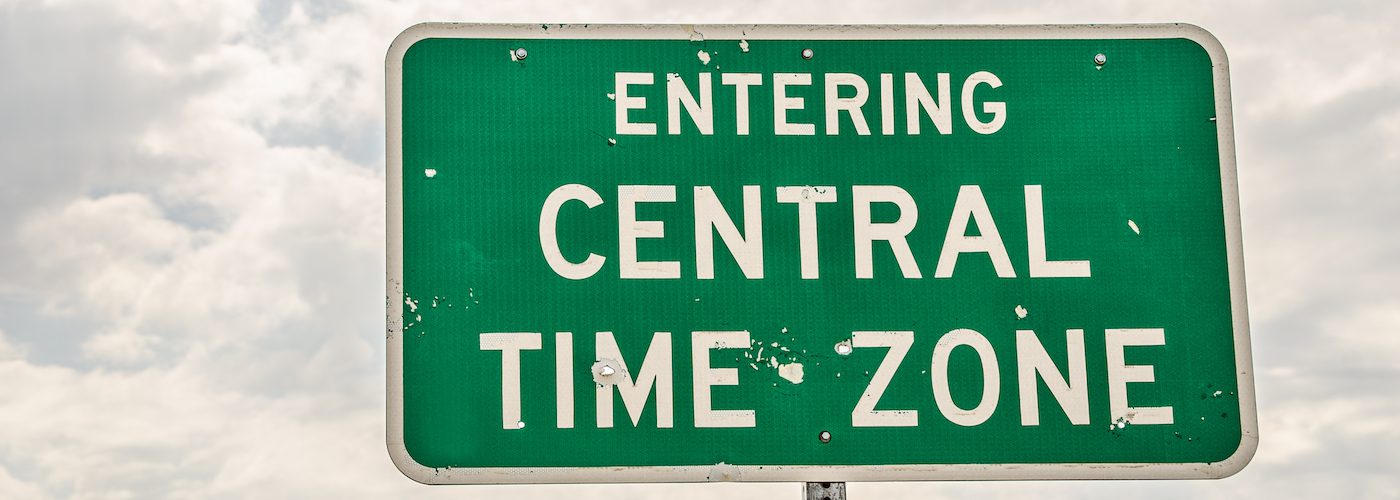
Being aware of the local time zone ensures you’re always in the right place at the right time to fully experience Chicago’s vibrant event calendar.
Beyond the Clock: Why Chicago’s Time Zone Matters for Your Journey
Ultimately, knowing “What Time Zone Is Chicago, IL In Right Now?” is a foundational piece of information that underpins a successful and enjoyable trip to this incredible city. Chicago’s position within the Central Time Zone (observing either CST or CDT) influences every aspect of your visit, from personal well-being to logistical planning and immersive cultural experiences.
By understanding and preparing for the time difference, travelers can minimize the effects of jet lag, meticulously plan their daily itineraries, confirm accommodation details with precision, and fully participate in the city’s bustling lifestyle and exciting events. Whether you’re here for luxury travel, a budget-friendly adventure, a family trip, or a business stay, an awareness of the clock ensures a smoother, more enriching journey. So, set your watch to Central Time, embrace the rhythm of the city, and get ready to explore all that Chicago has to offer. This magnificent destination awaits!
LifeOutOfTheBox is a participant in the Amazon Services LLC Associates Program, an affiliate advertising program designed to provide a means for sites to earn advertising fees by advertising and linking to Amazon.com. Amazon, the Amazon logo, AmazonSupply, and the AmazonSupply logo are trademarks of Amazon.com, Inc. or its affiliates. As an Amazon Associate we earn affiliate commissions from qualifying purchases.