
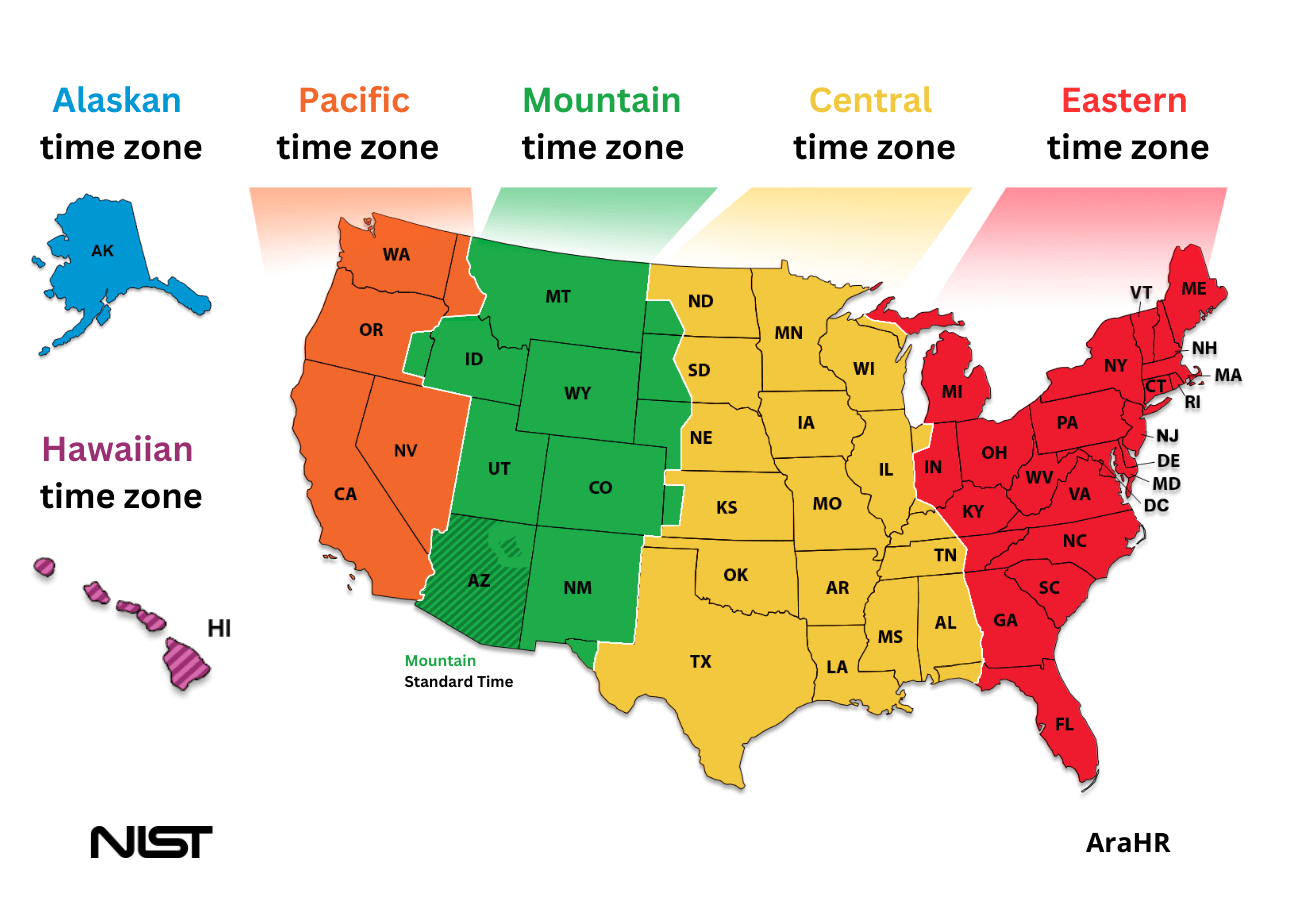
Planning a trip to the Centennial State involves myriad details, from booking flights and hotels to mapping out your adventures across its stunning landscapes. One crucial, yet often overlooked, detail is understanding the local time zone. For those wondering, “Colorado is firmly situated within the Mountain Time Zone (MT).” This seemingly simple fact has significant implications for everything from managing your travel itinerary to coordinating with loved ones and fully immersing yourself in the local Colorado experience. From the bustling streets of Denver to the serene peaks of the Rocky Mountains, every activity in Colorado operates on this synchronized clock, making it essential knowledge for any visitor.
Understanding Colorado’s Time Zone: Mountain Time (MT)
The Mountain Time Zone is an integral part of Colorado’s identity, dictating the rhythm of life for its residents and visitors alike. Understanding its nuances, especially concerning Daylight Saving Time, is paramount for seamless travel.
The Basics: MT and MDT
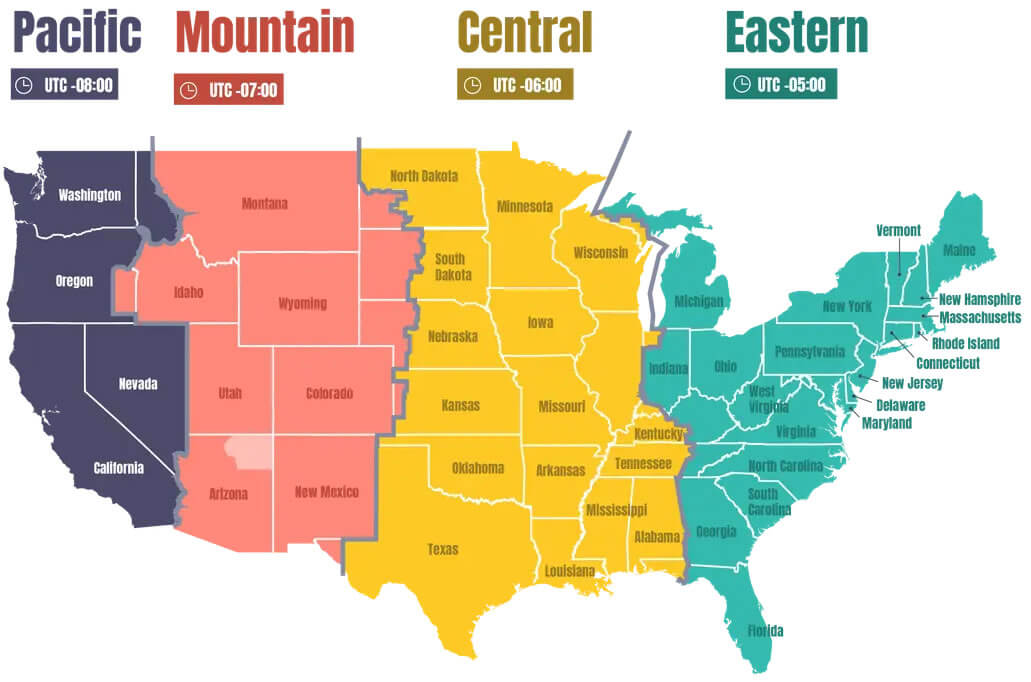
Colorado observes Mountain Standard Time (MST) during the fall and winter months. This means it is seven hours behind Coordinated Universal Time (UTC-7). However, like much of the United States, Colorado shifts to Daylight Saving Time in the spring and summer. During this period, from early March to early November, the state switches to Mountain Daylight Time (MDT), which is six hours behind Coordinated Universal Time (UTC-6). This shift means that clocks are moved forward by one hour, providing an extra hour of daylight in the evenings – a welcome change for those eager to explore Colorado’s numerous outdoor attractions. While some states and regions have opted out of Daylight Saving Time, Colorado continues to observe it, making this an important detail for travelers to remember when planning their visits across different seasons.
Why Time Zones Matter for Travelers
For travelers, a clear understanding of Colorado’s time zone is more than just a trivial detail; it’s a critical component of successful trip planning. Incorrectly accounting for time differences can lead to missed flights, late check-ins, or even showing up to tour departures at the wrong hour. When traveling from the East Coast, you’ll gain two hours upon arrival, which can be disorienting, while coming from the West Coast means losing an hour. These shifts can significantly impact your body clock, particularly during the initial days of your trip. Beyond personal convenience, nearly every aspect of your travel experience, from the operational hours of your chosen accommodation to the scheduling of local tourism activities and guided tours, is meticulously tied to the local time. Knowing whether it’s MST or MDT ensures you arrive punctually for your Rocky Mountain National Park hiking tour or your dinner reservation in Aspen, maximizing your enjoyment and minimizing stress.
Planning Your Colorado Adventure: Time Zone Considerations
Navigating a new destination efficiently requires strategic planning, and Colorado’s Mountain Time Zone plays a pivotal role in optimizing your itinerary. From arrival to departure, every minute counts when you’re seeking to make the most of your travel experience.
Flight Schedules and Airport Logistics
Your journey to Colorado often begins and ends at Denver International Airport (DIA), one of the busiest airports in the United States. All flight schedules, arrival, and departure times are listed in the local time zone of the respective airport. This means a flight departing New York City (Eastern Time Zone) at 10:00 AM EST and arriving in Denver at 12:00 PM MST/MDT has accounted for the two-hour time difference, resulting in a five-hour flight duration. However, it’s crucial for travelers to double-check their own devices and mental calculations. Arriving in Colorado and realizing your phone hasn’t automatically adjusted can cause unnecessary confusion, potentially leading to delays in connecting flights, car rental pickups, or scheduled transfers to your hotel. Always confirm your clock has updated upon landing to ensure a smooth transition from the airport to your chosen destination, whether it’s a luxury resort in Vail or a budget-friendly apartment in Colorado Springs.
Hotel Check-ins, Tours, and Dining Reservations
The clock governs more than just flights; it dictates the operational hours of nearly every aspect of the tourism and hospitality industry. Hotel check-in times, typically in the afternoon, and check-out times, usually around noon, are strictly enforced according to Mountain Time. Booking an apartment or a villa through an accommodation platform requires careful attention to the specified times, especially if coordinating with a host. Similarly, guided tours of iconic landmarks like Rocky Mountain National Park or a visit to Mesa Verde National Park often have strict start times. Arriving late could mean missing your group or forfeiting your reservation. Dining experiences, from bustling Denver restaurants to quaint mountain town eateries, also adhere to this schedule. Making reservations, especially for popular spots, should always be done with the local time in mind to avoid disappointment. These small details, when properly managed, contribute significantly to a stress-free and enjoyable Colorado experience.
Managing Jet Lag and Optimizing Your Itinerary
For many travelers, especially those crossing multiple time zones, jet lag is an unavoidable reality. Adjusting to Colorado’s Mountain Time Zone can take a day or two. To mitigate its effects, experts recommend adjusting your sleep schedule gradually before your trip, staying hydrated, and exposing yourself to natural light upon arrival to help reset your internal clock. Strategically planning your itinerary can also help. On your first day, consider less strenuous activities, such as exploring Denver’s 16th Street Mall or enjoying the amenities at your hotel. Save more energy-intensive experiences, like a demanding hike up Pikes Peak, for when you’ve fully acclimated. By factoring in the time zone shift, you can design a travel plan that allows for proper rest and maximizes your enjoyment of Colorado’s diverse attractions without feeling rushed or exhausted.
Exploring Colorado’s Iconic Destinations by the Clock
Colorado boasts an incredible array of destinations, from vibrant urban centers to serene natural wonders. Understanding the local time is key to enjoying these attractions to their fullest, aligning your schedule with their operational hours and the natural rhythms of daylight.
City Life: Denver, Boulder, and Colorado Springs
Colorado’s major cities pulse with activity, all synchronized to Mountain Time. In Denver, you’ll find Coors Field hosting baseball games in the evenings, Union Station bustling with commuters and diners, and the Denver Art Museum welcoming visitors during daytime hours. Boulder, known for its vibrant Pearl Street Mall and proximity to the Flatirons, schedules its events, from farmers’ markets to university lectures at Folsom Field, according to the local clock. In Colorado Springs, attractions like the Garden of the Gods, the United States Air Force Academy, and the Cheyenne Mountain Zoo all adhere to MST/MDT, with specific opening and closing times that are vital for tourists to note. Whether you’re planning a day of sightseeing, an evening of entertainment, or a food tour, verifying the operating hours against Colorado’s current time zone ensures a smooth and enjoyable urban exploration.
Mountain Escapes: Aspen, Vail, and Rocky Mountain National Park
The allure of Colorado often lies in its majestic mountains and world-class ski resorts. Destinations like Aspen, Vail, Breckenridge, Steamboat Springs, Telluride, Keystone, and Beaver Creek operate on a schedule tailored to mountain activities. Ski resorts open their lifts early in the morning and close in the late afternoon, following the available daylight. During summer, hiking trails and scenic drives in Rocky Mountain National Park are best enjoyed from sunrise to sunset, maximizing the time you have in the cooler parts of the day. For accommodation in these areas, particularly resorts and suites that offer guided activities, understanding the local time is critical for participating in guided hikes, fly-fishing excursions, or evening stargazing events. Even driving times between these mountain towns need to be considered with the time zone in mind, ensuring you reach your next destination safely and on schedule before nightfall, especially on routes like the Million Dollar Highway connecting Durango and Silverton.
Cultural Immersion and Event Timings
Colorado’s rich cultural scene, from local festivals and music concerts to historical site tours, is also precisely timed. Imagine planning to see a concert at Red Rocks Park and Amphitheatre or attending a local food festival in Fort Collins. All event start times will be advertised in Mountain Time, and showing up at the wrong hour due to a time zone miscalculation could mean missing out on a unique experience. Many museums, galleries, and historical landmarks, such as the Royal Gorge Bridge and Park or the cliff dwellings at Mesa Verde National Park, have specific opening and closing hours that align with daylight and local staffing schedules. Furthermore, if you’re engaging in any tourism activities that involve local guides or interaction with Coloradoans, being punctual shows respect and ensures a smooth flow for everyone involved. Embracing the local time zone is a subtle yet significant way to integrate into the local rhythm and truly immerse yourself in the authentic Colorado lifestyle.
Practical Tips for a Seamless Colorado Experience
While understanding Colorado’s Mountain Time Zone is essential, implementing practical strategies can further enhance your travel experience. These tips ensure that time zone changes don’t derail your plans, allowing you to focus on enjoying the state’s natural beauty and vibrant culture.
Digital Devices and Automatic Updates
Modern technology offers a significant advantage in managing time zones. Most smartphones, smartwatches, and laptops are equipped with automatic time zone detection. Upon landing at Denver International Airport or crossing into Colorado from a neighboring state (like Kansas or Nebraska in the Central Time Zone, or Utah and Arizona which are also MT but Arizona doesn’t observe DST), your device should automatically adjust to MST/MDT. However, it’s always wise to perform a quick check. Verify that your phone’s time settings are configured for automatic updates and that the displayed time aligns with local clocks, such as those in your hotel lobby or public spaces. If you rely on a manual watch, remember to reset it immediately upon arrival. Having accurate time across all your devices prevents scheduling errors and ensures you’re always in sync with local operating hours for attractions and activities.
Communication Across Time Zones
When planning a trip to Colorado, you’ll likely be communicating with people in different time zones, whether it’s coordinating with family back home, confirming bookings with hotel staff, or connecting with tour operators. Always specify the time zone when making arrangements or sharing your itinerary. For example, instead of just saying “meet at 3 PM,” clarify “meet at 3 PM MDT.” This simple habit eliminates ambiguity, especially when dealing with travel partners who might be in the Pacific Time Zone or the Eastern Time Zone. If you’re managing a long-term stay or a business trip in Colorado, clear communication about time differences becomes even more critical for maintaining professional and personal connections without missteps. Tools like world clock apps can be invaluable for quickly calculating time differences and ensuring everyone is on the same page.
Long-Term Stays and Daily Rhythms
For those enjoying a long-term stay in Colorado, perhaps renting an apartment in Boulder or a cabin near Glenwood Springs, adjusting to the Mountain Time Zone becomes part of your daily rhythm. The implications extend beyond just tourist activities to daily life: knowing when local shops open and close, scheduling appointments, and participating in community events. If you’re working remotely, understanding the time difference with your team is crucial for productivity. The shift to Daylight Saving Time also impacts daily routines, influencing everything from the timing of outdoor activities like hiking at Hanging Lake to managing children’s sleep schedules on a family trip. Embracing the rhythm of Mountain Time will help you feel more integrated into the Colorado lifestyle, allowing for a truly immersive and comfortable visit, whether you’re exploring the Western Slope, the Eastern Plains, or the vibrant cities like Grand Junction and Pueblo.
The Broader Impact: Time Zones and Travel Lifestyle
The choice of time zone in Colorado, the Mountain Time Zone, has a profound influence on various travel lifestyles, from the fast-paced demands of business travel to the intricate planning of a family vacation. Understanding these implications allows travelers to tailor their approach to time management, ensuring a more fulfilling and efficient journey.
Business Travelers: Maximizing Productivity
For business travelers visiting Denver or Colorado Springs, the Mountain Time Zone presents unique challenges and opportunities. Those flying in from the East Coast will experience a two-hour time gain, which can initially aid in early morning productivity but might lead to an earlier feeling of fatigue. Conversely, travelers from the Pacific Time Zone will lose an hour, potentially making early meetings feel even earlier. Coordinating calls and virtual meetings with colleagues in other time zones requires meticulous planning. Many hotels catering to business travelers offer 24-hour amenities like fitness centers and business centers, allowing for flexibility around jet lag. However, scheduling in-person meetings, client presentations, or conference attendance adheres strictly to local Mountain Time. Savvy business travelers leverage tools like time zone converters and strategic flight timings to minimize disruption and maximize their effectiveness during their Colorado business stays.
Family Trips: Keeping Everyone on Schedule
Family trips to Colorado, whether for skiing in Breckenridge or exploring Great Sand Dunes National Park and Preserve, demand precise time management, especially with young children. Kids often struggle more with time zone changes, making managing their sleep and meal schedules crucial for a harmonious vacation. Parents should anticipate a few days of adjustment for children. Planning activities that align with natural daylight hours – such as morning visits to the Cheyenne Mountain Zoo or afternoon explorations of Garden of the Gods – can help. Many family-friendly resorts and accommodations in Colorado offer amenities and programs designed with children’s schedules in mind. Booking family suites or apartments provides space and flexibility for downtime and meal prep. By consciously integrating the Mountain Time Zone into their daily planning, families can minimize meltdowns and maximize the joy of their shared Colorado adventure.
Budget vs. Luxury: Different Approaches to Time Management
Whether planning a budget-friendly trip or a luxury escape, time zone awareness plays a role. Budget travelers often prioritize efficiency, aiming to pack as much sightseeing and experience into their daylight hours as possible to get the best value. This might involve early starts for cheaper attractions or free outdoor activities like hiking. Time zone management for them is about optimizing every minute to stretch their limited resources. Luxury travelers, on the other hand, might prioritize comfort and seamless transitions. They may choose flights with optimal arrival times, book hotels with premium amenities and concierge services that handle all scheduling, or opt for private transportation to minimize time zone-related stress. High-end resorts in places like Aspen or Telluride offer personalized itineraries that account for adjustment periods. Regardless of the lifestyle choice, the Mountain Time Zone remains a consistent factor influencing scheduling and logistical considerations throughout a Colorado vacation, from the bustling capital of Denver to the remote beauty of Southwest Colorado near the Four Corners Monument.
In conclusion, Colorado proudly operates within the Mountain Time Zone, observing Daylight Saving Time by shifting to Mountain Daylight Time during warmer months. This seemingly minor detail is, in fact, a cornerstone of planning a successful trip to the state. From managing flight schedules and hotel bookings to optimizing your itinerary for attractions and mitigating jet lag, a firm grasp of Colorado’s time zone ensures a smoother, more enjoyable, and fully immersive travel experience. By being mindful of the clock, you can truly unlock all the wonders the Centennial State has to offer, making every moment count.