
When planning a trip to any destination, one of the fundamental pieces of information that can significantly impact your itinerary, travel arrangements, and overall experience is understanding its local time zone. For those considering a visit to the vibrant Motor City, the question “What time zone is Detroit, MI in?” is a crucial starting point.
The answer is straightforward: Detroit, Michigan, like most of the state of Michigan, operates within the Eastern Time Zone (ET). This means that during standard time, it observes Eastern Standard Time (EST), which is five hours behind Coordinated Universal Time (UTC-5). When Daylight Saving Time (DST) is in effect, Detroit switches to Eastern Daylight Time (EDT), placing it four hours behind Coordinated Universal Time (UTC-4).

Understanding this distinction is paramount for travelers. Whether you’re booking flights, scheduling business meetings, reserving tables at Detroit’s burgeoning restaurants, or planning to visit its myriad attractions, having a clear grasp of the local time ensures a seamless and stress-free journey. From managing potential jet lag to coordinating with locals or those in different time zones, knowing Detroit’s time zone is the first step toward a well-organized and enjoyable trip. This guide will delve deeper into the specifics of Detroit’s time zone, its implications for travel, and how to make the most of your visit to this historic and revitalized urban center.
Understanding Detroit’s Time Zone: Eastern Standard Time (EST) and Eastern Daylight Time (EDT)
The rhythm of any city, particularly for a traveler, is dictated by its clock. In Detroit, that rhythm beats to the cadence of the Eastern Time Zone. Delving into the nuances of EST and EDT provides a clearer picture of what to expect when you arrive.
The Basics of Eastern Time
The Eastern Time Zone is one of the most populous time zones in the United States and eastern Canada. It covers a vast area, from the Atlantic coast inland, and plays a significant role in national and international commerce and travel.
- Eastern Standard Time (EST): This is the baseline time for the region, observed during the colder months. It is defined as UTC-5, meaning it is five hours behind Coordinated Universal Time. For example, when it’s noon UTC, it’s 7 AM in Detroit under EST.
- Eastern Daylight Time (EDT): From spring through fall, Detroit switches to EDT as part of Daylight Saving Time. During this period, clocks are moved forward by one hour, making Detroit UTC-4. This shift typically occurs on the second Sunday in March, when clocks “spring forward,” and reverts on the first Sunday in November, when they “fall back.” The purpose of DST is to make better use of daylight, providing an extra hour of evening light. This can be particularly beneficial for tourism, allowing visitors more time to explore attractions and enjoy outdoor activities.
For travelers, recognizing this biannual change is vital. A flight booked in November might observe EST, while a June reservation would be in EDT. Missing this detail could lead to confusion regarding departure times, scheduled tours, or even hotel check-in windows. All local businesses, attractions, and public services in Detroit adhere to these changes, so staying informed is key to seamless travel planning.
Geographical Context: Why Eastern Time?
The allocation of time zones across the United States is based on geographical longitude, with lines generally drawn to encompass entire states or significant metropolitan areas for practical purposes. Michigan predominantly lies within the longitudinal boundaries that place it in the Eastern Time Zone.
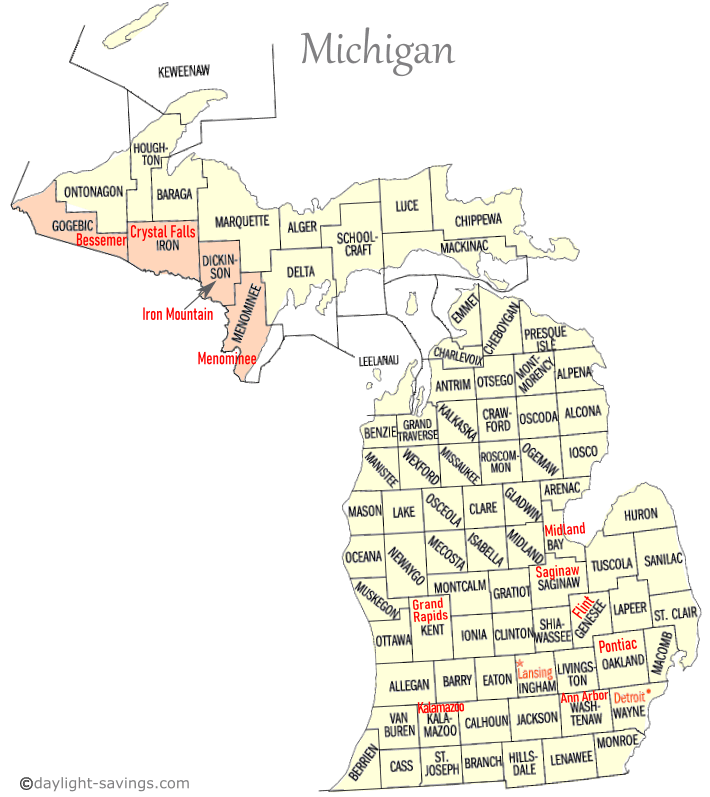
While the vast majority of Michigan observes ET, it’s worth noting a small, interesting exception: four counties in Michigan’s Upper Peninsula (Gogebic, Iron, Dickinson, and Menominee) observe Central Time (CT). This is primarily due to their proximity and economic ties to the state of Wisconsin, which is in the Central Time Zone. However, for anyone traveling to or planning activities in Detroit itself, this exception is irrelevant, as Detroit is firmly situated in the eastern part of the state and operates unequivocally on Eastern Time.
Detroit’s position also aligns it with major neighboring areas. The state of Ohio and most of Indiana (with a few exceptions) also observe Eastern Time, as does the Canadian province of Ontario, directly across the Detroit River in Windsor. This consistency simplifies travel and communication for those crossing borders or visiting nearby regions, fostering a cohesive economic and social environment for the greater Great Lakes area.
Traveling to Detroit: Navigating Time Zone Differences
The beauty of travel lies in experiencing new places, but logistical challenges, such as time zone changes, can sometimes create hurdles. For those journeying to Detroit, understanding and preparing for the Eastern Time Zone is essential for a smooth itinerary.
Planning Your Arrival and Departure
Efficient travel planning hinges on meticulous attention to detail, and time zones are a significant detail. When flying into Detroit Metropolitan Wayne County Airport (DTW), which is a major hub, all flight times—departure, connection, and arrival—will be listed in the local time of each specific airport. It’s crucial to confirm whether these times are EST or EDT depending on the season. This vigilance extends to:
- Flight Schedules: Double-check your arrival time in Detroit against your original departure time zone. A three-hour flight from the West Coast will typically result in a five-hour time jump (or four during DST), meaning you’ll arrive much later on the clock than your flight duration suggests.
- Accommodation Check-in/Check-out: Hotels, resorts, apartments, and villas often have strict check-in and check-out times. Confirm these times in Detroit’s local time to avoid late fees or waiting in the lobby. Planning your arrival to coincide with check-in can make for a more comfortable start to your stay.
- Booked Activities and Tours: Many popular Detroit attractions, such as the Henry Ford Museum or the Motown Museum, offer timed entry or scheduled tours. Convert these times to your home time zone if necessary, but always operate on Detroit’s local time once you’re on the ground.
- Business Meetings: For business travelers, punctuality is paramount. Ensure all meetings, conferences, and appointments are confirmed in Detroit’s time, especially if coordinating with participants in other time zones. Clearly stating “10 AM EDT” can prevent misunderstandings.
By paying close attention to these details, you can seamlessly integrate into Detroit’s schedule from the moment you land.
Combatting Jet Lag and Maximizing Your Visit
Time zone shifts, especially significant ones, can lead to jet lag, a common travel companion that can dampen even the most exciting trip. Adapting quickly to Detroit’s Eastern Time Zone will help you maximize your enjoyment of the city’s rich offerings.
Here are a few tips to minimize the impact of jet lag:
- Adjust Before You Go: If possible, start adjusting your sleep schedule a few days before your trip. For westward travelers, this means going to bed and waking up earlier. For eastward travelers, slightly later.
- Hydrate and Avoid Alcohol: Staying well-hydrated throughout your flight and upon arrival is crucial. Alcohol and excessive caffeine can disrupt sleep patterns and worsen jet lag symptoms.
- Embrace Local Time Immediately: As soon as you board your flight, or certainly upon arrival, set your watch to Detroit time. Try to eat and sleep according to the local schedule.
- Seek Sunlight: Natural light is a powerful regulator of your body’s circadian rhythm. Spend time outdoors in the daylight upon arrival, especially in the morning, to help your body reset.
- Stay Active (But Don’t Overdo It): Moderate physical activity can help you feel more alert and sleep better at night. Explore Detroit’s attractions by walking, which also helps with light exposure.
- Plan Your First Day Wisely: Avoid scheduling critical meetings or strenuous activities immediately upon arrival. Allow yourself some flexibility to settle in and gently adjust.
By proactively managing jet lag, you can ensure that your energy levels are high, allowing you to fully immerse yourself in Detroit’s unique culture, history, and vibrant contemporary scene.
Detroit Beyond the Clock: What to Explore in the Motor City
While understanding the time zone is crucial for logistics, the true joy of visiting Detroit lies in its diverse offerings. As a city undergoing a remarkable revitalization, Detroit presents a compelling blend of historical significance, innovative attractions, and a dynamic lifestyle.
Iconic Landmarks and Attractions
Detroit’s landscape is dotted with world-class museums, architectural marvels, and green spaces, all operating on Eastern Time. Make sure to factor in their operating hours when planning your day.
- Henry Ford Museum and Greenfield Village: A must-visit for anyone interested in American innovation and history. Located just outside Detroit in Dearborn, this sprawling complex offers an unparalleled collection of artifacts, from historic automobiles and civil rights buses to presidential limousines. Greenfield Village offers a living history experience with historic buildings and demonstrations.
- Motown Museum: Step into Hitsville U.S.A., the legendary house where Berry Gordy launched the careers of musical icons like The Supremes, Stevie Wonder, and Marvin Gaye. This museum is a pilgrimage site for music lovers, offering a nostalgic journey through the birth of a global phenomenon.
- Detroit Institute of Arts (DIA): Home to one of the largest and most significant art collections in the United States, the DIA boasts everything from ancient to contemporary works, including Diego Rivera’s monumental “Detroit Industry Murals.”
- Detroit RiverWalk: Offering stunning views of the Detroit River and the Windsor, Ontario skyline, this award-winning urban pathway is perfect for a stroll, bike ride, or simply enjoying the outdoors. It connects many of the city’s attractions and parks.
- Campus Martius Park: A vibrant public space in the heart of Downtown Detroit, this park serves as a community hub, hosting events, concerts, and even an ice rink in winter. It’s a great spot to relax and soak in the city’s energy.
- GM Renaissance Center (RenCen): This iconic cluster of seven interconnected skyscrapers is a symbol of Detroit’s resurgence. Housing offices, shops, restaurants, and the Detroit Marriott at the Renaissance Center, it offers panoramic views from its upper floors.
Remember to check the specific operating hours for each attraction, as they can vary by season and day of the week, always stated in Detroit’s local time (ET).
Accommodation and Lifestyle in Detroit
Detroit’s revival has also brought a diverse range of accommodation options and a flourishing lifestyle scene, catering to all types of travelers, whether for luxury travel, budget travel, family trips, or business stays.
- Hotels and Accommodation: From boutique hotels in historic buildings in Corktown to sleek high-rises in Downtown Detroit and trendy spots in Midtown, Detroit offers a wide array of choices. You can find luxury suites, family-friendly resorts, or comfortable apartments for extended stays. Websites offering booking, reviews, and comparison tools are excellent resources for finding the perfect fit for your needs and budget. Whether you’re seeking amenities like fitness centers, pools, or pet-friendly options, Detroit’s hospitality sector has expanded to meet growing demand.
- Culinary Scene: Detroit’s food scene is an exciting blend of classic American fare, diverse ethnic cuisine, and innovative farm-to-table restaurants. Explore areas like Mexicantown for authentic flavors, Corktown for trendy eateries and breweries, or Midtown for upscale dining experiences. The local culture is deeply intertwined with its food, offering a delicious way to experience the city.
- Arts and Entertainment: Beyond its museums, Detroit is a hub for live music, theater, and sports. Catch a game with the Detroit Tigers, Red Wings, or Pistons at their state-of-the-art venues. Explore the burgeoning gallery scene or enjoy a performance at the historic Fox Theatre.
- Shopping and Nightlife: From independent boutiques to major retailers, Detroit offers a varied shopping experience. As night falls, the city comes alive with vibrant bars, clubs, and lounges, particularly in areas like Downtown and Midtown.
Integrating into the local lifestyle, even for a short trip, means appreciating these facets of Detroit life. All activities, whether a reservation at a top restaurant or tickets to a concert, will be scheduled in Detroit’s local time, making your initial understanding of the Eastern Time Zone a recurring, valuable asset.
Planning Your Detroit Trip: Essential Travel Tips
A successful trip to Detroit, like any major destination, benefits from thoughtful planning beyond just knowing the time zone. Considering when to visit and how to navigate the city will significantly enhance your travel experience.
Best Time to Visit and Local Events
Detroit’s climate experiences distinct seasons, each offering a different flavor of the city.
- Spring (April-May): Mild temperatures and blossoming flora make spring a pleasant time for outdoor exploration. This season often kicks off the festival circuit.
- Summer (June-August): Warm to hot temperatures are ideal for enjoying the Detroit RiverWalk, outdoor dining, and numerous festivals. This is peak tourist season, so expect higher prices for hotels and flights.
- Movement Electronic Music Festival: Held annually over Memorial Day weekend, this festival attracts electronic music enthusiasts from around the globe.
- Detroit Jazz Festival: A free festival held over Labor Day weekend, celebrating Detroit’s rich jazz heritage.
- Fall (September-October): Cooler temperatures and beautiful fall foliage make this an attractive time to visit. The crowds thin out, and hotel rates may be more favorable.
- Winter (November-March): Cold temperatures and snow define Detroit winters. While outdoor activities might be limited, indoor attractions like museums and theaters are in full swing. Campus Martius Park transforms into an ice-skating rink, offering a charming winter experience.
- North American International Auto Show: Historically a major event in January, though its timing has shifted in recent years, drawing automotive enthusiasts.
When planning your visit, consider checking the local event calendar. Major events can significantly impact accommodation availability and prices, so booking hotels well in advance is advisable if your trip coincides with a popular festival or convention. Remember, all event times will be advertised in Detroit’s local time.
Transportation and Connectivity
Getting to and around Detroit is relatively straightforward, with several options for travelers.
- Air Travel: Detroit Metropolitan Wayne County Airport (DTW) is a major international airport serving the region, with direct flights from numerous domestic and international destinations. Upon arrival, travelers can access taxis, ride-sharing services, and rental cars.
- Public Transportation: Within Downtown Detroit and Midtown, the city offers efficient public transit options:
- Detroit People Mover: An elevated automated rail system that circles Downtown Detroit, connecting major attractions, hotels, and business centers.
- QLine: A streetcar system that runs along Woodward Avenue, connecting Downtown with Midtown and the New Center area, home to many of Detroit’s cultural institutions.
- Ride-Sharing and Taxis: Services like Uber and Lyft are readily available throughout the city, as are traditional taxi services.
- Car Rental: While public transit is suitable for exploring the core city areas, renting a car offers the most flexibility for venturing to attractions outside the city center, such as the Henry Ford Museum in Dearborn or exploring the broader Metro Detroit area.
Understanding the time zone in advance allows you to confidently schedule your flights, ground transportation, and any pre-booked activities, ensuring that your arrival and subsequent exploration of Detroit are as smooth and enjoyable as possible.

Conclusion
In summary, Detroit, Michigan, is firmly set within the Eastern Time Zone (ET), observing Eastern Standard Time (UTC-5) during standard months and Eastern Daylight Time (UTC-4) when Daylight Saving Time is in effect. This crucial piece of information underpins nearly every aspect of travel planning, from booking flights and coordinating accommodations to scheduling visits to Detroit’s many iconic landmarks and engaging in its vibrant local culture.
By understanding Detroit’s time zone, travelers can avoid common pitfalls such as missed connections or delayed appointments, effectively manage jet lag, and ultimately maximize their time exploring the dynamic Motor City. From the historical significance of the Motown Museum and the innovative spirit celebrated at the Henry Ford Museum to the lively atmosphere of Campus Martius Park and the diverse culinary scene, Detroit offers an unforgettable experience. Armed with this knowledge and a few practical travel tips, you are now better prepared to embark on a seamless and enriching journey to Detroit, where history, innovation, and urban revitalization converge to create a truly unique destination. So, set your watch, plan your adventure, and prepare to explore all that Detroit has to offer.
LifeOutOfTheBox is a participant in the Amazon Services LLC Associates Program, an affiliate advertising program designed to provide a means for sites to earn advertising fees by advertising and linking to Amazon.com. Amazon, the Amazon logo, AmazonSupply, and the AmazonSupply logo are trademarks of Amazon.com, Inc. or its affiliates. As an Amazon Associate we earn affiliate commissions from qualifying purchases.