
For many prospective travelers, dreaming of a Hawaiian escape involves visions of sun-drenched beaches, lush rainforests, and vibrant local culture. Yet, before you pack your bags and prepare for an unforgettable journey, one crucial detail often prompts a pause: “What time zone is Hawaii?” Understanding the unique time zone of the Aloha State is not merely a matter of trivia; it’s a fundamental aspect of planning, adjusting, and ultimately, fully immersing yourself in the rhythm of island life.
Hawaii operates on Hawaii Standard Time (HST), a fixed time zone that plays a significant role in how visitors experience their trip, from battling jet lag to coordinating activities with friends and family back home. This article delves deep into the specifics of Hawaii’s time zone, offering essential tips for travelers, exploring the myriad attractions that make the journey worthwhile, and ultimately guiding you on how to best embrace the unhurried pace of island living.
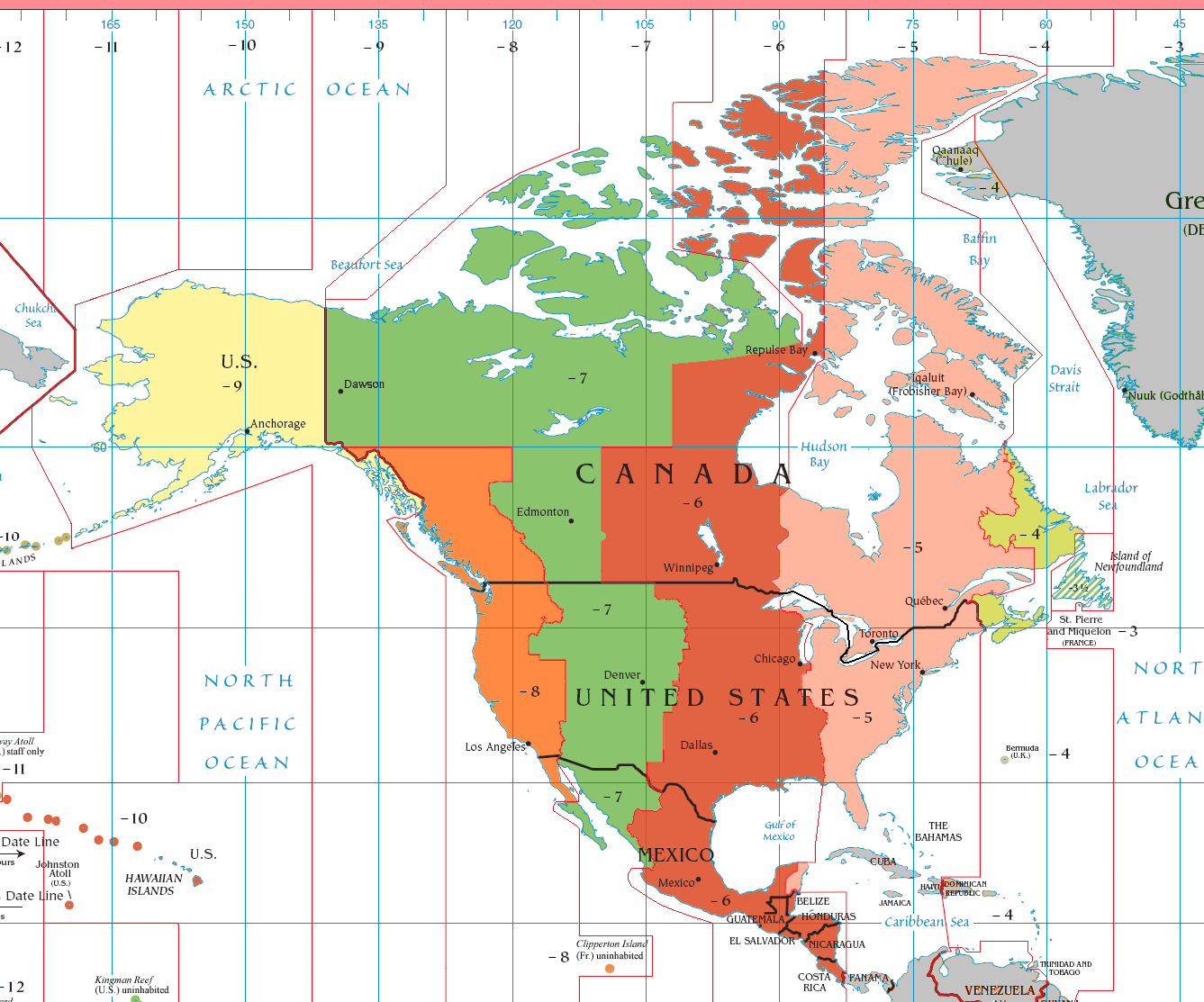
Understanding Hawaii Standard Time (HST)
The concept of time zones can often be complex, with various regions observing Daylight Saving Time and shifting their clocks biannually. However, Hawaii stands apart in its consistent approach to time, offering a predictable schedule year-round.
The Specifics of HST
Hawaii Standard Time (HST) is permanently offset from Coordinated Universal Time by ten hours, meaning it is UTC-10. This designation is consistent throughout the year, as Hawaii does not observe Daylight Saving Time. This makes it one of only two U.S. states, along with Arizona (which observes Mountain Standard Time year-round in most areas), to eschew the practice.
For travelers coming from the Continental US, this translates into a significant time difference that varies depending on the season. During the summer months, when most of the Continental US is observing Daylight Saving Time, the time difference from Hawaii is:
- Pacific Daylight Time (PDT) / Pacific Time: Hawaii is 3 hours behind. For example, if it’s 3 PM PDT in Los Angeles, it’s 12 PM HST in Honolulu.
- Mountain Daylight Time (MDT) / Mountain Time: Hawaii is 4 hours behind.
- Central Daylight Time (CDT) / Central Time: Hawaii is 5 hours behind.
- Eastern Daylight Time (EDT) / Eastern Time: Hawaii is 6 hours behind.
When the Continental US reverts to Standard Time in the autumn, the time difference widens by an hour:
- Pacific Standard Time (PST): Hawaii is 2 hours behind.
- Mountain Standard Time (MST): Hawaii is 3 hours behind.
- Central Standard Time (CST): Hawaii is 4 hours behind.
- Eastern Standard Time (EST): Hawaii is 5 hours behind.
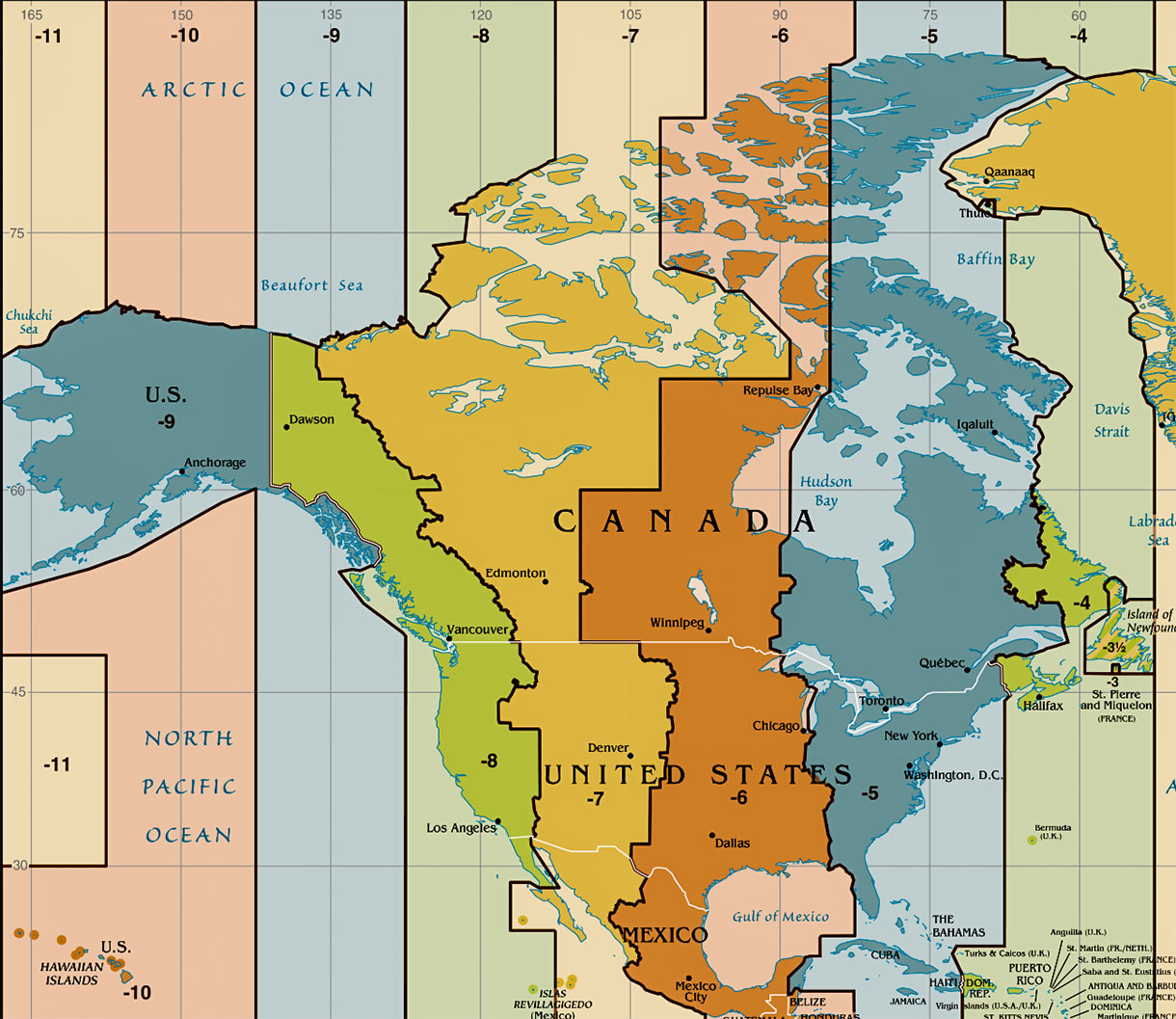
This constant difference means that regardless of the season, a call placed from the East Coast at 9 AM will reach Hawaii at either 3 AM or 4 AM HST, depending on the time of year. This consistent time offset stems from Hawaii’s geographical position far to the west in the Pacific Ocean and a local preference for maintaining a consistent daylight schedule.
Why the Lack of Daylight Saving Time Matters
The decision not to observe Daylight Saving Time in Hawaii significantly impacts daily life and travel planning. For residents, it simplifies scheduling and avoids the biannual disruption to sleep patterns and routines. There’s no “spring forward” or “fall back,” ensuring a consistent rhythm to work, school, and leisure activities throughout the year.
For visitors, this consistency means one less variable to consider. While the initial adjustment to the time difference can be challenging, once you adapt to HST, you won’t have to worry about an additional time shift mid-vacation. This predictability helps in planning excursions, booking restaurant reservations, and coordinating with tour operators who also adhere to the consistent HST schedule. It fosters a sense of stability and allows visitors to truly settle into the relaxed “island time” mentality without the added mental arithmetic of a shifting clock.

Navigating the Time Difference: Tips for Travelers
The allure of Hawaii is undeniable, but crossing multiple time zones can bring about the dreaded jet lag. Thoughtful preparation and strategic planning can significantly mitigate its effects, ensuring your Hawaiian adventure starts on the right foot.
Battling Jet Lag for a Smooth Start
Jet lag is a physiological condition resulting from disruptions to the body’s circadian rhythm, or internal clock, caused by rapid travel across time zones. Symptoms can include fatigue, insomnia, irritability, and digestive issues. While it’s an inevitable consequence of long-distance travel, especially from the East Coast or Midwest to Hawaii, there are several effective strategies to minimize its impact:
- Pre-Trip Adjustments: A few days before your departure, try to gradually shift your sleep schedule closer to Hawaii Standard Time. If traveling westward, go to bed an hour or two later than usual each night and wake up later. Even small adjustments can make a big difference.
- In-Flight Strategies: Hydration is key. Drink plenty of water and avoid excessive alcohol or caffeine, which can dehydrate you and disrupt sleep. Adjust your watch to HST as soon as you board the plane to mentally prepare for the new time. Try to sleep on the plane if it aligns with the local Hawaiian night.
- Arrival Tactics: Upon arrival in Hawaii, resist the urge to nap, even if you feel exhausted. Force yourself to stay awake until local bedtime. Exposure to natural sunlight is a powerful tool for resetting your internal clock, so spend time outdoors during the day. Engage in light exercise, like a walk on the beach, to boost energy levels and promote better sleep later.
- Prioritize Rest: Give yourself permission to have a less packed schedule on your first full day. Listen to your body and allow for extra rest if needed. Most people find they adjust to the time difference within 2-3 days.
Planning Your Hawaii Itinerary Around Time Zones
Beyond personal adjustment, the time difference also impacts the practicalities of your trip, from booking to communication.
- Flights and Accommodation: When booking flights, consider arrival times. An early afternoon arrival in Hawaii might feel like late evening to your body, making it easier to stay awake until true local bedtime. Check your hotel or vacation rental check-in times in advance and plan accordingly. Many resorts offer early check-in options or luggage storage if your room isn’t ready.
- Scheduling Activities: Early morning tours, like sunrise viewings at Haleakala National Park on Maui, might feel incredibly early if you’re still adjusting. Conversely, sunset activities or evening luaus might feel more natural. Plan your most strenuous activities for after you’ve fully adjusted. Take advantage of your early wake-up from jet lag to catch the beautiful Hawaiian sunrises or enjoy quiet beaches before the crowds.
- Communication with Home: Keep the time difference in mind when contacting family or colleagues back on the mainland. What might be a convenient evening call for you in Hawaii could be the middle of the night for them.
- Business Travelers: For those on a business trip to Hawaii, managing the time difference for remote meetings and deadlines is even more critical. Schedule important calls during your peak alertness hours, which might be later in the day for mainland colleagues. Ensure your hotel offers reliable Wi-Fi and amenities suitable for remote work.
Hawaii’s Allure Beyond the Clock
While the time zone may require some initial adjustment, the sheer beauty and unique experiences Hawaii offers far outweigh any temporary inconvenience. The islands are a treasure trove of diverse landscapes, rich history, and captivating cultural traditions, promising an unforgettable getaway for every type of traveler.
Destinations and Attractions Worth the Time Adjustment
Each of Hawaii’s main islands presents its own distinct personality and a wealth of attractions.
- Oahu: The Gathering Place
Home to the bustling capital city of Honolulu, Oahu is a vibrant mix of urban sophistication and natural wonders. Visitors flock to the iconic Waikiki Beach for surfing lessons and vibrant nightlife. History comes alive at Pearl Harbor and the somber USS Arizona Memorial. For panoramic views, hike up to the crater of Diamond Head. On the legendary North Shore, witness professional surfers conquer massive waves in winter, or enjoy calm waters for snorkeling in summer. - Maui: The Valley Isle
Renowned for its stunning beaches and dramatic scenery, Maui offers a blend of adventure and relaxation. Drive the winding Road to Hana, a picturesque journey through lush rainforests, waterfalls, and scenic overlooks. Catch an unforgettable sunrise or sunset above the clouds at Haleakala National Park. The golden sands of Ka’anapali Beach and Wailea beckon with their pristine waters and luxurious resorts. - Kauai: The Garden Isle
Kauai lives up to its name with its verdant landscapes and untouched wilderness. Explore the breathtaking Na Pali Coast by boat, helicopter, or a challenging hiking trail. Marvel at the “Grand Canyon of the Pacific,” Waimea Canyon, with its impressive scale and vibrant colors. The island is a paradise for outdoor activities, from kayaking down rivers to exploring hidden beaches. - Big Island (Hawaii Island): The Orchid Isle
The youngest and largest of the islands, the Big Island is home to Hawaii Volcanoes National Park, where visitors can witness active volcanoes and dramatic lava landscapes. The island boasts incredibly diverse ecosystems, from black sand beaches near Hilo to the coffee farms of Kona. Its size allows for unique experiences, including stargazing atop Mauna Kea and swimming with manta rays.
These destinations, each with their unique charm, collectively offer a profound connection to nature and a deep dive into Hawaiian culture. The initial few days of time zone adjustment fade quickly when faced with such unparalleled beauty and adventure.
Accommodation Options for Every Lifestyle
Hawaii’s accommodation landscape is as varied as its geography, catering to every lifestyle and budget. From ultra-luxury resorts to cozy vacation rentals, finding the perfect place to rest your head is an integral part of your travel experience.
- Luxury and Indulgence: For those seeking the pinnacle of comfort and service, Hawaii is home to world-renowned luxury resorts. On Maui, the Four Seasons Resort Maui at Wailea and The Ritz-Carlton, Kapalua offer exquisite amenities, oceanfront views, and impeccable service. On Kauai, the Grand Hyatt Kauai Resort & Spa provides an idyllic setting with stunning pools and a serene atmosphere. These resorts often feature award-winning spas, gourmet dining options, and exclusive access to activities.
- Mid-Range and Boutique Hotels: Travelers looking for a balance of comfort and value will find numerous mid-range hotels and charming boutique hotels across the islands. These options often provide a more intimate experience, with personalized service and unique character, allowing visitors to connect more closely with the local environment.
- Budget-Friendly Options and Long-Term Stays: For budget travelers or those planning a long-term stay, hostels, guesthouses, and a wide array of vacation rentals (apartments, condos, homes) are available. These can offer amenities like kitchens, which can help save on food costs and provide a more home-like experience, especially for families.
- Family and Business Trips: Many resorts are specifically designed for family trips, offering kids’ clubs, extensive pool areas, and family-friendly activities. For business travelers, especially in Honolulu, there are numerous hotels equipped with conference facilities, business centers, and reliable connectivity.
Regardless of your choice, it is always advisable to book your accommodation well in advance, particularly during peak travel seasons, to secure the best rates and availability.
Embracing the Aloha Spirit in Every Moment
Beyond the practicalities of time zones and bookings, a trip to Hawaii is an invitation to embrace a different pace of life—one guided by the enduring Aloha Spirit. This philosophy, deeply ingrained in the Hawaiian culture, encourages love, compassion, and living in harmony with the land and one another.
The Cultural Rhythms of Hawaii
The unique time zone of Hawaii contributes to its distinct rhythm, often referred to as “island time.” This is a slower, more relaxed approach to life where punctuality might be a suggestion rather than a strict rule, and moments are savored rather than rushed.
- Local Culture and Traditions: Immerse yourself in the rich Hawaiian culture by attending a traditional luau to experience music, hula dancing, and a feast of Hawaiian food. Learn about the history of surfing, the ancient sport of Hawaiian royalty. Visit historic sites and museums to understand the islands’ heritage and the values of the Hawaiian people.
- Hawaiian Food: Hawaii’s culinary scene is a fusion of diverse influences. Indulge in fresh poke bowls, savor the smoky flavors of kalua pig cooked in an imu, and enjoy the abundance of tropical fruits and fresh seafood. Exploring the local flavors is an essential part of the Hawaiian experience.
- The Pace of Life: The “island time” philosophy is perhaps the most profound cultural adjustment for many visitors. It’s an encouragement to slow down, breathe, and appreciate the present moment. This relaxed pace is not about inefficiency but about prioritizing well-being and connection.
Making the Most of Your Hawaiian Experience
To truly unlock the magic of Hawaii, it’s important to allow yourself to surrender to its rhythms, both temporal and cultural.
- Disconnect from the Clock: Once you’ve navigated the initial jet lag, try to let go of your rigid mainland schedule. Wake with the sun, enjoy unhurried breakfasts, and let your day unfold naturally. The beauty of Hawaii is best experienced without the constant pressure of a ticking clock.
- Engage in Outdoor Activities: Hawaii’s natural beauty is its greatest asset. Spend your days snorkeling in crystal-clear waters, hiking through volcanic landscapes, or learning to surf. These activities naturally align you with the sun’s cycle and the island’s energy.
- Explore Lesser-Known Gems: While iconic landmarks are a must-see, venture off the beaten path to discover hidden beaches, local eateries, and community events. These experiences often provide the most authentic glimpse into Hawaiian life.
- Enjoy Sunrises and Sunsets: The dramatic sunrises and sunsets in Hawaii are legendary. These daily natural spectacles serve as beautiful reminders to pause and appreciate the moment, creating memories that transcend any initial time zone discomfort.
In conclusion, understanding “What time zone is Hawaii?” is more than just knowing it’s UTC-10 and doesn’t observe Daylight Saving Time. It’s about recognizing that this difference is an integral part of the Hawaiian experience. While the initial adjustment to Hawaii Standard Time might present a minor challenge, it quickly fades into insignificance compared to the profound beauty, cultural richness, and tranquil pace that await you. Embrace the journey, prepare thoughtfully, and allow the Aloha Spirit to guide you to an unforgettable adventure in the heart of the Pacific.
LifeOutOfTheBox is a participant in the Amazon Services LLC Associates Program, an affiliate advertising program designed to provide a means for sites to earn advertising fees by advertising and linking to Amazon.com. Amazon, the Amazon logo, AmazonSupply, and the AmazonSupply logo are trademarks of Amazon.com, Inc. or its affiliates. As an Amazon Associate we earn affiliate commissions from qualifying purchases.