
Planning a trip to a new city involves a myriad of details, from booking flights and securing accommodation to mapping out attractions and dining experiences. Amongst these crucial considerations, understanding the local time zone often sits high on the list for any diligent traveler or business professional. For those setting their sights on the vibrant metropolis of Houston, Texas, a clear answer to “What time zone is Houston?” is the first step towards a well-organized and enjoyable visit.
This bustling Texas city, known for its space exploration heritage, diverse culture, and booming economy, operates within the Central Time Zone. Delving into what this means for visitors, how it impacts everything from flight schedules to dinner reservations, and how to seamlessly adjust, is essential for a truly rewarding Houston experience.

Understanding Houston’s Time Zone: Central Time (CT)
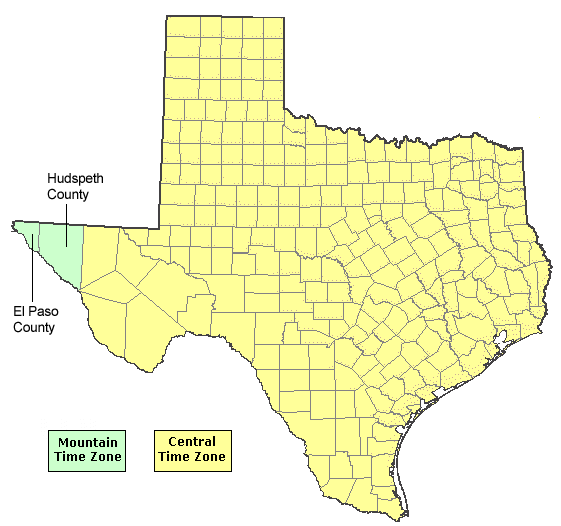
Houston, along with the majority of Texas, adheres to the Central Time Zone (CT). This time zone is observed across a significant portion of the central United States, stretching from the Gulf Coast to the Great Lakes.
Central Standard Time (CST) and Central Daylight Time (CDT)
Like many regions in the United States and around the globe, Houston observes Daylight Saving Time. This means the actual time designation for Houston fluctuates throughout the year:
- Central Standard Time (CST): During the colder months, typically from early November to mid-March, Houston operates on Central Standard Time. This is UTC-6 (or GMT-6), meaning it is six hours behind Coordinated Universal Time (UTC) or Greenwich Mean Time.
- Central Daylight Time (CDT): When Daylight Saving Time is in effect, usually from mid-March to early November, clocks in Houston spring forward by one hour. This shifts the city to Central Daylight Time, which is UTC-5 (or GMT-5).
It’s crucial for travelers to be aware of this seasonal adjustment, especially if their visit spans the transition dates, to avoid any confusion with schedules and reservations. Most modern digital devices automatically update to the correct local time, but it’s always wise to double-check.
Houston’s Place on the US Time Zone Map
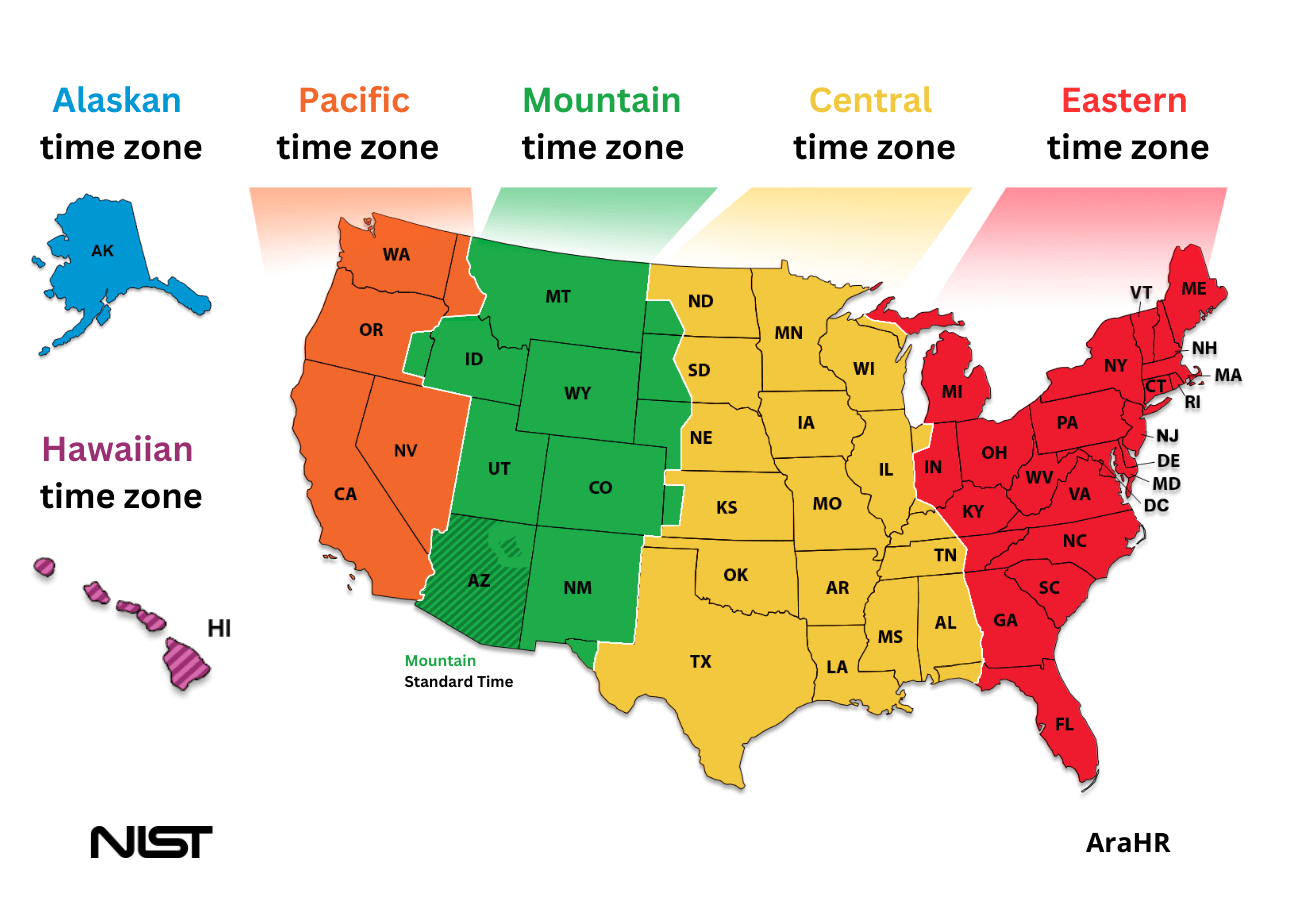
The United States is vast, spanning several time zones. Houston’s position in the Central Time Zone places it:
- One hour ahead of the Mountain Time Zone (e.g., Denver, Colorado).
- Two hours ahead of the Pacific Time Zone (e.g., Los Angeles, California).
- One hour behind the Eastern Time Zone (e.g., New York City, Florida).
This geographical context is vital for anyone traveling to Houston from other parts of America or for coordinating schedules with contacts across the country.
Why Time Zones Matter for Your Houston Travel Experience
Understanding Houston’s time zone goes beyond a simple fact; it’s a foundational piece of information that influences nearly every aspect of your trip. From the moment you begin planning to the last minute of your departure, time synchronization is key to a smooth and enjoyable travel experience.
Seamless Travel Planning and Logistics
The most immediate impact of time zones is on your travel logistics.
- Flights and Transportation: All flight times, train schedules, and bus departures/arrivals are quoted in local time. If you’re flying into George Bush Intercontinental Airport (IAH) or William P. Hobby Airport (HOU), your arrival time will be in Central Time. Miscalculating this can lead to missed connections, early or late airport pickups, and unnecessary stress. Always confirm the local time of your departure and arrival points.
- Hotel Check-in/Check-out: Accommodation facilities, from luxury suites to budget apartments, operate strictly on local time. Arriving at your hotel too early or too late due to a time zone mix-up can result in waiting for your room, missing out on amenities, or even incurring extra charges. Always confirm your hotel check-in time and plan your arrival accordingly, especially if you’re coming from a significantly different time zone.
Maximizing Your Stay: Attractions and Activities
Houston is brimming with attractions and activities that cater to every interest. Scheduling your visits effectively requires an acute awareness of the local time.
- Museums and Galleries: The renowned Museum District, home to institutions like the Museum of Fine Arts, Houston and the Houston Museum of Natural Science, has specific opening and closing hours. Missing these times means missing out on incredible experiences.
- Dining Reservations: Houston’s culinary scene is a major draw, offering everything from authentic Tex-Mex to upscale international cuisine. Popular restaurants often require reservations. Arriving an hour late because you forgot to adjust your internal clock could mean forfeiting your table.
- Events and Performances: Whether you’re catching a Houston Astros game at Minute Maid Park, a Houston Texans match at NRG Stadium, or a concert at one of the city’s many venues, start times are always local. Being on time ensures you don’t miss any of the action.
Business and Communication
For business travelers, time zone awareness is paramount.
- Meetings and Conferences: If your purpose in Houston is business, understanding the local time ensures you arrive punctually for meetings, presentations, and conferences. This is critical for making a good impression and maintaining professionalism.
- Communication with Home Office: Coordinating with colleagues or clients in different time zones requires careful planning. Knowing the time difference between Houston and their location prevents scheduling conflicts and ensures effective communication.
Battling Jet Lag and Adjusting to Local Rhythms
Traveling across multiple time zones can disrupt your circadian rhythm, leading to jet lag. While Houston is relatively central, travelers from the coasts or international destinations might experience symptoms.
- Preparation is Key: Begin adjusting your sleep schedule a few days before your trip by incrementally shifting your bedtime closer to Houston’s time.
- On Arrival: Once in Houston, try to immediately adopt the local schedule for meals and sleep. Maximize exposure to natural light during the day and minimize it at night. Stay hydrated and avoid excessive caffeine or alcohol.
- Allow Adjustment Time: If possible, schedule lighter activities for your first day to give your body time to acclimate.
Discovering Houston: Beyond the Clock
While time zones are a practical consideration, Houston offers an incredible array of experiences that make the journey worthwhile. As one of the most diverse cities in the United States, it’s a destination that promises something for everyone.
A Hub of Culture and Innovation
Houston’s reputation as a global city is built on its vibrant culture, innovative spirit, and world-class institutions.
- Space Exploration: No visit to Houston is complete without a trip to Space Center Houston, the official visitor center for NASA’s Johnson Space Center. Here, you can touch a moon rock, see actual spacecraft, and learn about the past, present, and future of human spaceflight. It’s an inspiring destination for all ages, perfectly blending history with cutting-edge science.
- Arts and Museums: Beyond the Museum District, the city boasts a thriving arts scene. The Theater District in Downtown Houston is home to resident companies offering everything from ballet and opera to symphony and live theater. Public art installations, vibrant murals, and independent galleries add to the city’s rich artistic tapestry.
- Parks and Green Spaces: Houston surprises many with its expansive green spaces. Hermann Park, located near the Museum District, features the Houston Zoo, a golf course, and pedal boats. Discovery Green in Downtown is a modern urban park offering concerts, fitness classes, and a vibrant community atmosphere.
Culinary Delights: A Taste of Houston
Houston’s food scene is as diverse as its population, making it a true foodie paradise.
- Tex-Mex and BBQ: As expected, the city excels in classic Texas fare. You’ll find countless establishments serving mouth-watering barbecue, from traditional smoked brisket to unique fusion offerings. Tex-Mex restaurants are ubiquitous, offering flavorful enchiladas, fajitas, and margaritas.
- International Cuisine: Reflecting its multicultural population, Houston offers an incredible array of international food. From Vietnamese pho in Midtown to authentic Indian curries, West African stews, and gourmet Italian dishes, the city’s culinary landscape is a global journey. Food tours are an excellent way to sample the local flavors.
Where to Stay: Houston Accommodation Guide
Houston offers a vast range of accommodation options to suit every preference and budget, from opulent resorts to cozy boutique hotels and convenient extended-stay apartments.
- Luxury Stays: For those seeking an indulgent experience, Houston boasts several five-star hotels with exceptional amenities. The Post Oak Hotel at Uptown Houston offers unparalleled luxury, complete with a Rolls-Royce dealership and helipad. The Hotel ZaZa Houston Museum District combines lavish design with proximity to major cultural landmarks.
- Boutique Hotels: For a more personalized touch, Houston has a growing number of stylish boutique hotels in neighborhoods like Montrose and Downtown, offering unique design and intimate service.
- Business and Mid-Range: Major chains like the Hyatt Regency Houston in Downtown or hotels near the Galleria shopping district provide comfortable and convenient options with standard amenities for both business and leisure travelers. Areas like the Texas Medical Center also offer numerous hotels catering to visitors seeking proximity to medical facilities.
- Long-Term Stays: For extended visits, serviced apartments and villas are available, offering home-like comforts and additional space, often with kitchen facilities.
When booking your stay, consider the area that best suits your travel itinerary and ensures convenient access to the attractions or business locations you plan to visit. Reading reviews and comparison shopping can help you find the perfect fit.
Practical Tips for a Flawless Houston Visit
Beyond understanding the time zone, a few additional tips can enhance your Houston adventure.
- Confirm All Times Locally: When making reservations for anything – dining, tours, shows, or accommodation – always confirm the time in Houston’s Central Time Zone.
- Utilize Digital Tools: Your smartphone will automatically update to the correct local time upon arrival, but consider setting up a world clock widget to easily track time in Houston and your home location.
- Transportation within the City: Houston is a sprawling city, and while public transportation options like METRORail serve key areas like Downtown, the Museum District, and the Medical Center, renting a car is often recommended for maximum flexibility, especially for exploring beyond the central core. Ride-sharing services are also readily available.
- Best Time to Visit: To avoid the intense summer heat and humidity, consider visiting Houston during the spring (March to May) or fall (September to November). These seasons offer pleasant weather ideal for exploring outdoor attractions and enjoying the city’s numerous festivals.
In conclusion, Houston, Texas, operates on Central Time, observing both Central Standard Time (UTC-6) and Central Daylight Time (UTC-5) depending on the season. Armed with this knowledge and a bit of thoughtful planning, you’re well on your way to experiencing all the charm, innovation, and Southern hospitality that Houston has to offer. So set your watch, plan your itinerary, and get ready to discover this extraordinary Texas gem.