
When planning a trip to the bustling metropolis of New York, understanding its time zone is more than just a trivial detail; it’s a fundamental aspect of seamless travel planning. Whether you’re an international visitor adjusting to a new schedule, a domestic traveler from the Pacific Coast coordinating meetings, or simply curious about how the city that never sleeps keeps time, knowing New York’s temporal alignment is key. The city, a global hub for tourism, hotels, accommodation, landmarks, and diverse lifestyles, operates on a precise schedule that impacts everything from flight arrivals to Broadway shows and dining reservations.
At its core, New York observes Eastern Time, a time zone that encompasses much of the eastern seaboard of the United States and Canada, extending down to parts of the Caribbean and Mexico. This time zone is primarily known by two acronyms: EST (Eastern Standard Time) and EDT (Eastern Daylight Time). The transition between these two occurs with the observance of Daylight Saving Time, a common practice designed to make better use of daylight hours during warmer months. For any visitor, whether on a family vacation, a solo adventure, or a business trip, understanding this seasonal shift is crucial for managing expectations and schedules.
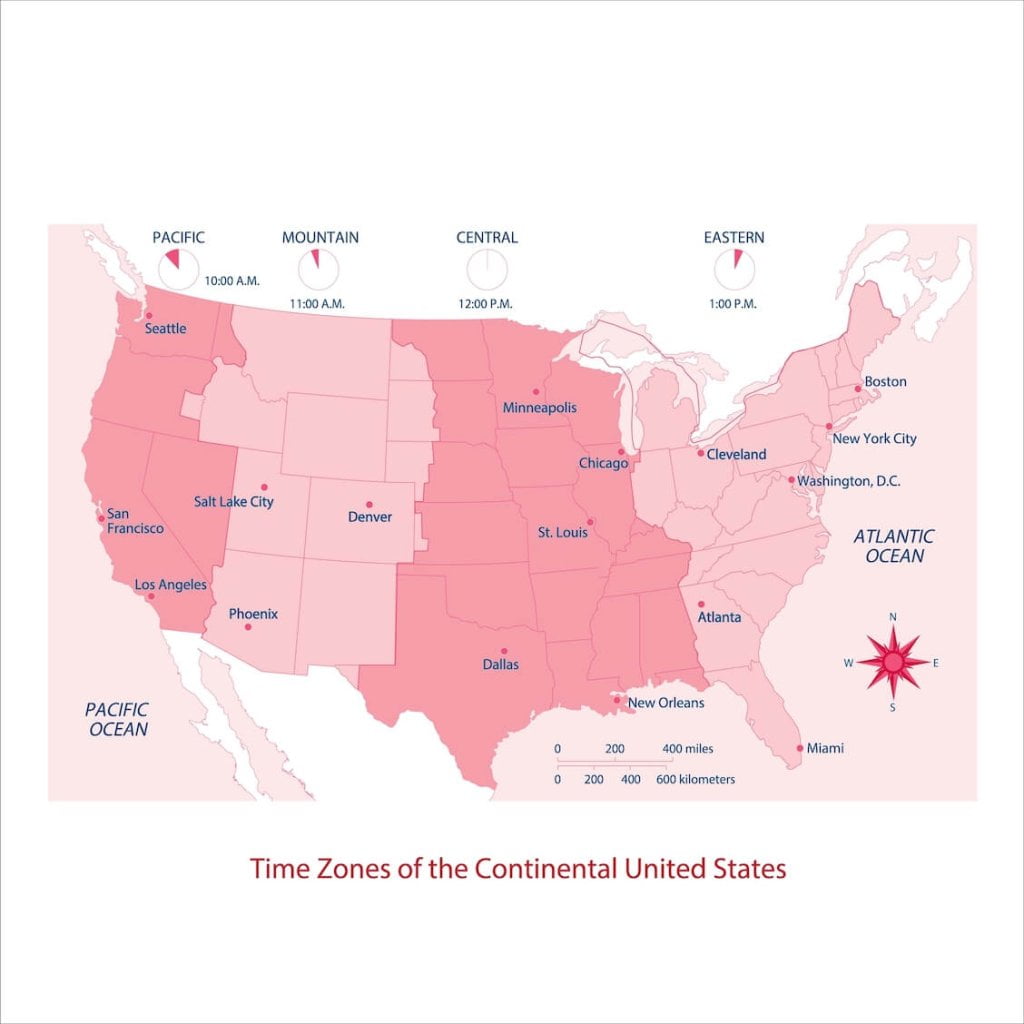
Understanding New York’s Time Zone: EST and EDT
New York City, often referred to as the “Big Apple,” consistently adheres to Eastern Time. This region’s standard offset from Coordinated Universal Time (UTC) is UTC-5 hours, meaning that when it’s noon UTC, it’s 7:00 AM in New York during Standard Time. However, this changes for a significant portion of the year due to Daylight Saving Time.
The Rhythms of Eastern Standard Time
Eastern Standard Time (EST) is observed roughly from early November to mid-March. During this period, New York’s clocks are five hours behind UTC (UTC-5). This is the “standard” time, characterized by shorter daylight hours and a return to the natural alignment of sunrise and sunset. For travelers arriving during these months, it’s important to synchronize your internal clock and devices to EST. This period often coincides with the holiday season, making accurate timekeeping essential for attending festive events, catching a show on Broadway, or simply navigating the city’s winter wonders. From early morning visits to the Metropolitan Museum of Art to late-night dinners in Greenwich Village, the rhythm of EST dictates the flow of daily life.
Embracing Daylight Saving Time
The shift to Eastern Daylight Time (EDT) typically occurs on the second Sunday in March, when clocks “spring forward” one hour. This means New York moves to UTC-4 hours, effectively gaining an hour of daylight in the evening. This change remains in effect until the first Sunday in November, when clocks “fall back” one hour, returning to EST. Daylight Saving Time is eagerly anticipated, as it ushers in warmer weather, longer evenings, and an even more vibrant atmosphere for exploring New York’s countless outdoor attractions. Imagine strolling through Central Park or enjoying sunset views from the Empire State Building with ample daylight. This seasonal adjustment maximizes opportunities for sightseeing cruises, walking tours, and enjoying the city’s renowned nightlife without feeling rushed.
Why Time Zones Matter for Your New York Trip
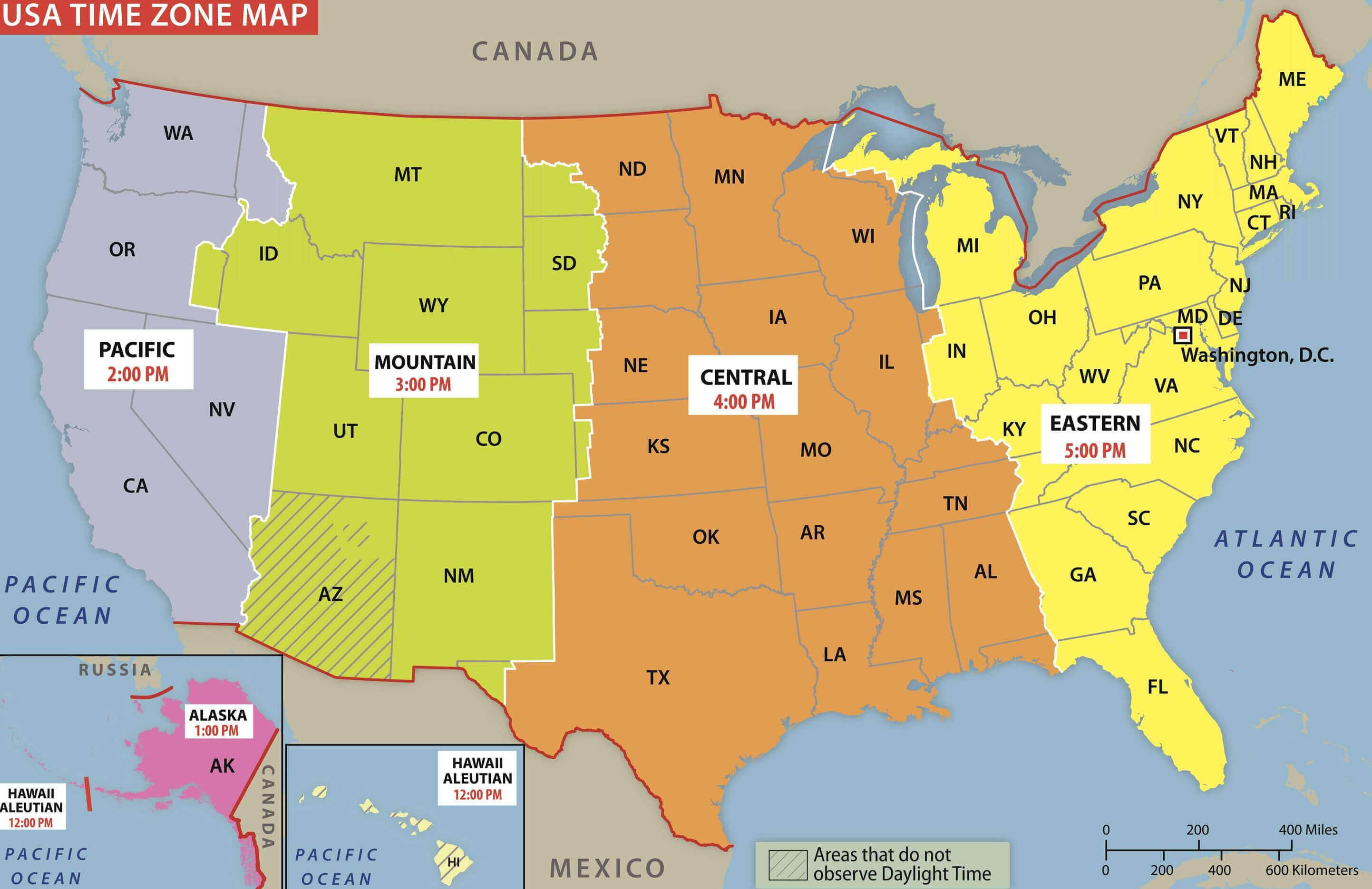
Beyond simply knowing what time it is, understanding New York’s time zone has practical implications that can significantly enhance or detract from your travel experience. For an international traveler, the time difference can be substantial, leading to jet lag and potential confusion. For domestic visitors, particularly those from the West Coast or Mountain states, a three-hour time shift can still impact daily routines and appointments.
Navigating Flight Schedules and Arrivals
One of the most immediate impacts of time zones is on flight schedules. When booking flights to JFK Airport, LaGuardia Airport, or Newark Liberty International Airport, all times listed will be local to the departure and arrival airports. This means a flight departing London at 1:00 PM GMT might arrive in New York (during EDT) at 4:00 PM local time, despite the actual flight duration being around 7-8 hours. It’s crucial to calculate these differences carefully to avoid missing connecting flights or misjudging arrival times for hotel check-ins or pre-arranged pickups. Similarly, for departing flights, ensure you arrive at the airport with plenty of time, accounting for the local time in New York.
Synchronizing with New York’s Pulse
New York City operates at a unique, fast-paced rhythm. Businesses open early, theaters have matinee and evening shows, and dining reservations can be hard to come by. Knowing the correct time helps you align with this pulse. Imagine booking a tour of the Statue of Liberty for 9:00 AM, only to discover you were an hour off due to not accounting for Daylight Saving Time. Or, planning a visit to the Museum of Modern Art on a day when you miscalculated the closing time. From catching a Broadway performance in the Theater District to exploring the financial heart of Wall Street, every aspect of your itinerary is dictated by the city’s clock. Even something as simple as coordinating a meeting with a friend or colleague in a different time zone requires a clear understanding of New York’s current time.
Overcoming Jet Lag and Maximizing Your Stay
For many travelers, especially those crossing multiple time zones, jet lag is an unwelcome companion. It can turn the first few days of your New York adventure into a hazy struggle against fatigue and disorientation. However, with a few strategic approaches and careful accommodation choices, you can minimize its effects and fully immerse yourself in the city’s vibrant offerings.
Practical Tips for Time Zone Adjustment
- Adjust Before You Arrive: A few days before your trip, start subtly shifting your sleep schedule towards New York time. Go to bed an hour earlier or later, depending on your direction of travel.
- Stay Hydrated: Dehydration can exacerbate jet lag. Drink plenty of water before, during, and after your flight.
- Manage Light Exposure: Upon arrival, expose yourself to natural light during the day to help reset your internal clock. Avoid bright lights in the evening.
- Avoid Excessive Caffeine and Alcohol: While tempting, these can disrupt your sleep patterns and worsen jet lag symptoms.
- Move Your Body: Gentle exercise, like a walk through Central Park or along the High Line, can help you feel more alert and improve sleep quality.
- Prioritize Sleep: Even if it’s not your usual bedtime, try to get some rest on your first night. blackout curtains in your hotel room can be a godsend.
- Embrace Local Mealtimes: Eating meals at New York’s breakfast, lunch, and dinner times helps synchronize your body’s digestion and metabolism with the new schedule. Enjoying a classic New York bagel for breakfast or a fine dining experience in Manhattan at local hours will aid in adjustment.
Choosing the Right Accommodation for a Smooth Transition
Your choice of accommodation can play a significant role in mitigating jet lag and ensuring a comfortable stay. When searching for hotels or apartments in New York, consider properties that offer certain amenities conducive to recovery. Look for hotels with soundproof rooms, comfortable bedding, and effective blackout curtains. Properties like The Plaza Hotel or a Ritz-Carlton often excel in providing a serene environment.
Additionally, access to fitness centers or swimming pools can be beneficial for light exercise. Some modern hotels even offer specific “jet lag recovery” packages or amenities like aromatherapy and specialized massages. Opting for an accommodation with 24-hour room service can also be helpful, allowing you to eat when your body demands, rather than being restricted by conventional meal times during your initial adjustment phase. Location is also key; staying in a central borough like Manhattan or accessible parts of Brooklyn can minimize travel time and stress, leaving more energy for exploration.

New York as a Global Time Hub
New York City doesn’t just exist within its time zone; it actively influences and interacts with other time zones globally. As a major financial, cultural, and political center, its clock has ripple effects across continents.
The 24/7 City and its International Connections
The moniker “the city that never sleeps” is not just a catchy phrase; it’s a testament to New York’s relentless energy and global connectivity. From the opening bell on Wall Street that corresponds with market hours in London and Tokyo, to the continuous flow of international flights, New York is perpetually engaged with the rest of the world. Businesses in New York routinely communicate with partners in Central European Time (CET), Greenwich Mean Time (GMT), Pacific Time (PST), Mountain Time, and Central Time, making the city a crossroads of temporal coordination.
This constant interaction is evident in its diverse population, international culinary delights, and the presence of world-renowned institutions. A digital nomad might be collaborating with teams in multiple time zones, while a business traveler might be scheduling videoconferences that span the Atlantic Ocean and beyond. The vibrant nightlife and entertainment scene, particularly in areas like Times Square or SoHo, continue long after most cities have quieted down, catering to locals and visitors alike, regardless of their internal clock. This inherent global connection means that while New York keeps its own time, it is acutely aware of the time in every corner of the globe.
In conclusion, understanding what time zone New York is in—Eastern Standard Time (EST) for part of the year and Eastern Daylight Time (EDT) for the other—is more than just a piece of trivia. It’s a foundational element for planning your travel guide, orchestrating your itinerary, and ensuring a smooth and enjoyable experience in one of the world’s most dynamic cities. By respecting its rhythms and preparing for the temporal shift, you can unlock the full potential of your New York adventure, from exploring its iconic landmarks like the Empire State Building and Grand Central Terminal to indulging in its diverse cultural experiences and world-class shopping sprees.
LifeOutOfTheBox is a participant in the Amazon Services LLC Associates Program, an affiliate advertising program designed to provide a means for sites to earn advertising fees by advertising and linking to Amazon.com. Amazon, the Amazon logo, AmazonSupply, and the AmazonSupply logo are trademarks of Amazon.com, Inc. or its affiliates. As an Amazon Associate we earn affiliate commissions from qualifying purchases.