
Planning a trip to a new city often involves a myriad of considerations: where to stay, what to see, and how to get around. Yet, one fundamental detail that can significantly impact your entire travel experience, from booking flights to scheduling your daily adventures, is understanding the local time zone. For those setting their sights on the vibrant coastal city of Jacksonville, Florida, knowing the correct time zone is crucial for a smooth and enjoyable visit.
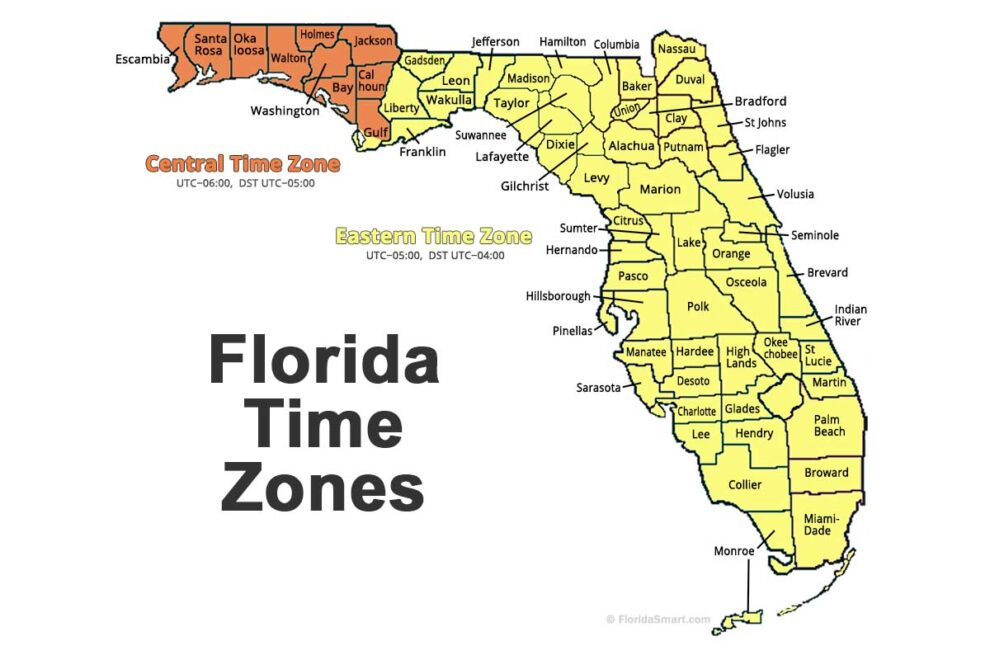
Jacksonville, Florida, the most populous city in the Sunshine State, operates under the Eastern Time Zone. This means that, for a substantial portion of the year, it observes Eastern Daylight Time (EDT), which is UTC-4. During the colder months, when Daylight Saving Time is not in effect, Jacksonville switches to Eastern Standard Time (EST), which is UTC-5. This comprehensive guide will delve into the intricacies of Jacksonville’s time zone, explain its importance for travelers, and offer practical tips to ensure your visit is perfectly synchronized with the local rhythm.
Understanding Jacksonville’s Time Zone: Eastern Standard Time (EST) and Eastern Daylight Time (EDT)
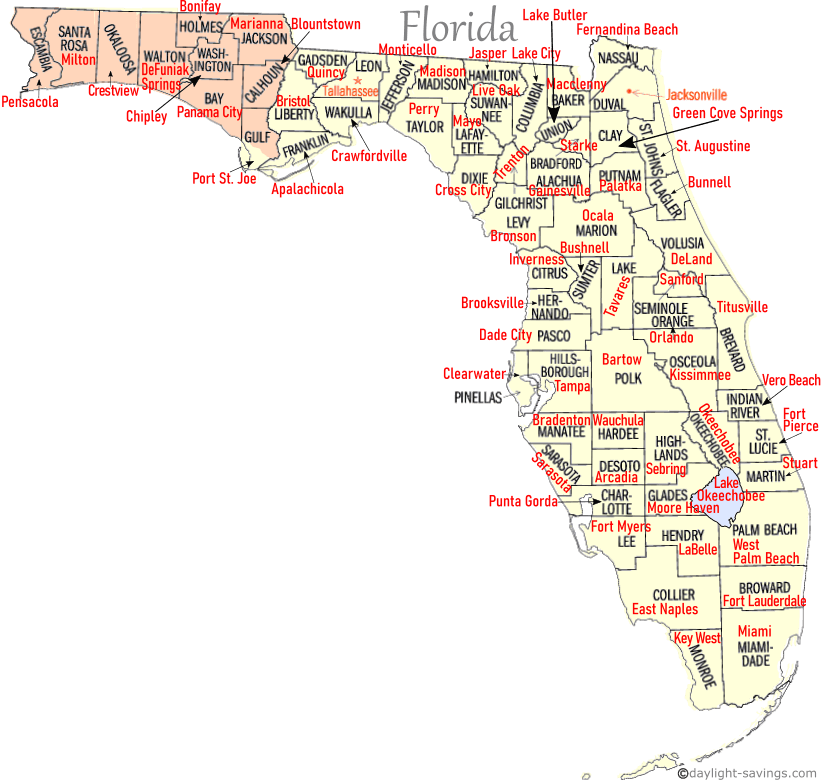
Florida, as a state, is primarily located within the Eastern Time Zone, and Jacksonville is no exception. This places it alongside major cities like New York City, Miami, and Washington D.C., aligning it with a significant portion of the United States East Coast.
The Dynamics of Daylight Saving Time
The concept of Daylight Saving Time is particularly relevant when discussing time zones. Each year, residents of Jacksonville, like most of the United States, adjust their clocks twice.
- Spring Forward: On the second Sunday in March, clocks “spring forward” by one hour, transitioning from Eastern Standard Time (EST, UTC-5) to Eastern Daylight Time (EDT, UTC-4). This shift provides an extra hour of daylight in the evenings, perfect for enjoying Jacksonville’s outdoor attractions and beaches during the longer summer days.
- Fall Back: On the first Sunday in November, clocks “fall back” by one hour, returning to Eastern Standard Time (EST, UTC-5). This marks the end of Daylight Saving Time, bringing an earlier sunrise and sunset.
For travelers, being aware of these transitions is paramount. Arriving during a Daylight Saving Time change without adjusting your internal clock or device settings can lead to missed flights, late check-ins, or confusion regarding scheduled activities. Always double-check the current time in Jacksonville relative to your departure location, especially if your travel dates fall around March or November.
Why Time Zones Matter for Your Jacksonville Travel Experience
Understanding Jacksonville’s time zone goes beyond simply knowing what time it is. It impacts virtually every aspect of your trip, from the moment you begin planning to your last day in the city.
Planning Your Itinerary and Bookings
Effective travel planning hinges on accurate timekeeping. When booking flights to Jacksonville International Airport, remember that arrival and departure times will be listed in local Jacksonville time. Similarly, reserving your accommodation, whether it’s a luxurious resort downtown, a cozy apartment near the beach, or a budget-friendly hotel, requires adherence to check-in and check-out times, which are strictly observed in Eastern Time.
Furthermore, pre-booking tickets for popular attractions, guided tours, or dinner reservations demands precise time zone awareness. A miscalculation could mean missing out on a coveted experience or even losing money on non-refundable bookings. For business travelers, syncing meeting schedules with clients or colleagues in different time zones is critical for maintaining professional efficiency and avoiding costly misunderstandings. Always confirm the local time for any booking or appointment to avoid potential pitfalls.
Synchronizing with Local Life
Part of the charm of visiting a new destination like Jacksonville is immersing yourself in its local culture and lifestyle. This means adopting the local rhythm, and time plays a significant role in that. Restaurants operate on specific lunch and dinner hours, local markets open and close at set times, and public transport schedules adhere strictly to the local clock.
If you’re eager to experience Jacksonville’s vibrant food scene, whether it’s enjoying fresh seafood by the St. Johns River or exploring the culinary delights of its diverse neighborhoods, you’ll need to make reservations or arrive during peak operating hours according to Eastern Time. Attending local events, concerts at the VyStar Veterans Memorial Arena, or a Jaguars game at TIAA Bank Field also requires you to be on Jacksonville time. Embracing the local time zone allows you to fully engage with the city’s pulse, from its bustling morning commuters to its lively evening entertainment.
Business Travel Considerations
For professionals traveling to Jacksonville for work, time zone management is arguably even more critical. Meetings, conferences, and deadlines are often time-sensitive, and a small oversight can have significant repercussions. Communicating with colleagues or clients in different time zones requires careful planning. Tools that display multiple time zones simultaneously can be invaluable for coordinating calls and virtual meetings.
Furthermore, minimizing the effects of jet lag becomes a priority for business travelers, as being at your best for important engagements is crucial. Adjusting to Jacksonville’s time zone as quickly as possible upon arrival can significantly improve productivity and overall well-being during your business stay.
Navigating Jacksonville’s Attractions and Activities by the Clock
Jacksonville boasts an impressive array of attractions and landmarks, from pristine beaches to fascinating museums and lush gardens. To maximize your exploration, it’s essential to factor in their operating hours, which are, of course, set to Eastern Time.
Consider a leisurely morning stroll along Jacksonville Beach to catch the sunrise – a spectacular sight best enjoyed before the crowds arrive. Planning a visit to cultural institutions like the Cummer Museum of Art & Gardens or the MOSH (Museum of Science & History) means checking their opening and closing times, which often vary by day of the week or season. Similarly, a family trip to the Jacksonville Zoo and Gardens requires you to arrive early to make the most of your day, especially during peak seasons when lines can be longer.
For nature enthusiasts, exploring the vast Timucuan Ecological and Historic Preserve, home to sites like Fort Caroline National Memorial and Kingsley Plantation, often involves outdoor activities that are best enjoyed during specific daylight hours. Hiking trails, kayaking expeditions on the St. Johns River, or birdwatching opportunities are all time-dependent, making accurate timekeeping vital for an optimal experience. Even something as simple as finding a good spot for sunset views over the Atlantic Ocean requires you to know the local sunset time.
Practical Tips for Travelers: Adapting to Jacksonville’s Time
Adjusting to a new time zone can be challenging, particularly if you’re traveling from a distant region like the West Coast or another continent. However, with a few practical strategies, you can minimize discomfort and make the most of your time in Jacksonville.
- Adjust Before You Arrive: If possible, start adjusting your sleep schedule a few days before your trip. For example, if you’re traveling east to Jacksonville, try going to bed and waking up an hour earlier each day.
- Set Your Devices to Local Time Immediately: As soon as you land, or even on the plane, change your phone, watch, and other electronic devices to Jacksonville’s local time. This psychological shift can help your body begin to adapt more quickly. Most smartphones automatically update time zones, but it’s always wise to double-check.
- Embrace Natural Light: Exposure to natural light helps reset your circadian rhythm. Spend time outdoors during daylight hours in Jacksonville, especially in the morning. Conversely, minimize exposure to bright lights in the evening to prepare your body for sleep.
- Stay Hydrated and Mindful of Caffeine/Alcohol: Dehydration can exacerbate jet lag symptoms. Drink plenty of water and be moderate with caffeine and alcohol, as they can interfere with sleep and further disrupt your body’s natural clock.
- Plan Your First Day Wisely: Avoid scheduling demanding activities or critical meetings immediately upon arrival if you’ve crossed multiple time zones. Allow yourself some time to settle in and adjust. A relaxing walk or a casual meal might be more appropriate.
- Confirm All Reservations: Before heading out, always reconfirm the times for flights, hotel bookings, restaurant reservations, and attraction visits. A quick call or a check of the confirmation email can prevent any time-related mishaps.
- Communicate with Home: If you’re communicating with family or colleagues in a different time zone, be mindful of the time difference to avoid waking them up or calling during inconvenient hours. Tools and apps that show current times in multiple locations are extremely useful.
In conclusion, while the question “What Time Zone Is Jacksonville, Florida?” has a straightforward answer – the Eastern Time Zone, observing EST and EDT – its implications for travelers are far-reaching. By understanding and proactively planning around Jacksonville’s time, you ensure a seamless journey, allowing you to fully immerse yourself in the vibrant culture, stunning landmarks, and unforgettable experiences this remarkable Northeast Florida city has to offer. So, set your clocks, prepare for adventure, and get ready to enjoy everything Jacksonville has in store, right on time!
LifeOutOfTheBox is a participant in the Amazon Services LLC Associates Program, an affiliate advertising program designed to provide a means for sites to earn advertising fees by advertising and linking to Amazon.com. Amazon, the Amazon logo, AmazonSupply, and the AmazonSupply logo are trademarks of Amazon.com, Inc. or its affiliates. As an Amazon Associate we earn affiliate commissions from qualifying purchases.