
Planning a trip to the United States often involves meticulous research into destinations, accommodations, and local attractions. However, one detail frequently overlooked by travelers, which can significantly impact their itinerary, is understanding a state’s time zones. For those venturing into the heartland, the question “What time zone is Nebraska in?” is more complex than it might seem, as the state straddles two distinct time zones. This unique geographical division means that a journey from one end of the Cornhusker State to the other can literally involve turning the clock forward or backward, a crucial piece of information for seamless travel and enjoyment.
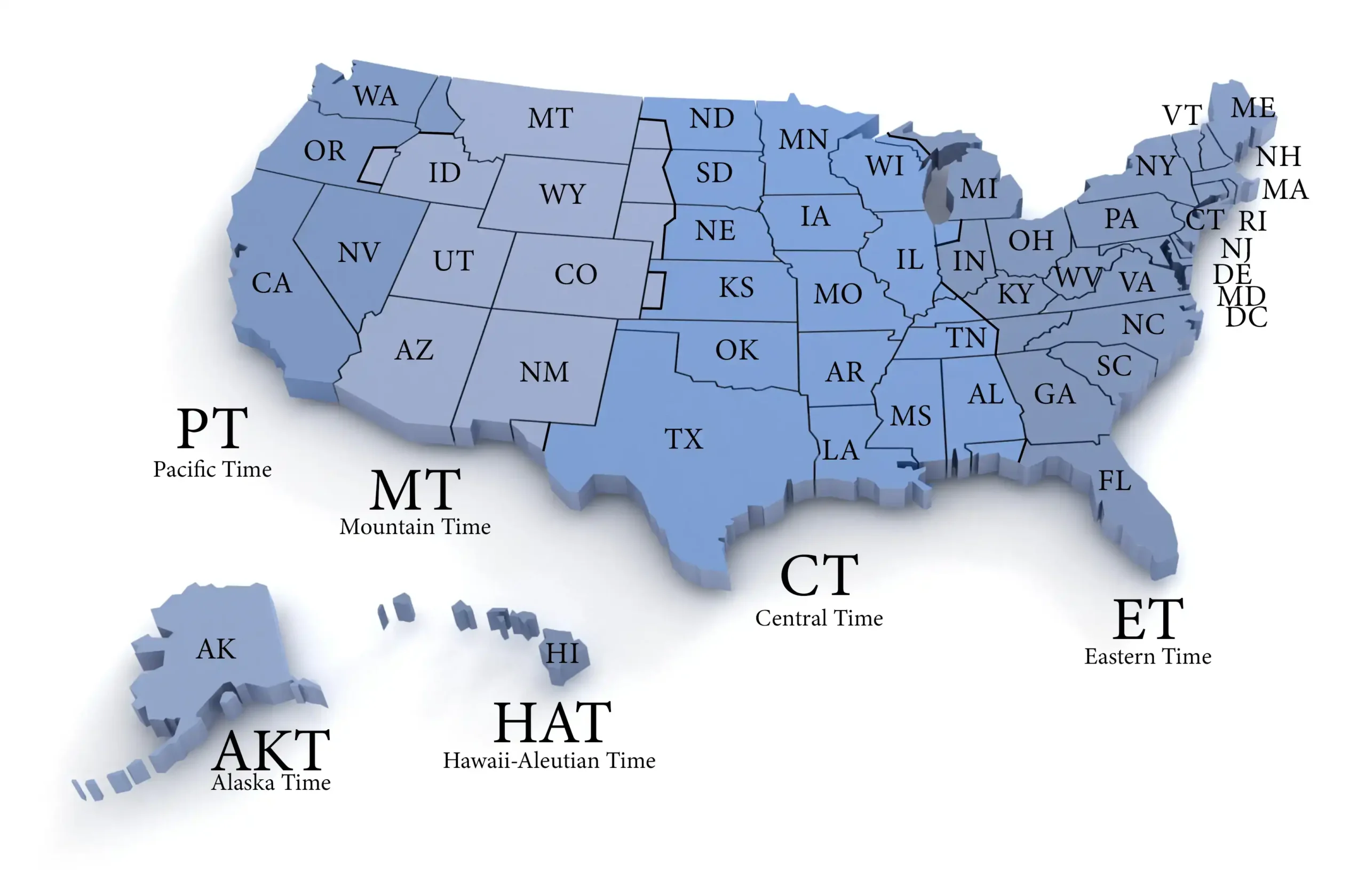
Nebraska is predominantly in the Central Time Zone (CT), observing Central Standard Time (CST) during the winter months and Central Daylight Time (CDT) when Daylight Saving Time is in effect. However, a significant portion of its western panhandle operates on Mountain Time Zone (MT), following Mountain Standard Time (MST) or Mountain Daylight Time (MDT). This split is not merely a technicality; it’s a practical consideration that influences everything from flight schedules and hotel check-in times to booking tours and meeting up with friends. Understanding this duality is key to unlocking a stress-free exploration of Nebraska’s diverse landscapes and rich cultural offerings.
Decoding Nebraska’s Time Zones: A Traveler’s Essential Guide
For any traveler, especially those venturing across state lines or planning extensive road trips, comprehending the temporal landscape of their destination is paramount. Nebraska’s dual time zone system is a prime example of why a quick check on the clock can save a lot of confusion and potential missed connections. This section will delve into the specifics of Nebraska’s time zones, detailing the geographical split and offering practical advice for navigating this temporal border.
The Great Divide: Central vs. Mountain Time
The vast majority of Nebraska, particularly its populous eastern and central regions, adheres to Central Time. This includes major cities like Omaha and Lincoln, which are hubs for travel, business, and tourism. These areas align with much of the Midwestern United States, making travel from neighboring states like Iowa, Missouri, and Kansas relatively straightforward in terms of time synchronization. For example, if you’re flying into Eppley Airfield in Omaha or driving to Lincoln’s Haymarket District, you’ll be operating on Central Time.
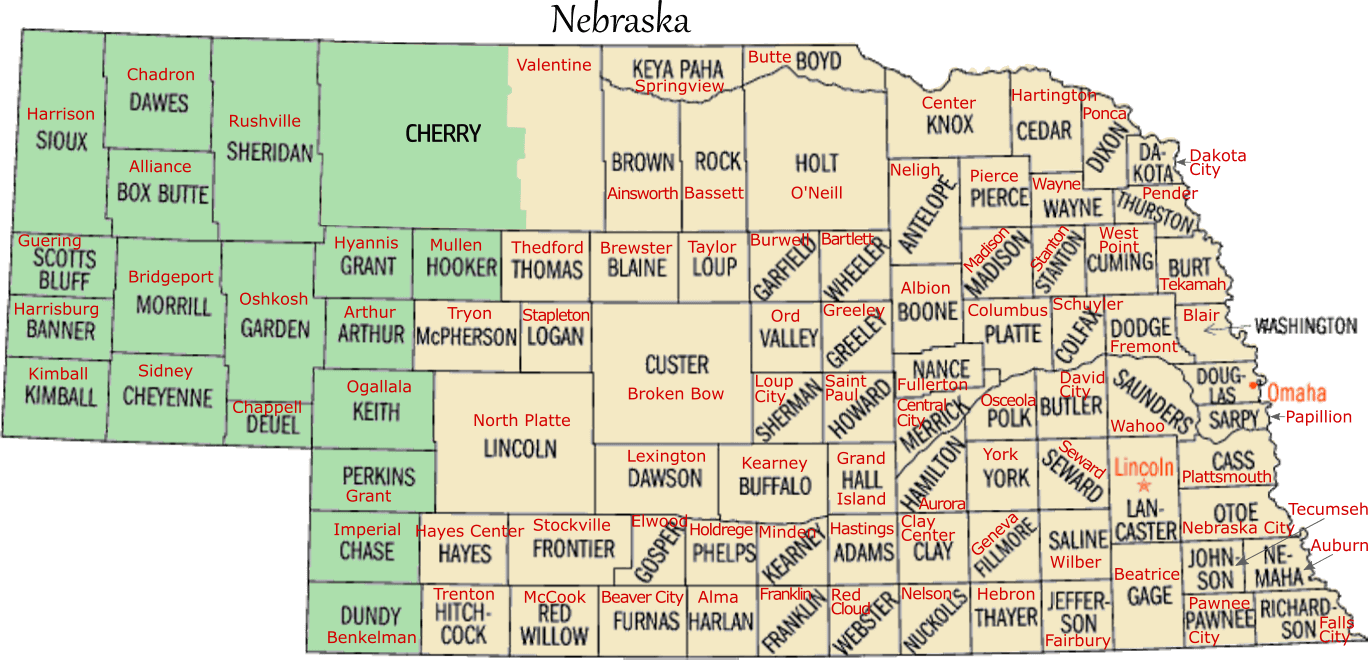
Conversely, the western panhandle of Nebraska, characterized by its stunning natural beauty and rugged landscapes, falls under the Mountain Time Zone. This region borders Colorado and Wyoming, both of which are predominantly in Mountain Time, making this alignment a logical geographical and logistical decision. Key cities and towns in this area, such as Scottsbluff, Chadron, and Alliance, observe Mountain Time, which is one hour behind Central Time. So, when it’s 3 PM in Omaha, it’s 2 PM in Scottsbluff. This one-hour difference can easily be overlooked, leading to unexpected delays or missed appointments if not accounted for in advance.
The demarcation line between these two zones isn’t a straight, easily identifiable border across the entire state. Generally, counties situated along the 100th Meridian West longitude often serve as the rough dividing line. While some counties like Cherry County are officially split, most travelers will find the transition occurs as they approach the western third of the state.

Navigating the Time Zone Border
For travelers embarking on cross-state adventures, especially road trips, knowing exactly where the time zone shifts can be vital. Imagine driving from Lincoln to visit Scotts Bluff National Monument or Chimney Rock National Historic Site. As you drive west, you will eventually cross into the Mountain Time Zone. Most modern smartphones and GPS devices will automatically adjust to the correct local time, which is incredibly helpful. However, it’s always wise to double-check, especially if you’re relying on older technology or printed itineraries.
Awareness of the time change is particularly important for coordinating meetings, making dinner reservations, or catching specific events. For instance, if you’ve booked a guided tour that starts at 9 AM in Chadron, but you’re traveling from a Central Time Zone city, you must remember to set your watch back an hour to arrive on time. The impact extends beyond simple scheduling; it can affect your body clock, especially if you’re sensitive to even small time shifts. Planning for this adjustment can help mitigate travel fatigue and ensure you’re fresh and ready to explore.
Planning Your Nebraska Adventure: Time Zone Considerations for Travel and Tourism
Understanding Nebraska’s time zones is not just a matter of curiosity; it’s a fundamental aspect of practical travel planning that impacts various elements of your trip. From booking flights and securing accommodations to scheduling activities and tours, a clear grasp of the temporal landscape ensures a smoother, more enjoyable experience.
Synchronizing Your Itinerary with Nebraska’s Diverse Regions
When crafting your Nebraska itinerary, especially if it spans both eastern and western parts of the state, time zone awareness becomes critical. Consider a multi-day journey that begins with exploring the vibrant urban life of Omaha, perhaps visiting the renowned Henry Doorly Zoo and Aquarium or the historic Old Market, both firmly on Central Time. If your next stop involves driving to the geological wonders of western Nebraska, such as Carhenge near Alliance or Fort Robinson State Park near Chadron, you’ll cross into Mountain Time.
This transition means that a travel day might feel an hour longer or shorter depending on your direction. Driving west, you effectively gain an hour, which can be a welcome bonus for sightseeing, offering an extra hour of daylight or relaxation before check-in. Driving east, however, means you “lose” an hour, which can make early morning appointments feel even earlier. When scheduling anything time-sensitive—be it a flight from Western Nebraska Regional Airport back east, a train ride on Amtrak, or a timed entry to a specific attraction—always confirm the local time zone of the destination. Many travel websites and booking platforms will display times in the local zone, but a manual cross-check provides an extra layer of security.
For those interested in the state’s rich history and culture, coordinating visits to landmarks across the state requires careful timing. For example, you might plan to spend a morning at the Strategic Air Command & Aerospace Museum near Ashland (CST) and then travel west to catch the sunset at Toadstool Geologic Park (MST). The one-hour difference could mean the difference between witnessing a spectacular sunset and arriving after dusk.
Booking Accommodations Across Time Lines
One of the most common pitfalls for travelers traversing time zones is related to accommodation bookings. Hotels, resorts, apartments, and even long-term stays strictly adhere to their local time. This means check-in and check-out times, amenity schedules, and reservation policies are all dictated by whether the property is in the Central or Mountain Time Zone.
Imagine booking a room at a Hyatt Place in Lincoln with a 3 PM check-in. If you’re arriving from a Mountain Time location, you’d need to adjust your internal clock forward an hour to arrive on time. Conversely, if you’ve booked a Hilton Garden Inn in Scottsbluff for a 3 PM check-in, and you’re coming from Omaha, you’ll “gain” an hour on your journey, potentially arriving earlier than expected based on your departure time, giving you more time to settle in.
When booking through online travel agencies or directly with hotel chains like Marriott, Airbnb, or Vrbo, always confirm that the times displayed in your confirmation emails or on the booking site are for the local time zone of the property. While most reputable sites are good about this, a quick mental calculation or a glance at a time zone map can prevent an early check-out or a late arrival fee. It’s also wise to consider the time difference when scheduling amenities like spa treatments, restaurant reservations, or local tours offered by the accommodation or third parties. A simple oversight can lead to frustration and missed opportunities during your valuable travel time. This applies equally to boutique hotels, resorts, or budget-friendly options like Holiday Inn Express or Days Inn.
Iconic Nebraska Destinations and Their Respective Time Zones
Nebraska is a state of surprising diversity, offering everything from bustling urban centers to serene natural wonders. Knowing which time zone applies to your chosen attractions is essential for seamless enjoyment and efficient planning. Let’s explore some key destinations and clarify their time zone affiliations.
Eastern Nebraska: Embracing Central Time
The eastern portion of Nebraska is a vibrant region, serving as the state’s economic and cultural engine. All its major cities and popular attractions operate on Central Time, making it easy for visitors arriving from much of the Midwest to settle in.
- Omaha: As Nebraska’s largest city, Omaha is a treasure trove of attractions. The Henry Doorly Zoo and Aquarium is consistently ranked among the world’s best, requiring a full day to explore its immersive exhibits. The historic Old Market district offers charming cobblestone streets, unique boutiques, art galleries, and diverse dining experiences. Art enthusiasts will appreciate the collections at the Joslyn Art Museum. All these experiences, from a morning coffee to a late dinner, will align with Central Time.
- Lincoln: The state capital, Lincoln, blends academic energy with governmental gravitas. Home to the University of Nebraska-Lincoln, visitors can catch a game at Memorial Stadium, explore the beautiful Sunken Gardens, or delve into automotive history at the Museum of American Speed. The city’s thriving Haymarket District offers trendy restaurants and shops. Like Omaha, all activities here operate on Central Time.
- Strategic Air Command & Aerospace Museum: Located between Omaha and Lincoln near Ashland, this impressive museum showcases a vast collection of aircraft and artifacts from the Cold War era. It’s a must-visit for history buffs and aviation enthusiasts, and its operating hours are, of course, on Central Time.
When planning excursions to these destinations, whether it’s an early morning visit or a late-night show, you can reliably use Central Time as your reference point.
Western Nebraska: Where Mountain Time Reigns
As you travel west, the landscape transforms into wide-open spaces, dramatic bluffs, and historical trails, all governed by Mountain Time. This region offers a distinct charm and a different pace of life, reflecting its proximity to the Rocky Mountains.
- Scottsbluff: The largest city in the Nebraska Panhandle, Scottsbluff is the gateway to some of the state’s most iconic natural landmarks. It’s an excellent base for exploring the region and operates on Mountain Time.
- Scotts Bluff National Monument: A geological marvel and a pivotal landmark for pioneers on the Oregon Trail, this monument offers stunning views and historical insights. Plan your visit according to Mountain Time to catch sunrise or sunset views from its summit.
- Chimney Rock National Historic Site: Another iconic natural spire that guided countless westward-bound travelers, Chimney Rock stands majestically against the western Nebraska sky. Its visitor center and interpretive programs adhere to Mountain Time.
- Alliance: This town is famously home to Carhenge, a whimsical and unique art installation that mimics England’s Stonehenge using vintage automobiles. Alliance, and therefore Carhenge, is in the Mountain Time Zone.
- Fort Robinson State Park: Near Chadron, this expansive state park boasts a rich history as a U.S. Army outpost and offers extensive recreational opportunities, from hiking and horseback riding to fishing. All activities within the park and surrounding Chadron are on Mountain Time.
- Toadstool Geologic Park: Located in the badlands of northwestern Nebraska, this park offers a surreal landscape of unusual rock formations, reminiscent of toadstools. Visiting this remote, yet fascinating, location requires adherence to Mountain Time.
For travelers venturing into this ruggedly beautiful part of Nebraska, remembering the one-hour shift back from Central Time is crucial to fully enjoy the natural wonders and historical sites without any temporal missteps.
Practical Tips for a Seamless Nebraska Experience
Navigating time zones doesn’t have to be a source of stress. With a few smart strategies, you can ensure your trip through Nebraska is smooth, enjoyable, and free from any time-related hiccups. These tips apply whether you’re staying at a luxurious resort or a budget-friendly Hampton Inn.
Digital Devices and Automatic Updates
The good news for modern travelers is that most smartphones, tablets, and smartwatches are equipped with automatic time zone adjustment features. As you cross the invisible line between Central and Mountain Time, your device should typically update to the local time, provided it has a cellular or Wi-Fi connection.
- Trust, but Verify: While generally reliable, it’s always a good idea to perform a quick manual check. Before crossing into the Mountain Time Zone, verify your phone’s settings to ensure automatic time zone detection is enabled. Once you’ve crossed, glance at your device to confirm it has updated.
- Analog Backup: For those who prefer traditional methods or in case of a tech glitch, wearing an analog watch that you can manually adjust is a simple yet effective backup. Alternatively, knowing the precise time difference (one hour) allows you to easily calculate the correct local time.
- Vehicle Clocks: Remember that your car’s clock usually needs to be manually adjusted. Don’t rely solely on your vehicle’s display, especially if it doesn’t have an integrated GPS system with automatic time zone capabilities.
Double-Checking Reservations and Schedules
The most critical aspect of time zone awareness lies in confirming all time-sensitive bookings and schedules. A slight oversight can lead to missed flights, late check-ins, or arriving after an attraction has closed.
- Flight Information: When booking flights into or out of Nebraska, especially connecting flights, pay close attention to the time zone specified for each leg of your journey. Eppley Airfield in Omaha operates on Central Time, while Western Nebraska Regional Airport in Scottsbluff operates on Mountain Time.
- Hotel Bookings: As mentioned, confirm check-in and check-out times with your accommodation provider. A quick call or email to the hotel prior to your arrival can clarify any ambiguities, especially if you’re arriving at an unusual hour.
- Tour and Attraction Times: If you’ve booked a guided tour, a show, or have timed entry tickets for an attraction, always confirm the local start time relative to the time zone you’ll be coming from. Many popular attractions, especially those with limited capacities or specific showtimes, strictly adhere to their posted schedules.
- Restaurant Reservations: Planning a special dinner? Double-check that your reservation time aligns with the restaurant’s local time zone to avoid arriving an hour late or early.
- Communication: If you’re coordinating with friends, family, or business contacts who are in a different time zone within Nebraska or outside the state, clearly specify the time zone when arranging calls or meetings. “Let’s meet at 2 PM CT” or “Call me at 3 PM MT” helps avoid confusion.
By keeping these practical tips in mind, your journey through Nebraska can be seamless and entirely focused on enjoying the unique charm and diverse experiences the state has to offer, without the added stress of temporal misunderstandings. Embracing the logistical nuances of Nebraska’s dual time zones is simply part of the adventure, ensuring your memories are filled with delightful discoveries rather than temporal mishaps.
LifeOutOfTheBox is a participant in the Amazon Services LLC Associates Program, an affiliate advertising program designed to provide a means for sites to earn advertising fees by advertising and linking to Amazon.com. Amazon, the Amazon logo, AmazonSupply, and the AmazonSupply logo are trademarks of Amazon.com, Inc. or its affiliates. As an Amazon Associate we earn affiliate commissions from qualifying purchases.