
Planning a trip to the Silver State often conjures images of vibrant city lights, stunning natural landscapes, and unparalleled entertainment. From the glittering casinos of Las Vegas to the serene alpine beauty of Lake Tahoe and the historic charm of Reno, Nevada offers an incredible array of experiences for every traveler. Yet, amidst the excitement of booking flights, reserving hotels, and mapping out a detailed itinerary, one crucial detail often gets overlooked: understanding the local time zone. For a state as geographically diverse and as popular a travel destination as Nevada, being aware of its time zones is not just a matter of convenience; it’s essential for seamless travel planning, managing accommodations, and maximizing your tourism experiences. Whether you’re arriving from the East Coast of the United States and bracing for jet lag, or simply coordinating a business meeting with colleagues across the country, knowing what time zone Nevada operates in is the first step towards a stress-free adventure.
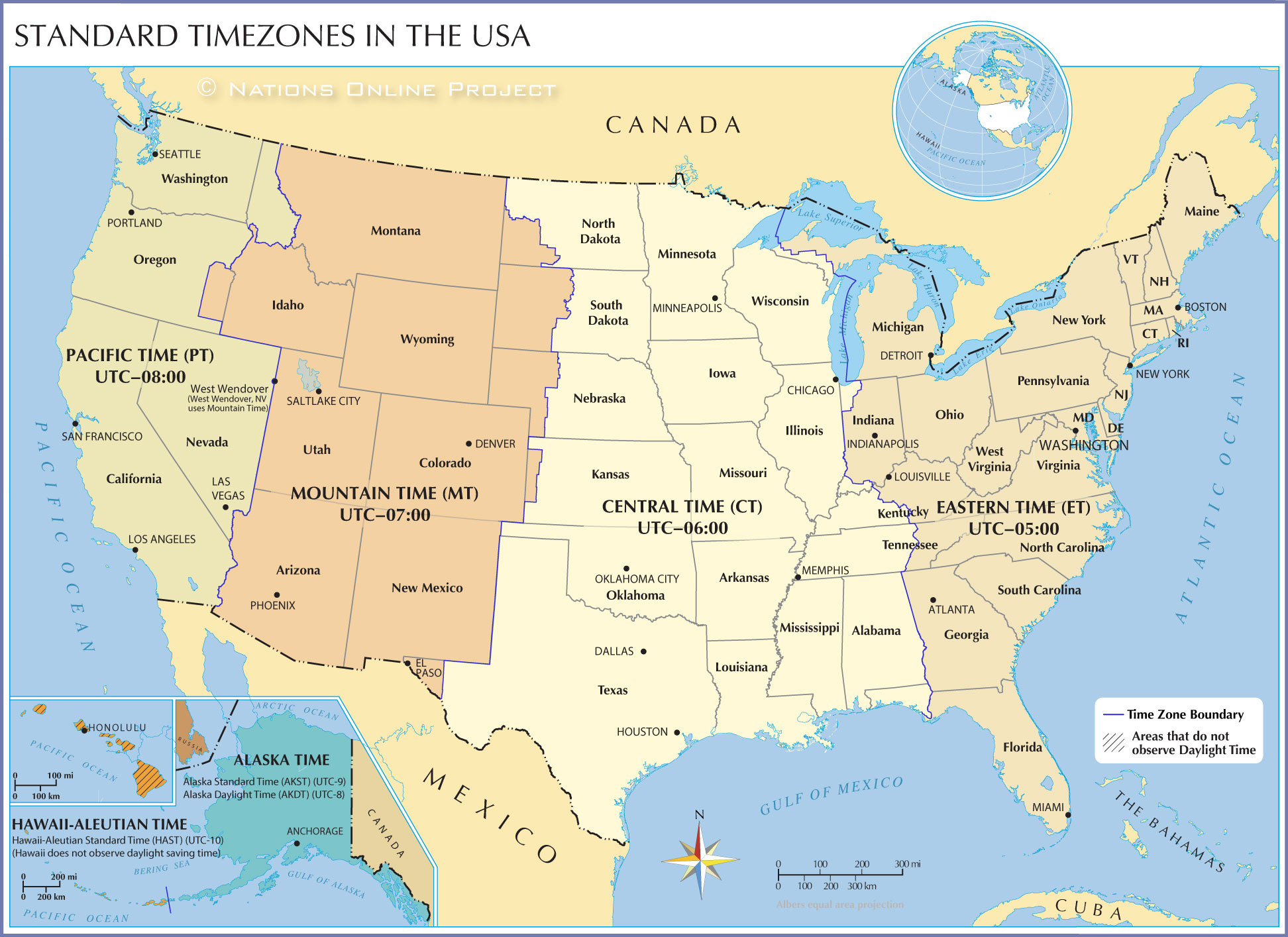
The majority of Nevada observes Pacific Time, specifically Pacific Standard Time (PST) during the fall and winter months, and Pacific Daylight Time (PDT) during spring and summer. This means aligning with many of its western neighbors, including much of California. However, like many states with expansive territories, there are subtle nuances and a couple of interesting exceptions to this rule that can catch unsuspecting travelers off guard. Delving into the specifics of Nevada’s time zones not only helps in practical planning but also offers a glimpse into the logistical considerations that shape daily life and tourism across its vast and varied landscape.
Understanding Nevada’s Primary Time Zone: Pacific Time
For the vast majority of visitors and residents, when you think of time in Nevada, you’re thinking Pacific Time. This is the dominant time zone that governs daily life in the state’s most populated areas and renowned tourist destinations. Understanding its characteristics is fundamental to planning any trip to the Silver State.
The Basics of Pacific Standard Time (PST) and Pacific Daylight Time (PDT)
The standard time zone for most of Nevada is Pacific Standard Time (PST). During this period, the time is 8 hours behind Coordinated Universal Time (UTC-8). This applies from the first Sunday in November until the second Sunday in March. When daylight saving time kicks in, usually on the second Sunday in March, Nevada switches to Pacific Daylight Time (PDT). During PDT, clocks are moved forward by one hour, making it 7 hours behind Coordinated Universal Time (UTC-7). This shift remains in effect until the first Sunday in November, when clocks “fall back” to PST.
This seasonal adjustment is a common practice across many parts of the United States and is designed to make better use of daylight hours. For travelers, it means that if your trip spans these transition dates, you’ll need to adjust your internal clock and any scheduled activities accordingly. Major cities like Las Vegas, Reno, and the state capital, Carson City, all observe Pacific Time, ensuring a consistent schedule for locals and visitors alike across these key hubs.
Navigating Travel and Tourism in Pacific Time
The uniform observance of Pacific Time across most of Nevada greatly simplifies travel planning, especially when it comes to booking accommodations and scheduling activities. When you reserve a hotel room in Las Vegas or a resort by Lake Tahoe, the check-in and check-out times will invariably be in Pacific Time. This consistency extends to flight schedules arriving at Harry Reid International Airport in Las Vegas or Reno-Tahoe International Airport, as well as bus and train services throughout the state.
For tourism, aligning with Pacific Time means that the opening and closing hours for world-famous attractions such as the Las Vegas Strip’s numerous resorts, the Hoover Dam, or natural wonders like Valley of Fire State Park are all set to this standard. Planning your days around showtimes, dinner reservations at award-winning restaurants, or even guided tours through national parks like Great Basin National Park becomes straightforward, as all published times will reflect the local Pacific Time. For those indulging in the luxury lifestyle that Nevada is famous for, coordinating spa appointments, private excursions, or high-stakes gaming sessions will all operate on this predictable schedule. Even budget travelers benefit, as understanding the local time allows for better planning of free activities or off-peak travel to save costs. Being mindful of these timings ensures that whether you’re chasing the sunrise over Lake Mead or catching a late-night show, you’ll always be in sync with the rhythm of Nevada.
The Curious Case of Nevada’s Eastern Outposts: Mountain Time
While the vast majority of Nevada proudly operates on Pacific Time, there are two notable exceptions in the eastern part of the state. These unique areas march to the beat of a different drum, observing Mountain Time, which often surprises travelers who haven’t done their homework. Understanding why these communities diverge and the implications for visitors is key to a truly informed journey through the Silver State.
Why West Wendover and Jackpot March to a Different Drummer
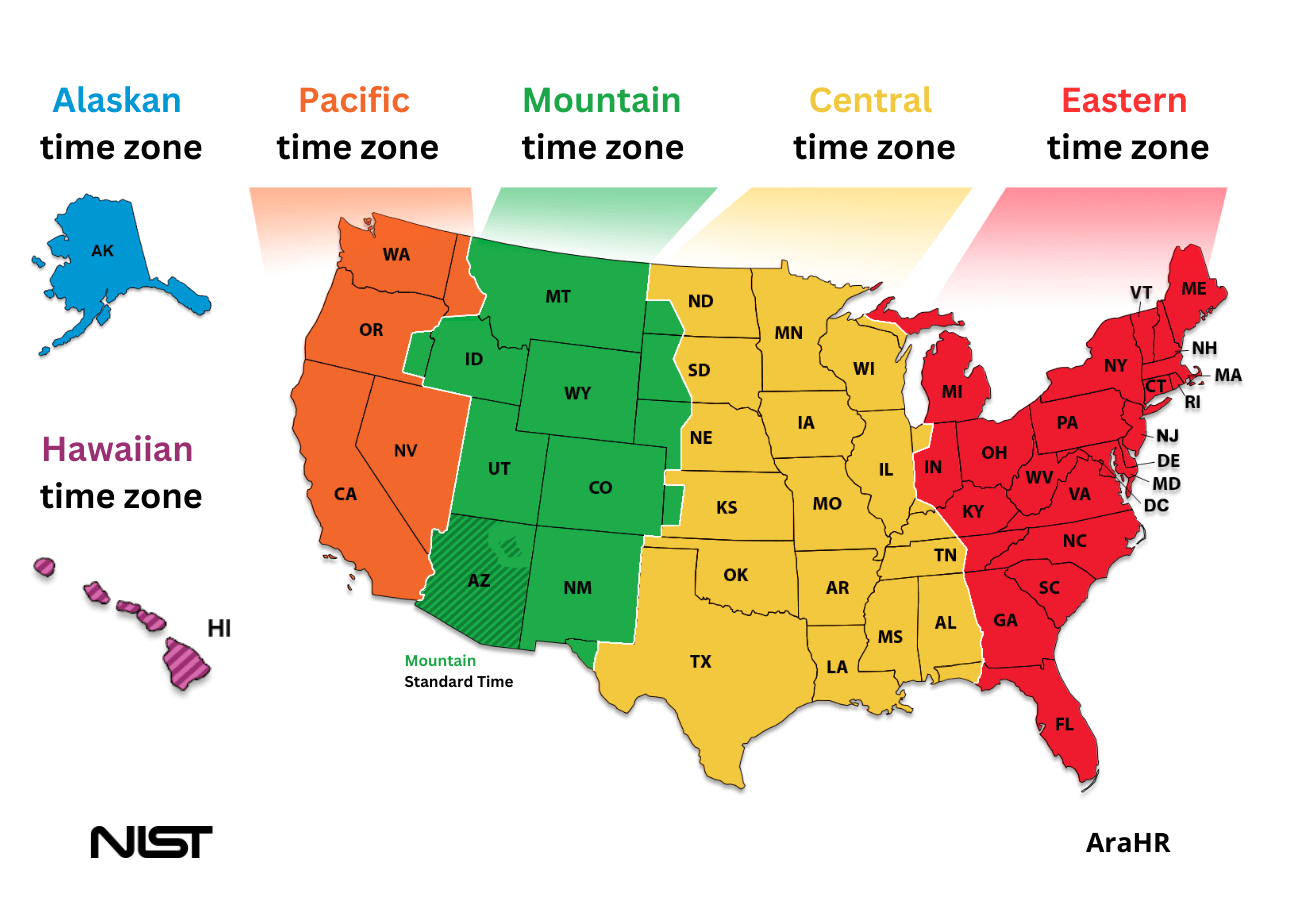
The towns of West Wendover and Jackpot, both located in Elko County along the state’s eastern border, have opted to observe Mountain Time (MT) and Mountain Daylight Time (MDT). This decision is largely a matter of practical convenience and economic integration with their closest neighbors.
West Wendover, for instance, sits directly adjacent to Wendover, Utah, which observes Mountain Time. The two towns, though separated by a state line, function very much as a single community, sharing resources, services, and a significant amount of cross-border commerce and tourism. To avoid the constant confusion and logistical headaches of being in different time zones from their immediate neighbors, West Wendover adopted Mountain Time. During standard time, MT is UTC-7, and during daylight saving time, MDT is UTC-6. This alignment ensures that businesses, schools, and daily life operate in harmony with Utah, making it easier for commuters, shoppers, and tourists traveling between the two states.
Similarly, Jackpot, located in northern Elko County near the Idaho border, also observes Mountain Time. Its primary economic and social ties are with southern Idaho, which is on Mountain Time. As a popular casino resort town, Jackpot draws many of its visitors and much of its workforce from across the state line. Aligning its clocks with Idaho streamlines operations for its hotels and gaming establishments and simplifies travel for its patrons. These decisions highlight how local economies and cross-border relationships can sometimes take precedence over statewide time zone consistency.
Travel Implications for Visitors to These Unique Areas
For travelers journeying into or out of West Wendover or Jackpot, being aware of the time zone shift is crucial. Imagine driving from Las Vegas (Pacific Time) towards West Wendover (Mountain Time); you’ll effectively lose an hour as you cross into these areas. Conversely, traveling west from these towns back into the main body of Nevada will see you gain an hour.
This shift can impact everything from hotel check-in times to dinner reservations and scheduled activities. A restaurant reservation made for 7 PM in West Wendover will feel like 6 PM to someone who just arrived from Reno. Local businesses, attractions, and tourism services in these areas operate strictly on Mountain Time. Your phone or GPS device will typically adjust automatically, but it’s always wise to double-check, especially if you’re relying on paper itineraries or have set your watch manually. This foresight is particularly important for business travelers scheduling meetings or for families trying to maintain a consistent routine for young children. Whether you’re planning to try your luck at Jackpot’s resorts or explore the unique desert landscape around West Wendover, a quick check of the local time zone will ensure your visit is smooth and enjoyable.
Time Zone Wisdom for Every Nevada Traveler
Navigating time zones can sometimes feel like solving a puzzle, especially when traveling across vast distances or encountering regional exceptions. For a multifaceted destination like Nevada, mastering time zone changes is a valuable skill that enhances every aspect of your trip, from initial planning to enjoying local culture and managing your well-being.
Planning Your Itinerary Across Time Zones
Effective itinerary planning is paramount for any traveler heading to Nevada. For those arriving from the East Coast or other distant locations, the time difference can be substantial, often leading to jet lag. When flying into Las Vegas, for example, an arrival from New York (Eastern Time) means a three-hour time difference that requires careful consideration. Plan your arrival day with lighter activities, allowing time to settle into your hotel and adjust. Hydration, exposure to natural light, and gradually shifting your sleep schedule a few days before departure can help mitigate the effects of jet lag.
When planning multi-state trips, such as combining a visit to Nevada with neighboring Arizona or California, pay close attention to each state’s time zone policies. While most of California observes Pacific Time, Arizona does not observe daylight saving time in most areas, meaning its time zone relative to Nevada can shift by an hour depending on the season. Utilizing modern technology, such as smartphones with automatic time zone detection and travel apps that display multiple time zones, is highly recommended. These tools can be invaluable for coordinating bookings, communicating with tour operators, or simply ensuring you arrive on time for a coveted show on the Las Vegas Strip or a sunrise hike in Red Rock Canyon National Conservation Area.

How Time Zones Influence Accommodation and Lifestyle
The impact of time zones extends deeply into the practicalities of accommodation and the overall lifestyle during your stay in Nevada. When booking hotels, always confirm check-in and check-out times in the local time zone. This prevents any misunderstandings or unexpected fees, especially if your flight schedule doesn’t perfectly align with standard hotel hours. Many resorts and hotels, particularly in destinations like Las Vegas or Lake Tahoe, offer 24-hour services, but specific amenities like spas, fine dining restaurants, or pool access might have fixed local schedules.
For business travelers, managing time zone differences is critical for productivity. Coordinating virtual meetings with colleagues in different parts of the country requires meticulous planning to avoid early morning calls or late-night sessions. The dynamic nature of Nevada’s lifestyle, from bustling casinos that never close to serene natural parks with strict opening hours, means that being time-aware is key to maximizing your experience. Family trips also benefit from time zone considerations; adjusting children’s sleep schedules, planning activities around nap times, and ensuring meal consistency can make a significant difference in everyone’s enjoyment. Luxury travelers might rely on concierge services to manage these details, but even for budget-conscious explorers, understanding time zones allows for smarter planning of activities and making the most of every moment. From enjoying the local culture and cuisine to embarking on outdoor adventures, every aspect of your Nevada journey is intertwined with its time.
In conclusion, while the dazzling lights of Las Vegas and the majestic beauty of Lake Tahoe might grab your attention first, a comprehensive understanding of what time zone Nevada is in forms the backbone of a successful trip. Most of the state observes Pacific Time, neatly aligning with California and offering a straightforward experience for visitors. However, the unique decisions of West Wendover and Jackpot to adopt Mountain Time serve as important reminders to always verify local conditions. By being mindful of these time differences, especially when crossing state lines or planning intricate itineraries, travelers can ensure smooth transitions, avoid missed appointments, and fully immerse themselves in all the unforgettable experiences that Nevada has to offer, making every moment count.
LifeOutOfTheBox is a participant in the Amazon Services LLC Associates Program, an affiliate advertising program designed to provide a means for sites to earn advertising fees by advertising and linking to Amazon.com. Amazon, the Amazon logo, AmazonSupply, and the AmazonSupply logo are trademarks of Amazon.com, Inc. or its affiliates. As an Amazon Associate we earn affiliate commissions from qualifying purchases.