
Planning a trip to the vibrant, culturally rich city of New Orleans is an exciting endeavor, filled with visions of jazz-filled nights, delicious Creole cuisine, and historical exploration. However, amidst the excitement of choosing attractions and booking accommodation, one seemingly minor detail can significantly impact your entire travel experience: understanding the local time zone. For those wondering, “What time zone is New Orleans in?”, the answer is straightforward yet crucial for seamless planning.
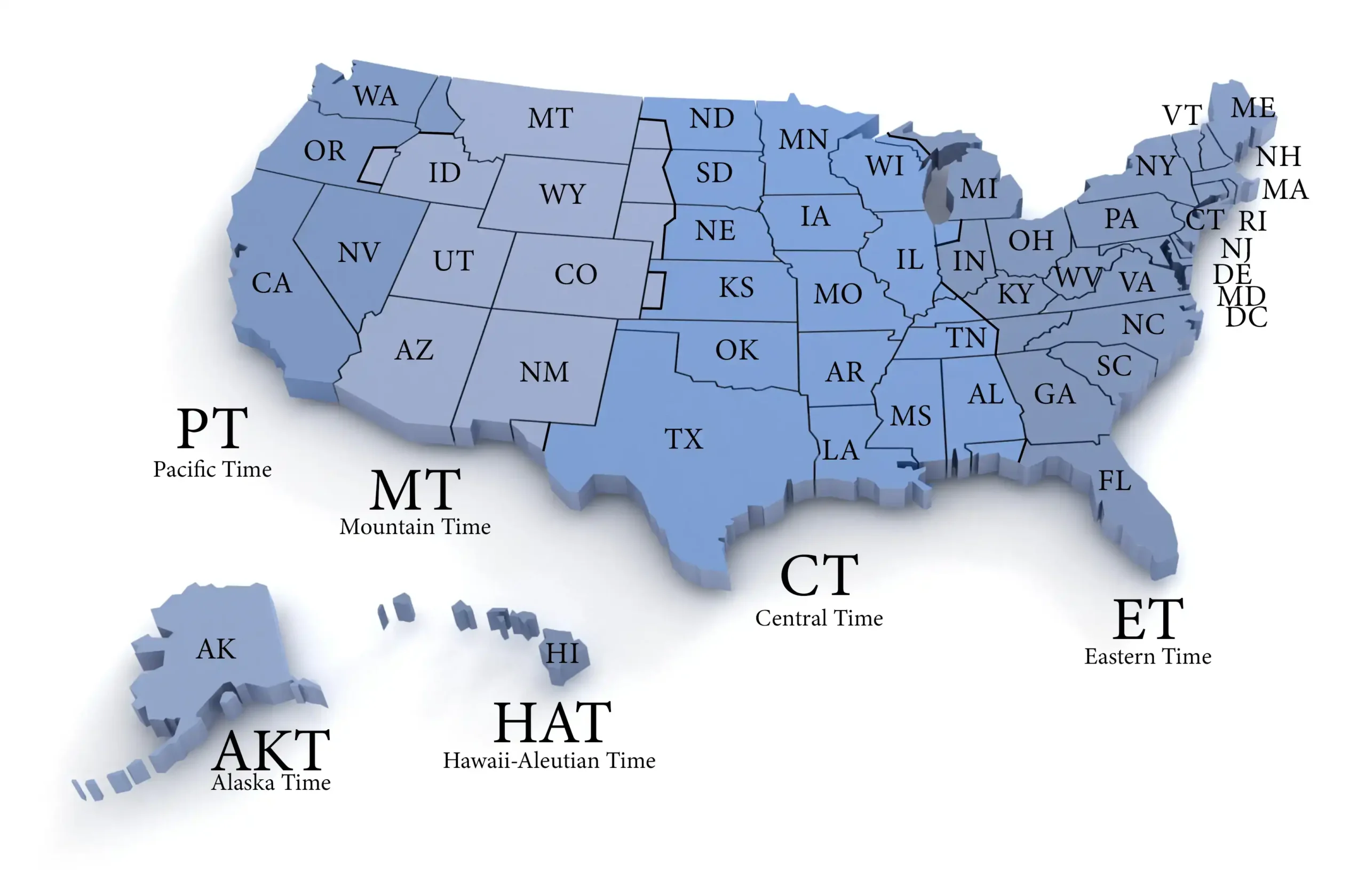
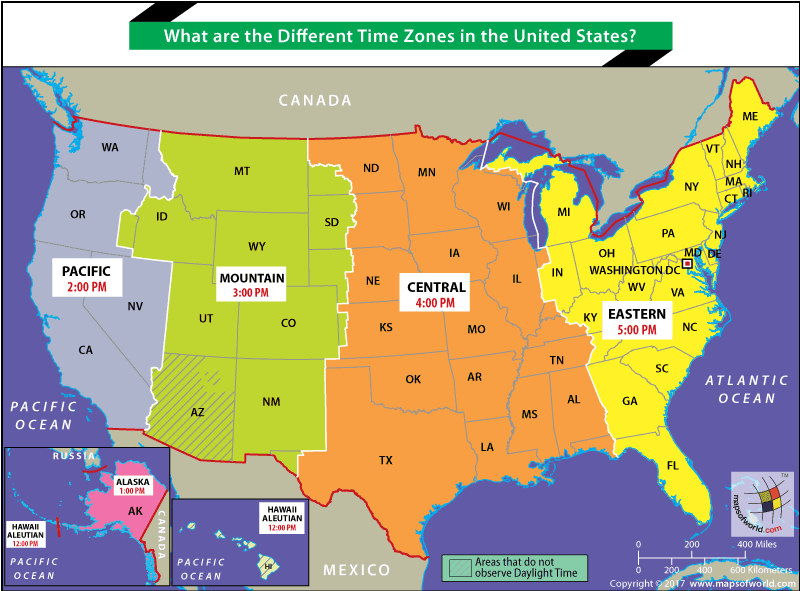
New Orleans, Louisiana, observes the Central Time Zone. This means it operates on Central Standard Time (CST) during the fall and winter months and switches to Central Daylight Time (CDT) during spring and summer. Knowing this seemingly simple fact is the first step towards ensuring your travel itinerary flows perfectly, from catching your flight to making those coveted dinner reservations and experiencing the city’s unique rhythm. Whether you’re flying in from the Eastern Time Zone, the Pacific Time Zone, or anywhere else across the globe, aligning your internal clock with that of New Orleans is fundamental for a truly immersive and stress-free adventure.
Understanding New Orleans’ Time Zone: CST and CDT
The concept of time zones, while globally standardized, can still cause confusion, especially when Daylight Saving Time comes into play. For New Orleans, this means a shift between two distinct settings throughout the year.
Central Standard Time (CST): The Standard Setting
During the cooler months, typically from early November to mid-March, New Orleans operates on Central Standard Time (CST). This time zone is designated as UTC-6, meaning it is six hours behind Coordinated Universal Time. For travelers arriving from other time zones, particularly those east of Louisiana, this often means turning your clocks back an hour or more upon arrival.
During the CST period, the city settles into a slightly earlier rhythm. Mornings can feel crisper, and sunsets arrive a bit sooner, around 5:00 PM to 6:00 PM. This can influence your planning for outdoor activities or daytime tours that rely on natural light, such as exploring the Garden District‘s opulent mansions or taking a serene stroll through Audubon Park. For those planning a cozy culinary experience, earlier dinner reservations might be more common, allowing for an evening of jazz in the French Quarter afterward. Understanding CST is crucial for aligning your internal clock with the city’s, ensuring you don’t miss out on opening hours for museums like the National WWII Museum or the New Orleans Museum of Art, both of which adhere strictly to local time.
Central Daylight Time (CDT): Springing Forward
As spring arrives, typically on the second Sunday in March, New Orleans “springs forward” into Central Daylight Time (CDT). Clocks are advanced by one hour, shifting the time zone to UTC-5. This change ushers in longer evenings, with sunsets occurring later, often past 7:00 PM or even 8:00 PM during the peak of summer.
The switch to CDT significantly impacts the local lifestyle and tourism landscape. The extended daylight hours are perfect for enjoying outdoor festivals, evening swamp tours along the Mississippi River, or simply lingering longer over a cocktail on a French Quarter balcony. Many of New Orleans’ iconic events, like the famed Mardi Gras celebrations (though often before the DST switch) and numerous spring and summer music festivals, take full advantage of these extra hours of daylight. Planning your activities during CDT means you can pack more into your days, perhaps an afternoon visit to the Audubon Aquarium of the Americas followed by a delightful dinner and then a leisurely stroll down Frenchmen Street to catch live music. This period is particularly appealing for family trips, as children can enjoy outdoor attractions for longer without feeling rushed by early sunsets.
Why Time Zones Matter for Your New Orleans Trip
Understanding New Orleans’ time zone is not merely a technicality; it’s a fundamental aspect of successful travel planning. From the moment you begin your journey to the last farewell, local time influences every interaction and experience.
Seamless Travel Planning and Arrivals
One of the most immediate impacts of time zones is on travel logistics. If you’re flying into Louis Armstrong New Orleans International Airport (MSY), all your flight schedules, connection times, and estimated arrival times will be displayed in the local time zone of each respective location. Miscalculating this can lead to missed connections, early arrivals at an empty gate, or late arrivals after your ground transportation has departed.
Jet lag, a common affliction for travelers crossing multiple time zones, is another significant factor. Arriving from the Eastern Time Zone means you’ll gain an hour, which can ease the transition slightly. However, coming from the Pacific Time Zone or further west means losing two or more hours, potentially causing fatigue and disrupting your sleep cycle upon arrival. Smart travelers factor this in by scheduling a slightly lighter itinerary for their first day, allowing time for rest and adjustment.
Moreover, coordinating with your hotel or accommodation is critical. Hotels like The Roosevelt New Orleans, A Waldorf Astoria Hotel or Hotel Monteleone operate strictly by local time for check-in and check-out. Arriving earlier than anticipated due to a miscalculation could mean waiting hours for your room, while a late check-out assumption could incur extra fees. For those opting for apartments or villas through platforms like Airbnb, clear communication about your arrival time in local hours is paramount to ensure a smooth handover of keys.
Maximizing Your New Orleans Experience
Beyond travel practicalities, the time zone dictates the pulse of New Orleans’ vibrant tourism scene. Every attraction, restaurant, and entertainment venue adheres to the local clock, and missing these schedules means missing out on unforgettable experiences.
Consider landmarks and attractions: the iconic St. Louis Cathedral and Jackson Square, while always accessible for exterior viewing, have specific hours for interior visits or guided tours. Museums, art galleries, and specialized tours such as Ghost Tours or Swamp Tours all have strict departure or closing times. Imagining you have an extra hour only to find the gates to Louis Armstrong Park are locked can be a frustrating experience.
Dining in New Orleans is an experience in itself, from casual beignets and coffee at Café Du Monde to upscale Creole cuisine at Commander’s Palace or Galatoire’s. Popular restaurants, especially those in high demand, often require reservations weeks in advance. Missing a reservation due to a time zone miscalculation could mean foregoing a highly anticipated culinary delight. Similarly, if you’re hoping to catch a show at Preservation Hall or immerse yourself in the live music scene on Frenchmen Street, knowing the correct local time is essential for timing your arrival and securing a good spot. Even for simpler joys, like catching the earliest ferry to Algiers Point or the last streetcar ride through the Garden District, precision with the local time is key.
Navigating Time Differences: Tips for Travelers
Equipping yourself with the right strategies for managing time differences can elevate your trip from good to extraordinary, ensuring you savor every moment in New Orleans.
Before You Go: Preparation is Key
The groundwork for a smooth time zone transition begins long before you pack your suitcase.
- Confirm Flight Times: Always double-check your flight itineraries, ensuring you understand departure and arrival times in the local time zone of each airport. Many apps and airline websites automatically adjust this, but a manual check provides peace of mind.
- Inform Your Network: Let friends and family know about the time difference so they don’t call you at an inconvenient hour. This is especially important for business travelers on a business stay who might need to coordinate across time zones.
- Adjust Gradually (If Possible): For significant time differences (3+ hours), try to shift your sleep schedule by an hour or two each day in the days leading up to your trip. This pre-adjustment can significantly reduce the effects of jet lag.
- Utilize Technology: Set your phone and smart devices to automatically update to the local time upon arrival. Carry a traditional watch and set it to New Orleans time the moment you board your flight to mentally prepare. Time zone converter apps are also invaluable tools for quick checks.
- Review All Bookings: Go through your hotel reservations, tour bookings, and restaurant confirmations, noting all times in New Orleans local time. This proactive approach helps identify any potential conflicts or misunderstandings.
During Your Stay: Embrace the Rhythm
Once you’ve arrived, focus on immersing yourself in the local rhythm while managing your internal clock.
- Hydrate and Rest: Combat jet lag by staying well-hydrated and prioritizing sleep, especially on your first day. Even a short nap can help your body adjust.
- Embrace Natural Light: Spend time outdoors in the daylight. Exposure to natural light helps regulate your circadian rhythm, signaling to your body when to be awake and when to sleep. A morning walk through City Park or along Bourbon Street can be invigorating.
- Plan Buffer Times: Don’t overschedule your days, especially initially. Allow extra time to get to attractions, for meals, and for simply soaking in the atmosphere. This flexibility accounts for unexpected delays and allows for spontaneous discoveries.
- Live by Local Time Immediately: Resist the urge to stick to your home time. Eat meals, go to bed, and wake up according to New Orleans time. This is the fastest way for your body to acclimate.
- Enjoy New Orleans’ Unique Lifestyle: The city has a pace all its own, blending early morning beignets and coffee with vibrant late-night music. Adapting to this flow is part of the experience, whether you’re exploring the historic Lafayette Cemetery No. 1 in the morning or enjoying Dooky Chase’s Restaurant for dinner.
Beyond Time: Immersing in the New Orleans Experience
While understanding New Orleans’ time zone is a critical logistical detail, it ultimately serves as a gateway to a deeper, more enriching travel experience. It allows you to synchronize with the city’s pulse, ensuring you’re present and engaged for every moment.
Your choice of accommodation, for instance, often dictates how you interact with the city’s timeline. Luxury resorts in the Central Business District might cater to a different schedule than a boutique hotel in the Marigny. Historic properties like The Old No. 77 Hotel & Chandlery offer a blend of comfort and proximity to key areas, making early morning explorations or late-night returns convenient. Planning ahead for check-in and check-out times, always in local time, ensures a smooth transition to and from your temporary home.
Tourism in New Orleans is a kaleidoscope of options. From food tours that explore the city’s culinary heritage to cooking classes that teach you the secrets of Cajun and Creole cuisine, each activity operates on a precise schedule. Knowing the time allows you to perfectly slot these experiences into your itinerary, whether you’re embarking on a self-guided stroll through Jackson Square at dawn or joining a spirited Ghost Tour after dark. Seasonal events, particularly Mardi Gras, have elaborate parade schedules and related events that are meticulously timed, and missing a specific parade because of a time zone error would be a significant disappointment for any festivalgoer.
The local lifestyle in New Orleans is intrinsically linked to its time zone. It’s a city that wakes up early for its coffee and beignets and stays up late for its jazz clubs. Whether you’re a luxury traveler indulging in fine dining and private tours, or a budget traveler exploring the free sights and street performers, adapting to the local time allows you to fully participate in this unique rhythm. For family trips with young children, managing bedtimes and meal schedules around the local time zone is crucial for keeping everyone happy and energized. Even for a business stay, respecting the local time allows for efficient scheduling of meetings and professional engagements, while leaving room to appreciate the city’s charm.
In conclusion, New Orleans operates on the Central Time Zone, shifting between Central Standard Time (CST) and Central Daylight Time (CDT) with the observance of Daylight Saving Time. This fundamental piece of information is far more than a mere detail; it is the cornerstone of effective travel planning. By understanding and adjusting to the local time, you unlock the full potential of your visit, ensuring timely arrivals, seamless experiences at attractions and restaurants, and a deeper immersion into the unforgettable culture and lifestyle that only New Orleans can offer. Prepare wisely, set your clock, and get ready to laissez les bons temps rouler!
LifeOutOfTheBox is a participant in the Amazon Services LLC Associates Program, an affiliate advertising program designed to provide a means for sites to earn advertising fees by advertising and linking to Amazon.com. Amazon, the Amazon logo, AmazonSupply, and the AmazonSupply logo are trademarks of Amazon.com, Inc. or its affiliates. As an Amazon Associate we earn affiliate commissions from qualifying purchases.