
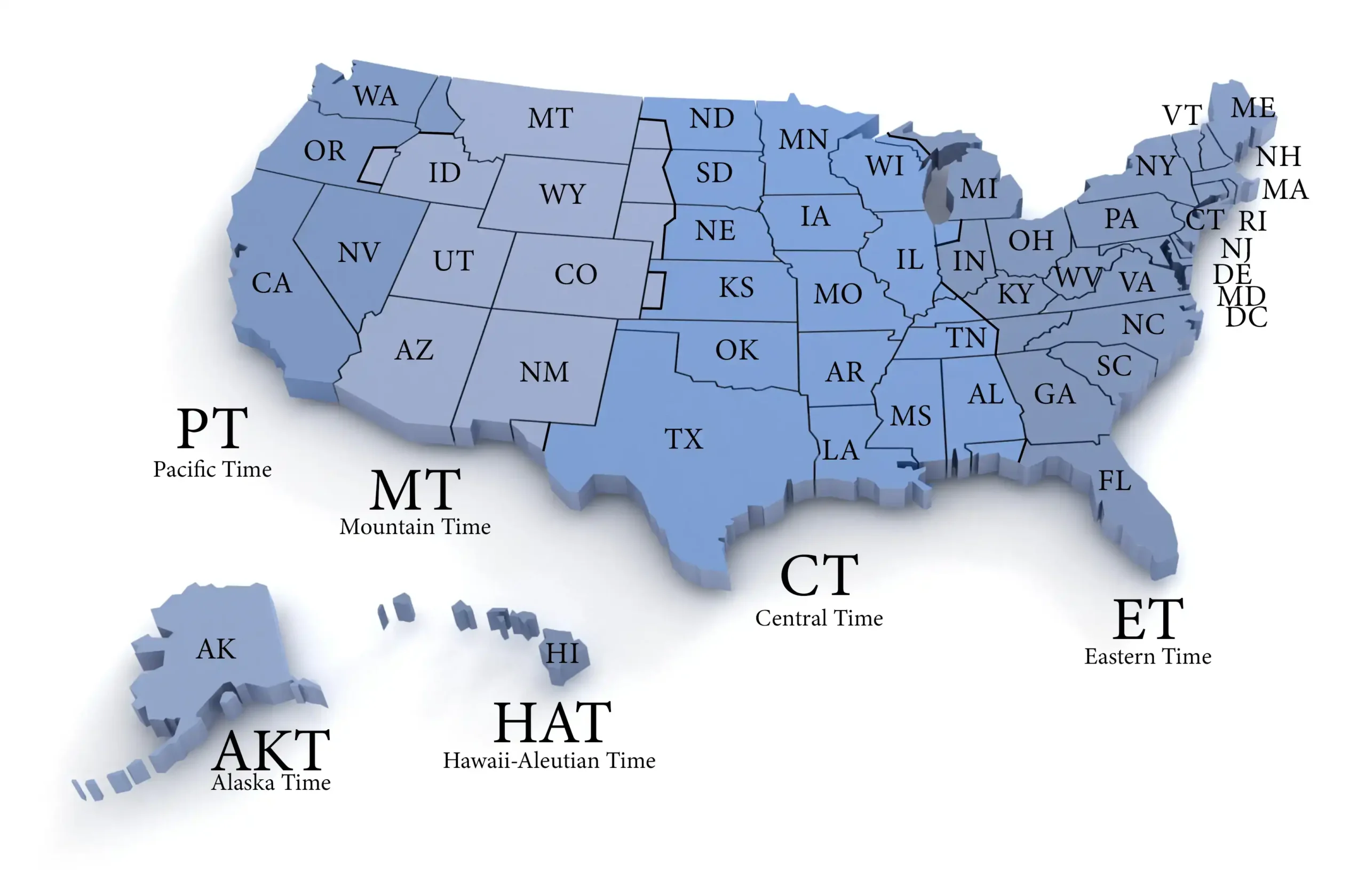
For travelers, business professionals, and even curious minds, understanding the local time zone of a destination is fundamental to planning a successful trip. When it comes to New York City, one of the world’s most dynamic and visited urban centers, knowing its time zone is not just a detail—it’s key to synchronizing with the pulse of the city that never sleeps. So, to answer definitively: New York City is located in the Eastern Time Zone (ET). This means it observes Eastern Standard Time (EST) during the colder months and Eastern Daylight Time (EDT) during the warmer months, as part of the broader system of Daylight Saving Time.
This article will delve into the specifics of New York’s time zone, exploring how it impacts travel, tourism, and daily life, and providing practical tips for navigating time differences to ensure a seamless and enjoyable visit. Whether you’re flying in from Europe, scheduling a crucial business meeting, or simply trying to catch a Broadway show on time, a clear grasp of New York’s temporal rhythm is invaluable.
Understanding New York’s Time Zone: EST and EDT
The Eastern Time Zone is one of the standard time zones in North America. It encompasses most of the eastern third of the United States and Canada, along with a few countries in the Caribbean and Central America. For New York City, specifically, its time is typically represented as a UTC (Coordinated Universal Time) offset.
During Eastern Standard Time (EST), which is observed from early November to mid-March, New York operates at UTC-5. This means it is five hours behind Coordinated Universal Time. For example, when it’s 12:00 PM UTC, it’s 7:00 AM in New York.
When Eastern Daylight Time (EDT) is in effect, from mid-March to early November, the clocks are moved forward by one hour. During this period, New York’s time is UTC-4, making it four hours behind Coordinated Universal Time. So, when it’s 12:00 PM UTC, it’s 8:00 AM in New York. This shift is implemented to make better use of daylight, providing longer evenings for activities and reducing energy consumption.

The transition between EST and EDT happens in the spring (moving forward) and in the fall (moving back). Knowing these periods is crucial, especially for international travelers or those scheduling events across different time zones, as it can subtly alter arrival times, meeting schedules, and the overall duration of daylight for sightseeing. The dynamic nature of the time zone in New York means that planning requires a quick check of whether it’s currently standard or daylight saving time.
Navigating Time Differences for Travelers to New York
For anyone venturing to New York, whether for leisure or business, managing the time difference is a critical component of a successful journey. The city’s vibrancy demands that visitors are well-rested and prepared to immerse themselves in its relentless energy.
Planning Your Arrival: Jet Lag Management
Jet lag is an inevitable companion for many long-haul travelers. Arriving in New York from vastly different time zones, such as Asia or Europe, means resetting your internal clock by several hours. For instance, travelers from London or Paris will face a 5-6 hour difference, while those from Tokyo or Sydney will experience an even more significant shift, potentially up to 13-16 hours.
To mitigate the effects of jet lag:
- Adjust Gradually: Before your flight, try to adjust your sleep schedule by an hour or two each day to align closer with New York’s time.
- Hydrate and Avoid Alcohol/Caffeine: Stay well-hydrated during your flight and limit substances that can disrupt sleep patterns.
- Seek Sunlight: Upon arrival, expose yourself to natural light as much as possible, especially in the morning. This helps reset your body’s circadian rhythm.
- Strategic Napping: If you must nap, keep it short (20-30 minutes) and avoid napping too close to bedtime.
- Choose the Right Accommodation: Opt for hotels with blackout curtains or soundproofing to create an optimal sleep environment, allowing you to catch up on rest on your own schedule. Many upscale hotels in Manhattan offer such amenities, crucial for a good night’s sleep.
Scheduling Activities and Tours
New York is packed with attractions and experiences, from ascending the Empire State Building to visiting the Metropolitan Museum of Art. When pre-booking tickets or making reservations, always confirm the times are in the local New York time zone. Many online booking platforms will automatically adjust, but double-checking avoids disappointment. A matinee Broadway show at 2 PM local time might feel like an early start to someone still on West Coast US time, or an evening dinner reservation at 7 PM could feel like midnight.
Consider your energy levels when scheduling. If you’re prone to early morning jet lag, perhaps defer that sunrise visit to the Statue of Liberty until a day or two after arrival, allowing yourself to adjust. Conversely, if you arrive feeling energetic, capitalize on that initial burst to explore areas like Times Square or Rockefeller Center that thrive into the late hours.
Business Travel Considerations
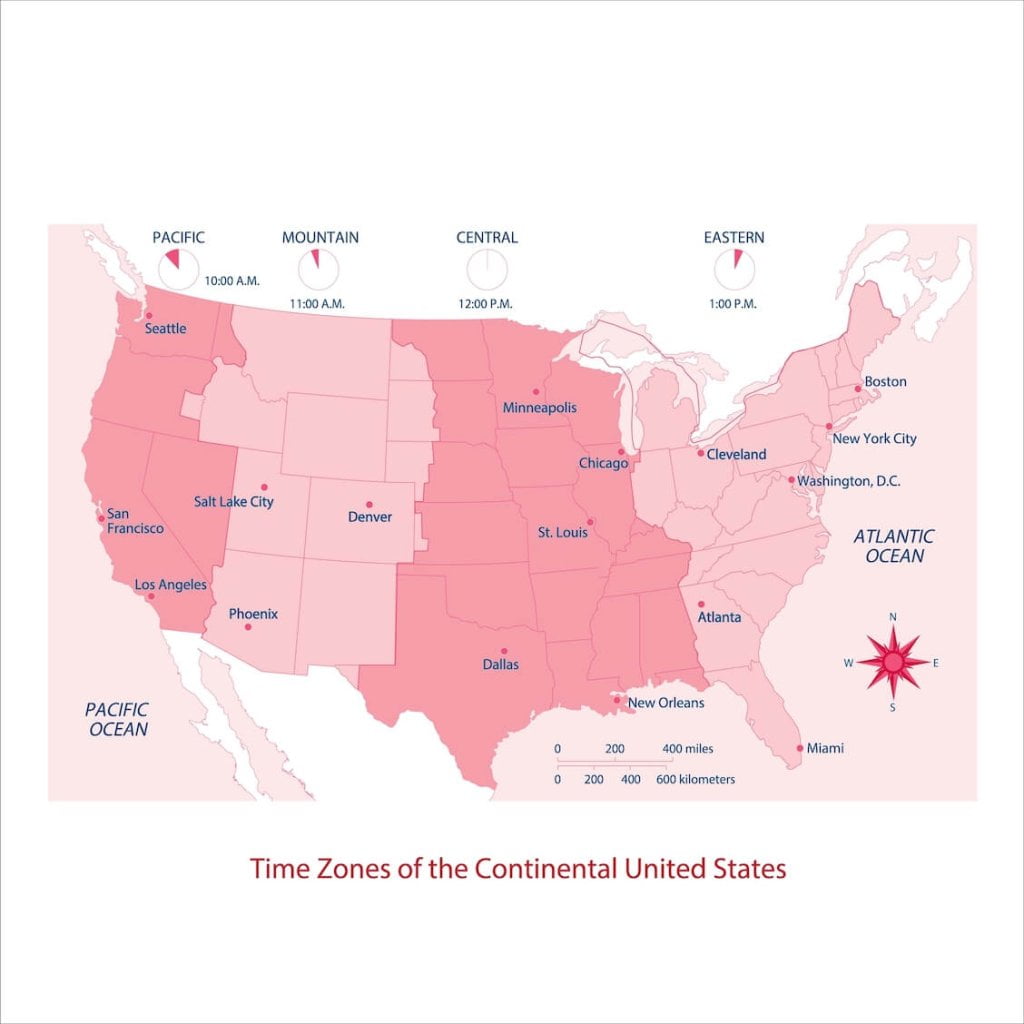
For those traveling to New York for business, time zone management is even more critical. Meetings, conferences, and networking events often adhere to strict schedules. Communicating with colleagues or clients in different time zones requires meticulous planning. If you have colleagues on the West Coast (Pacific Time, PT), remember there’s a three-hour difference, so an 9 AM New York meeting is 6 AM for them. Similarly, connecting with European partners often means early morning calls in New York or late evening calls in Europe.
Utilize online time zone converters and scheduling tools to avoid conflicts. Always specify “ET” or “EDT” when scheduling to eliminate any ambiguity. Business hotels often cater to these needs, offering 24-hour fitness centers, early breakfast options, and well-equipped business centers to accommodate various schedules.
Time Zone’s Impact on the New York Experience
The time zone isn’t just a technical detail; it’s intricately woven into the fabric of daily life in New York, influencing everything from dining to nightlife and the city’s economic heartbeat.
The Rhythm of the City That Never Sleeps
New York’s reputation as “the city that never sleeps” is partly a consequence of its time zone and its global importance. The financial markets on Wall Street open at 9:30 AM ET, setting an early pace for the city’s economic engines. This early start, combined with staggered office hours and a vibrant service industry, means there’s always something happening.
Dining experiences can span from early breakfast meetings to late-night suppers. Neighborhoods like Greenwich Village and SoHo buzz with restaurants and bars late into the night. Public transportation, particularly the MTA subway, operates 24/7, enabling residents and tourists alike to move across Manhattan, Brooklyn, Queens, and The Bronx at any hour, underscoring the city’s continuous rhythm. Understanding this constant flow helps visitors immerse themselves fully, planning their days and nights to match the city’s tireless energy.
Maximizing Your Stay: Daylight Hours and Seasonal Changes
The shift between EST and EDT significantly impacts the amount of daylight available, which in turn influences outdoor activities and sightseeing plans.
- Spring/Summer (EDT): With clocks moved forward, evenings are longer and brighter. This is ideal for enjoying Central Park, strolling along The High Line, taking a ferry past the Statue of Liberty, or exploring neighborhoods like DUMBO near the Brooklyn Bridge well into the evening. Rooftop bars and outdoor dining spaces thrive during these months, offering stunning sunset views over the Hudson River or the Atlantic Ocean. For families on vacation, the extended daylight provides more opportunities for outdoor fun.
- Autumn/Winter (EST): As clocks fall back to EST, daylight hours shorten, leading to earlier sunsets. While this might limit some outdoor activities, it ushers in a different kind of charm. New York transforms into a winter wonderland with holiday lights, ice skating rinks, and cozy indoor attractions like the Guggenheim Museum or the American Museum of Natural History. Travelers should plan indoor activities or evening shows to fill the darker hours. The shorter days also mean that iconic landmarks like the World Trade Center or the 9/11 Memorial & Museum might be best visited during peak daylight.
Awareness of these seasonal shifts in daylight can help travelers pack appropriately and plan their itineraries for the best experience, whether they are on a luxury travel excursion or a budget travel adventure.
Connecting Beyond New York: Time Zones and Global Travel
While New York’s time zone dictates local activities, its position within a global network of time zones is equally important for any extensive travel or business.
Eastern Time and Its Neighbors
The Eastern Time Zone is bordered by the Central Time Zone to its west and the Atlantic Time Zone to its east. For domestic travelers within the United States, these transitions are common. For instance, a quick flight from New York to Chicago (Central Time) means losing an hour, while a flight to Florida or Boston keeps you in the same time zone. This makes planning multi-city itineraries relatively straightforward, though checking the exact time zone for each destination is always a good practice. New York State itself entirely observes the Eastern Time Zone.
Global Time Zone Awareness for International Visitors
For international visitors, the time difference can be substantial. When scheduling calls home, booking international flights, or simply communicating with friends and family abroad, understanding the UTC offsets for various global cities is vital.
- From Europe: New York is generally 5-6 hours behind most Western European countries (e.g., London, Paris).
- From Asia: The difference is much larger, with New York being 12-13 hours behind Tokyo and 15-16 hours behind Sydney.
- From South America: Time differences vary, with some countries like Brazil being one or two hours ahead or behind, while others like Argentina might be in the same time zone as New York during parts of the year.
Travel apps and online time zone converters are indispensable tools for international travelers. Services like World Time Buddy or built-in phone features can help you visualize and calculate time differences, ensuring you don’t miss important calls or misinterpret arrival times. This careful planning is part of creating a seamless travel experience, from booking accommodation to enjoying local culture and food.
Practical Tips for a Seamless Time Zone Transition in New York
Successfully navigating New York’s time zone involves a blend of proactive planning and on-the-ground execution. Here are some actionable tips to ensure your trip is as smooth as possible:
- Set Your Devices Immediately: As soon as you land at John F. Kennedy International Airport, LaGuardia Airport, or Newark Liberty International Airport, set your watch and all electronic devices to New York’s local time. This psychological shift is the first step in adjusting your internal clock.
- Confirm All Bookings in Local Time: Whether it’s your reservation at a luxury hotel on Fifth Avenue, a walking tour of Chelsea Market, or a dinner cruise, always double-check that the times listed are for the Eastern Time Zone.
- Prioritize Early Sleep on Arrival: If you’re coming from the east (e.g., Europe), try to stay awake until New York’s bedtime. If coming from the west, consider taking a short nap but aim to be active during New York’s daylight hours.
- Stay Active During the Day: Engage in physical activities during daylight hours. Exploring on foot, visiting museums, or walking through Central Park can help signal to your body that it’s daytime.
- Leverage Public Transportation: The MTA subway system is incredibly efficient and runs 24/7. Using it can save valuable time traveling between landmarks and attractions, allowing you to maximize your waking hours without worrying about traffic.
- Stay Flexible, Especially with Children: For family trips, children often struggle more with jet lag. Build in flexibility for naps and downtime. Many New York resorts and accommodations offer family-friendly amenities that can aid in this adjustment.
- Utilize Hotel Amenities: Many hotels offer services like wake-up calls, fitness centers, and diverse dining options designed to accommodate travelers on different schedules. Don’t hesitate to use them to help you adapt.
- Consult Local Guides and NYC & Company: These resources are invaluable for current event timings, seasonal recommendations, and tips tailored to the city’s unique rhythm.
In conclusion, New York City operates in the Eastern Time Zone, alternating between EST (UTC-5) and EDT (UTC-4) with Daylight Saving Time. Far from being a mere technicality, this time zone is an integral part of the New York experience. By understanding its nuances and preparing accordingly, every traveler can fully embrace the energy, opportunities, and endless allure of this extraordinary global destination.
LifeOutOfTheBox is a participant in the Amazon Services LLC Associates Program, an affiliate advertising program designed to provide a means for sites to earn advertising fees by advertising and linking to Amazon.com. Amazon, the Amazon logo, AmazonSupply, and the AmazonSupply logo are trademarks of Amazon.com, Inc. or its affiliates. As an Amazon Associate we earn affiliate commissions from qualifying purchases.