
Embarking on a journey to a new city always involves a myriad of preparations: from booking the perfect hotel to scouting must-see landmarks and crafting an exciting itinerary of local experiences. Yet, one fundamental detail often overlooked until the last minute can significantly impact your travel plans and overall experience: understanding the local time zone. For those planning a visit to the vibrant heart of the Sooner State, the crucial question arises: What time zone is Oklahoma City?
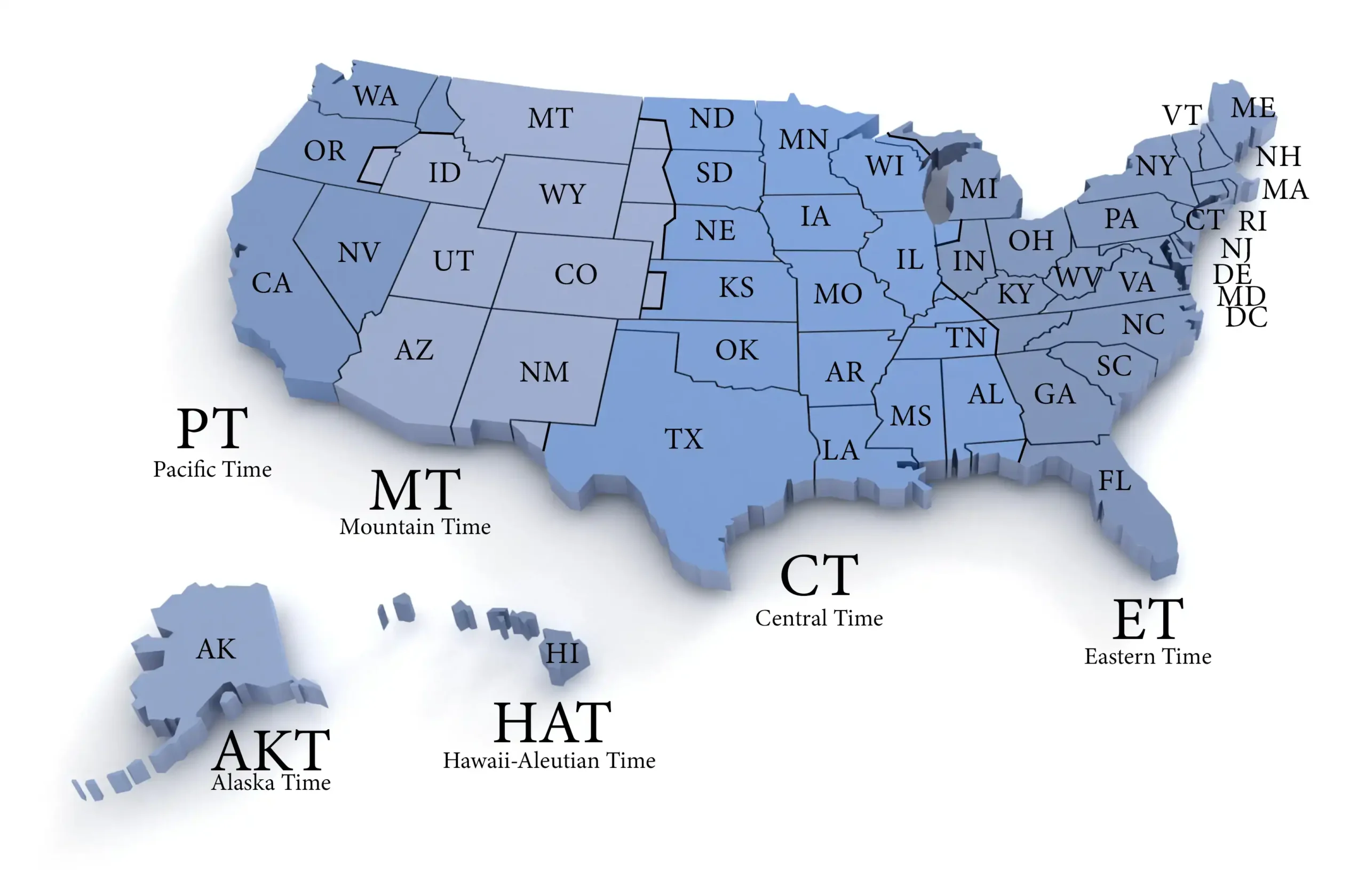
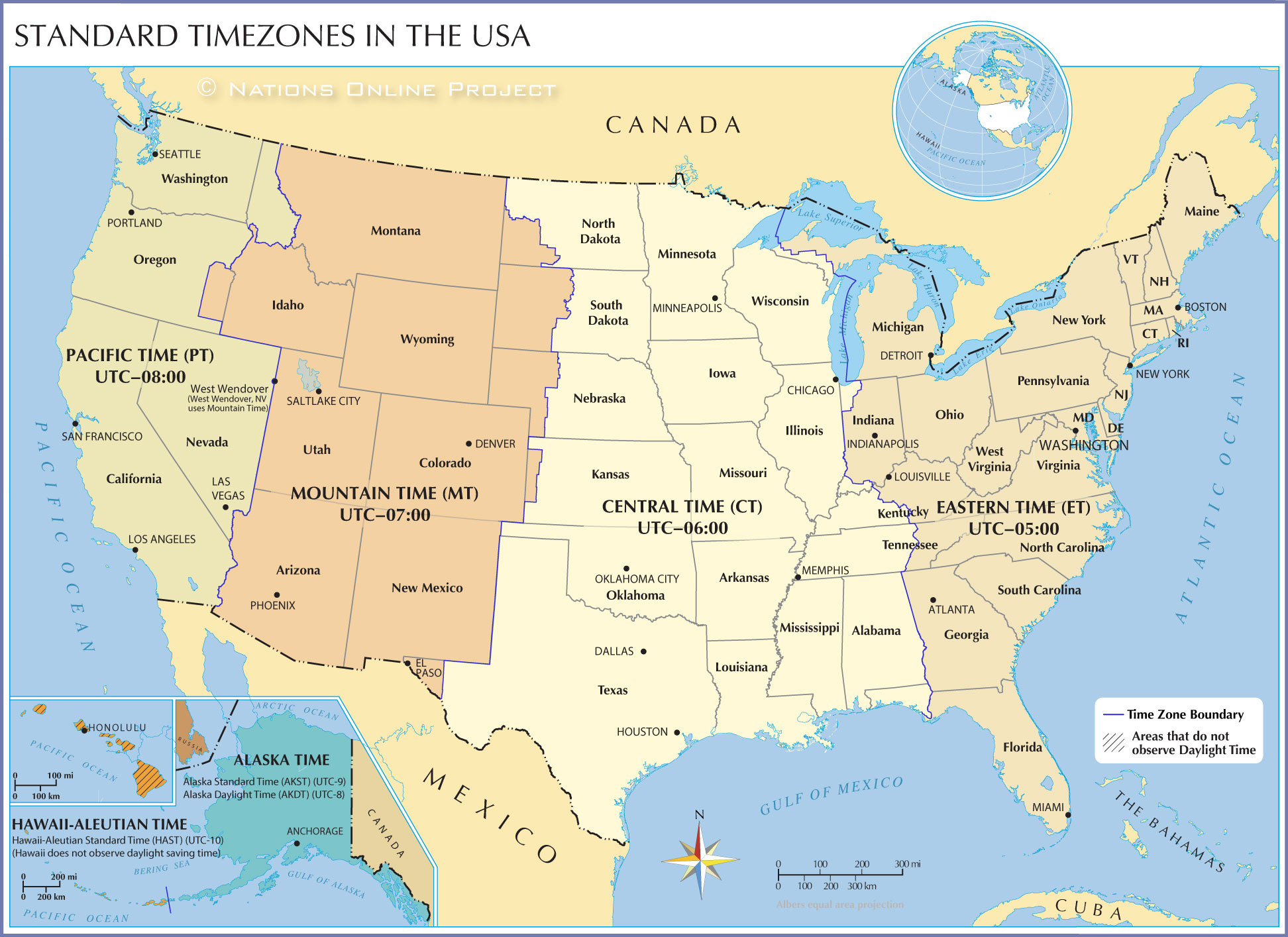
Oklahoma City, the capital of Oklahoma, proudly operates within the Central Time Zone (CT). This designation, shared by a significant portion of the central United States, means that travelers from various parts of the world, and even other regions of the US, will need to adjust their internal clocks and schedules to synchronize with the rhythm of this bustling metropolis. Understanding the nuances of Central Time, including its observance of Daylight Saving Time, is paramount for seamless travel, efficient accommodation planning, and a truly immersive tourism experience.
Understanding Oklahoma City’s Time Zone Landscape
The Central Time Zone is a geographical region that observes a uniform standard time. Like many time zones, it operates on two distinct settings throughout the year: Central Standard Time (CST) and Central Daylight Time (CDT). This biannual shift is crucial for anyone planning their visit, as it directly impacts daylight hours, business operating times, and event schedules.
Central Standard Time vs. Central Daylight Time
During the colder months, specifically from early November to mid-March, Oklahoma City observes Central Standard Time (CST). This period is denoted as UTC-6, meaning it is six hours behind Coordinated Universal Time (UTC), which serves as the primary standard by which the world regulates clocks and time. When the days begin to lengthen, typically on the second Sunday in March, Oklahoma City springs forward into Central Daylight Time (CDT), moving the clocks one hour ahead. This shift means the city operates at UTC-5, five hours behind UTC. The return to Central Standard Time occurs on the first Sunday in November, when clocks are set back an hour, effectively “gaining” an hour.
This transition, commonly known as Daylight Saving Time, is designed to make better use of daylight, shifting an hour of daylight from the morning to the evening. For travelers, this means longer daylight hours for exploring attractions like the Myriad Botanical Gardens or the Oklahoma City Zoo during the warmer months, but also a potential for confusion if not accounted for in pre-trip planning.
The Impact of Daylight Saving Time
The biannual clock change, while beneficial for optimizing daylight, presents a unique planning challenge for visitors. If your trip dates straddle these transition points, you must be particularly mindful. A flight scheduled to depart at 8:00 AM on the day Daylight Saving Time begins might feel like 7:00 AM to your body clock, potentially leading to missed connections or appointments if not mentally adjusted. Conversely, arriving when the clocks “fall back” could mean an unexpected extra hour, which might be a welcome bonus for sleep but still requires awareness for scheduling. Hotels, like the Skirvin Hilton Oklahoma City or the Omni Oklahoma City Hotel, will always operate on the correct local time, but your personal devices might need manual adjustment if not set to automatically update. Always confirm local time changes before and during your travel to avoid any disruptions to your meticulously planned itinerary.
Navigating Travel: Planning Your Oklahoma City Itinerary Across Time Zones
The implications of Oklahoma City’s Central Time Zone extend far beyond simply knowing what time it is. From the moment you book your flight to the last souvenir you purchase, time zones play a silent yet significant role in your travel experience.
Flights, Hotels, and Check-Ins: A Seamless Arrival
When flying into Will Rogers World Airport, your arrival time will be listed in local Oklahoma City time. However, if you’re departing from a different time zone, it’s essential to calculate the difference to understand your actual travel duration and when you should genuinely expect to land. Missing a flight or arriving at your accommodation much earlier or later than anticipated can cause unnecessary stress.
For hotel reservations, whether you’re staying at a luxury resort like the 21c Museum Hotel Oklahoma City or a budget-friendly apartment, check-in and check-out times are strictly adhered to in local time. If you arrive from, say, the Eastern Time Zone and your hotel’s check-in is 3:00 PM CT, remember that’s 4:00 PM ET for you. This distinction is critical for avoiding early arrival fees or simply waiting around. Similarly, booking local tours or experiences, from a river cruise along the Oklahoma River to a visit to the Oklahoma City National Memorial & Museum, requires careful synchronization with their published operating hours.
From East to West: Time Differences for Domestic Travelers
Travelers within the United States will encounter varying time differences when heading to Oklahoma City.
- From the Eastern Time Zone (New York, Miami, Boston): Oklahoma City is one hour behind. So, when it’s 10:00 AM in New York, it’s 9:00 AM in Oklahoma City. This slight difference is manageable but can still impact early morning meetings or late-night calls.
- From the Mountain Time Zone (Denver, Phoenix): Oklahoma City is one hour ahead. 10:00 AM in Denver means 11:00 AM in Oklahoma City.
- From the Pacific Time Zone (Los Angeles, Seattle): Oklahoma City is two hours ahead. So, a 10:00 AM breakfast in Los Angeles would be a 12:00 PM lunch in Oklahoma City. This two-hour jump can be more noticeable for business travelers or those with tightly packed schedules.
For family trips or group travel, ensuring everyone is on the same page regarding local time can prevent confusion and missed connections, whether you’re meeting for dinner in Bricktown or catching a game at the Paycom Center.
Bridging the Globe: International Travel Considerations
For international travelers, the time zone difference can be much more substantial, leading to more pronounced effects like jet lag. If you’re arriving from Europe (e.g., London or Paris, typically UTC+0 or UTC+1 respectively), Oklahoma City will be 6 to 7 hours behind, depending on Daylight Saving Time in both locations. From Asia (e.g., Tokyo at UTC+9), the difference can be as much as 14 to 15 hours.
These significant shifts require strategic planning for accommodation, especially if you’re arriving after a long-haul flight. Some travelers opt for hotels that offer late check-out options or early check-in (subject to availability) to allow for rest and adjustment. Others choose to book an extra night to ensure their room is ready upon a very early morning arrival. This proactive approach to managing time differences can greatly enhance your initial impression and overall enjoyment of Oklahoma City.
Experiencing Oklahoma City: Time and Local Lifestyle
Beyond travel logistics, understanding the Central Time Zone is vital for fully immersing yourself in the local culture and enjoying the vibrant lifestyle Oklahoma City has to offer.
Attractions and Activities: Synchronizing Your Visits
Oklahoma City boasts a diverse array of attractions, from historical landmarks to modern entertainment venues.
- Oklahoma City National Memorial & Museum: A profound historical site with specific opening and closing hours that are strictly adhered to in local CT. Plan your visit to ensure ample time for reflection.
- Myriad Botanical Gardens: Offers beautiful indoor and outdoor spaces, with hours that may vary seasonally, influenced by Daylight Saving Time to maximize visitor enjoyment during longer daylight hours.
- Science Museum Oklahoma: Ideal for families, check their schedule for special exhibits and show times.
- Frontier City: The thrilling amusement park often has extended hours during peak summer months when CDT is in effect, allowing for more evening fun.
When planning your daily activities, it’s always a good practice to double-check the operating hours of specific attractions online or via their official apps, as these times will always be presented in local Oklahoma City time. This ensures you make the most of your time and avoid any disappointment.
Dining and Entertainment: Embracing the Local Rhythm
Oklahoma City’s culinary scene is thriving, from upscale dining in Deep Deuce to authentic Western cuisine in Stockyards City. Restaurants, bars, and cafes operate on the local Central Time Zone. If you’ve booked a reservation for 7:00 PM CT, ensure your internal clock is aligned, especially after a long journey. The city’s nightlife, particularly in the lively Bricktown Entertainment District, kicks off according to local time. Shows at venues like the Civic Center Music Hall or concerts will begin precisely at their advertised CT start times.
For sports enthusiasts, catching an NBA game featuring the Oklahoma City Thunder at the Paycom Center is a quintessential experience. Game times are always listed in CT, so factor in travel time to the venue from your accommodation like the Ambassador Hotel Oklahoma City and pre-game festivities to arrive well before tip-off.
Business and Events: Keeping Pace with the City
Oklahoma City is also a growing hub for business and conventions. For those on a business stay, understanding the local time zone is non-negotiable. Meetings, conferences, and networking events will operate strictly on Central Time. Miscalculating the time could lead to missed opportunities or a less-than-professional impression. Even when coordinating with colleagues or clients in different time zones, always establish a common reference point—such as “10:00 AM CT” or “3:00 PM ET”—to avoid miscommunication. The Oklahoma City Convention Center, for instance, publishes all its event schedules in local time.
Practical Tips for Time Zone Adjustment and Enjoying Your Stay
Adjusting to a new time zone can be challenging, but with a few proactive steps, you can minimize its impact and fully enjoy your Oklahoma City adventure.
Strategies for Minimizing Jet Lag
For those crossing multiple time zones, particularly international travelers, jet lag can significantly affect the first few days of your trip.
- Adjust Before You Go: A few days before your trip, try to slowly shift your sleep schedule towards Oklahoma City time.
- Stay Hydrated: Drink plenty of water before, during, and after your flight to combat dehydration, which can exacerbate jet lag symptoms.
- Seek Sunlight: Upon arrival, expose yourself to natural light as much as possible, especially in the morning. This helps reset your body’s internal clock. Exploring Scissortail Park is an excellent way to get some fresh air and sunlight.
- Avoid Excessive Caffeine/Alcohol: While tempting, these can disrupt your sleep patterns.
- Nap Strategically: If you must nap, keep it short (20-30 minutes) to avoid falling into deep sleep and further confusing your body.
- Embrace Local Mealtimes: Try to eat meals at local Oklahoma City times, even if you’re not hungry. This cues your body to the new schedule.
Essential Tools and Resources for Travelers
- World Clock Apps: Utilize smartphone apps or online world clocks that allow you to track multiple time zones simultaneously. This is invaluable for coordinating with people back home or keeping track of your flight schedule.
- Automatic Time Zone Updates: Ensure your smartphone, laptop, and other electronic devices are set to automatically update their time zone based on your location. This is often the most reliable way to stay synchronized.
- Itinerary Planners: When crafting your travel guide, use tools that allow you to convert times or clearly denote all scheduled activities in Central Time. Many booking platforms already do this, but always double-check.
- Hotel Concierge: Don’t hesitate to consult your hotel’s concierge (at places like The National, Autograph Collection) for confirmation on local event times, business hours, or recommendations. They are an excellent local resource.

Making the Most of Every Moment in Oklahoma City
Ultimately, understanding that Oklahoma City resides in the Central Time Zone is the first step towards a smooth and enjoyable trip. By proactively accounting for time differences, especially during Daylight Saving Time transitions, you can avoid common travel pitfalls and fully immerse yourself in all that this dynamic city has to offer. From experiencing its rich history and vibrant culture to enjoying its diverse culinary scene and exciting entertainment, every moment will be well-spent and perfectly timed. So set your watches, synchronize your schedules, and get ready to explore Oklahoma City with confidence.
LifeOutOfTheBox is a participant in the Amazon Services LLC Associates Program, an affiliate advertising program designed to provide a means for sites to earn advertising fees by advertising and linking to Amazon.com. Amazon, the Amazon logo, AmazonSupply, and the AmazonSupply logo are trademarks of Amazon.com, Inc. or its affiliates. As an Amazon Associate we earn affiliate commissions from qualifying purchases.