
Embarking on a journey to the Emerald City, whether for leisure or business, often involves meticulous planning. Among the myriad details to consider—from booking the perfect hotel to mapping out your sightseeing itinerary—one crucial element frequently overlooked is understanding the local time zone. For travelers originating from different parts of the globe, or even just across the United States, knowing what time it is in Seattle can make all the difference between a smooth transition and a disorienting start to your trip. So, let’s cut to the chase: Seattle, Washington State, operates within the Pacific Time Zone.
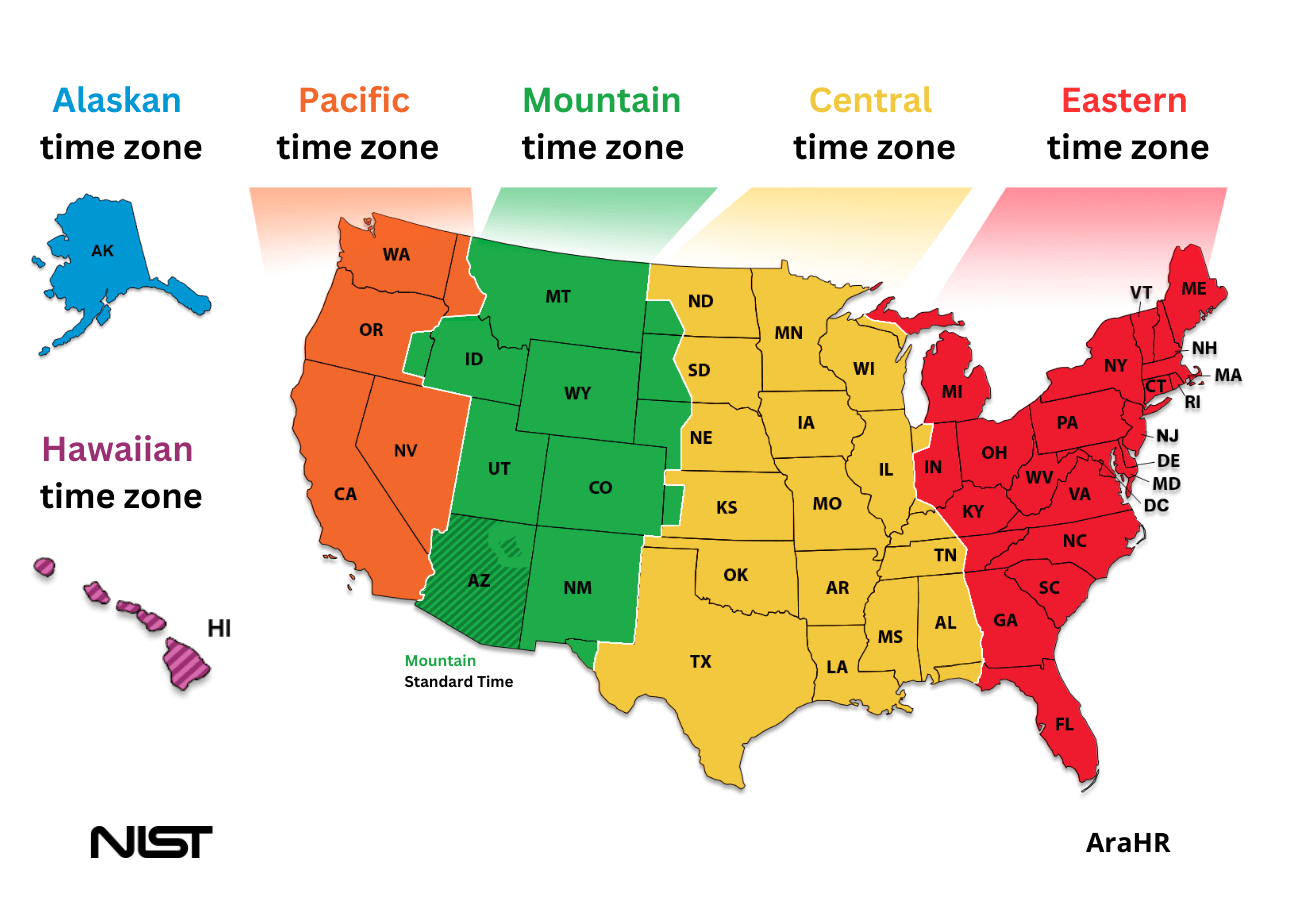
This simple fact carries significant implications for travel, tourism, and even lifestyle once you arrive. From coordinating flight schedules and hotel check-ins to planning your visits to iconic landmarks and enjoying the local dining scene, the Pacific Time Zone shapes much of the Seattle experience. This comprehensive guide will delve into the intricacies of Seattle’s time zone, its practical effects on your journey, and how to best navigate it to maximize your enjoyment of this vibrant Pacific Northwest metropolis.
Understanding Seattle’s Time Zone: Pacific Standard and Daylight Time
The concept of time zones, while seemingly straightforward, involves a dynamic shift throughout the year that is essential for visitors to comprehend. Seattle’s position within the Pacific Time Zone means it adheres to both Pacific Standard Time and Pacific Daylight Time, depending on the season.
Pacific Standard Time (PST) and Pacific Daylight Time (PDT)
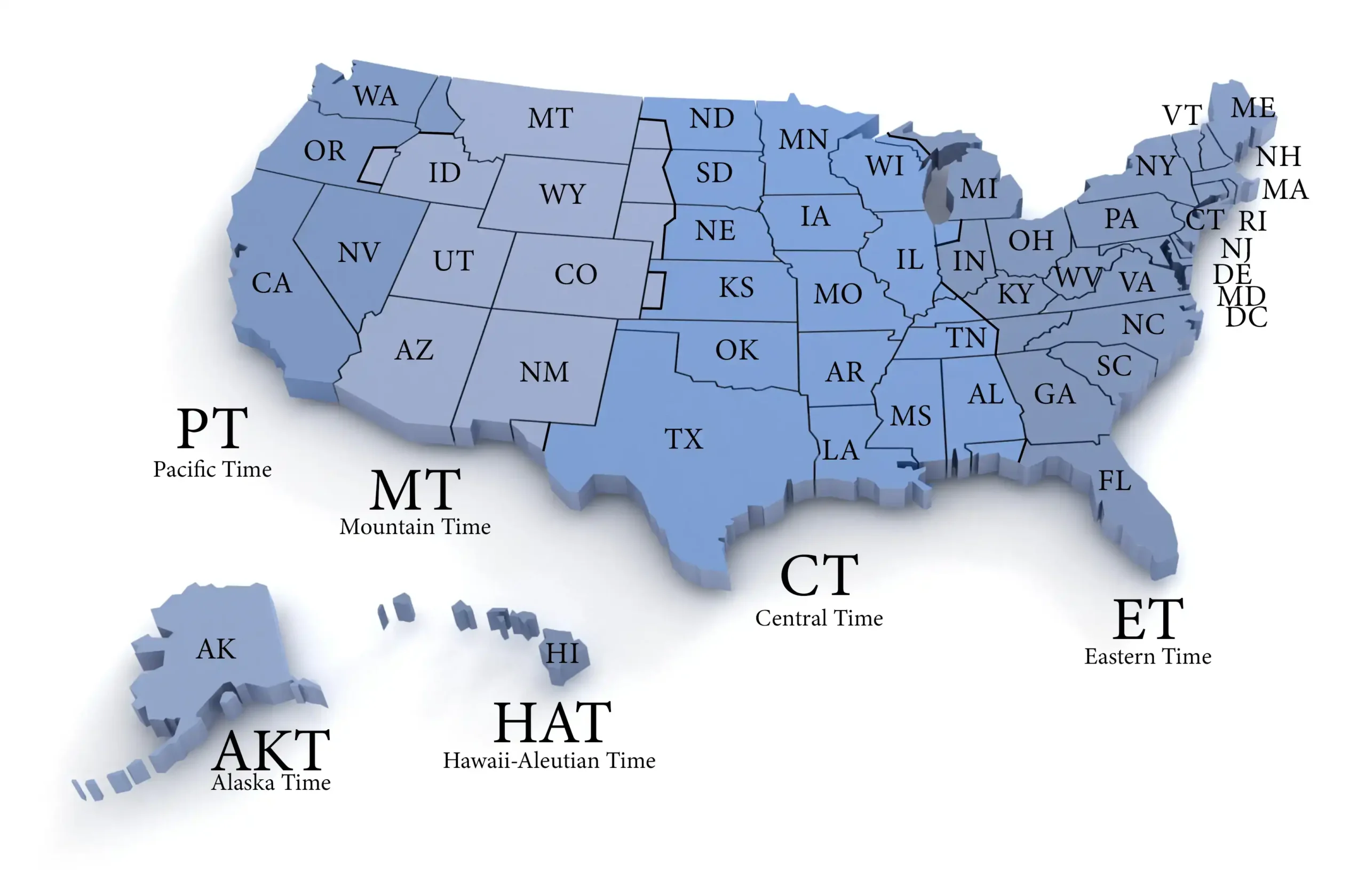
Most of the year, specifically from early November to mid-March, Seattle observes Pacific Standard Time (PST). This corresponds to Coordinated Universal Time minus eight hours (UTC-8). During these months, days are shorter, and the sun sets earlier, influencing evening activities and the overall rhythm of the city.
However, as spring arrives, Seattle—along with most of the United States—switches to Pacific Daylight Time (PDT). This change typically occurs on the second Sunday in March, when clocks “spring forward” by one hour. PDT is UTC-7. This shift extends daylight into the evening, making summer days feel longer and providing ample opportunity for outdoor exploration and late-night strolls. The city remains on PDT until the first Sunday in November, when clocks “fall back” to PST.
For travelers, understanding this seasonal adjustment is crucial. A flight arriving in March could experience a time change mid-trip, impacting immediate plans. Likewise, during the long summer evenings of PDT, attractions might stay open later, and outdoor activities can be enjoyed well into the evening, adding flexibility to your itinerary. Business hours, public transport schedules, and event timings throughout Seattle all align with these adjustments, making an informed approach vital for a seamless visit.
Geographical Context: Why Seattle is in the Pacific Time Zone
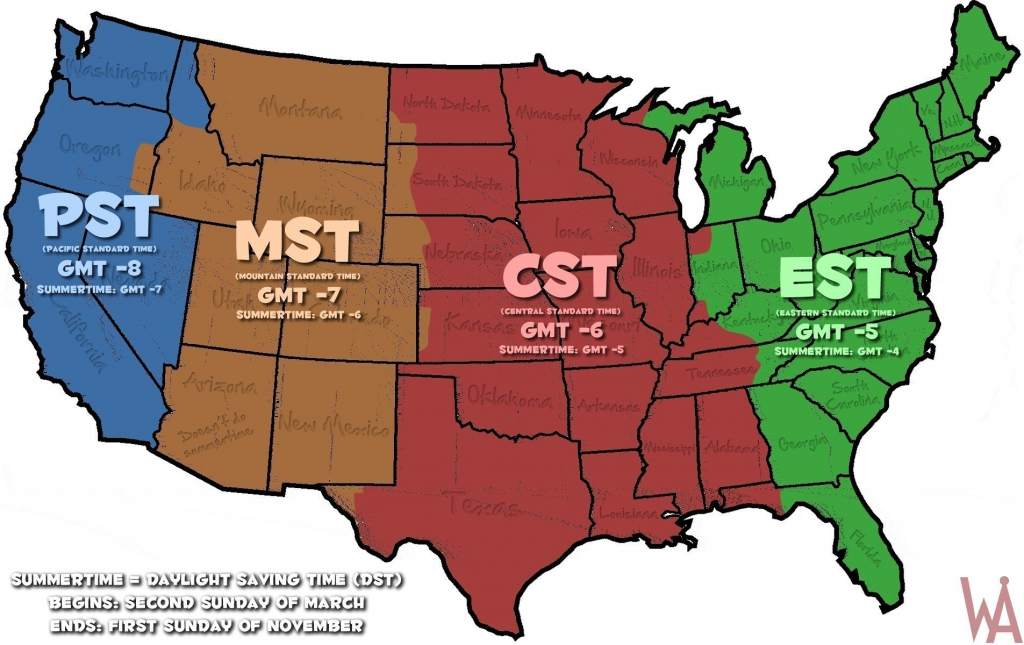
Seattle’s location on the western edge of the contiguous United States naturally places it in the Pacific Time Zone. Time zones across the country are primarily determined by lines of longitude, ensuring that noon generally occurs when the sun is at its highest point in the sky for a given region. The Pacific Time Zone encompasses the entire state of Washington State, along with Oregon, California, Nevada, and parts of Idaho.
This geographical placement means that Seattle is three hours behind the Eastern US and two hours behind the Midwest. For international visitors, especially those from Asia or Australia, the time difference can be substantial, often requiring a full day of travel time plus significant jet lag adjustment. Knowing this context helps in mentally preparing for the transition and planning strategies to mitigate the effects of time changes, ensuring your accommodation and travel arrangements align with your body clock as much as possible.
Navigating Time Differences: Impact on Travel and Tourism in Seattle
The practical implications of Seattle’s time zone extend far beyond simply knowing what time to set your watch. It fundamentally shapes how you plan your itinerary, manage your energy levels, and interact with the local scene.
Planning Your Trip: Flights, Accommodation, and Activities
For travelers, especially those crossing multiple time zones, jet lag is a significant consideration. Arriving in Seattle from the Eastern US, you’ll “gain” three hours, meaning you might feel wide awake in the late evening but struggle to wake up in the morning. Conversely, international travelers from Europe or Asia will face more pronounced adjustments.
To combat jet lag, experts recommend adjusting your sleep schedule gradually before your trip, staying hydrated, avoiding excessive caffeine and alcohol, and seeking natural sunlight upon arrival. When booking flights, consider arrival times that allow for a relaxed check-in at your hotel or accommodation and perhaps a gentle introduction to the city rather than jumping straight into strenuous activities. Many hotels in Seattle, particularly those catering to business stays or luxury travel, offer amenities like 24-hour room service, fitness centers, and comfortable suites that can help ease the transition.
When planning your itinerary, factor in the time zone. For instance, if you’re eager to visit Pike Place Market as it comes alive with vendors in the morning, ensure your adjusted body clock can handle an early start. Similarly, popular evening attractions or dinner reservations should be timed with your energy levels in mind. Some popular tours or ferry schedules, such as those to Bainbridge Island, are time-sensitive, so confirm their timings in PST or PDT.
Business Travel and Meetings
Seattle is a global hub for technology and innovation, attracting numerous business travelers. The time difference can present unique challenges for coordinating meetings and communications with partners in different time zones. Scheduling calls with colleagues on the East Coast means a 9 AM Seattle meeting is Noon in New York, while a European colleague might be concluding their workday or already off-hours.
Savvy business travelers often front-load their schedules, taking advantage of the “early” morning in Seattle to connect with Eastern US counterparts. Many hotels in Downtown Seattle and South Lake Union offer excellent business facilities, including reliable Wi-Fi, meeting rooms, and executive lounges, which are invaluable for maintaining productivity across time zones.
Enjoying Seattle’s Lifestyle: Dining, Events, and Local Culture
The local culture and lifestyle in Seattle are subtly influenced by its time zone. During the winter months, with PST in effect, early sunsets mean that the city lights up earlier, creating a cozy atmosphere perfect for exploring indoor attractions or enjoying a warm meal in one of Seattle’s renowned restaurants. Happy hours tend to start in the late afternoon, often aligning with the darkening sky.
In contrast, summer under PDT brings long, bright evenings, ideal for extended outdoor dining experiences, sunset cruises, or catching a baseball game at T-Mobile Park or a soccer match at Lumen Field. The city’s vibrant arts and music scene often comes alive in the evenings, and the extended daylight allows for more flexibility in enjoying these events without feeling rushed. Always double-check event start times and venue operating hours, as they will strictly adhere to PST or PDT.
Exploring Seattle’s Iconic Landmarks and Attractions Across Time
Seattle boasts a wealth of landmarks and attractions, each with its own operational hours. Your understanding of the Pacific Time Zone will be essential in crafting an efficient and enjoyable itinerary.
Must-Visit Destinations and Their Operating Hours
- Space Needle: A global icon, the Space Needle offers breathtaking panoramic views. Its hours can vary seasonally, with longer operating times during peak tourism season (summer/PDT) and shorter hours in winter (PST). Checking their official website for current timings is always recommended, especially if you plan to catch a sunset view, which will occur at different clock times depending on whether it’s PST or PDT.
- Pike Place Market: This historic market starts bustling early in the morning as vendors set up. While some shops and restaurants stay open later, the core market experience is best enjoyed from late morning to mid-afternoon. Factor in your adjusted body clock if you wish to experience the market’s vibrant morning energy.
- Museum of Pop Culture (MoPOP): MoPOP, known for its striking architecture and immersive exhibits, typically operates standard museum hours. These rarely fluctuate with daylight saving changes but are strictly fixed to PST/PDT.
- Chihuly Garden and Glass: Located adjacent to the Space Needle, this stunning exhibition of glass art offers a magical experience, especially when viewed at dusk or evening, when the glass pieces are beautifully illuminated. Their operating hours often extend later than other attractions, particularly during PDT, allowing for these enchanting evening visits.
- Ferry Rides to Bainbridge Island: A popular day trip, the Washington State Ferries operate on a strict schedule. Missing your desired ferry departure due to a miscalculation of time zones could disrupt your plans significantly. Always refer to the most current ferry schedule, noting whether times are for PST or PDT.
- Woodland Park Zoo: As with most outdoor attractions, the Woodland Park Zoo generally has longer hours during summer/PDT and shorter hours during winter/PST to maximize visitor experience during daylight.
Accommodation Choices and Time Zone Considerations
Your choice of accommodation can play a significant role in how well you adapt to the Pacific Time Zone. Hotels in Downtown Seattle, Belltown, and South Lake Union offer varying amenities. Many luxury hotels, such as the Four Seasons Hotel Seattle, provide exceptional comfort, blackout curtains, soundproofing, and 24/7 services that are invaluable when your internal clock is still adjusting.
When booking, note the check-in and check-out times, which are always in local Seattle time. If you arrive on an early flight after a long journey from the Eastern US or internationally, inquire about early check-in options or luggage storage, allowing you to begin exploring or resting comfortably. Similarly, if you have a late departure, late check-out or baggage storage can be a lifesaver. Vacation rentals and apartments also require careful coordination of arrival and departure, as they often have less flexible timings than traditional hotels.
Maximizing Your Seattle Experience: Tips for Travelers
Understanding Seattle’s time zone is the first step; effectively managing its effects is key to a truly enjoyable trip.
Best Practices for Adjusting to the Pacific Time Zone
- Hydrate Consistently: Drinking plenty of water helps combat dehydration, a common contributor to jet lag symptoms.
- Embrace Natural Light: Upon arrival, spend time outdoors in natural light. This helps reset your circadian rhythm to the local time.
- Adjust Gradually: If possible, start shifting your sleep schedule by an hour or two each day in the days leading up to your trip.
- Avoid Heavy Meals and Caffeine/Alcohol Before Bed: These can interfere with sleep quality, exacerbating jet lag.
- Utilize Hotel Amenities: Blackout curtains, comfortable bedding, and quiet environments provided by your accommodation can greatly assist in getting quality rest.
Seasonal Changes and Time Zone Adaptations
- Summer (PDT): With extended daylight hours, summer is perfect for maximizing outdoor activities. Plan hikes, enjoy waterfront dining, or explore the city’s parks well into the evening. Be mindful that peak tourist season might mean longer lines, so consider early morning visits to popular spots.
- Winter (PST): Shorter days and earlier sunsets in winter offer a different charm. Embrace the cozy atmosphere by visiting museums, enjoying Seattle’s famous coffee culture, or exploring indoor attractions. The darker evenings can create a magical ambiance for city walks and holiday lights.
Connecting with Local Life
Beyond the landmarks, Seattle’s true charm lies in its local lifestyle and culture.
- Coffee Culture: Seattle is synonymous with coffee. Explore local cafes and micro-roasters beyond the famous chains.
- Neighborhoods: Venture beyond Downtown Seattle to discover unique neighborhoods like Fremont, Ballard, or Capitol Hill, each offering distinct vibes, shops, and restaurants.
- Public Transport: The Link light rail and bus system are efficient ways to navigate the city, helping you save time and avoid parking hassles.
- Nature Escapes: For longer stays or day trips, consider venturing out to the stunning natural beauty surrounding Seattle, such as Mount Rainier or Olympic National Park. Always check their specific operating hours and road conditions, which can also be time-zone sensitive and vary by season.
In conclusion, understanding that Seattle operates in the Pacific Time Zone—shifting between PST and PDT—is fundamental for any traveler. By accounting for the time difference in your flight bookings, accommodation arrangements, and daily itinerary, you can smoothly transition into the local rhythm, minimize the effects of jet lag, and fully immerse yourself in all the wonderful travel, tourism, and lifestyle experiences this incredible city has to offer. Enjoy your adventure in the Emerald City!
LifeOutOfTheBox is a participant in the Amazon Services LLC Associates Program, an affiliate advertising program designed to provide a means for sites to earn advertising fees by advertising and linking to Amazon.com. Amazon, the Amazon logo, AmazonSupply, and the AmazonSupply logo are trademarks of Amazon.com, Inc. or its affiliates. As an Amazon Associate we earn affiliate commissions from qualifying purchases.