
Texas, the second-largest state in the United States, is a land of vast landscapes, rich history, and diverse culture. From its bustling metropolitan centers to its serene desert vistas, the Lone Star State offers an endless array of experiences for every type of traveler. However, one common question that arises for those planning a visit, especially when crossing its expansive borders, is: “What time zone is Texas?” While the answer might seem straightforward, there’s a nuanced detail that every traveler and local should be aware of to ensure smooth travel planning and timely adventures.
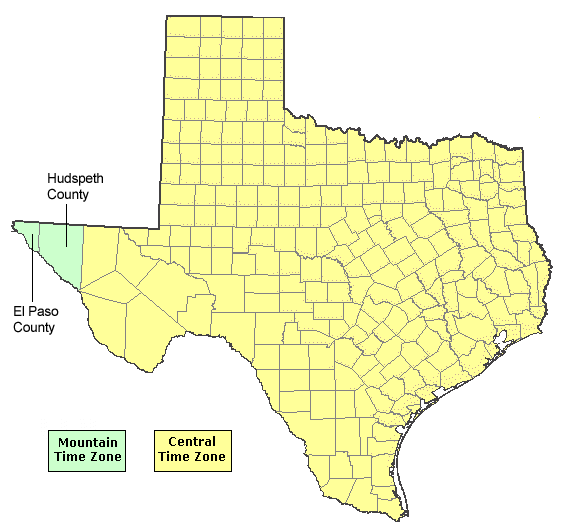
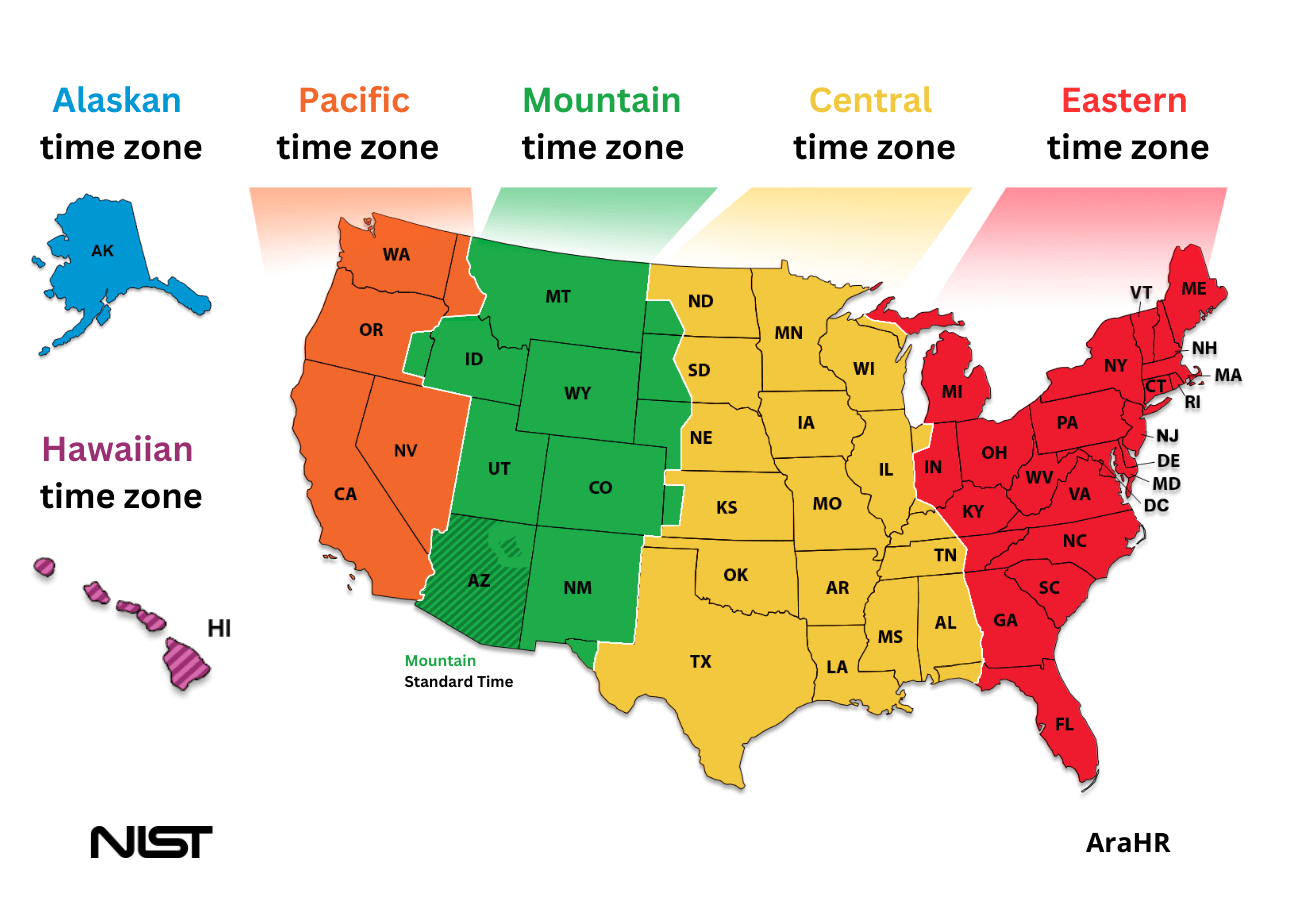
Predominantly, Texas observes the Central Time Zone (CT). This applies to the vast majority of the state, encompassing its major cities and most popular destinations. However, a small but significant portion of West Texas, specifically El Paso and Hudspeth County, operates on Mountain Time Zone (MT). This geographical split, while minor in terms of landmass, is crucial for anyone navigating the state, scheduling meetings, or simply planning their day. Understanding this distinction is the first step towards a seamless Texas adventure, whether you’re embarking on business stays or memorable family trips.
Navigating the Lone Star State’s Time Zones
For travelers, knowing which time zone a particular city or region falls into is paramount for everything from catching flights to making dinner reservations. The sheer size of Texas means that traversing it can feel like crossing multiple states, and indeed, you might just cross a time zone boundary along the way.
Central Time Zone: The Heartbeat of Texas
The overwhelming majority of Texas residents and visitors will find themselves operating within the Central Time Zone. This includes all of the state’s major urban centers and popular tourist hubs. During standard time, this is Central Standard Time (CST), which is UTC-6. When Daylight Saving Time is in effect, from early March to early November, the time shifts to Central Daylight Time (CDT), which is UTC-5.
Major cities in Central Time Zone include:
- Dallas: A sprawling metropolis known for its vibrant arts scene, world-class shopping, and dynamic business environment. Travelers here will find themselves perfectly in sync with CST/CDT.
- Houston: Home to Space Center Houston and a burgeoning culinary scene, Houston operates on Central Time.
- Austin: The Live Music Capital of the World and the state capital, Austin follows CST/CDT, crucial for catching its myriad festivals and outdoor activities.
- San Antonio: Famed for The Alamo and its picturesque San Antonio River Walk, this historic city also adheres to Central Time.
Understanding the Central Time Zone for these cities is vital for coordinating flights, hotel check-ins, and activity bookings. Whether you’re flying into Dallas/Fort Worth International Airport or George Bush Intercontinental Airport in Houston, your clock will align with CST/CDT.
Mountain Time Zone: The Far West Texas Exception
The exception to the Central Time Zone rule lies in the far western reaches of Texas, bordering New Mexico and Mexico. The city of El Paso and the entirety of Hudspeth County observe the Mountain Time Zone. This means they are consistently one hour behind the rest of Texas. During standard time, this is Mountain Standard Time (MST), which is UTC-7. When Daylight Saving Time is in effect, it shifts to Mountain Daylight Time (MDT), which is UTC-6.
This time difference is especially critical for anyone traveling between El Paso and other major Texas cities, or for those whose itinerary includes both the Big Bend Region and destinations further east. For example, if you plan to drive from San Antonio to El Paso, you will gain an hour upon arrival in El Paso. Conversely, traveling east from El Paso will mean losing an hour. This can impact everything from scheduled calls to checking into your accommodation and should always be factored into your travel guides.
Implications for Travel and Tourism in Texas

The existence of two time zones within Texas adds an intriguing layer to travel planning. While not as complex as international time zone changes, it certainly warrants attention, particularly for those undertaking extensive road trips or intricate schedules.
Planning Your Texas Itinerary: Time Zone Considerations
Careful planning is key to maximizing your Texas adventure.
- Flights and Connections: If flying into El Paso from Dallas or Houston, remember that your arrival time will effectively be one hour earlier than indicated by your departure city’s clock. This can be a pleasant surprise for gaining an extra hour of sightseeing, but it’s crucial to prevent missing onward connections or scheduled pickups. Always confirm local times for all legs of your journey.
- Road Trips Across the State: A classic Texas road trip from East Texas to West Texas can easily span both time zones. For instance, if you’re driving from Austin to explore Big Bend National Park (which is primarily in Central Time) and then continuing to El Paso, you’ll experience a time shift. Be sure to manually adjust your devices or rely on GPS systems that automatically update to local time. This is especially important when considering driving distances and estimating arrival times.
- Hotels and Accommodation Bookings: When making reservations for hotels, resorts, suites, apartments, or villas, particularly in the El Paso area or close to the time zone boundary (like parts of the Big Bend Region), double-check the local time for check-in and check-out. A missed check-out time due to a one-hour confusion can lead to unexpected fees. Most online booking platforms will display times in the local time zone of the property, but always verify.
- Events, Attractions, and Dining: Concerts, museum hours, tours, and restaurant reservations are all tied to local time. Missing the start of a highly anticipated show in El Paso because you were still on Central Time would be a frustrating mishap. Always confirm the operating hours and event schedules in the specific local time zone.
Lifestyle and Business Travel Across Texas
Beyond tourist itineraries, time zones also play a significant role in the daily lifestyle and professional landscape of Texas.
- Business Stays: For professionals traveling for work, scheduling conference calls, virtual meetings, or in-person appointments between Central Texas and El Paso requires careful synchronization. A 9 AM meeting in Dallas will be 8 AM in El Paso, and vice versa. Clear communication about time zones is essential to avoid delays or missed engagements.
- Family Trips: When traveling with children, maintaining sleep schedules and meal times can be crucial. A one-hour shift, even within the same state, can disrupt routines. Planning for this adjustment, especially when moving between time zones, helps keep younger travelers comfortable and happy.
- Luxury Travel vs. Budget Travel: Regardless of your travel style, efficient time management contributes to a smoother trip. For luxury travel, it means seamless transitions and adherence to bespoke itineraries. For budget travel, it means avoiding costly mistakes like missing flights or incurring late check-out fees. Good planning around time zones is a universal tip for all travelers.
- Communication: Staying in touch with friends, family, or colleagues back home or in other parts of Texas necessitates an awareness of the time difference. A quick text or call across time zones can sometimes interrupt someone’s schedule if not timed correctly.
Discovering Texas: Iconic Destinations and Time Management
Texas is a treasure trove of landmarks and attractions, each offering unique experiences. Knowing the time zone of your chosen destinations ensures you make the most of every moment.
Central Texas Wonders and Their Timely Charms
Most of Texas’ famous places are firmly in the Central Time Zone, providing a consistent time reference for visitors.
- Dallas: Explore the panoramic views from Reunion Tower, delve into history at the Sixth Floor Museum at Dealey Plaza, or wander through the Dallas Arts District. High-end hotels like Hotel ZaZa Dallas offer exquisite amenities and suites for a luxurious stay, all within CST/CDT.
- Houston: As Space City, Houston draws crowds to Space Center Houston (part of NASA’s Johnson Space Center). The Houston Museum District offers a cultural feast, while The Post Oak Hotel at Uptown Houston provides opulent accommodation for discerning travelers.
- Austin: Discover the architecture of the Texas State Capitol, relax at Zilker Park, or take a dip in Barton Springs Pool. Live music venues operate late into the night, adhering to Central Time. Omni Austin Hotel Downtown is a popular choice for downtown stays.
- San Antonio: Immerse yourself in the history of The Alamo and enjoy the vibrant local culture along the San Antonio River Walk. Don’t miss the stunning Mission San José. Hyatt Regency San Antonio Riverwalk provides prime access to these sites.
The Distinct Allure of Far West Texas
The Mountain Time Zone in Far West Texas offers unique experiences set against a dramatic desert backdrop.
- El Paso: Explore Franklin Mountains State Park for hiking and spectacular views, or follow the historic El Paso Mission Trail. The city, sitting on the edge of the Chihuahua Desert, offers a distinct blend of cultures. Hotel Indigo El Paso Downtown is a stylish option for accommodation in this region.
- Big Bend National Park and Guadalupe Mountains National Park: While the main visitor centers and most of Big Bend National Park (and nearby towns like Alpine, Marfa, and Fort Davis) are technically in the Central Time Zone, their proximity to the Mountain Time Zone border often creates confusion. Guadalupe Mountains National Park, further north, is officially in the Mountain Time Zone. When planning activities like hiking or stargazing at the McDonald Observatory, always confirm local times. Chisos Mountains Lodge offers prime in-park lodging for Big Bend. The expansive Big Bend Ranch State Park also offers incredible nature experiences.
Whether you’re exploring the cultural food scene in Austin, visiting the historic Spanish Colonial Missions in San Antonio, enjoying the beaches of Padre Island National Seashore on the Gulf Coast, or venturing into the rugged beauty of Palo Duro Canyon State Park in the Panhandle, Texas offers a myriad of tourism opportunities. A little foresight regarding its dual time zones will ensure your journey is as smooth and enjoyable as the vast Texas skies.
In conclusion, while the majority of Texas proudly operates within the Central Time Zone, the exception of El Paso and Hudspeth County on Mountain Time Zone is a detail no traveler should overlook. With a keen awareness of these time differences, visitors can confidently plan their itineraries, from booking accommodation and managing travel logistics to immersing themselves fully in the rich tapestry of Texas culture and natural wonders. Enjoy your adventures in the expansive and enchanting Lone Star State!