
When planning a trip to the vibrant and historically rich state of Louisiana, understanding its time zone is a fundamental piece of information that can prevent logistical headaches. From ensuring your hotel reservations align perfectly with your arrival to coordinating tours and activities, knowing the local time is crucial for a seamless travel experience. This guide will delve into the time zone of Louisiana, its implications for travelers, and how it interacts with the state’s unique charm, encompassing everything from its bustling cities to its tranquil bayous.
Navigating Louisiana’s Time Zone: Central Time and Daylight Saving
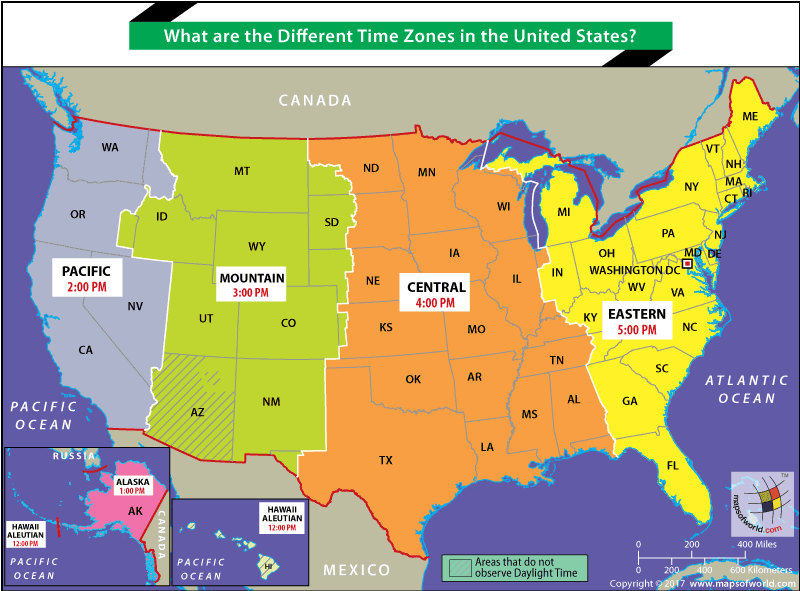
Louisiana observes the Central Time Zone (CT). This means it is generally six hours behind Coordinated Universal Time (UTC-6). However, like much of the United States, Louisiana also participates in Daylight Saving Time (DST). During DST, which typically runs from the second Sunday in March to the first Sunday in November, the time shifts forward by one hour, making it Central Daylight Time (CDT), which is UTC-5.
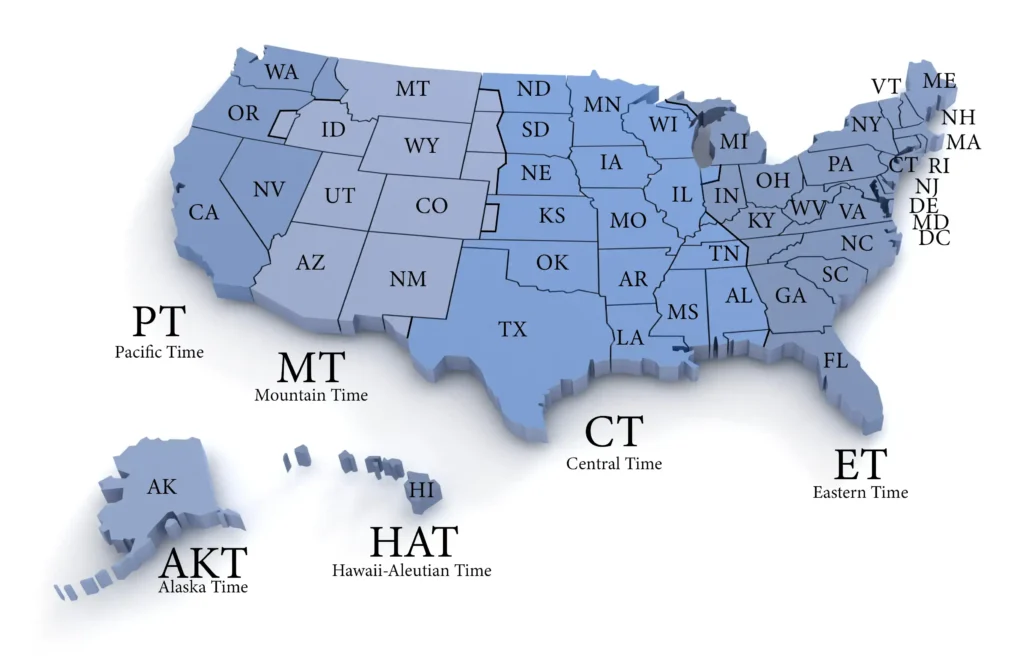
The observance of Daylight Saving Time is a significant factor for travelers, especially those coming from regions that do not switch clocks. It’s essential to double-check the current time and date when booking flights and accommodations, particularly if your travel dates fall near the transitions into or out of DST. While the switch is generally predictable, unforeseen changes or confusion can arise. For instance, if you’re flying into New Orleans from a state that doesn’t observe DST, like Arizona (with the exception of the Navajo Nation), you’ll need to adjust your watch accordingly.
The Impact of Time Zone Differences on Travel
The most immediate impact of Louisiana’s time zone on your travel plans will be related to scheduling. Flights arriving or departing, hotel check-in and check-out times, and the operating hours of attractions all operate on local Central Time.
Flights and Arrivals
When booking flights to Louisiana, whether you’re flying into Louis Armstrong New Orleans International Airport (MSY) or a smaller regional airport, the departure and arrival times will be listed in the local time of the respective airports. If you are traveling from the East Coast (Eastern Time Zone), you will gain an hour upon arrival in Louisiana. Conversely, if you are traveling from the West Coast (Pacific Time Zone), you will gain two hours. Understanding these differences helps in accurately predicting your arrival time and planning your initial activities upon landing. For example, a flight departing New York City at 10:00 AM EST would arrive in New Orleans at approximately 11:00 AM CST, allowing for an extra hour of daylight for exploration on your arrival day.
Accommodation and Activities
Hotel bookings are directly tied to the local time zone. Check-in times, typically in the afternoon (e.g., 3:00 PM CST), and check-out times in the morning (e.g., 11:00 AM CST), are standard. If you are arriving early, you might be able to store your luggage at the hotel and begin exploring the city. Similarly, many of Louisiana’s attractions, from the historic French Quarter in New Orleans to the charming streets of Lafayette, have specific operating hours. These hours are always in local Central Time. For example, the National WWII Museum in New Orleans will list its opening and closing times in CST. Planning your visits to coincide with these hours, and factoring in travel time within the city, is crucial for making the most of your itinerary. If you’re interested in a sunset Mississippi River cruise, knowing the sunset time in Central Time is essential for booking the perfect excursion.
Coordinating with Local Culture and Events
Louisiana is renowned for its vibrant festivals, live music scene, and unique culinary traditions. Many of these events are timed according to the local clock. Think of the iconic Mardi Gras parades in New Orleans, which have a strict schedule, or a jazz performance at a Frenchmen Street club, which will begin at a specific hour in CST. Understanding the time zone helps you immerse yourself fully in the local rhythm. If you’re planning to experience a traditional Cajun dance in the Acadian region, knowing the start time in Central Time ensures you don’t miss out. Even seemingly simple things, like a reservation at a renowned Louisiana restaurant, will be booked according to local time, allowing you to savor the local food and culture.
Exploring Louisiana: Cities and Attractions Across the Central Time Zone
Louisiana is a state blessed with diverse landscapes and a rich tapestry of history and culture, all under the umbrella of the Central Time Zone. From the energetic streets of New Orleans to the historic plantations along the Mississippi River, and the bayous of Southwest Louisiana, understanding the time zone helps in navigating these distinct experiences.
New Orleans: The Jewel of Louisiana
New Orleans, the state’s most famous city, operates entirely within the Central Time Zone. This iconic destination, known for its jazz music, Creole cuisine, and Mardi Gras celebrations, has a unique pace of life. Whether you’re exploring the historic French Quarter, visiting the Garden District, or enjoying a steamboat ride on the Mississippi River, all schedules will adhere to CST/CDT.
- French Quarter: This historic neighborhood is a hub of activity, with shops, restaurants, and music venues. Many establishments open around 10:00 AM CST and close late into the night.
- The National WWII Museum: A must-visit for history buffs, its hours are clearly listed in Central Time. Plan your visit to allow ample time to explore its extensive exhibits.
- Mardi Gras World: Get a behind-the-scenes look at the creation of Mardi Gras floats. Tours are available throughout the day in Central Time.
- St. Louis Cathedral: This magnificent landmark in Jackson Square is a focal point of the city, and visiting hours are in local time.
- Swamp Tours: Many operators offering tours into the Louisiana swamps depart from areas around New Orleans at various times throughout the Central Time day.
Beyond New Orleans: Baton Rouge, Lafayette, and the Acadian Coast
Louisiana offers much more than just its most famous city. The state capital, Baton Rouge, as well as the heart of Cajun Country, Lafayette, and the scenic Acadian Coast, all fall within the Central Time Zone, each offering unique attractions and experiences.
- Baton Rouge: Visit the Old State Capitol and the Louisiana State Capitol building, both of which operate on Central Time. Explore the USS Kidd Veterans Museum or take a stroll along the Mississippi River levee.
- Lafayette: Immerse yourself in Cajun culture. Visit the Vermilionville Historic Village, a living history museum showcasing life in Louisiana from the 1700s to the early 1900s. Attend a dance at a local dance hall, where events typically kick off in the evening Central Time. Explore the Acadiana Center for the Arts for local performances and exhibits.
- Acadian Coast: This region, south of Lafayette, is known for its bayous, seafood, and rich Acadian heritage. Many small towns and communities here have their own local charm and attractions, all operating under Central Time. Consider visiting attractions like the Jean Lafitte National Historical Park and Preserve or exploring unique food experiences.
Planning Your Louisiana Itinerary with Time Zone Awareness
Effective planning is key to maximizing your enjoyment of Louisiana. By considering the Central Time Zone and Daylight Saving Time, you can ensure a smooth and memorable trip.
Pre-Trip Preparations
Before you even pack your bags, ensure your travel documents and reservations are accurate with the correct time zone.
- Confirm Flight Times: Reconfirm your flight schedules with your airline a few days before departure, paying close attention to the listed times and noting if they are local to departure or arrival.
- Book Accommodation: When booking hotels, resorts, or vacation rentals, be aware that all confirmation emails and check-in/check-out times will be in Central Time. If you’re arriving late at night, ensure your accommodation will be ready for you.
- Research Attractions: Look up the operating hours for all the attractions, landmarks, and experiences you wish to pursue. Many Louisiana attractions, such as plantation homes like Oak Alley Plantation or the Laura Plantation, have specific tour times.
- Understand DST: If your trip falls during the periods when Daylight Saving Time is changing, make a note of the exact date and time of the shift. This is particularly important if you are coordinating with friends or family in different time zones.

During Your Stay
Once you’re in Louisiana, it’s easy to stay oriented. Most electronic devices, such as smartphones and smartwatches, will automatically update to the local time. However, it’s always wise to be aware.
- Local Media: Local news channels and radio stations will broadcast information in Central Time.
- Restaurant Reservations: When making dinner reservations, especially for popular spots in New Orleans or Lafayette, ensure you are booking for the correct time in CST/CDT.
- Guided Tours: If you book a guided tour, whether it’s a historical walking tour of St. Martinville or a swamp boat tour, the meeting times will be in Central Time. Punctuality is appreciated.
- Embrace the Local Pace: While time zones are important for logistics, remember to also embrace the laid-back and vibrant rhythm of Louisiana. Enjoy the extended daylight hours during CDT for exploring the lively streets or relaxing by the Mississippi River.
By keeping the Central Time Zone in mind, your journey through the captivating state of Louisiana will be enriched, allowing you to fully immerse yourself in its unique culture, breathtaking landmarks, and unforgettable experiences. Whether you’re a first-time visitor or a seasoned traveler, understanding the local time is your first step towards a perfectly timed adventure.