
When planning a trip to the bustling metropolis of New York, one of the initial questions that often crosses a traveler’s mind, perhaps even subconsciously, is about its time zone. Understanding New York’s time zone is not merely a matter of curiosity; it’s a fundamental piece of information that impacts everything from flight schedules and hotel bookings to managing jet lag and coordinating with loved ones back home. As a global hub for finance, fashion, art, and tourism, New York’s position on the world clock has far-reaching implications, shaping daily life for its residents and the experiences of its millions of annual visitors. This guide will delve into the specifics of New York’s time zone, its nuances, and how it influences your travel, tourism, and lifestyle choices while exploring the city that never sleeps.
Unraveling New York’s Time Zone: Eastern Standard Time
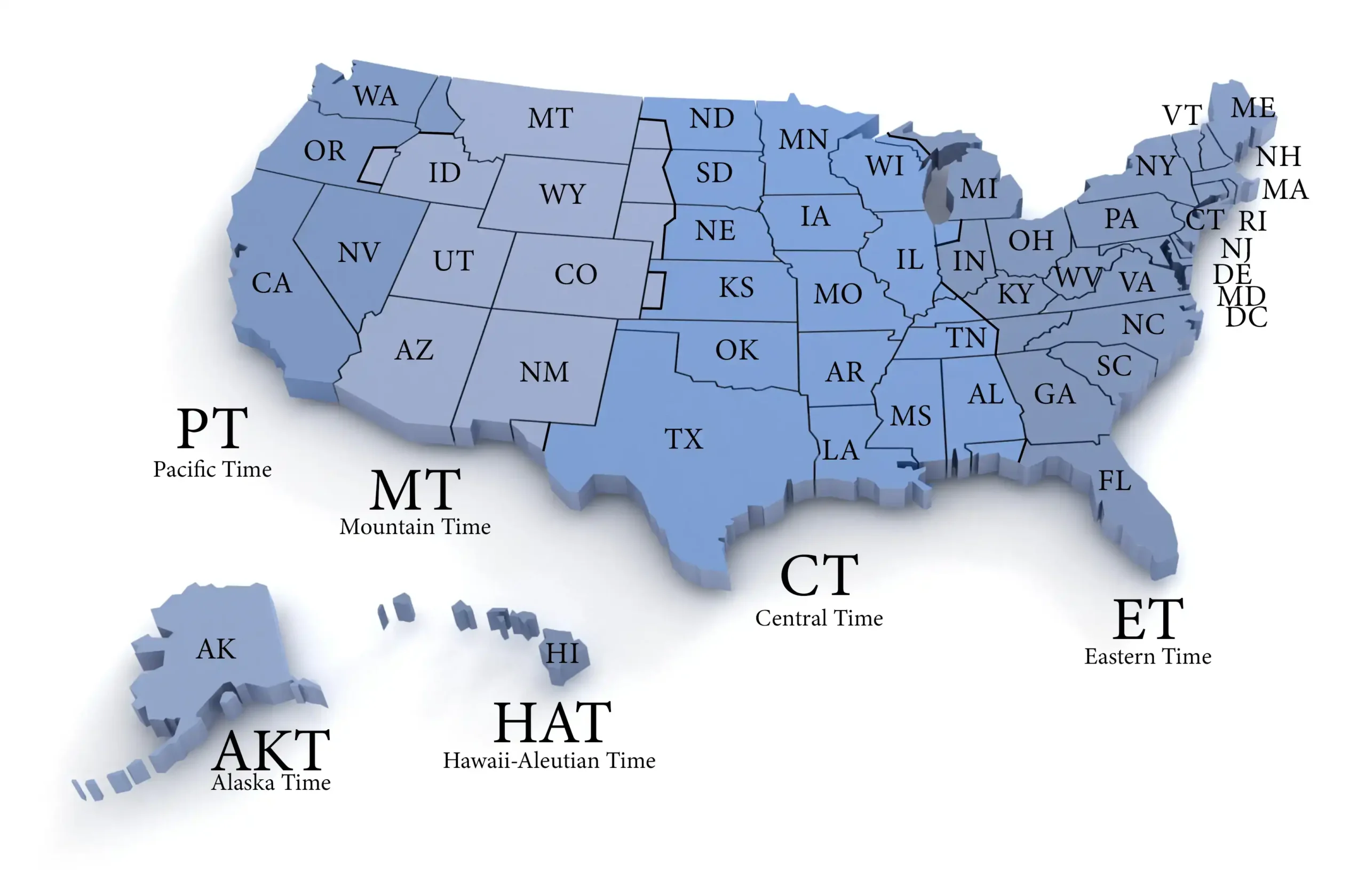
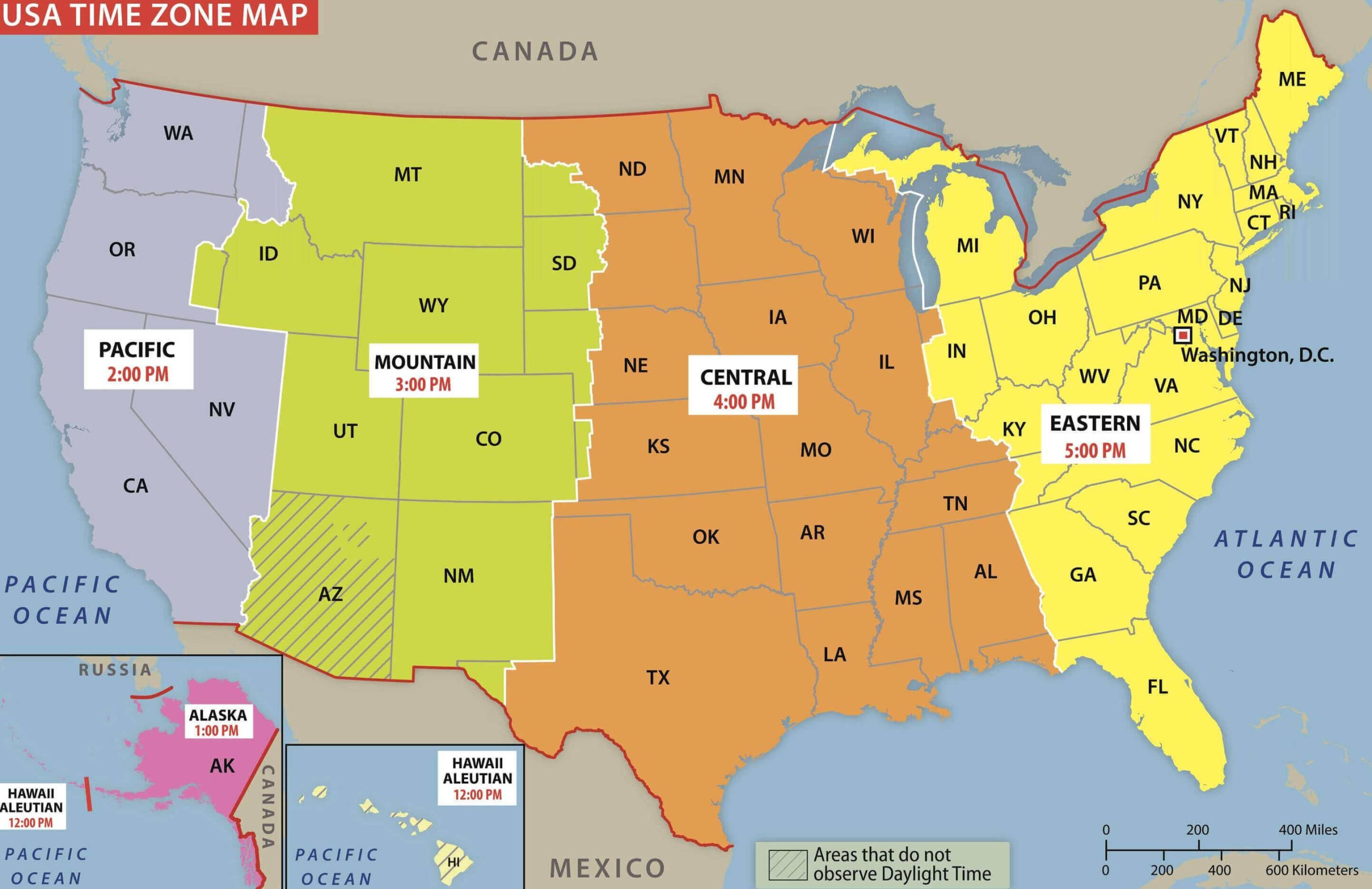
At its core, New York operates on the Eastern Time (ET) zone. This means that during the majority of the year, the city observes either Eastern Standard Time (EST) or Eastern Daylight Time (EDT). Eastern Time is a standard time zone that encompasses the eastern part of North America, primarily the eastern United States and Canada, along with a few areas in Mexico and the Caribbean.
Understanding EST and EDT
Eastern Standard Time (EST) is observed during the fall and winter months. It is UTC-5, meaning it is five hours behind Coordinated Universal Time. This is the base time for the zone. When clocks “fall back” in late autumn, New York reverts to EST, effectively gaining an hour of daylight in the morning but shortening the evenings.
Eastern Daylight Time (EDT) comes into effect during spring and summer. It is UTC-4, meaning it is four hours behind Coordinated Universal Time. Clocks “spring forward” by one hour, usually on the second Sunday in March, and remain on EDT until the first Sunday in November. This shift provides an extra hour of daylight in the evening, perfect for post-work activities, extended sightseeing, and enjoying the vibrant outdoor life New York offers during its warmer months. Many other major cities and states, such as Miami, Florida, Washington D.C., Toronto, and Montreal, also follow Eastern Time and observe Daylight Saving Time. Knowing whether New York is currently on EST or EDT is crucial for accurate planning, especially when dealing with international travel or coordinating meetings across different time zones.
The Significance of New York’s Time Zone on a Global Scale
New York’s time zone holds immense global significance, particularly within the realms of finance and international business. As home to the New York Stock Exchange and Wall Street, the opening and closing bells of its financial markets ripple across the globe. When trading begins in New York, it often overlaps with the closing hours of markets in London and Europe, and precedes the opening of markets in Asia, like Tokyo or Shanghai. This strategic time zone facilitates critical daily transactions and communications that power the global economy. For business travelers, this means a dynamic schedule, often requiring flexibility to participate in calls or meetings with partners in distant time zones. The city’s 24/7 energy is partly a reflection of this continuous global connection, where some businesses and services operate round the clock to cater to international demand.
Navigating Time Differences for Travelers
For visitors arriving in New York from different parts of the world, understanding the time zone is just the first step. The real challenge often lies in adapting to the new time, particularly when crossing multiple time zones. This adjustment period, commonly known as jet lag, can significantly impact your initial days in the city, affecting your energy levels, sleep patterns, and overall enjoyment of the travel experience.
Battling Jet Lag: Tips for a Smoother Arrival
Jet lag occurs when your body’s internal clock (circadian rhythm) is out of sync with the local time. Symptoms can include fatigue, insomnia, headaches, and digestive issues. While it’s an inevitable part of long-haul travel, several strategies can help mitigate its effects and ensure you hit the ground running in New York:
- Adjust Before You Go: A few days before your flight, try to gradually shift your sleep schedule closer to New York time. If traveling east, go to bed an hour earlier; if traveling west, stay up an hour later.
- Stay Hydrated: Drink plenty of water before, during, and after your flight. Dehydration can exacerbate jet lag symptoms. Avoid excessive alcohol and caffeine, which can disrupt sleep.
- Embrace the Light: Upon arrival, expose yourself to natural light during the day to help reset your internal clock. If you arrive in the morning, resist the urge to nap for too long. If you arrive late, try to get some sun exposure before resting.
- Sleep Smart: If you must nap, keep it short (20-30 minutes) to avoid falling into a deep sleep that makes it harder to sleep at night. Use eye masks and earplugs to create a dark, quiet environment in your accommodation.
- Eat Local: Try to eat your meals according to New York’s meal times. Eating can be another cue for your body’s clock.
- Strategic Flight Booking: If possible, choose flights that arrive in New York in the late afternoon or early evening. This allows you to check into your hotel, grab dinner, and then head to bed at a reasonable local time, making it easier to wake up refreshed the next morning.
These tips, combined with selecting comfortable accommodations such as well-appointed hotels or serviced apartments, can make a significant difference in how quickly and smoothly you adapt to New York’s time zone.
Scheduling Your New York Adventure
Beyond personal adjustment, the time zone dictates the practicalities of planning your itinerary. New York’s attractions, from museums and landmarks to dining establishments and Broadway shows, operate on the local schedule.
- Attraction Hours: Most major attractions like the Empire State Building, Statue of Liberty, Metropolitan Museum of Art, or tours of Central Park have specific opening and closing times. Always check these in advance, especially since they can vary by season or day of the week. Remember that EDT often means longer daylight hours for sightseeing, while EST means earlier sunsets.
- Dining Reservations: New York is a culinary paradise, and securing reservations at popular restaurants, particularly during peak dinner hours (7 PM – 9 PM ET), is essential. Be mindful of the time difference when making reservations from home to avoid confusion.
- Showtimes: Broadway performances typically start in the evening, often around 7 PM or 8 PM ET, with matinees on Wednesdays, Saturdays, and Sundays. Factor in travel time to theaters in the Times Square area and ensure your body clock is ready for a late night if you’re attending a show.
- Public Transportation: While the New York City subway runs 24/7, service frequency varies throughout the day and night. Understanding local peak hours (morning and evening commutes) will help you navigate the system efficiently and avoid unnecessary delays.
Careful planning with local time in mind ensures you maximize your time and fully immerse yourself in all the city has to offer without missing out on desired experiences due to a time zone miscalculation.
Time’s Influence on New York Attractions and Daily Life
The rhythm of New York life is intricately tied to its time zone. For tourists, this rhythm dictates when shops open, when attractions are accessible, and when the city truly comes alive with its renowned nightlife. Embracing this local cadence is key to an authentic and enjoyable visit.
Synchronizing with Broadway Shows and Dining Experiences
New York’s cultural scene is world-famous, with Broadway at its heart. A typical Broadway evening often begins with a pre-theater dinner, followed by a curtain time of 7 PM or 8 PM ET. This schedule can be a significant adjustment for travelers from time zones far to the east, who might find themselves ready for dinner at 5 PM local time or struggling to stay awake through a late show. Many establishments, particularly around the Theater District, cater to this by offering pre-theater menus, allowing diners to enjoy a meal and make it to their show on time.
Beyond Broadway, the city’s diverse dining scene runs on its own clock. Early birds can find breakfast at any hour in some diners, while late-night eateries in neighborhoods like Greenwich Village or the Lower East Side serve food well past midnight. Understanding these local dining habits and synchronizing your internal clock to them will enhance your culinary journey. Booking tables in advance, especially for popular spots during peak dinner hours, is highly recommended.
Business Hours and Practicalities
For everyday practicalities, New York’s time zone also governs the operating hours of essential services and businesses.
- Shopping: Retail stores, from flagship department stores on Fifth Avenue to boutiques in SoHo, generally open between 10 AM and 11 AM ET and close between 7 PM and 9 PM ET. Supermarkets and convenience stores often have extended hours, with some even operating 24/7.
- Banking: Most banks adhere to standard business hours, typically 9 AM to 5 PM ET on weekdays, with limited hours on Saturdays. ATMs are widely available for cash withdrawals around the clock.
- Museums and Galleries: Cultural institutions like the Metropolitan Museum of Art, the Museum of Modern Art (MoMA), or the Guggenheim Museum usually open in the morning (around 10 AM ET) and close in the late afternoon or early evening. Some offer late-night openings on specific days, which can be a great way to experience them with fewer crowds.
- Sightseeing Tours: Walking tours, boat tours around the Statue of Liberty, or bus tours often have multiple departure times throughout the day, usually starting in the morning and concluding in the late afternoon. Booking these in advance, with your adjusted body clock in mind, is advisable.
Being aware of these typical operating hours helps in efficient itinerary planning, ensuring you don’t arrive at a destination only to find it closed.
Making the Most of Your New York Visit Across Time Zones
A successful trip to New York involves more than just booking flights and hotels; it’s about fully immersing yourself in the local experience, which includes adjusting to its time zone. For many, this adjustment extends beyond mere clock-watching to include how they manage international communications and utilize their chosen accommodations.
Planning International Communication
One of the most common challenges for international travelers in New York is maintaining contact with family, friends, or colleagues back home. The Eastern Time zone’s offset from other major global centers can make real-time communication tricky.
- Europe and Africa: New York is typically 5 or 6 hours behind Western Europe and Central Europe. This means that a morning call from New York (e.g., 9 AM ET) will correspond to mid-afternoon or evening in Europe (e.g., 2 PM or 3 PM in London, 3 PM or 4 PM in Paris). Evening calls from New York might be late night or early morning in Europe.
- Asia and Australia: The time difference here is much more significant, often spanning 12 to 16+ hours. For instance, when it’s 9 AM on Monday in New York, it might be 10 PM on Monday in Tokyo or 12 AM (midnight) on Tuesday in Sydney, Australia. This usually necessitates scheduling calls for late evenings in New York to connect with mornings in Asia, or vice-versa.
Utilize online time zone converters or world clock apps to easily determine the best times for international calls. Consider asynchronous communication methods like email or messaging apps for less urgent matters to avoid disrupting sleep schedules for those you’re connecting with.
Accommodations and Adjusting to Local Rhythms
Your choice of accommodation can play a crucial role in how well you adjust to New York’s time zone. Whether you opt for a luxury suite in a Manhattan hotel, a boutique resort, a spacious apartment, or a cozy villa, certain amenities and features can aid your transition:
- Comfortable Sleeping Environment: Look for hotels that offer blackout curtains, soundproofing, and comfortable bedding. A good night’s sleep is paramount to combating jet lag. Many high-end hotels, like The Plaza Hotel or the Four Seasons Hotel New York Downtown, pride themselves on providing serene environments in the midst of the city’s hustle.
- Room Service and Flexible Dining: If your body clock is still syncing, having access to 24-hour room service or hotels with flexible dining options can be a lifesaver, allowing you to eat when you’re hungry, rather than strictly adhering to local meal times initially.
- Fitness Centers: Many hotels, including major chains like the Ritz-Carlton New York or Marriott Marquis, offer on-site fitness centers. Exercise, even light activity, can help regulate your sleep-wake cycle and boost energy levels.
- Location: While not directly related to time zones, choosing accommodation in a neighborhood that suits your travel style can minimize the impact of long travel days. For instance, staying near Times Square provides immediate access to Broadway and transportation hubs, reducing travel time to attractions.
Ultimately, embracing New York’s Eastern Time means more than just setting your watch; it means adjusting your lifestyle for the duration of your stay. By understanding the implications of EST and EDT, preparing for jet lag, and aligning your schedule with the city’s vibrant rhythms, you’ll ensure a seamless and unforgettable experience in one of the world’s most exciting destinations. The city’s energy is infectious, and with a little preparation, you’ll quickly find yourself living like a local, no matter where you’ve traveled from.
LifeOutOfTheBox is a participant in the Amazon Services LLC Associates Program, an affiliate advertising program designed to provide a means for sites to earn advertising fees by advertising and linking to Amazon.com. Amazon, the Amazon logo, AmazonSupply, and the AmazonSupply logo are trademarks of Amazon.com, Inc. or its affiliates. As an Amazon Associate we earn affiliate commissions from qualifying purchases.